To maintain memory and brain agility, no single food can "boost brain function" or guarantee improved memory; however, adequate intake of nutrients through a balanced diet is essential. Omega-3 fatty acids (especially DHA)This is the most discussed and scientifically grounded aspect. Omega-3 is an essential fatty acid that the human body cannot produce on its own and must be obtained from diet or supplements. This article summarizes the actual relationship between Omega-3 and memory, cardiovascular health, joint health, etc., and explains how to consume it and who needs to pay attention, while also debunking common exaggerated claims to a reasonable level.
- 1. Memory and Diet: Why Omega-3 is Important
- 2. The effects of DHA and EPA on the brain
- 3. Besides memory, what other benefits does Omega-3 have?
- 4. Food Sources and Intake Recommendations
- 5. Who needs to be aware of/seek medical advice?
- 6. How to choose products
- 7. Frequently Asked Questions (FAQ)
- 8. Sources of information
1. Memory and Diet: Why Omega-3 is Important
Brain function requires a variety of nutrients, and Omega-3 is an essential fat among them. The human body cannot synthesize Omega-3 on its own and must obtain it from food; it participates in many bodily functions, from cell membrane health to the regulation of inflammatory responses. In terms of "brain protection," Omega-3's key benefits lie in…Maintaining normal brain functionThe most practical approach is to integrate Omega-3 into a holistic lifestyle that includes a balanced diet, sufficient sleep, regular physical activity, and mental exercise.
2. The effects of DHA and EPA on the brain
DHA (docosahexaenoic acid) is an important structural component of brain cell membranes and makes up a significant proportion of brain fat. From fetal brain development and infant growth to brain health in adulthood and old age, DHA plays a vital role in normal functioning. Adequate DHA intake through a normal diet helps maintain normal brain function.
However, to be honest: current researchUnconfirmedSupplementing with Omega-3 can "improve" memory in healthy adults. Some studies focus on the relationship between Omega-3 and cognitive and memory decline, but the results are inconsistent; its potential benefits for groups at higher risk of memory decline (such as the elderly) remain a focus of ongoing research. In other words, Omega-3 is one of the "basic building blocks" for brain health, not a "guaranteed boost" to memory.
3. Besides memory, what other benefits does Omega-3 have?
The benefits of Omega-3 extend beyond the brain. Below are some of the more well-founded and frequently discussed effects, along with the strength of the evidence and any exaggerated claims to be avoided.
Cardiovascular and blood lipids
Omega-3 is associated with heart health. The American Heart Association recommends eating two servings of fatty fish per week because...Eating fish regularly is associated with a lower risk of cardiovascular disease.(American Heart Association: Fish and Omega-3 Fatty Acids)。
Regarding blood lipids, the strongest evidence suggests that Omega-3 can...Significantly reduces blood triglycerides.It may slightly increase HDL (good cholesterol). However, it's important to note that some studies have also observed a slight increase in LDL (bad cholesterol), so the common online claim that "Omega-3 can lower LDL" is actually inaccurate.Mayo Clinic: Fish OilOverall, Omega-3 is part of a diet for maintaining healthy blood lipids and blood vessels, rather than a guarantee of "preventing various cardiovascular problems".
Joint comfort
Some studies suggest that fish oil supplements may help alleviate [the symptoms].Rheumatoid ArthritisFor patients experiencing joint pain, morning stiffness, and tenderness, the effects are usually mild, and there may be a chance to reduce the dosage of anti-inflammatory medication. It is important to note that rheumatoid arthritis is an autoimmune disease, and fish oil cannot replace medical treatment. Patients should follow their doctor's advice and discuss with healthcare professionals whether it is suitable to use fish oil in conjunction with other treatments.
Headache/Migraine
Some studies have explored the auxiliary role of Omega-3 in the frequency and severity of migraines. For example, a randomized trial published in the British Medical Journal (BMJ) in 2021 found that increasing dietary Omega-3 intake (and reducing omega-6) reduced the frequency and severity of migraine attacks in adults; the American Migraine Foundation has also included Omega-3 in its discussion of complementary nutrients. This does not mean that fish oil can "eliminate" headaches—acute or frequent headaches should still be treated according to a doctor's advice.
skin
Omega-3's anti-inflammatory properties are related to maintaining cell membrane health, and moderate intake can be part of a diet that moisturizes and protects the skin barrier. However, claims that it "makes your skin look youthful" are exaggerated and should be avoided.
Blood sugar and metabolism
For some individuals with metabolic syndrome, Omega-3 intake may help lower triglycerides; however, the evidence for its "blood sugar stabilization" effect is limited and uncertain, and Omega-3 cannot replace blood sugar management or related medications. Individuals with high blood sugar or diabetes should consult their doctor for advice.
4. Food Sources and Intake Recommendations
High-fat fish (a major source of EPA + DHA):Salmon, mackerel, sardines, anchovies, tuna, oysters, mussels, etc. The American Heart Association recommends eating two servings per week (about 3 ounces of cooked fish per serving).
Plant-derived (ALA):Flaxseed, chia seeds, walnuts, etc. contain ALA, but the efficiency of ALA in converting into EPA/DHA in the body is limited, and it cannot be equated with fish oil.
Supplements:Fish oil capsules are the most common form; vegetarians may consider them.Algae oilAs a source of DHA. If considering higher doses (such as prescription grade for high triglycerides), consult your doctor first, as general maintenance doses differ from prescription grades.
5. Who needs to be aware of/seek medical advice?
- Pregnant or breastfeeding women:You can eat fish, but you should refer to local fish consumption guidelines and avoid fish species with high mercury content; consult a doctor before considering supplements.
- For those taking anticoagulants/thinning agents:High doses of fish oil may increase the risk of bleeding and require a doctor's approval.
- For those allergic to seafood:Fish oil supplements should be used with caution; algae oil may be considered, but consultation is advised first.
- For those currently taking medication to lower blood pressure or blood sugar:Note the possible interactions.
- Persistent significant memory decline, frequent headaches or joint swelling and pain:You should first seek medical attention to determine the cause, rather than relying on supplements on your own.
6. How to choose products
When choosing fish oil/Omega-3 supplements, pay attention to the following: [The following is a list of points to consider:] [Labeling/Instructions] Actual content of EPA and DHA(Instead of just stating "total fish oil content"), it includes third-party purity/heavy metal testing and information on the source fish species (small fish usually have a lower risk of heavy metals); vegetarians can choose algal oil DHA.
Product page link to be added: Please enter the URL of your store's Omega-3/fish oil product page, and recheck the ingredients, content, specifications, price and inventory, as well as usage precautions on the day of publication.
7. Frequently Asked Questions (FAQ)
- Does taking Omega-3 really improve memory?
- DHA is an important component of brain cell membranes, and adequate intake helps maintain normal brain function; however, research has not yet confirmed that Omega-3 supplementation can "improve" memory in healthy adults, and its potential benefits for specific groups (such as the elderly) are still under investigation. A balanced diet, sleep, and activity habits are equally important.
- What are the cardiovascular benefits of Omega-3?
- Eating fatty fish regularly is associated with a lower risk of cardiovascular disease; Omega-3 can significantly lower triglycerides and slightly increase HDL, but may slightly raise LDL. It is not a guarantee of "preventing all kinds of heart disease," but rather part of a healthy diet.
- Which foods contain Omega-3?
- Fatty fish (salmon, mackerel, sardines, anchovies, tuna, etc.) and shellfish; plant sources include flaxseed, chia seeds, and walnuts (containing ALA, but with limited conversion efficiency). Vegetarians may consider algal oil DHA.
- Who should consult a doctor before taking fish oil?
- Those who are pregnant or breastfeeding, taking blood thinners/blood pressure medication, are allergic to seafood, or have abnormal blood sugar levels; those with persistent memory loss or frequent headaches should also seek medical attention first.
- Can Omega-3 replace medication for arthritis or migraines?
- No. Studies show that fish oil may be used as an adjunct treatment for rheumatoid arthritis or migraines, but the effects are mild and cannot replace doctor's treatment or prescription medication.
8. Sources of information
- American Heart Association. Fish and Omega-3 Fatty Acids(Updated August 2024):heart.org
- Mayo Clinic. Fish oil(Updated January 2026):mayoclinic.org
- Ramsden CE et al. (2021) British Medical Journal: Randomized trial of dietary increases in Omega-3 intake on the frequency and severity of migraines in adults.
- The American Migraine Foundation's Nutraceuticals page includes Omega-3 in its discussion of supplemental nutrients to consider.
Health Disclaimer:This article provides nutrition and lifestyle information and does not constitute medical diagnosis, treatment, or prevention advice, nor can it replace professional medical evaluation. For persistent memory loss, frequent headaches, joint pain, cardiovascular issues, or blood sugar problems, please consult a doctor. The effectiveness of supplements varies depending on individual constitution, dosage, and lifestyle; please refer to the product page for product ingredients, content, and specifications.
Related Products:
-
Sale!

Life Space – Elder 60+ Probiotic 30 billion 60 capsules
Original price was: $198.00.$145.00Current price is: $145.00. Add to basket -
Sale!
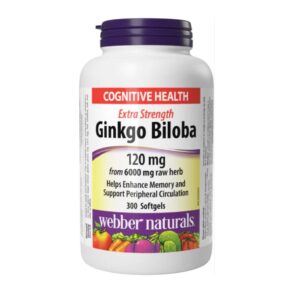
Webber Naturals – Ginkgo Biloba Extract 120mg 300 capsules
Original price was: $268.00.$168.00Current price is: $168.00. Add to basket -
Sale!

Bausch & Lomb – Ocuvite® Over 50's Eye Care Lutein + Zeaxanthin + Omega-3 50 capsules
Original price was: $170.00.$128.00Current price is: $128.00. Add to basket -
Sale!

Swisse – Men's 50+ Multivitamin 90 Tablets
Original price was: $268.00.$180.00Current price is: $180.00. Add to basket
Related Post:
![母親用滴管把少量植物藻油滴在食物匙上,幼兒坐在餐桌旁]()
A Complete Guide to Plant-Based Algae Oil Omega-3: Odorless, Vegetarian, and Suitable Omega-3 Choices for Pregnant Women and Infants
![牛樟芝子實體與膠囊製品示意]()
What is Antrodia camphorata? A complete guide to its ingredients, research evidence, and precautions for consumption.
![世界心臟日護心飲食場景,香港中年夫婦享用豆漿、豆腐、雞蛋與堅果,旁有心臟及細胞膜卡通示意]()
World Heart Day: Heart Health in Hong Kong Starts with Daily Life | What are the Benefits of Lecithin? Which of Three 1200mg Products to Choose From?
![香港成年人在家閱讀與休息,從日常習慣開始理解腦部健康]()
魚油、迷你膠囊還是B12?腦部健康熱銷8款的配方與日常選擇