






















































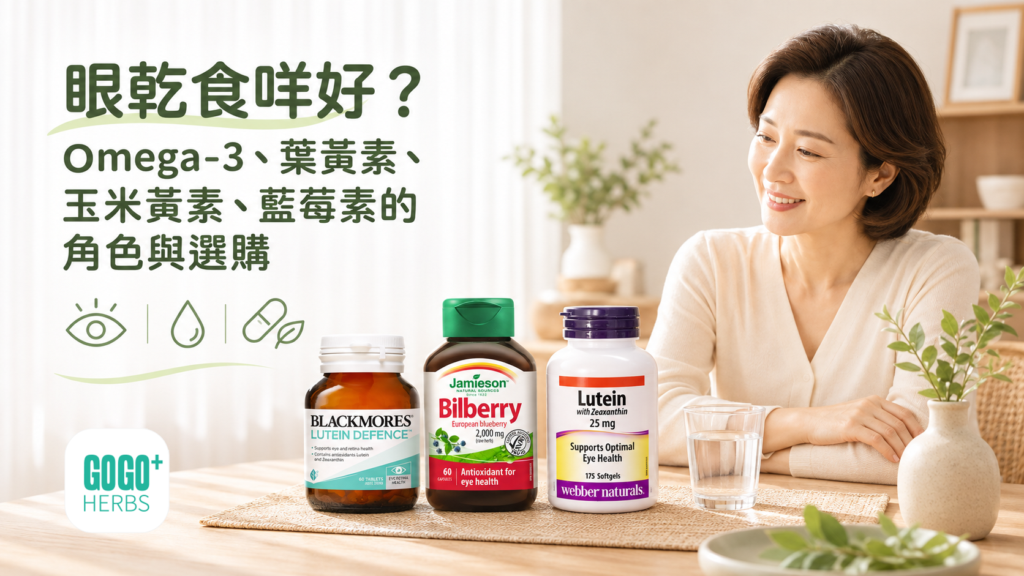
Let's answer the most practical question first: When people experience dry eyes, many immediately think of buying health supplements, but...The first step is actually to figure out why we do it.Because "dry eyes" is just a feeling, it could be due to insufficient tear production, insufficient oil in the outermost layer of the tear film (causing tears to evaporate too quickly), reduced blinking due to prolonged screen time, or even immune system disorders or medication effects. Different causes require completely different treatments.
This article will first explain the three-layer structure of the tear film—understanding this will help you understand why Omega-3, lutein, zeaxanthin, and blueberry extract are used in the market. Then it will discuss five key numbers to consider when purchasing supplements, and finally explain when you should see a doctor instead of buying health products.
Dry eyes are not necessarily caused by "insufficient moisture": First, understand the three layers of the tear film.
The surface of the eyeball has a thin tear film that is responsible for keeping the cornea moist, maintaining optical clarity, supplying oxygen, and washing away foreign objects. The Hong Kong Ophthalmological Society points out that this tear film is composed of three layers. If any layer is insufficient in secretion or unevenly distributed, the eyes will experience dryness, a foreign body sensation, stinging, or temporary blurred vision.
| level | Location | From where is it secreted? | Main function |
|---|---|---|---|
| oil layer | outermost layer | Secretory glands on the edge of the eyelid | To prevent moisture evaporation and maintain tear film surface tension |
| water layer | Intermediate layer | Lacrimal gland | The main component of tears supplies nutrients to the cornea. |
| Mucus layer | Innermost layer | conjunctival cells | This allows tears to adhere to the corneal surface and be evenly distributed. |
Source: Hong Kong Ophthalmological Society "Dry Eye Syndrome" data.
Why is this structure important?
Many people believe that dry eyes are simply due to "insufficient moisture," so they frantically use artificial tears, only to find their eyes dry out again quickly. The reason might be a problem with the lipid layer—insufficient oil causes tears to evaporate too quickly, making it impossible to retain moisture no matter how much you add. In this case, the treatment should focus on addressing the oil secretion at the eyelid margins, rather than continuously adding water.
This also explains why eye care formulas on the market usually contain more than one ingredient: different ingredients target different layers of the tear film or different tissues in the eye. Understanding this logic is more useful than memorizing which brand it is.
Common causes, and why they are more pronounced in autumn and winter.
The Hong Kong Ophthalmological Society lists the following causes of dry eye:
- As you get older—Tear production decreases with age, and is more likely to occur in women after menopause, possibly due to hormonal changes.
- Immune system diseases—Some people, in addition to dry eyes, also experience dry mouth and rheumatoid arthritis, a condition medically known as Sjögren's Syndrome. This type of case must be diagnosed by a doctor.
- Long-term contact lens wear—Uneven tear distribution, or damage to tear secretion cells.
- Trachoma or chronic conjunctivitis—It will also affect tear secretion cells.
Several other common factors in daily life include: prolonged use of electronic screens leading to reduced blinking frequency, being in dry or air-conditioned environments, lack of sleep, and the effects of certain medications (such as antihistamines and some antihypertensive drugs).
Why is it more serious in autumn and winter?
There are two main reasons: firstly, the drop in temperature and humidity accelerates tear evaporation; secondly, indoor heating or fan heaters further dries the air. One of the recommendations from the Hong Kong Ophthalmological Society is to increase indoor humidity as much as possible when using heating systems in winter. This is the most direct and cost-effective solution, more immediate than buying any supplements.
To learn more about eye care in autumn and winter, please read more:Autumn/Winter Eye Care Guide: Four Nutrients, Product Specifications Comparison, and Safe Dosage of Vitamin A
The role of four eye-protecting ingredients in the formula
The following explains the placement of four common ingredients in the formula. It's important to clarify first: these are dietary supplement ingredients, not medications, and should not be used to diagnose, treat, or prevent any disease. If dry eyes persist or significantly impact your daily life, you should consult a doctor.
Omega-3 (fish oil)
Omega-3 is a long-chain polyunsaturated fatty acid, with EPA and DHA as its main members. It is a type of lipid—and the outermost oily layer of the tear film is composed of lipids. This is the structural reason why Omega-3 is often included in eye care formulations.
When choosing fish oil, you shouldn't look at "how many milligrams of fish oil," but rather... Actual content of EPA and DHAProducts labeled "1000 mg fish oil" may contain only 300 mg of EPA + DHA, or they may contain 700 mg, a significant difference. Also, pay attention to whether the label indicates molecular distillation or purification, and whether there is third-party purity certification.
Lutein and Zeaxanthin
Both are carotenoids, naturally found in dark green vegetables (spinach, kale) and egg yolks, and cannot be synthesized by the human body. They are characterized by their concentration in the macula of the retina, forming "macular pigment." A physical property of macular pigment is its absorption of high-energy, short-wavelength light (commonly known as blue light), an optical fact.
The relationship between the two is one of partnership rather than substitution: the proportion of natural deposits in the macula is approximately... 5 to 1(Lutein is different from zeaxanthin). Therefore, when purchasing, you should look at both, not just lutein. Many products on the market only list lutein content and not zeaxanthin, which usually means that it is not added or is present in very small amounts.
Blueberry extract / Bilberry (anthocyanin)
Bilberries contain anthocyanins, which are antioxidants. When purchasing, you should look for...Standardized anthocyanin contentIt refers to the total weight of the blueberry extract, not the total weight of the blueberry extract. For example, if it says "100 mg of blueberry fruit extract (25% anthocyanins)," the actual anthocyanin content is 25 mg. If it only says "100 mg of bilberry extract" without specifying the percentage, you cannot know how much anthocyanin is in it.
Why are these four often paired together?
Because they each correspond to different parts and functions: Omega-3 corresponds to lipid structures, lutein and zeaxanthin correspond to the macula, and anthocyanins are antioxidants. This is why most eye care formulas on the market are compound formulas, rather than single-ingredient ones—one capsule covers several areas, saving the trouble of taking them separately.
However, compound products come at a cost: the dosage of each ingredient is usually lower than that of single-ingredient products. Therefore, when purchasing, you should check each ingredient individually, rather than just looking at the number of ingredient names on the packaging.
Five numbers to consider when making a purchase
1. The ratio of lutein to zeaxanthin
Check if the ratio of lutein to zeaxanthin is close to 5:1. A common formula is 10 mg of lutein to 2 mg of zeaxanthin (exactly 5:1). This ratio comes from formulation designs used in large-scale ophthalmic studies and is the most frequently cited reference in the industry. If a product only lists lutein and doesn't mention zeaxanthin at all, be wary.
2. Free form or esterified form
Lutein is listed in two ways on the label:Free Lutein與Lutein EsterThe free form of lutein is directly absorbed; lutein esters need to be broken down in the body first, are more stable but require an additional conversion step. If the label says "lutein esters," the actual lutein equivalent is about half of that, so be careful when making conversions.
Some products will indicate the name of the patented ingredient (such as FloraGLO®, Lutemax 2020™), which means that the source of the ingredient is traceable and usually comes with more clinical research background.
3. Actual milligrams of EPA and DHA
Don't just look at the "number of milligrams of fish oil," look at the amounts of EPA and DHA. These two numbers directly determine your actual intake per capsule. If the product only lists "Omega-3 900 mg" without specifying the exact amount, contact customer service.
4. Standardized percentage of anthocyanins
Bilberry or blueberry extracts should specify the anthocyanin content (e.g., 25%). Without a percentage, comparisons are impossible.
5. Daily dose and dosage form
The same 60-capsule pack provides enough for two months with one capsule daily, or only 20 days with three capsules daily. When comparing prices, you should convert to "daily cost," not just look at the price listed on the bottle. Also, pay attention to the capsule material—most softgels use gelatin, so vegetarians should choose a different option.
Product Specifications Comparison
The following three products represent three different approaches: a standard-dose lutein formula, a high-dose lutein formula, and a pure anthocyanin formula. Specifications are compiled according to the brand's publicly disclosed information; please refer to the product page and packaging label for accurate information before purchasing.
| project | Blackmores Lutein Serum | Vebogen High Potency Lutein | Jamieson Eye Care Concentrated Bilberry |
|---|---|---|---|
| Specification | 60 pieces | 175 soft capsules | 60 vegetarian capsules |
| Daily serving | 1 slice, with meal | 1 capsule, taken with meals. | 1 pill |
| Lutein | 10 mg | 25 mg | — |
| Zeaxanthin | 2 mg | 5 mg | — |
| Lutein: Zeaxanthin | 5 : 1 | 5 : 1 | — |
| anthocyanin | — | — | Approximately 9 mg (25 mg of bilberry 80:1 extract, standardized 36% anthocyanins, equivalent to 2,000 mg of the original fruit). |
| vegetarian diet | Please confirm the capsule material with customer service. | No (gelatin) | Yes (vegetarian capsules) |
| One bottle can be used | Approximately 60 days | Approximately 175 days | Approximately 60 days |
| Product Link | View Lutein Essence | View potent lutein | View Bilberry Extract |
What are the differences between the three models?
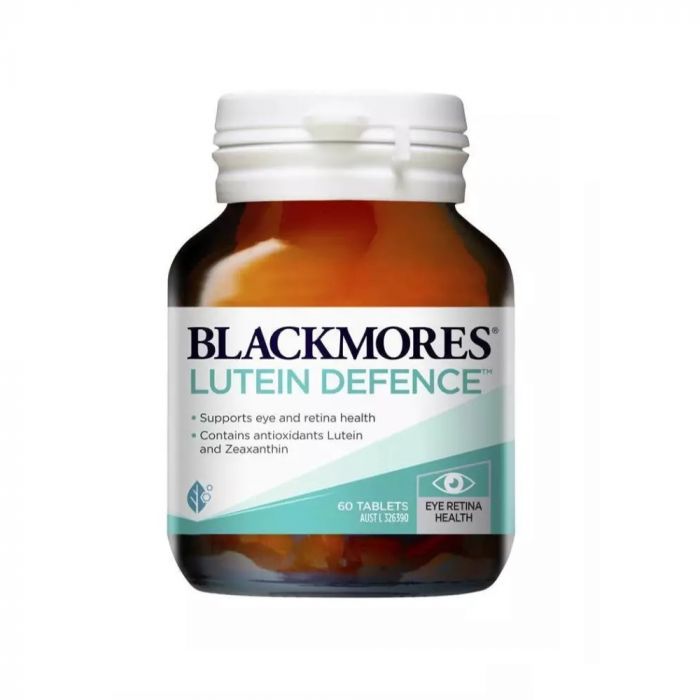
Blackmores Lutein SerumStandard dosage: 10 mg lutein to 2 mg zeaxanthin, a perfect 5:1 ratio, one tablet daily. The formula is very simple, containing no anthocyanins. Suitable for daily maintenance, or for those just starting supplementation who don't want to take multiple ingredients at once.
Vebogen High Potency LuteinMaintaining the same 5:1 ratio, but with 2.5 times the dosage: each capsule contains 25 mg of lutein and 5 mg of zeaxanthin, both extracted from marigolds. 175 capsules per bottle; one capsule daily lasts approximately six months. Labeled as sugar-free, gluten-free, dairy-free, and free of artificial additives. Gelatin softgels; not suitable for vegetarians.

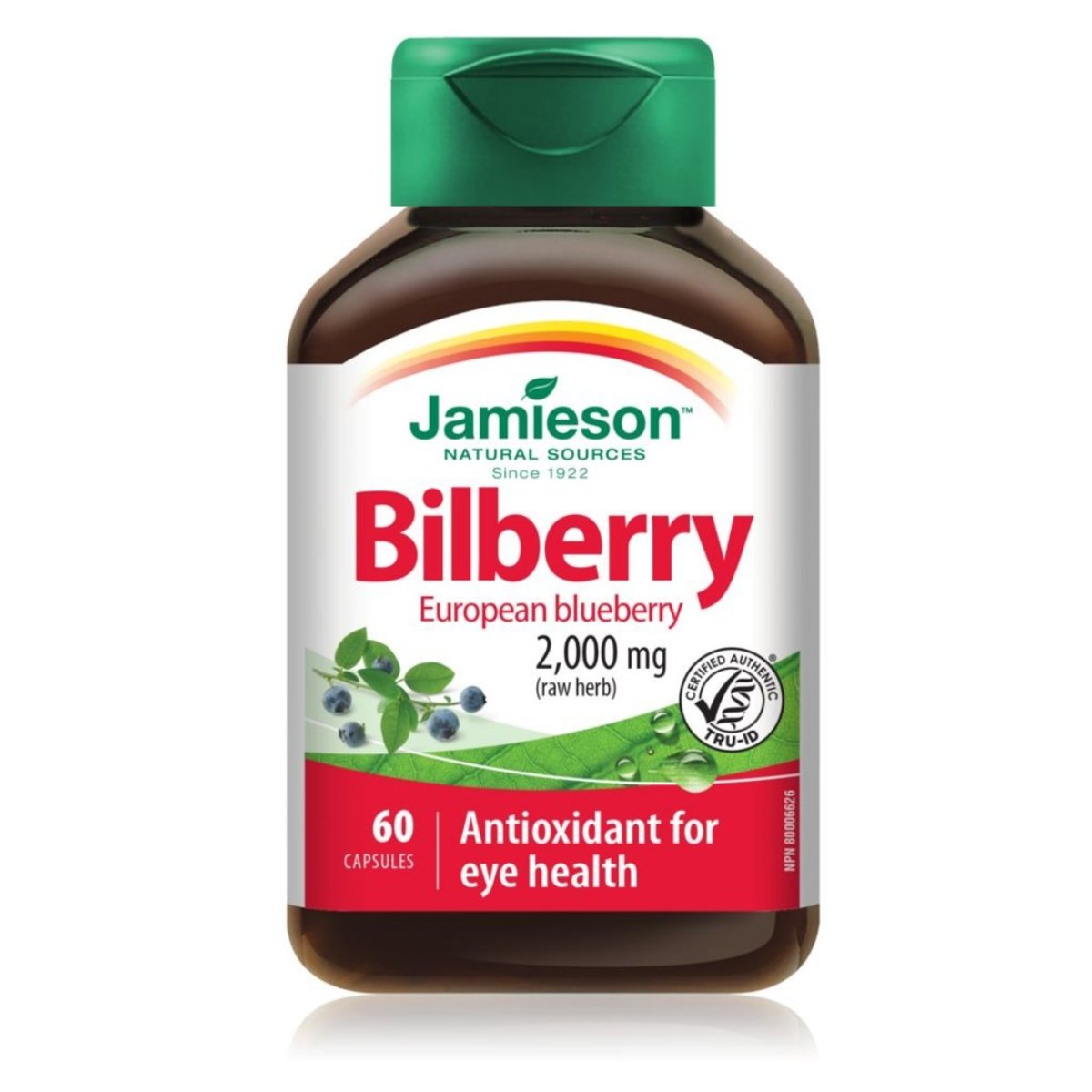
Jamieson Eye Care Concentrated BilberryFocusing on pure anthocyanins: 80:1 high concentration, each capsule contains 25 mg of standardized 36% anthocyanins (approximately 9 mg), equivalent to 2,000 mg of whole fruit. Made in vegan capsules, free of salt, starch, gluten, lactose, and artificial additives. Lutein-free, suitable for vegetarians or those already supplementing with lutein.
Regarding Omega-3
The three products listed above all focus on lutein, zeaxanthin, and anthocyanins, but do not contain Omega-3. It is rare to find a formula on the market that combines high-dose Omega-3 and lutein in the same capsule, so many people supplement them separately: one capsule of lutein formula and another capsule of fish oil or algae oil.
If you plan to supplement with fish oil, remember to check the following when purchasing: mg of EPA and DHAInstead of "how many milligrams of fish oil". For example, a product labeled as having 1,000 milligrams of fish oil may only contain 300 milligrams of EPA plus DHA, or it may contain 700 milligrams.
Precautions
- Blackmores Lutein SerumPregnant women and breastfeeding women should consult a doctor before taking this product. Take one tablet daily with meals.
- Vebogen High Potency Lutein—Take one capsule daily with a meal. Gelatin soft capsules (contains carmine and titanium dioxide). Not suitable for vegetarians. Keep out of reach of children.
- Jamieson Eye Care Concentrated Bilberry—The ingredients are relatively simple, and no special contraindications are listed. Store in a cool place, out of reach of children. Vegetarian capsules.
All three are dietary supplements and are not registered under the Pharmacy and Poisons Ordinance or the Chinese Medicine Ordinance. They are not intended for the diagnosis, treatment, or prevention of any disease. Pregnant women, breastfeeding mothers, those taking medications, or those with other health problems should consult a doctor or pharmacist before use.
If you would like to compare other eye care products, please refer to...Eye health sectionPlease refer to the product page for actual selling price, inventory, and discounts.
Four things you can do every day
Instead of relying solely on supplements, the following methods often provide more immediate relief for dry eyes, and at zero cost.
- 20-20-20 rules—Every 20 minutes of screen time, look at something 20 feet (about 6 meters) away for 20 seconds. This is the most effective way to interrupt prolonged screen time and remind yourself to blink fully. When looking at a screen, blinking often only partially, and the tear film cannot fully spread.
- Increase indoor humidityThis is especially important when using heating in winter, and the Hong Kong Ophthalmological Society explicitly recommends this practice. Also, avoid having cold or warm air blowing directly on your face.
- Do not wear contact lenses for too long— Replace as instructed, and allow your eyes to rest if permitted.
- Use artificial tearsThis is symptom management, not addressing the underlying cause. If frequent use is required (e.g., more than four times a day), consult a doctor to understand the underlying reason, rather than increasing the dosage on your own.
When should I see a doctor?
Dry eyes are common, but there are some conditions that should not be treated at home. The following suggestions are for seeking medical attention as soon as possible:
- Sudden change in vision—Including sudden blurring, visual impairment, seeing flashes of light, or a large number of flying mosquitoes.
- Severe eye painIt may be accompanied by headache, nausea, and vomiting.
- Eyes are noticeably red and swollen with increased discharge.Or severe photophobia.
- Dry eyes accompanied by dry mouth and joint pain—It is necessary to rule out immune system problems such as Scheringer syndrome.
- Persistent dry eyes and its impact on daily lifeOr, no improvement was observed after using artificial tears.
- After an eye injury or surgeryDryness occurs.
Doctors will determine if it is dry eye syndrome through examination. The Hong Kong Ophthalmological Society mentions that the Schirmer's test is the most commonly used diagnostic method. After identifying the cause, the treatment may involve artificial tears, increasing ambient humidity, blocking the caruncle pores to prolong tear retention time, or further evaluation for immune system problems—all of which require the doctor's judgment.
If dry eyes are only occasional and related to excessive eye strain or a dry environment, adjusting lifestyle habits is usually sufficient. Health supplements can be used as a nutritional supplement, but they are not a replacement solution.
Frequently Asked Questions
1. Is lutein helpful for dry eyes?
It's important to distinguish the location. Lutein and zeaxanthin are concentrated in the macula of the retina, forming macular pigment; while dry eye involves the tear film on the surface of the eyeball. These are different areas. If your concern is macular nutrition, these two are related components; if the dryness is caused by tear film instability, the focus should be on identifying which layer is malfunctioning. In either case, the cause should be determined first.
2. Does Omega-3 help with dry eyes?
Omega-3 is a type of lipid, and the outermost oily layer of the tear film is composed of lipids, which is the structural reason for its inclusion in eye care formulations. However, it's important to understand that it's a dietary supplement, not a medication, and cannot be used to diagnose or treat dry eye. If dry eyes persist, a doctor should examine the cause—especially if you suspect it's related to sebum secretion or meibomian glands. A doctor can use instruments to examine these areas, which is more accurate than self-supplementation.
3. How many milligrams of lutein should I consume? Is the free form or the esterified form better?
A common formulation is 10 mg of lutein to 2 mg of zeaxanthin (5:1), with commercially available products ranging from 2 mg to 20 mg per serving. Free lutein is directly absorbed; lutein esters need to be broken down and converted in the body, offering better stability, but the actual lutein content is about half that of free lutein. Both can be chosen, but it's crucial to carefully check which one is being labeled and not to mistake the milligrams of ester for the milligrams of lutein. Lutein is fat-soluble, and taking it with meals facilitates absorption.
4. Are blueberry extract and bilberry extract the same thing?
Basically, yes. Bilberries, also known as blueberries, belong to the Ericaceae family, just like blueberries. Their main component is anthocyanins. Most products on the market labeled "blueberry extract," "bilberry extract," or "blueberry extract" refer to the same type of raw material. What you really need to look for when purchasing is...Standardized anthocyanin content—For example, "100 mg of extract (25% anthocyanins)" means that there are actually 25 mg of anthocyanins. If only the weight of the extract is listed without the percentage, it cannot be compared.
5. Should I choose eye drops or health supplements?
The two have different functions and are not mutually exclusive. Artificial tears treat symptoms, providing immediate relief; supplements are nutritional aids and cannot replace treatment. If dry eyes are so frequent that you need to use artificial tears more than four times a day, you should not try to solve the problem by increasing the frequency of eye drops or buying supplements, but rather see a doctor to find the cause. In addition, long-term contact lens wear is itself one of the causes of dry eyes. If you frequently experience dryness after wearing contact lenses, you should discuss lens selection and wearing time with an optometrist.
6. My eyes are particularly dry in autumn and winter, what should I do?
This is mainly related to humidity. As temperatures drop and humidity decreases, coupled with indoor heating, tear evaporation accelerates significantly. The most direct solutions are to increase indoor humidity, avoid direct warm air blowing on the face, and consciously blink completely. The Hong Kong Ophthalmological Society also recommends increasing indoor humidity as much as possible when using heating in winter. If discomfort persists after these measures, a doctor should be consulted.
References
Related Post:
![秋冬護眼指南:四種營養素、產品規格比較與維他命A的安全劑量]()
Autumn/Winter Eye Care Guide: Four Nutrients, Product Specifications Comparison, and Safe Dosage of Vitamin A
![男士夜尿、滴滴仔:良性前列腺增生的症狀、檢查與保健品選購]()
Nocturia and dribbling in men: Symptoms, examinations, and supplemental evidence of benign prostatic hyperplasia (BPH).
![通宵一晚,血壓會升多少?]()
Staying up late and blood pressure: How much will blood pressure rise after staying up all night on Halloween? Interpreting cardiovascular risk data.
![均衡備餐與體重管理]()
Weight Management Shopping Guide: 8 Selected Probiotics, Apple Cider Vinegar, and Herbal Formulas