



































































Here's the answer: After staying up all night, systolic blood pressure (high pressure) rises by an average of about 6 mmHg, diastolic blood pressure (low pressure) by about 3 mmHg, and heart rate increases by about 5 beats per minute. This increase is temporary and usually subsides after catching up on sleep and resting.
As for the commonly heard claim that "staying up late increases the risk of heart disease by 16%"—this figure does exist, but it doesn't refer to "staying up all night," but rather to "the cardiovascular disease risk of people with late-night sleep patterns over a follow-up period of approximately 14 years," and it's an observational study. Combining these two figures leads to exaggeration. Let's clarify them separately below.
How much does blood pressure actually rise after staying up all night?
A study published in the journal Hypertension involved 18 male technicians aged 23 to 48 who used a portable device to monitor their blood pressure, activity level, and heart rate for 24 hours, comparing the differences between two days of normal sleep (average 8 hours) and severe sleep deprivation (average 3.6 hours).
| index | Normal sleep (approximately 8 hours) | Insufficient sleep (approximately 3.6 hours) |
|---|---|---|
| Systolic blood pressure (Upper pressure) | 123 mmHg | 129 mmHg |
| Diastolic blood pressure (lower pressure) | 76 mmHg | 79 mmHg |
| Heart rate | 76 beats/minute | 81 beats/minute |
The study also found that on days with insufficient sleep, the excretion of norepinephrine in urine increased, indicating increased sympathetic nerve activity, which explains why blood pressure and heart rate both rose simultaneously.
Why is using mmHg more accurate than using percentages?
Using percentages to describe changes in blood pressure can be misleading, because the danger level of blood pressure is measured using percentages.Absolute valueThe judgment shouldn't be based on the percentage change. A rise from 123/76 to 129/79 is only about a 5% increase; however, if your baseline blood pressure was 135/88, a 6 mmHg increase would bring it to 141/91, crossing the line into hypertension. The same "6 mmHg" can have completely different meanings for two people.
A sudden spike in blood pressure due to sleep deprivation typically lasts from several hours to a day, and usually subsides after catching up on sleep. What really needs attention is...Repeatedly—If you sleep less than 6 hours a night for several days a week, your blood pressure won't have enough time to return to baseline. People already diagnosed with hypertension usually experience a more significant rise after staying up late, which may also affect the effectiveness of antihypertensive medication. They should follow their doctor's instructions and not adjust their medication on their own.
The correct way to understand "16% higher risk"
This 16% figure comes from an observational study published in the Journal of the American Heart Association (JAHA), which followed participants for approximately 14 years. The study categorized participants into "early risers," "late sleepers," and "intermediate" groups based on their self-reported sleep preferences, comparing the risk of their first heart attack or stroke among the three groups.
The result was: compared to the early riser,Night-sleeping typeIndividuals with this condition have approximately a 16% higher risk of developing cardiovascular disease or stroke. Two key points to distinguish:
- Night-night type (time type)—Long-term sleep-wake preferences refer to a biological clock that tends to go to bed late and wake up late, which is a physical tendency and not a single behavior.
- One night—A single act. It can cause an immediate rise in blood pressure, but that does not equate to a "16% higher risk".
Conflating the two leads to a conclusion that the study did not mention: "staying up all night increases the risk of heart disease by 16%."
Observational studies cannot prove causation.
The research report itself also points out that it cannot prove that a specific sleep pattern directly leads to an increased cardiovascular risk. The researchers' explanation is that night owls often experience "social jet lag"—their biological clock wants them to stay up late, but their work requires them to wake up early. This long-term conflict often leads to behaviors such as smoking, insufficient sleep, poor diet, and insufficient exercise, which are the main sources of risk. The study indicates that the increased risk is most strongly associated with smoking and insufficient sleep.
in other words:You don't need to force yourself to become an early riser, but you do need to manage sleep deprivation and other risk factors.The former is difficult to change, while the latter can be changed—this is the conclusion of the same group of researchers, and they are not pessimistic.
Blood pressure classification for adults in Hong Kong
To know if your blood pressure is normal, you first need a measuring tape. The following is the blood pressure classification for adults (18 years or above) cited by the Hong Kong Department of Health.
| Blood pressure classification | Systolic blood pressure (maximum blood pressure, mmHg) | Diastolic blood pressure (mmHg) | suggestion |
|---|---|---|---|
| Ideal blood pressure | Below 120 | and below 80 | Have a check-up in two years (once a year for those over 75). |
| Normal blood pressure | 120 to 129 | and 80 to 84 | Check again after one year |
| High-normal blood pressure | 130 to 139 | Or 85 to 89 | Check again in six months |
| High blood pressure | 140 or above | Or 90 or above | Consult your family doctor as soon as possible |
Why "high-normal values" also warrant attention
"High-normal blood pressure" is not hypertension, but it is a warning sign—it means that blood pressure is already higher than the ideal range. If lifestyle habits do not change, the chance of developing hypertension in the future is higher. Medication is usually not needed at this stage, but lifestyle adjustments are required: reduce salt intake, control weight, exercise regularly, quit smoking and limit alcohol consumption, and manage stress and sleep.
Regarding local data, the Department of Health's 2020-2022 Population Health Survey showed that the prevalence of hypertension among people aged 15 to 84 in Hong Kong was 29.5%, and reached 57.4% in the 65 to 84 age group. Hypertension often has no obvious symptoms in its early stages, which is why it is recommended that adults measure their blood pressure regularly.
How to measure accurately
To understand the actual impact of staying up late on your blood pressure, measure it every morning within one hour of waking up, after urinating, and before breakfast. Before measuring, sit quietly for 5 minutes with your feet flat on the ground and your arms at heart level. Avoid measuring immediately after drinking coffee, smoking, or experiencing emotional excitement. Record the readings for several consecutive days instead of just once. A single high reading does not necessarily mean high blood pressure; diagnosis requires multiple measurements taken on different days and evaluation by a doctor.
Three pathways through which sleep deprivation affects the cardiovascular system
1. The pattern of nighttime blood pressure drop is disrupted
Normally, blood pressure drops during sleep at night compared to the daytime, allowing the cardiovascular system to rest. Insufficient sleep or interrupted sleep weakens this drop, a condition clinically known as "non-dipping blood pressure," which is long-term associated with an increased risk of cardiovascular events. This phenomenon requires assessment using 24-hour ambulatory blood pressure monitoring and cannot be determined from a single outpatient measurement.
II. Sustained excitation of the sympathetic nervous system
Sleep deprivation keeps the sympathetic nervous system constantly active, increasing the secretion of stress hormones such as cortisol. The aforementioned study observed increased norepinephrine excretion in the urine of sleep-deprived individuals, providing direct evidence of this. The practical effects include a faster heartbeat, colder hands and feet, and in some cases, palpitations or anxiety. Chronic sleep deprivation is also associated with decreased insulin sensitivity, and glucose metabolism is linked to cardiovascular health.
III. Increased myocardial oxygen consumption
A faster heartbeat and vasoconstriction mean the heart is doing more work per minute. Lack of sleep prevents the heart from entering its lower-workload state at night, leaving the heart muscle at a higher oxygen-consuming level for an extended period. For healthy individuals, the effects of staying up all night are usually short-lived; however, for those with pre-existing coronary artery disease, this extra workload can trigger chest tightness or chest pain.
Situations requiring immediate medical attentionIf you experience persistent chest pain, significant palpitations, difficulty breathing, fainting, or severe headaches after staying up late, do not wait; seek medical attention immediately.
Four things you can do when you can't avoid staying up all night.
Shift work, overtime, caring for family—some all-nighters are truly unavoidable. The focus of the following four things is on minimizing harm, not pretending it doesn't exist.
1. Taking breaks to catch up on sleep is better than taking a full nap at once.
The day after pulling an all-nighter, instead of sleeping until the afternoon, it's better to divide your sleep into two parts: first, sleep for 90 minutes to 2 hours (one complete sleep cycle), then get up, move around, eat, and then sleep for another 1 to 2 hours. This way, you're less likely to disrupt your bedtime that night and avoid creating a vicious cycle of "late to bed and late to rise." A 20-minute nap during an all-nighter can help temporarily restore alertness, but don't exceed 30 minutes, otherwise you'll feel even more groggy when you wake up.
2. Avoid the accumulation of factors that increase pressure during overnight shifts.
The effects of staying up late are often amplified by other behaviors that occur simultaneously:SmokingIt causes blood vessels to constrict and heart rate to increase;Excessive caffeine(It is recommended to stop 6 hours before bedtime);High-salt late-night snackSuch as instant noodles, pickled foods, and processed meats;AlcoholIt can fragment the sleep structure and reduce the rate of blood pressure drop at night.
3. Drink water in small amounts frequently, rather than in large amounts at once.
Staying up all night can easily lead to dehydration and increased blood viscosity. It is recommended to drink small amounts of water frequently. People with heart or kidney disease who need to restrict their fluid intake should follow their doctor's instructions.
4. Avoid high-intensity exercise immediately after staying up all night.
Insufficient sleep can affect blood pressure regulation and heart rate response. High-intensity training after staying up all night places a greater burden on the cardiovascular system than usual. It is recommended to switch to light activities such as walking or stretching, and resume the original intensity once sleep returns to normal. Individuals with pre-existing cardiovascular disease should consult their doctor first.
Positioning of related nutritional supplements
Some ingredients in products on the market are often discussed in conjunction with cardiovascular health. Below is a summary of the actual specifications of three products, but first, let's clarify one thing:
These are dietary supplements, not medications. They cannot treat or prevent high blood pressure, heart disease, or stroke, nor can they replace blood pressure medication.If you are taking blood pressure medication or blood thinning medication, you must consult your doctor before starting any supplements—this is not a disclaimer, but a real risk of interaction.
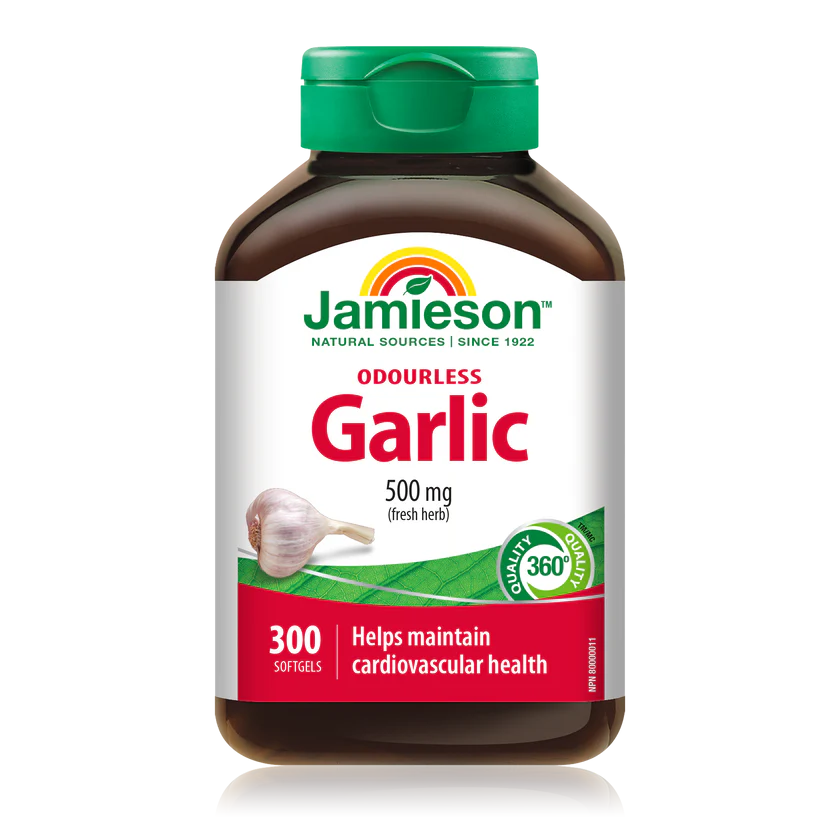
| project | Jamieson Odorless Garlic | Organika Green Tea Extract | Vebegen Omega-3 + CoQ10 |
|---|---|---|---|
| Specification | 300 soft capsules | 60 vegetarian capsules | 80 enteric-coated soft capsules |
| Key ingredients per serving | 5 mg of garlic powder (100:1) extract is equivalent to 500 mg of raw garlic. | Green tea dried leaf extract 300 mg (standardized to contain 50% EGCG) | Fish oil concentrate 1407 mg, containing 900 mg Omega-3 (600 mg EPA, 300 mg DHA) and 100 mg Coenzyme Q10. |
| Recommended serving size | Adults take 2 capsules daily | Adults take 1 capsule daily with meals. | Adults take 1 capsule daily |
| vegetarian | No (gelatin soft capsules) | Yes (vegetarian capsules) | No (gelatin soft capsules) |
| Certification/Features | No starch, gluten, lactose, or artificial additives. | Gluten-free, non-GMO; approximately 0.06 mg of caffeine per capsule. | IVO certified; purified by molecular distillation; no fishy odor |
| Product Link | View garlic capsules | View green tea extract | View Omega-3 + CoQ10 |


Precautions for each of the three products
- Garlic capsules—Pregnant women, people with diabetes, or those taking blood thinning medications or protease inhibitors should consult a healthcare professional before use. Garlic has a mild anticoagulant effect, so caution should be exercised when using it with blood thinning medications.
- Green tea extract—Consult a doctor before use if you are pregnant or breastfeeding, have iron deficiency, or have liver disease. If you experience yellowing of the skin or eyes, stomach pain, dark urine, sweating, nausea, unusual fatigue, or loss of appetite, discontinue use and seek medical attention. Consult a healthcare professional if using continuously for more than 12 weeks.
- Omega-3 + CoQ10—Pregnant or breastfeeding women, or those taking blood thinning or blood pressure medication, should consult a doctor before use. Omega-3 at high doses may prolong bleeding time; coenzyme Q10 has a structure similar to vitamin K and may affect the effectiveness of anticoagulants (such as warfarin).
Regarding the claim of "clearing blood vessels"
The market commonly uses promotional terms like "cleansing blood vessels" and "unblocking blood vessels." From a medical perspective, atherosclerotic plaques in blood vessels will not dissolve or be cleared by taking any oral supplements. Existing plaques need to be evaluated by a doctor and treated with medication or interventional therapy. It is reasonable to understand supplements as "daily nutritional supplements"; however, understanding them as "cleansing blood vessels" is a misunderstanding and may delay seeking medical attention.
For comparison with other cardiovascular-related products, please refer to...Cardiovascular Health ZonePlease refer to the product page for actual selling price, inventory, and discounts.

Frequently Asked Questions
1. How much will your blood pressure rise if you stay up all night?
Studies using 24-hour ambulatory monitoring showed that after sleep decreased from approximately 8 hours to 3.6 hours, the average systolic blood pressure the following day increased from 123 to 129 mmHg (an increase of about 6 mmHg), diastolic blood pressure increased from 76 to 79 mmHg (an increase of about 3 mmHg), and heart rate increased from 76 to 81 beats per minute. The increase is usually temporary and mostly subsides after catching up on sleep. The increase is often more pronounced in individuals diagnosed with hypertension, and they should follow their doctor's instructions.
2. Is it true that "staying up late increases the risk of heart disease by 16%"?
The figures come from real research but are often misinterpreted. This study compared "night owls" and "early risers," and after approximately 14 years of follow-up, found that night owls had about a 16% higher risk of cardiovascular disease or stroke. It discusses long-term sleep patterns, not the immediate risk of "staying up all night," and as an observational study, it can only show an association, not prove causation. The study also indicated that the increased risk was most strongly associated with smoking and insufficient sleep, which can be changed.
3. Can catching up on sleep on weekends offset the effects of staying up late on weekdays?
It can only partially compensate, not completely offset. Catching up on sleep can help improve subjective fatigue and some metabolic indicators, but it cannot completely reverse the effects of repeated sleep deprivation on blood pressure regulation and the sympathetic nervous system. A more practical approach is to try to maintain a consistent bedtime and wake-up time each day. If you go to bed late on weekdays and wake up late on weekends, it will actually exacerbate "social jet lag."
4. What time of night is considered staying up late?
There is no single time that applies to everyone. The criteria for judgment are twofold: whether the amount of sleep is sufficient (most adults need 7 to 9 hours), and whether the sleep schedule is regular. If you consistently go to bed at 2 a.m. and wake up at 10 a.m., and the amount of sleep is sufficient and regular, the impact may not be significantly different from going to bed early and waking up early; however, if your biological clock makes you want to go to bed late but you have to wake up at 7 a.m. every day, this will create a social time difference in the long run.
5. Do I need to see a doctor if I experience a rapid heartbeat and palpitations after staying up late?
Occasional brief heart palpitations after staying up all night, which subside with rest, are usually related to sympathetic nervous system excitation. However, you should seek medical attention as soon as possible if: heart palpitations persist without relief, are accompanied by chest pain or tightness, difficulty breathing, dizziness or fainting, or a significantly irregular heartbeat. People diagnosed with arrhythmia or heart disease should consult a doctor as soon as possible, even if their symptoms are mild.
6. Is a blood pressure of 130/85 considered high?
According to the Department of Health's classification, a systolic blood pressure of 130 to 139 mmHg or a diastolic blood pressure of 85 to 89 mmHg is considered "high-normal blood pressure," meaning it is above the ideal range but does not meet the hypertension standard (140/90 or above). Medication is usually not needed at this stage, but it is a warning sign, and it is recommended to have another check-up after six months, while simultaneously adjusting lifestyle habits. A single reading is insufficient for diagnosis; multiple measurements taken on different days are necessary.
7. How can people working in shifts reduce the impact?
The core challenge is maintaining a consistent work-rest schedule. Possible solutions include: trying to stick to the same shifts as much as possible (reducing frequent shift changes), creating a dark and quiet environment to help you fall asleep after work, avoiding excessive caffeine and high-sodium foods during work hours, and regularly monitoring your blood pressure. If your company has shift rotations, clockwise rotations are usually easier to adapt to than counter-clockwise rotations. People with chronic illnesses or cardiovascular diseases should discuss the impact of shift rotations on their condition with their doctor.
8. Can eating garlic, green tea extract, or Omega-3 lower blood pressure?
If you have been diagnosed with hypertension, the correct approach is to take medication as prescribed by your doctor and have regular check-ups. If you are considering taking supplements at the same time, you must consult your doctor first, as garlic and Omega-3 can both affect blood clotting.
9. Should blood pressure be measured on the left or right arm?
It is generally recommended to measure both arms for the first time, and then consistently measure the arm with the higher reading thereafter. The arm should be at the same level as the heart, and both feet should be flat and not crossed. Sit quietly for 5 minutes before measuring. If the readings from both arms differ by more than 10 mmHg, inform your doctor for further evaluation. For home measurements, it is recommended to use a certified upper arm electronic blood pressure monitor.
References
- Tochikubo O, et al. Effects of insufficient sleep on blood pressure. Hypertension. 1996;27(6):1318-1324.
- Department of Health's "Non-Communicable Disease Focus": Hypertension - Key Facts and Prevention Actions (May 2025)
- Department of Health Elderly Health Services: Hypertension
- Jamieson official product information: Odourless Garlic 500 mg
- Organika Official Product Information: Green Tea Extract
- Webber Naturals official product information: Omega-3 with CoQ10 Triple Strength
The study on late-night sleep patterns and cardiovascular risk, published in the Journal of the American Heart Association, is an observational study. The relevant figures are those contained in the research report, and this article cites them as they are, without making any causal inferences.
Related Products:
-
Sale!

Webber Naturals – Triple Strength Omega-3 (900mg EPA / DHA) 200 capsules Value Pack
Original price was: $398.00.$298.00Current price is: $298.00. Add to basket -
Sale!

Kirkland Signature – Omega-3 Ultra Concentrated Deep Sea Fish Oil Capsules 1300mg 330 Capsules
Original price was: $350.00.$298.00Current price is: $298.00. Add to basket -
Sale!

Vebogen – Omega 3 & Coenzyme Q10 & Phytosterols 200 Capsules
Original price was: $290.00.$245.00Current price is: $245.00. Add to basket -
Sale!

Webber Naturals – Omega-3 Mini Fish Oil Capsules 300mg 220 Softgels
Original price was: $198.00.$168.00Current price is: $168.00. Add to basket
Related Post:
![秋冬護眼指南:四種營養素、產品規格比較與維他命A的安全劑量]()
Autumn/Winter Eye Care Guide: Four Nutrients, Product Specifications Comparison, and Safe Dosage of Vitamin A
![眼乾食葉黃素有用嗎?」「秋冬天眼乾特別嚴重,點算?]()
What foods are good for dry eyes? The roles and selection of Omega-3, lutein, zeaxanthin, and blueberry extract.
![男士夜尿、滴滴仔:良性前列腺增生的症狀、檢查與保健品選購]()
Nocturia and dribbling in men: Symptoms, examinations, and supplemental evidence of benign prostatic hyperplasia (BPH).
![均衡備餐與體重管理]()
Weight Management Shopping Guide: 8 Selected Probiotics, Apple Cider Vinegar, and Herbal Formulas