
















































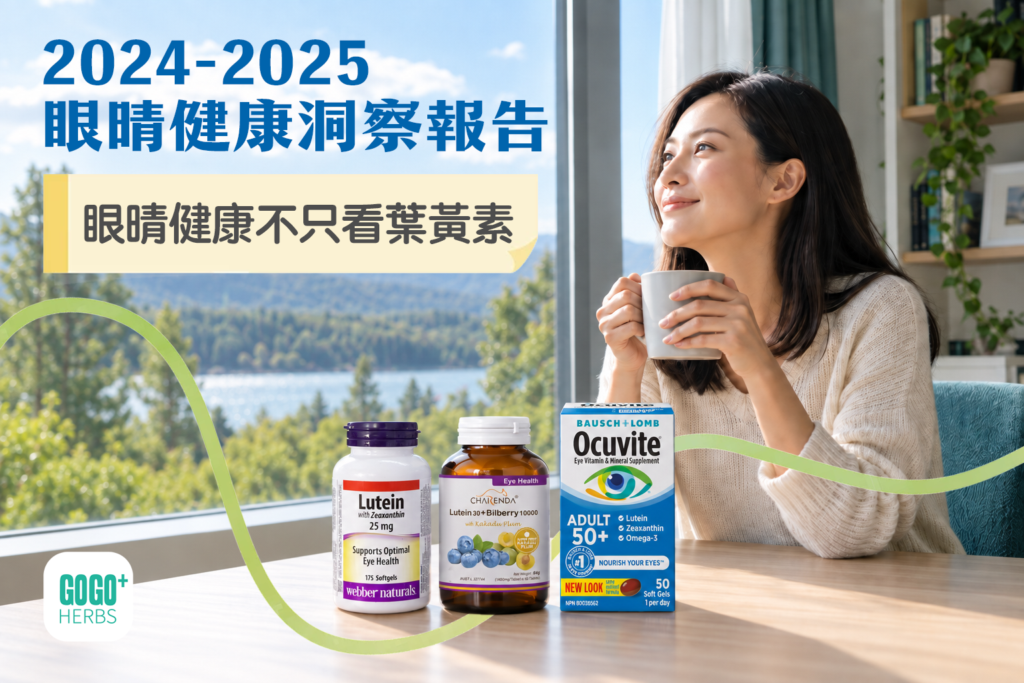
Opening the "Eye Health" category, readers might easily assume that every product answers the same question. In reality, the 98 publicly analyzed products span a wide range, including lutein and zeaxanthin, blueberry and bilberry, Omega-3 and DHA, children's and 50+ multivitamins, as well as other vitamins and minerals. Their main ingredients, labeling units, daily serving sizes, target users, and safety considerations differ.
This report uses products listed on the GogoHerbs Eye Health category page as of September 20, 2026, categorized by "Best Seller" as the basis, connecting to the original in-store transactions for the entire years of 2024 and 2025. The backend first analyzed all 98 valid products to determine the category structure and demand patterns. For publicly available product transactions, only the top 8 products on the comparison page were named, and official data from the Hong Kong Department of Health, Hospital Authority, and Centre for Food Safety were added to bring "eye care products" back to their real-world usage scenarios: myopia and screen habits in school children, prolonged screen time in adults, warning signs of eye diseases in the elderly, diabetic retinopathy examinations, and daily diet and label reading.
These figures only reflect in-store transactions at GogoHerbs and do not represent overall market share in Hong Kong, eye disease incidence rates, product efficacy, or government recommendations.
Read the four findings first
- The category page has two layers of products. Of the 98 products, only 39 explicitly mention eye care, eyes, macular degeneration, lutein, blueberry, or bilberry in their names; the remaining 59 are fish oil, multivitamins, or other extended products. Their appearance on the same page does not necessarily indicate identical functions.
- In 2025, revenue will be mainly driven by extended nutrition. Extended nutrition accounted for 78.11 TP4T of sales in the category of 2025; among them, Omega-3/DHA and fish oil accounted for 76.41 TP4T. This is the category and purchase structure, not a ranking of eye care efficacy.
- Publicly traded items are concentrated in the first 8 items on the page. The category page order reflects the current entry point of the website, while historical transactions come from the entire year; the article only names and compares the performance of the first 8 items over two years, and does not list the remaining products or products without transactions in the public performance table.
- The real first step usually comes before product comparison. School children should first increase their outdoor time and undergo vision assessments; those who spend long hours looking at screens should take breaks, adjust their distance, and blink more frequently; if they experience sudden vision loss, eye pain, halos, or a large number of floaters, they should seek medical attention as soon as possible rather than buying supplements.
I. The same category actually contains two levels of products.

| Classification hierarchy | Number of styles | SKU percentage | 2025 Commodity Sales Share |
|---|---|---|---|
| Eyes clearly named | 39 | 39.8% | 21.9% |
| Extended nutrition | 59 | 60.2% | 78.1% |
"Specifically named for eye use" is merely a product positioning category and does not imply that every product has the same formula or equivalent evidence; "Extended nutrition" does not mean that the product has no other daily nutritional uses. The purpose of this categorization is to remind readers to first identify what they are comparing before looking at the ingredients and price.
For example, with lutein/zeaxanthin products, it's important to compare the labeled amount per serving rather than per capsule, whether the formula contains additional vitamins or minerals, the daily recommended dosage, and the target population. For fish oil, look at the EPA and DHA per serving, not just the "total milligrams of fish oil." For children's or 50+ multivitamins, check for overlap with existing multivitamins. Sort all products solely by price or name, as this will mix up different issues.
Second, address three real-world eye-use scenarios.
Scenario 1: Schoolchildren's myopia, screen time, and outdoor activities
The Department of Health's Student Health Service's "2024/25 Academic Year Annual Health Report" shows that among the students present, 46.81 students (TP4T) were wearing glasses, 10.21 TP4T did not wear glasses but failed the vision test, and 17.31 TP4T required further evaluation due to vision problems. The health questionnaire also showed that 60.61 TP4T spent two hours or more using electronic screens for entertainment on regular school days. The official recommendation is for children to spend at least two hours outdoors daily.
These figures, along with the categories of children's DHA, lutein gummies, or multivitamin products, help parents prioritize: outdoor activities, managing screen time, vision assessments, and myopia monitoring before considering daily nutritional supplements. In-store products cannot replace eye exams, glasses, or myopia control.

Scenario 2: Adults experiencing dry eyes and fatigue after prolonged screen time
The Department of Health's 20-20-20 eye protection guidelines recommend looking at something at least 20 feet away for 20 seconds every 20 minutes of screen time. The 30-40-50 rule suggests maintaining a distance of at least 30, 40, and 50 centimeters between smartphones, tablets, and computers, respectively. For people who use screens for extended periods of time for work or entertainment, rest, distance, blinking, lighting, and appropriate vision correction are usually more important to address than simply chasing after the term "anti-blue light."
If you still want to compare products, you should first define your product category: lutein formulas, blueberry/bilberry, fish oil, or multivitamins are not the same thing. Then check the ingredients, daily dosage, allergens, existing medications, and monthly cost for each serving. Don't take a product name as a guarantee of relieving dry or tired eyes.
Scenario 3: Warning Signs of Elderly People, Diabetes, and Eye Disease
The Department of Health's Elderly Health Service points out that the incidence of age-related macular degeneration increases from approximately 11 TP4T at age 55 to approximately 151 TP4T at age 80, with smokers at twice the risk of the general population; early stages may also be asymptomatic. Hospital Authority data indicates that diabetes can affect the microvessels of the retina, and patients should have regular checkups, control their blood sugar, and undergo fundus examinations.
If vision does not improve after wearing glasses, and you experience persistent or sudden eye pain, seeing halos, partial vision loss, redness or stinging eyes, or a sudden increase in floaters, you should seek evaluation from an ophthalmologist or optometrist as soon as possible. These situations are not suitable for comparing macular degeneration formulas, lutein, blueberries, or fish oil.
III. In-store transactions (2024–2025): Growth accompanied by an expansion of commodity supply
| In-store indicators | 2024 base period | 2025 Index | Annual changes |
|---|---|---|---|
| Commodity Sales Index | 100.0 | 128.6 | +28.6% |
| Product number index | 100.0 | 132.8 | +32.8% |
| Non-repeat order index | 100.0 | 131.5 | +31.5% |
| There is a trading SKU index | 100.0 | 145.0 | +45.0% |

Four or five selection methods: First consider the intended use, then check the labels.
| Purchase route | Number of styles | SKU percentage | 2025 Commodity Sales Share | By year |
|---|---|---|---|---|
| Lutein/Zeaxanthin and Macular Formula | 27 | 27.6% | 17.3% | +23.1% |
| Blueberries/bills and plant antioxidants | 9 | 9.2% | 4.1% | +7.3% |
| Omega-3/DHA and fish oil | 48 | 49.0% | 76.4% | +29.7% |
| Life Stages / Comprehensive Nutrition | 5 | 5.1% | 0.8% | +156.4% |
| Vitamins/minerals and other supplements | 9 | 9.2% | 1.2% | +128.8% |

Route 1: Lutein/Zeaxanthin and Macular Formula
This route has 27 products, accounting for 17.31 TP4T of sales in this category in 2025. When comparing products, first check if the product contains only lutein, lutein plus zeaxanthin, or a combination containing vitamins, zinc, copper, or other antioxidants; only then should you compare the labeling per serving, daily dosage, number of servings per bottle, and target audience. If a product cites a specific research formula, you cannot assume that the ingredients are completely consistent with the research simply because the name is similar.
Route 2: Blueberries/bills and plant antioxidants
This route has 9 products, accounting for 4.11 TP4T of sales in the category in 2025. Blueberry, bilberry, anthocyanin, or other plant extracts may be expressed by raw material weight, extract weight, concentration ratio, or equivalent raw materials; numbers cannot be directly ranked without a uniform denominator. If it is a compound product, also check whether it contains lutein, vitamins, or minerals.
Route 3: Omega-3/DHA and Fish Oil
In 2025, 48 fish oil and DHA products accounted for 76.41 TP4T of sales in this category, making it the largest trading route in this category. The Centre for Food Safety points out that fish can provide Omega-3 fatty acids such as DHA and EPA, but daily recommendations are still based on a balanced and diverse diet and the appropriate consumption of different types of fish.
When comparing fish oils, it's important to distinguish between the "total fish oil content" and the "actual EPA+DHA content," and to consider factors such as daily capsule count, source, capsule size, fish allergies, whether it overlaps with other fish oils, and whether you are currently using anticoagulants or other medications. A high income does not necessarily mean fish oil is the answer to every eye health problem.
Route Four: Life Stages / Comprehensive Nutrition
These five products primarily target children, adults, or those aged 50+, accounting for 0.81 TP4T of sales in this category in 2025. They typically contain multiple vitamins and minerals and should not be assumed to be specifically formulated for eye health simply because they appear on the same page. If you already use multivitamins, fish oil, or other nutritional supplements at home, you should check for duplicate ingredients and units.
Route 5: Vitamins/Minerals and Other Extensions
These nine products accounted for 1.21 TP4T of sales in this category in 2025. The Centre for Food Safety reminds consumers that nutrient reference values are used to compare nutrient content, and reaching 1001 TP4T does not mean that it fully meets the needs of a particular population. Ingredients such as Vitamin A may also be expressed in different units; when taking multiple products at the same time, check the content of each product against the daily dosage.
The five routes should use different comparison denominators:
| route | Priority comparison | Direct comparison should not be made |
|---|---|---|
| Lutein/Zeaxanthin | Each serving label, ingredients, daily dosage | Only look at the single milligram number in the product name |
| Blueberry/Bilberry | Extracts, concentration ratio, equivalent raw materials, compound | Ranking without a unified labeling method |
| Omega-3/DHA | EPA and DHA per serving, daily capsule count, source | Only look at the total milligrams of fish oil or the number of capsules in the bottle. |
| Life Stages / Comprehensive Nutrition | Age-specific, complete formula, repeat nutrients | As a single eye protection formula |
| Vitamins/Minerals | Content per serving, unit, total daily intake | Treating Nutrient Reference Values as Personalized Prescriptions |
5. Why are there 98 items on the entire page, but only the first 8 are compared in public transactions?
The 98 items on the page still need to be fully analyzed in the backend; otherwise, it's impossible to know the extent to which fish oil, lutein, blueberries, and nutritional information for different life stages are represented, or whether the first 8 items can be considered representative of the entire category. However, the public article does not need to list each of the 98 items: products without transactions should not be presented as sales results, and listing the SKU numbers for other non-promoted products is unnecessary commercial disclosure.
Therefore, this report only discloses three types of information across all categories: product structure (e.g., number of routes and dosage forms), the proportion of items whose actual total amount cannot be inferred, and the annual index set at 100 for 2024. Named product transactions are concentrated in the first eight items on the category page, providing readers with sufficient comparative data without revealing the true performance of each item in the entire category.
VI. First 8 items on the page: A detailed comparison of each item by name.
The "By Bestseller" page is the website's entry point for the current period, not a ranking of treatment effectiveness, nor is it equivalent to a ranking of annual revenue. The following 8 products are arranged in category page order, retaining product name, SKU, product page, main route, page price, and transaction details (2024–2025) to allow readers to compare within a limited and clear scope.
Of the first eight products, two are lutein/bilberry and six are fish oil, indicating that the page entry is not solely composed of traditional lutein products.
| Page order | SKU | Full product name | route | Page Price | 2024 items / sales revenue | 2025 units sold / sales revenue |
|---|---|---|---|---|---|---|
| 1 | WN015 | Vita Green – Lutein 25mg + Zeaxanthin 5mg 175 Softgels | Lutein/Zeaxanthin and Macular Formula | HK$158 (Original Price HK$230) | 1,383/HK$257,096 | 1,530 / HK$266,949 |
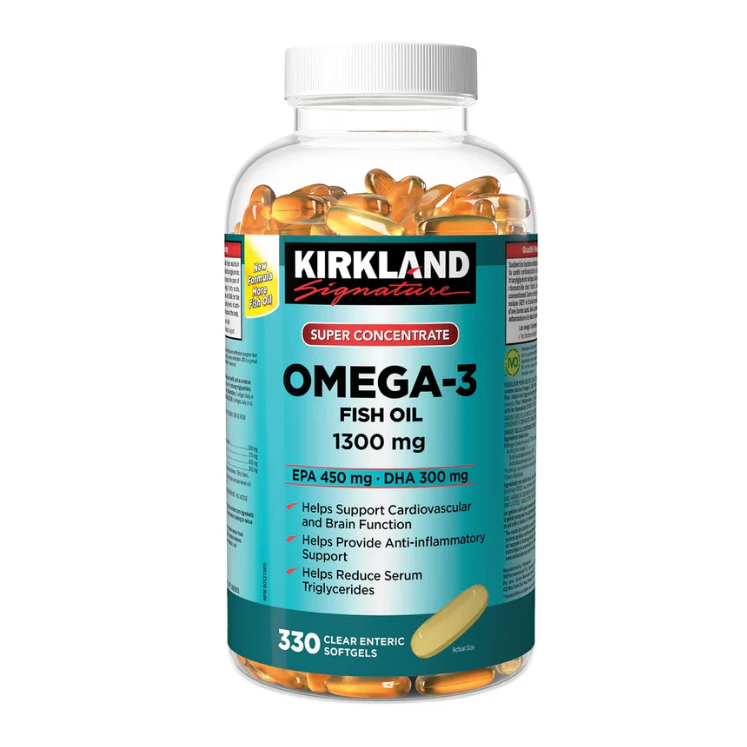
| 2 | KS002 | Kirkland Signature – Omega-3 Ultra Concentrated Deep Sea Fish Oil Capsules 1300mg 330 Capsules | Omega-3/DHA and fish oil | HK$298 (Original Price HK$350) | 491/HK$128,725 | 640/HK$178,708 |
| 3 | WN076 | [Average $ 268/1] Vepogen – Triple Strength Omega-3 (900 mg EPA / DHA) 200 Capsules Value Pack x 3 Bottles | Omega-3/DHA and fish oil | HK$804 (Original Price HK$990) | 398/HK$304,567 | 323/HK$263,848 |
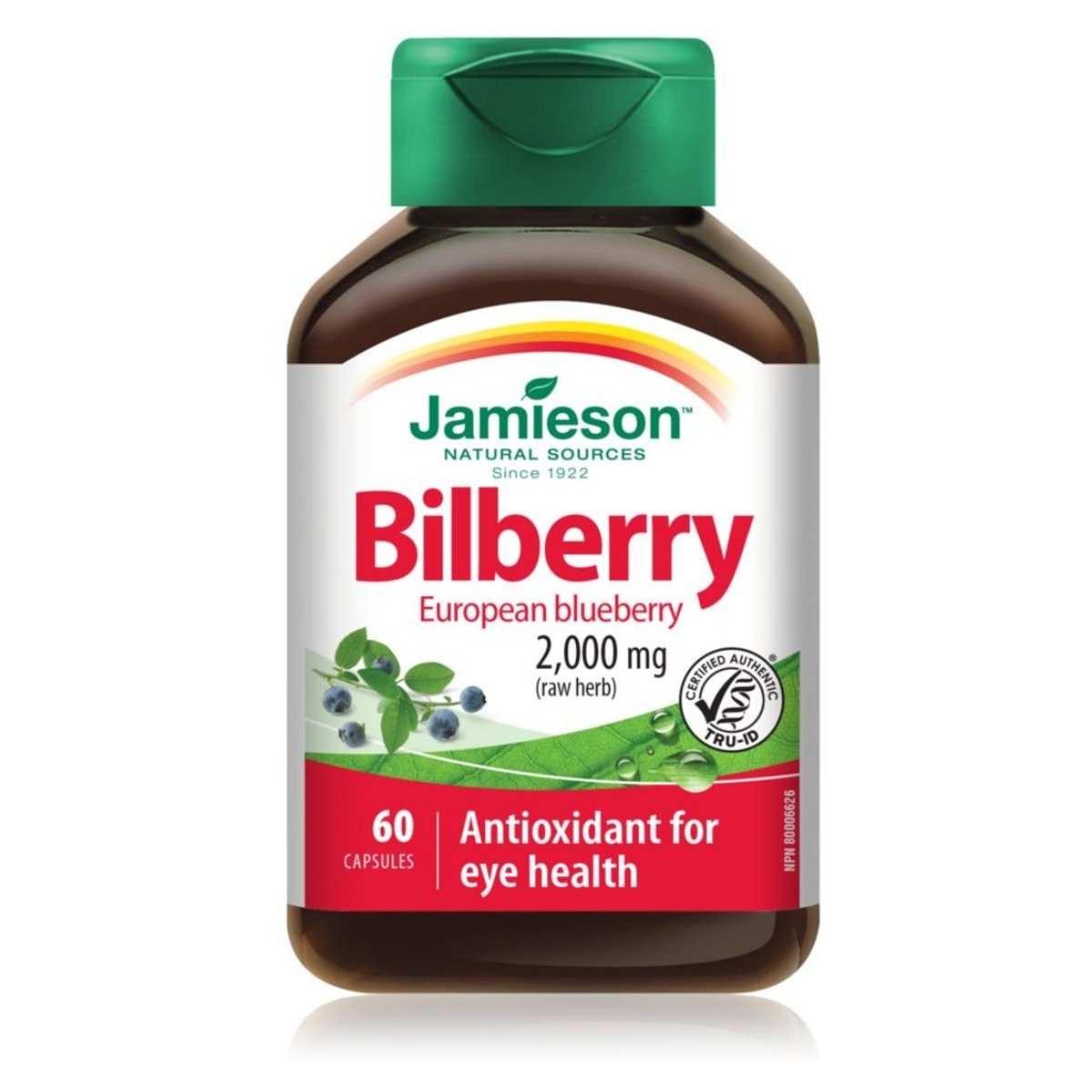
| 4 | JMS056 | Jamieson – Eye Care Concentrated Bilberry (European Blueberry) Extract 2000mg 60 Vegan Capsules | Blueberries/bills and plant antioxidants | HK$98 (Original Price HK$138) | 287/HK$26,302 | 308/HK$29,533 |
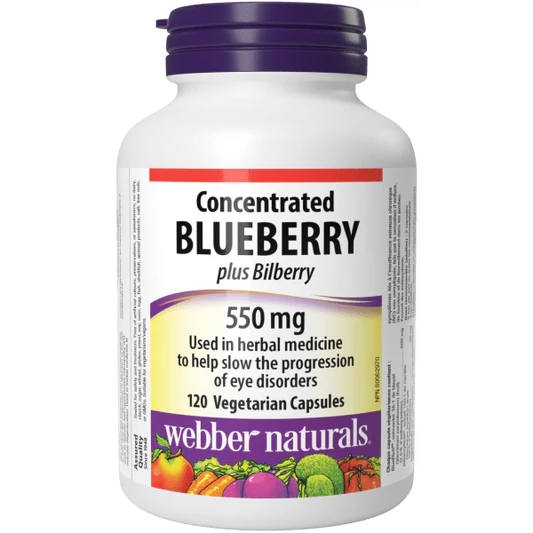
| 5 | WN004 | [Two or more bottles of $158] Vepogen – Concentrated Blueberry Extract + Bilberry 120 Capsules for Brightening Eyes and Anti-Aging | Blueberries/bills and plant antioxidants | HK$170 (Original Price HK$198) | 313/HK$52,162 | 264/HK$44,358 |
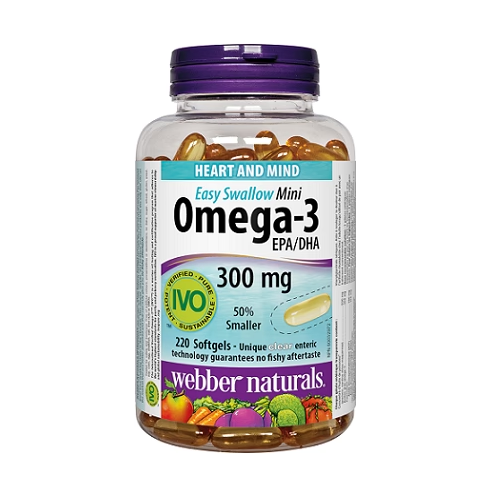
| 6 | WN028 | Vebegen – Omega-3 Mini Fish Oil Capsules 300mg 220 Soft Capsules | Omega-3/DHA and fish oil | HK$168 (Original Price HK$198) | 200/HK$32,969 | 417/HK$68,651 |
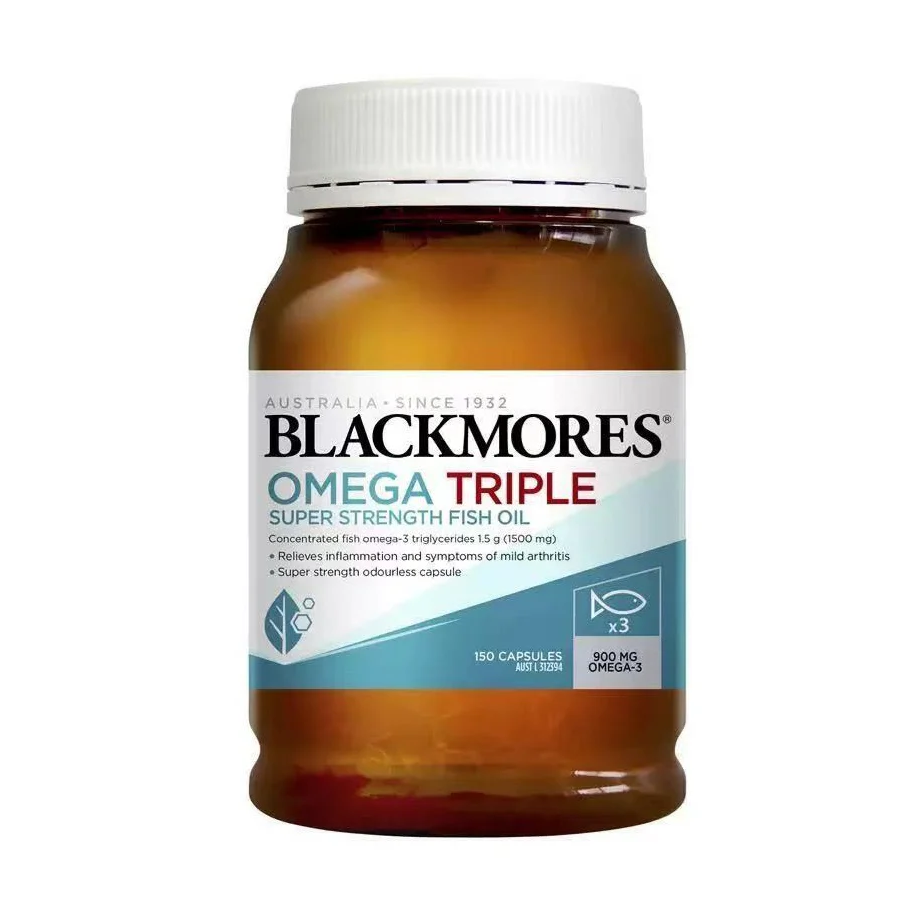
| 7 | BM017 | BLACKMORES – Triple Concentration Deep Sea Fish Oil 900mg 150 Capsules | Omega-3/DHA and fish oil | HK$248 (Original Price HK$298) | 92/HK$20,633 | 484/HK$108,134 |
| 8 | WN079 | Vepogen – Triple Strength Omega-3 (900 mg EPA/DHA) & Coenzyme Q10 (100 mg) 80 Capsules | Omega-3/DHA and fish oil | HK$198 (Original price HK$250) | 233/HK$43,314 | 360/HK$70,202 |


VII. Price, Dosage Form, and Purchase Pace: Different charts answer different questions
| Comparative orientation | Grouping | Number of styles |
|---|---|---|
| Page Price | HK$100 or below | 11 |
| Page Price | HK$101–200 | 47 |
| Page Price | HK$201–300 | 22 |
| Page Price | HK$300 and above | 18 |
| Dosage form | Chewable tablets/chewable capsules | 4 |
| Dosage form | tablet | 8 |
| Dosage form | Capsules/Soft Capsules | 80 |
| Dosage form | Gummy/Gel | 6 |
Of the 98 products, 80 are capsules/soft capsules, 8 are tablets, 6 are gummies/gels, and 4 are chewable tablets/chewable capsules. The most common price is HK$101–200, with 47 products listed; however, the bottle price does not equal the daily cost and must be calculated based on the daily serving size and the number of servings per bottle. Children, those with swallowing difficulties, vegetarians, or those with concerns about ingredients such as fish or gelatin should also check the dosage form and source first.

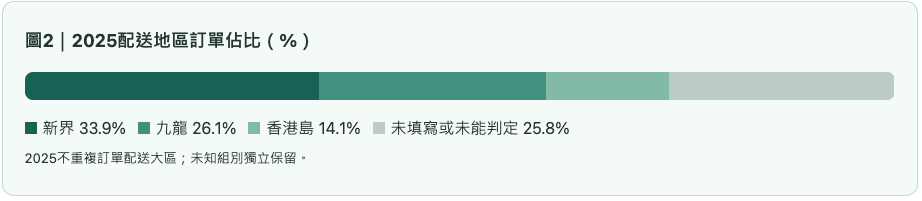
| 2025 Delivery Region | Percentage of non-repeating orders |
|---|---|
| New Territories | 33.9% |
| Kowloon | 26.1% |
| Not filled in or could not be determined | 25.8% |
| Hong Kong Island | 14.1% |

In 2025, the delivery percentages for related orders were: New Territories 33.91 TP4T, Kowloon 26.11 TP4T, and Hong Kong Island 14.11 TP4T. An additional 25.81 TP4T were not provided or the region could not be determined. This is the delivery address, not the place of residence or medical record, and it has not been adjusted for population and customer base in each district; therefore, it cannot be used to infer which district has more vision problems. Public data only presents the percentages and does not disclose the actual order volume.
8. How do I access official data to compare products?
| Official data | Published figures/recommendations | Association with category products | The boundaries that readers should abide by |
|---|---|---|---|
| Department of Health Student Health Service | 2024/25 Academic Year Annual Health Report | Of the students present, 46.81 TP4T were wearing glasses, 10.21 TP4T were not wearing glasses but failed the vision test, and 17.31 TP4T required further evaluation due to vision problems. In the health questionnaire, 60.61 TP4T spent two hours or more using electronic screens for entertainment on regular school days. The report also recommends that children spend at least two hours outdoors daily. | Children's eye care products, lutein/zeaxanthin and nutrition for different life stages | The order of managing myopia in children should be: outdoor activities, screen habits, regular vision assessments, and professional follow-up; children's gummies, DHA or lutein products listed in the category cannot replace eye exams or myopia control. |
| Department of Health Student Health Service | Ten Health Tips for Healthy Use of the Internet and Electronic Screen Products | The 20-20-20 rule for eye protection recommends looking at objects at least 20 feet away for 20 seconds every 20 minutes; the 30-40-50 rule recommends keeping smartphones, tablets, and computers at least 30, 40, and 50 centimeters apart, respectively. | All categories, especially products named after anti-blue light, eye protection, or vision care. | Dry eyes, fatigue, or other eye problems caused by screens should be addressed by rest, maintaining proper distance, blinking, and regular eye exams; the use of terms like "anti-blue light" or "eye protection" in product names is not evidence to replace proper eye care habits. |
| Department of Health Elderly Health Services | Age-related macular degeneration | Data indicates that the incidence rate increases from approximately 11 TP4T at age 55 to approximately 151 TP4T at age 80, with smokers at twice the risk of the general population; there may be no noticeable symptoms in the early stages, making regular eye examinations especially important for the elderly. | Lutein/Zeaxanthin and Macular Formula, 50+ Comprehensive Nutrition | If you experience blurred central vision, distorted images, scotoma, or darkened colors, you should consult a doctor for examination first. Do not use macular degeneration formulas or product names as a guarantee of preventing, treating, or delaying eye diseases. |
| Department of Health Elderly Health Services | Common Eye Problems and Eye Care Tips | If your vision does not improve after wearing glasses, or if you experience persistent or sudden eye pain, halos, partial vision loss, red and stinging eyes, or a sudden increase in floaters, these are all warning signs that require immediate medical attention. | All categories | Acute or persistent vision warnings are not a good time to compare lutein, blueberry, or fish oil products; an ophthalmologist or optometrist should be consulted first. |
| Hospital Authority Smart Station | Diabetic Retinopathy | Diabetes can affect the microvessels of the retina; diabetic patients should have regular check-ups, control their blood sugar, and undergo fundus examinations. | Full category; its relevance to life stage nutrition and extended nutrition products is only within the context of the reading scenario. | For diabetic patients, priority should be given to fundus examination, blood glucose management, and medical follow-up; no supplement can replace screening or treatment for diabetic retinopathy. |
| Centre for Food Safety | Health Benefits of Eating Fish | Fish can provide Omega-3 fatty acids such as DHA and EPA, but official recommendations still emphasize a balanced and diverse diet and the consumption of different types of fish in moderation; women of childbearing age and young children should also be aware of predatory fish with high mercury content. | Omega-3/DHA and fish oil | Fish oil products generate higher revenue in stores, but this does not equate to official recognition as an eye care therapy. When comparing products, one should consider the actual EPA/DHA content, daily dosage, source, allergies, and overlap with existing medications or diets. |
| Centre for Food Safety | Nutrition Information on Food Labels | Nutrient reference values are used to compare the nutrient content of foods. Reaching the reference value of 100% does not mean that it can fully meet the nutritional needs of a particular population. The units should also be noted when labeling vitamin A and other nutrients. | Life Stages / Comprehensive Nutrition, Vitamins / Minerals and Other Extensions | When using multiple products at the same time, check the content, daily dosage and unit of each product one by one to avoid ignoring duplicate ingredients just because the products are labeled as eye care or comprehensive nutrition. |
Official information is not used to endorse a product, but to determine when product comparisons are meaningful: children should first undergo outdoor activities, screen management, and vision assessments; adults should first adjust screen time according to the 20-20-20 rule and appropriate distance; the elderly, diabetics, and those showing warning signs should first undergo examinations; and only when comparing daily nutrition should the actual labeling of lutein, blueberries, fish oil, or multivitamins be considered.

9. A seven-step checklist that you can use before purchasing
- First, determine whether an inspection is necessary. If you experience sudden vision loss, eye pain, halos, visual field loss, redness or stinging in your eyes, or a large number of floaters, seek medical attention first.
- Write down the real situation. Is it about school children's myopia, prolonged screen time, regular health maintenance for the elderly, diabetes management, or simply comparing daily nutrition?
- Choose only one route to start. Lutein, blueberries, fish oil, multivitamins, and vitamins and minerals should not be lumped together on the same list.
- Standardize the denominator for comparison. Look at the whole serving, not just the individual capsules; separate fish oil into EPA and DHA, and for plant extracts, look at the concentration ratio and equivalent labeling.
- Calculate daily costs. Divide the bottle price by the number of days it can be used, and take into account the number of capsules per day, capsule size, and ease of use.
- Check for duplication and risks. Check for duplicates of various vitamins, fish oil, vitamins A/E, zinc, copper, etc., and also check for fish, gelatin or other allergens and existing medications.
- The actual product received shall prevail. The packaging, batch number, ingredients, best-before date, and usage instructions of parallel-imported or overseas-sourced products may be updated; the actual product label should be checked.
Frequently Asked Questions
Is a higher lutein mg level always better?
No. It also depends on whether each serving contains zeaxanthin or other ingredients, the daily dosage, the user's condition, and whether it overlaps with other products. Different formulas cannot be listed using only one milligram value.
Why does fish oil account for the majority of revenue in the eye health category?
The large number of fish oil SKUs within the category, coupled with the higher transaction volume of some multi-pack or high-volume items, reflects GogoHerbs' category and in-store transaction structure, and does not prove that fish oil is more effective for eye health than other categories.
Can children's eye care products replace outdoor activities or eye exams?
No. The Hong Kong Department of Health recommends that children spend at least two hours outdoors daily and undergo vision assessments as needed. No gummies, DHA, or lutein products can replace eye exams, glasses, or myopia control.
If I'm going to be looking at a screen for a long time, is it okay to buy an "anti-blue light" product first?
You should first take a 20-20-20 break, maintain a suitable viewing distance, blink, adjust the lighting, and address any vision problems. The "anti-blue light" label in product names is not a guarantee of effectiveness; if the condition persists, seek professional evaluation.
Can diabetic patients protect their eyesight solely through supplements?
No. Diabetic patients must control their blood sugar according to medical advice, have regular check-ups, and undergo fundus examinations. Supplements cannot replace screening or treatment for diabetic retinopathy.
Why is page order not the same as annual revenue ranking?
Because the "best-selling" metric on the page is not the same as the annual revenue of the entire product line. The former may be affected by recent transactions, exposure, product listings, or website logic; the latter is also affected by unit price and multi-pack pricing. This report only compares transactions within the top 8 product categories and does not disclose the revenue rankings of other products.
Conclusion: Take care of your eyes first, then choose products.
The most important finding of this report is not which product ranks first, but rather that there are multiple completely different sets of comparative logic within the eye health category. For screen time-consuming issues, the first step is to improve rest and viewing distance; for children with myopia, the first step is to increase outdoor time and have their vision assessed; for those with diabetes, age-related risk factors, or vision warning signs, the first step is to seek medical attention and have regular checkups. Only after these steps are taken do comparisons of lutein, blueberry, fish oil, or multivitamin products truly become meaningful.
If it's just for everyday shopping, you can go toEye Health Category PageCheck the latest prices and stock, or use the links in this article to check ingredients, daily serving size and labeling; if you have persistent, sudden or severe eye symptoms, please consult a doctor, optometrist, pharmacist or other qualified professional first.
Sources and Important Notices
- Department of Health Student Health Service: Annual Health Report for the 2024/25 Academic Year(2024/25 academic year; some figures as of October 31, 2025)
- Department of Health Student Health Service: Ten Health Tips for Healthy Use of the Internet and Electronic Screen Products(Current official recommendations reviewed in 2026)
- Department of Health Elderly Health Services: Age-related Macular Degeneration(Current data reviewed in 2026)
- Department of Health Elderly Health Services: Common Eye Problems and Eye Care Tips(Current data reviewed in 2026)
- Hospital Authority Smart Station: Diabetic Retinopathy(Current data reviewed in 2026)
- Centre for Food Safety: Health Benefits of Eating Fish(Data from 2015; accessed in 2026)
- Centre for Food Safety: Nutritional Information on Food Labels(Updated in 2026)
Category scope, order, inventory status, and product URLs are based on the GogoHerbs Eye Health page as of September 20, 2026, displayed under "By Popularity"; the product database cutoff date is August 27, 2026, with category page data taking priority. Transaction statistics only use complete annual raw data from 2024 and 2025: 2024 is limited to "Completed/Shipped" records, and 2025 uses available records from the original files. Category totals, actual route amounts, actual monthly amounts, and actual number of delivered orders are not disclosed; the main text only presents the growth rate, base period index, structural proportion, and the top 8 named transactions. Delivery areas are calculated based on non-duplicate orders in 2025, and unknown values are retained.
GogoHerbs is an independent health supplement retailer. Some products are supplied through parallel imports or overseas sourcing and do not represent the official Hong Kong distributors or manufacturers of the relevant brands. Prices, stock, ingredients, labels, packaging, batch numbers, best-before dates, and usage guidelines are subject to the actual product received at the time of purchase.
This article provides general nutrition information, label reading, official health information, and in-store transaction data. It does not constitute diagnostic, treatment, or prevention advice, nor does it imply government recommendations for the products listed herein. Children, pregnant or breastfeeding women, people with chronic illnesses, those taking medications, and those with a history of allergies should consult a doctor, optometrist, pharmacist, or other qualified professional before use.