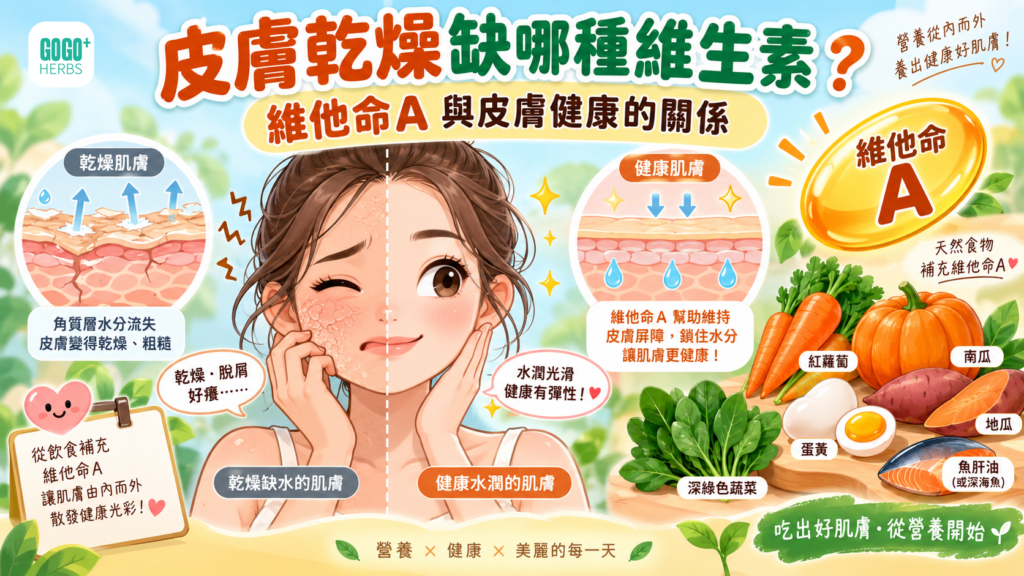
Vitamin A is a fat-soluble nutrient essential for maintaining human health. However, the human body cannot produce it on its own and must obtain it from food. Vitamin A is beneficial for growth, strengthens the immune system to fight disease, and promotes the development of certain organs, especially the eyes. We can obtain vitamin A not only from plant-based foods such as carrots, pumpkins, and breast milk, but also from animal-based foods such as dairy products (whole milk, yogurt, cheese), liver, and fish oil. Recently, the World Health Organization stated that vitamin A deficiency has affected certain groups, such as infants, women of childbearing age, and pregnant women. Vitamin A deficiency can have various consequences that affect our health and bodily functions. Let's learn more about them!