
























































Every year at the end of October, streets and restaurants are filled with orange: pumpkin lanterns, pumpkin soup, pumpkin pies, pumpkin lattes. Pumpkins have always been associated with being "healthy, low-calorie, and good for the eyes," and these points are generally true. However, when it comes to specific numbers, problems arise—some pumpkins contain only 26 kcal per 100 grams, while others contain nearly 50 kcal; some say they are vegetables, while others insist they are starchy; some eat 200 grams a day to stabilize their blood sugar, while others are advised to limit themselves to a few dozen grams.
These statements contradict each other not because anyone is wrong, but because they answer different questions: one is about how to calculate vegetable intake, another is about how to convert carbohydrates for diabetic patients, and another is about how to control potassium levels for kidney disease patients. Mixing these three systems together leads to the incomprehensible conclusion that "pumpkin is both healthy and dangerous."
This article will first break down the classification controversy, then use actual nutritional data from five varieties to illustrate that "pumpkin is not just a number," then explain the actual evidence for vitamin A, potassium, and pumpkin seeds, and finally provide two recipes that can be made in Hong Kong kitchens.
| Your situation | suggestion |
|---|---|
| I want to eat more vegetables and control my weight. | Yes, but pay attention to the variety: Chinese pumpkins with high water content have about 26 kcal per 100 grams, while the powdery chestnut pumpkin has significantly higher calories. |
| Diabetes, blood sugar is being controlled | It's edible, but should be included in the carbohydrate intake of the meal; 200 grams of pumpkin is roughly equivalent to one-quarter to one-third of a bowl of white rice. |
| Chronic kidney disease, high blood potassium | A doctor or registered dietitian must individually prescribe the dosage based on blood potassium levels and kidney function stages; it is not advisable to apply a fixed dosage arbitrarily. |
| I bought pumpkin seed tea for my husband to improve his prostate health. | The recommended daily dose of 10 grams is the amount used in current large-scale studies, and sugar should not be added; kidney disease patients should be aware of the phosphorus content. |
| There are young children in the family | Whole pumpkin seeds pose a choking risk; it is better to grind them or choose pumpkin seed paste. |
| Want to use pumpkins to "soothe the eyes" | Pumpkin provides carotenoids; screen-induced dry eyes belong to a different mechanism and cannot replace each other. |
First, let's resolve a point of contention: Is pumpkin a vegetable or a starchy food?
The statement "Pumpkin belongs to the starch category, not the vegetable category" is widely circulated, and many people are taken aback when they first hear it—how can a melon suddenly become a staple food? This statement actually has an origin, but it has been removed from its original context.
The three classification systems each have their own purpose.
The first set isFruit and vegetable intakeThe Hong Kong Department of Health promotes the "two plus three" daily diet, requiring at least two servings of fruit and three servings of vegetables daily.Department of Health's serving size instructionsIt's clearly stated: one serving of vegetables is approximately half a bowl of cooked vegetables and sprouts.CucurbitsOr mushrooms (about 240 ml per bowl). The same page also specifically addresses potatoes—potatoes are root vegetables, often used to replace grains, so they are generally not counted in the daily three servings of vegetables; however, not all root vegetables that are primary starch sources (such as carrots and radishes) are counted. Following this logic, pumpkin belongs to the gourd family,Three servings of vegetables can be counted.。
The second set isVegetable groups in the Dietary GuidelinesThe U.S. Dietary Guidelines categorize vegetables into five groups: dark green, red and orange, legumes, starchy vegetables, and others.Official documentsPumpkin and winter squash are categorized as "red-orange vegetables," while the list of "starchy vegetables" includes sweet potatoes, corn, green beans, plantains, cassava, taro, lotus root, and water chestnuts.Pumpkin is not included.。
The third set isDiabetic Food Substitution TableThe purpose of this tool is not to categorize vegetables, but to help patients calculate the total amount of carbohydrates in a meal. Pumpkin has a higher carbohydrate content than leafy greens, so it is placed in the "staple food" category in the substitution table—meaning not that "pumpkin is not a vegetable," but that "it should be deducted from the rice/rice column when eating it."
The practical answer is to consider both sides.
Putting the three systems back in their respective places, the conclusion becomes clear:
- When counting portions of fruits and vegetables, pumpkin is counted as a vegetable.Half a bowl of cooked pumpkin is one serving, placed in the same container as bok choy and eggplant.
- When calculating carbohydrates, pumpkin should be considered part of the staple food.Its carbohydrate content is several times that of leafy greens, so it cannot be eaten in unlimited quantities as a "free vegetable".
This distinction is far more significant for diabetic patients than arguing about whether something is a vegetable or not. Even when both involve "eating more vegetables," the effects of a small dish of bok choy and a large bowl of pumpkin on post-meal blood sugar are completely different.

II. "Pumpkin" is not just a number: Varieties and calorie differences
Many articles give a round number: "49 calories per 100 grams of pumpkin." This number isn't entirely fabricated, but it corresponds to a specific variety from a particular region and cannot be applied to all pumpkins. A comparison with data from the USDA's FoodData Central clearly shows the discrepancies.
| Variety (USDA Name) | Main species | Calories (kcal/100g) | Carbohydrates (grams) |
|---|---|---|---|
| Pumpkin, raw (garden pumpkin) | Cucurbita pepo | 26 | 6.5 |
| Spaghetti squash, raw | C. pepo | 31 | 6.9 |
| Acorn squash, raw | C. pepo | 40 | 10.4 |
| Hubbard squash, raw | C. maxima | 40 | 8.7 |
| Butternut squash, raw | C. moschata | 45 | 11.7 |
| Commonly found mealy pumpkins in Asian markets (reference values) | C. moschata/C. maxima | Approximately 49 | Approximately 11 |
The lowest and highest values differ by nearly double. The difference isn't in the word "pumpkin," but in the water-to-starch ratio: varieties with higher water content are crisper and lower in calories; varieties that are more mealy and sweet have more dry matter and are naturally higher in calories. Even for the same variety, the figures will fluctuate depending on maturity and growing location. Therefore, the value of the table lies not in its precision, but in providing information.The statement "Pumpkin is very low in calories" needs a prerequisite.。
The three names used in the market correspond to two species.
In Hong Kong and Asian markets, pumpkins are often divided into three categories, but these three categories are not three parallel species:
| Market terminology | Appearance | Species | Taste and Usage |
|---|---|---|---|
| Oriental squash / Chinese squash | It is oblong, resembling a papaya, with mottled skin. | Cucurbita moschata | With a high water content and moderate texture, it is suitable for cooking porridge, clear soup, and stir-fried rice noodles. |
| Western pumpkin | Round, orange-yellow, with a smooth surface | Cucurbita maxima | High in starch and sugar, with a soft texture, it's suitable for thick soups, gratins, and batches. |
| Chestnut Pumpkin | Round or oval, dark green to orange-red | Similarly C. maxima | The varieties selected and bred in Japan have a fine, powdery texture, making them suitable for braising and stewing. |
"Western squash" and "chestnut squash" are botanically the same species.C. maximaDifferent varietal groups—a research report from the Taiwan Agricultural Research Unit directly states "Western squash (C. maximaAlso known as chestnut squash. It's fine to classify them as two separate categories for market purposes, but if you think they are two different species, you'll end up misunderstanding them when discussing their nutritional value.
Another common claim is that "sweet potato sugar content is..."grease"High in content." The claim of high sugar content is true, but not fat: pumpkin flesh contains only 0.1 grams of fat per 100 grams, among the lowest of all ingredients. The perception of it being "oily" usually stems from creamed soups or buttered pumpkin pies—the oil comes from the recipe, not from the pumpkin itself.
III. Nutritional Components Examined Item by Item
The following uses USDA field squash (C. pepoThe value per 100 grams (91.61 TP4T moisture content) is used as a benchmark, and the powdery variety is compared as needed.
| Nutrients | per 100 grams | illustrate |
|---|---|---|
| calorific value | 26 kcal | The powder variety can reach 45 to 49 kcal. |
| Moisture | 91.6 grams | The main reason for low calorie content |
| carbohydrate | 6.5 grams | It contains 2.76 grams of sugar. |
| Dietary fiber | 0.5 grams | Lower than leafy greens and legumes, it is not suitable as a primary source of fiber. |
| protein | 1.0 gram | Limited content |
| Fat | 0.1 grams | Almost zero |
| 鉀 | 340 mg | The risk level is moderate to high; patients with kidney disease should take note. |
| Vitamin C | 9 mg | Some will be lost after heating. |
| folate | 16 micrograms | — |
| 鎂 | 12 mg | — |
| 鐵 | 0.8 mg | Plant-based iron has limited absorption rate. |
| Vitamin A (retinol active equivalent) | 426 micrograms of RAE | All from carotenoids |
| beta-carotene | 3,100 micrograms | — |
| α-Carotene | 4,020 micrograms | A characteristic of pumpkin is that it has a higher content of beta-carotene than other types of pumpkin. |
| Lutein + Zeaxanthin | 1,500 micrograms | Pigmentation in the macular region of the retina |
Why is the section on Vitamin A discussed separately?
Pumpkin's vitamin A content looks impressive, but to understand it, you first need to know how that number is calculated. Pumpkin's "retinol" (a preformed form of vitamin A found in animal-based foods) is...零It does not contain vitamin A itself, but only carotenoids that can be converted into vitamin A in the body.
The conversion ratios are not consistent.US NIH Office of Dietary SupplementsIt is stated that 1 microgram of RAE is equal to 1 microgram of retinol, 2 micrograms of beta-carotene from a supplement,12 micrograms of beta-carotene in food,or 24 micrograms of alpha-carotene in foodUsing this ratio to calculate the pumpkin: 3,100 ÷ 12 + 4,020 ÷ 24 = 258 + 167.5, which is approximately 426 micrograms of RAE, matching the database value.
There are two key points that are easily overlooked. First,The conversion efficiency of α-carotene is only half that of β-carotene.While pumpkin contains more alpha-carotene than beta-carotene, its "vitamin A production capacity" is not as high as its beta-carotene content suggests. For comparison, 100 grams of raw carrots contain approximately 835 micrograms of vitamin A (RAE), nearly twice that of pumpkin. Pumpkin is a good source of carotenoids, but the claim that "pumpkin has more vitamin A than carrots" is incorrect.
second,The absorption rate of beta-carotene from food is only 101 TP4T to 301 TP4T.Retinol levels can reach 751 TP4T to 1001 TP4T. The same NIH document also indicates that...Cooking and heating can improve the bioavailability of beta-carotene in food.Heating breaks down cell walls, making it easier for carotenoids to be released. This has a direct impact on practical methods: steamed or stir-fried pumpkins provide more carotenoids than raw pumpkins.
Fourth, one thing to clarify regarding "Vitamin A for eye protection"
The relationship between vitamin A and vision is one of the few mechanisms in nutrition with a very clear mechanism. It is...RhodopsinRhodopsin is an essential component of the retina, and it is a photosensitive protein responsible for the light-sensitive response in the retina. When it is deficient, rhodopsin levels decrease, and the earliest symptom is...Night blindness— Difficulty seeing in low light or darkness. Prolonged and severe deficiency can further develop into dry eye syndrome, corneal damage, and even permanent blindness.
Therefore, regarding the point that "Vitamin A is important for night vision,"NIH This is consistent with popular belief. However, to use this statement correctly, two situations need to be distinguished:
- If those who are deficient in night vision supplement their diet, their night vision will recover.This is a true cause-and-effect relationship, and it is also the most important aspect of public health.
- For people who have already consumed enough nutrients, eating more will not "enhance" their visual function.The synthesis of rhodopsin is regulated by the supply of vitamin A, but once the supply is sufficient, increasing the amount will not further improve night vision.
This leads to a common inference: "For people who spend long hours in front of electronic devices and have poor night vision, eating more pumpkin can help with eye health." However, a crucial element is missing between the first and second halves of this statement. The main mechanism behind screen-related eye discomfort is...Blinking frequency decreases and tear film evaporation accelerates when staring at a screen.The eye strain and accommodative fatigue caused by prolonged close-up focusing are not directly related to vitamin A intake. Unless there is a vitamin A deficiency, eating pumpkin will not solve the eye dryness and soreness caused by screens.
This doesn't mean pumpkin has no value for the eyes. It also provides...Lutein and Zeaxanthin(1,500 micrograms per 100 grams) These two carotenoids accumulate in the macular region of the retina.Benefits and food sources of Vitamin A與How to choose eye care supplementsThe two articles provide a more complete explanation. Placing pumpkin in the category of "part of a balanced diet" is more accurate than considering it as an eye care remedy.
V. Beta-carotene and the cardiovascular system: Food and supplements are two different things.
Pumpkin contains beta-carotene, which is an antioxidant. This chain of reasoning seems logical, but there is a distinction that is often overlooked:Eat foods containing beta-carotene,andTake beta-carotene supplementsThese are two different things in the research, and the results are also different.
Observational studies have generally shown that people with higher blood carotenoid concentrations or who consume more dark orange and dark green fruits and vegetables have a lower risk of certain chronic diseases.American Institute for Cancer Research (AICR)The description of winter squash and regular squash states that carotenoids have antioxidant properties in laboratory studies and help regulate cell growth; human studies show that...People who consume more foods containing carotenoids have a lower risk of certain cancers.This is a correlation, not a causal relationship.
However, the picture changes when beta-carotene is administered in high-dose capsules alone. The NIH's Vitamin A information page documents two large randomized trials: the ATBC trial, in which male smokers received long-term (5 to 8 years) daily supplementation with 20 mg of beta-carotene.Lung cancer and the risk of death actually increaseIn the CARET trial, daily intake of 30 mg of beta-carotene plus 7,500 mcg of retinyl palmitate (RAE) also increased the risk of lung cancer in current and former smokers and those exposed to asbestos. The NIH concluded that:There is no upper limit set for beta-carotene, but the use of beta-carotene supplements is generally not recommended for the general public.Unless it's to prevent vitamin A deficiency.
By placing these two sets of results side by side, the practical conclusion is quite clear, and it has a positive impact on daily diet:
- Obtaining carotenoids from food is a safe and encouraged practice.Pumpkin, carrots, sweet potatoes, and dark green leafy vegetables naturally provide fiber, potassium, and vitamin C, which capsules do not contain.
- Do not extrapolate from "pumpkin contains beta-carotene" to "taking beta-carotene pills can protect your heart".There is clear evidence against high-dose single-ingredient supplementation in smokers.
Regarding the statement that "the American Institute for Cancer Research (AICR) lists pumpkin as one of the 15 cancer-preventing foods," two points need correction. First, AICR's database is called "Foods that Fight Cancer," and while winter squash (including pumpkin) is indeed included, its list is not "15," nor is there an officially recognized number of "15." Second, AICR itself has repeatedly emphasized...No single food can prevent cancer.It's about the overall dietary pattern. Labeling a vegetable as a "cancer-preventing food" is like condensing the conclusions of a dietary pattern study into a purchasing recommendation.
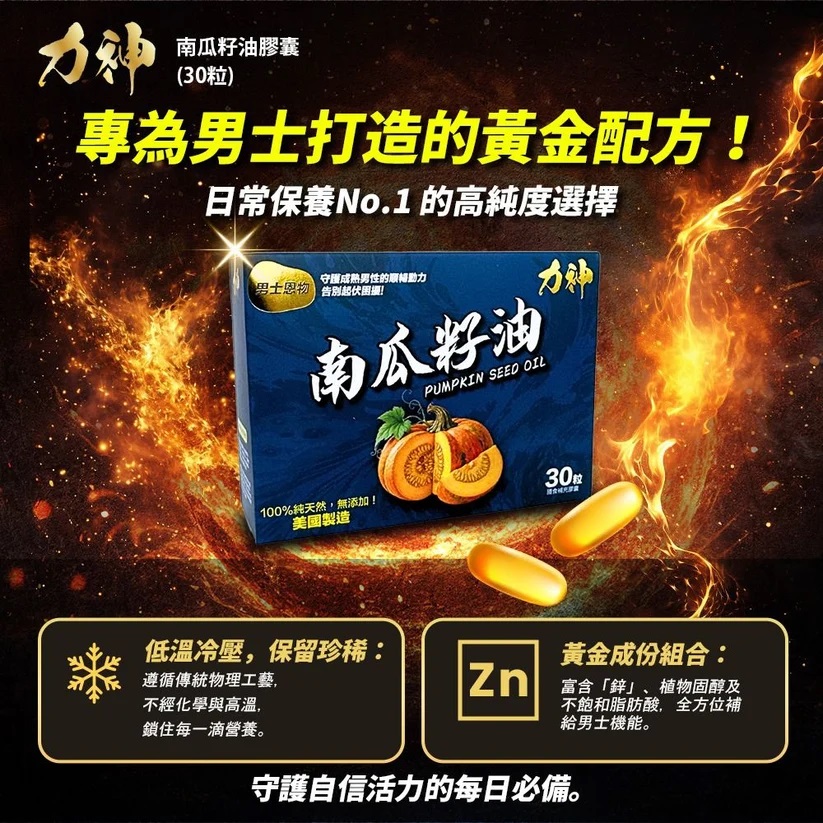
VI. Pumpkin seeds: Where does the daily intake of 10 grams come from?
The link between pumpkin seeds and the male urinary system is the most frequently cited and also the most simplified section on this topic. The simplified version is usually written as "studies show that pumpkin seeds have antibacterial properties and can improve benign prostatic hyperplasia," but this sentence mixes two completely different levels of evidence together.
First, let's talk about the prostate: There was a randomized controlled trial involving 1,431 people.
German GRANU Research (PMID 25196580This study enrolled 1,431 men aged 50 to 80 years with lower urinary tract symptoms suggestive of benign prostatic hyperplasia (BPH) and randomly assigned them to three groups: whole pumpkin seeds 5 g twice daily; pumpkin seed extract capsules 500 mg twice daily; and placebo. The treatment lasted 12 months, with the primary endpoint being a reduction of 5 points or more in the International Prostate Symptom Score (IPSS).
| Group | Daily dose | The percentage of people who meet the standard after 12 months |
|---|---|---|
| Whole pumpkin seeds | 5 grams x 2 times = 10 grams | 58.5% |
| placebo | — | 47.3% |
| Pumpkin seed extract capsules | 500 mg x 2 times | No difference from placebo |
The study authors' wording is noteworthy: the difference between the whole pumpkin seed group and the placebo was described as "descriptively significant," while there was no difference between the extract capsule group and the placebo; the conclusions are based on these findings.Confirmatory studies or systematic reviews are still needed to support this.Only then can one make recommendations regarding "using pumpkin seeds to treat moderate lower urinary tract symptoms." In other words, the direction is positive, but not yet at the level to be considered standard advice.
Other smaller studies also point in the same direction: a Korean study using pumpkin seed oil combined with saw palmetto oil showed improvement in symptom scores in 47 men with symptomatic benign prostatic hyperplasia.PMID 20098586Another pilot study using oil-free aqueous ethanol pumpkin seed extract also observed a decrease in symptom frequency and severity.PMID 31017505These studies are all smaller in scale than GRANU and can serve as a reference in the same direction.
As for the mechanism, current understanding focuses on pumpkin seeds.Phytosterols(Including β-sitosterol and Δ7-sterol) and fatty acids, the direction is related to the inhibition of 5α-reductase and anti-inflammatory effects. This is a clue at the laboratory level, and there is still a distance between this and the improvement of symptoms in humans.
As for "sterilization": that's the result of petri dishes.
Pumpkin seed oil does indeed exhibit antibacterial activity in vitro. Multiple studies, using the culture medium dilution method, have shown inhibitory effects against Staphylococcus aureus, Bacillus cereus, Escherichia coli, and Klebsiella pneumoniae, with minimum inhibitory concentrations (MICs) generally ranging from [insert concentration range here]. 1 to 4 mg/mL The oil concentration range. Some studies have also failed to detect any antibacterial effect, which the authors believe is related to differences in phytochemicals caused by origin, variety, and extraction method.
The problem is:Inhibiting bacterial growth by dripping oil onto a petri dish is not the same as "killing bacteria in the urinary tract after eating pumpkin seeds".To achieve the concentrations found in a petri dish, the ingredients must first be digested and absorbed, enter the bloodstream, and then be concentrated in urine and urinary tract tissues; currently, no human studies have shown that 10 grams of pumpkin seeds daily can achieve this effect. Urinary tract infections require an appropriate course of antibiotics, not pumpkin seeds. Describing in vitro antibacterial activity as "having bactericidal ability against the urinary system" is simply applying a laboratory observation directly to humans.
What do you actually eat when you eat 10 grams of pumpkin seeds?
Pumpkin seeds (shelled and dried, i.e., pepitas) are quite nutrient-dense, but this density also means they are high in calories and minerals.
| Nutrients | per 100 grams | 10 grams daily |
|---|---|---|
| calorific value | 559 kcal | Approximately 56 kcal |
| protein | 30.2 grams | 3.0 grams |
| Fat | 49.1 grams | 4.9 grams |
| Dietary fiber | 6.0 grams | 0.6 grams |
| 鎂 | 592 mg | 59 mg |
| 鋅 | 7.8 mg | 0.8 mg |
| 鉀 | 809 mg | 81 mg |
| 磷 | 1,233 mg | 123 mg |
A daily intake of 10 grams provides approximately 56 kcal and 4.9 grams of fat, with a considerable amount of zinc and magnesium. A common practice is to "grind the seeds, add a small amount of sugar, and then brew with boiling water, milk, or tea." However, the sugar can be omitted—pumpkin seeds have a naturally nutty aroma, and grinding them and adding them to unsweetened soy milk or milk is already palatable; adding sugar only increases the amount of sugar in the drink. If the goal is to supplement zinc and magnesium, 10 grams is a reasonable serving size; if you're having it as a snack, remember that like other nuts, it's a high-calorie-density food.
VII. How to eat for diabetes: The practical algorithm of equivalent substitution
The effect of pumpkin on blood sugar is often confused by two seemingly contradictory numbers: its glycemic index (GI) is relatively high, but its glycemic load (GL) is relatively low.
A review article in the British Medical Journal on the quality and quantity of carbohydratesData for representative foods has been compiled: A serving of boiled squash weighs 75 grams and contains 8 grams of carbohydrates.GI 64, GL 5Other databases estimate the GI of boiled squash to be as high as 75, with differences arising from variety and measurement methods. Regardless of which database is used, the GI falls into the "medium to high" range, but since a serving of squash only contains 8 grams of carbohydrates...GL is only 5, which is considered low load.。
This is a classic example of "high-GI foods can be eaten"—the key is portion size. The actual conversion is as follows:
| Pumpkin serving size | carbohydrate | Roughly equivalent to white rice |
|---|---|---|
| 100 grams (for varieties with high moisture content) | Approximately 6.5 grams | About 1/6 of a bowl |
| 200 grams (for varieties with high moisture content) | Approximately 13 grams | About 1/4 bowl |
| 200 grams (powder variety) | Approximately 22 grams | About 1/3 of a bowl |
(One bowl of white rice is estimated to contain 200 grams of cooked rice and approximately 60 grams of carbohydrates.)
Therefore, the suggestion to "eat 200 grams of pumpkin and reduce the amount of white rice by 75 grams" is within a reasonable range—75 grams of cooked white rice contains approximately 20 grams of carbohydrates, which corresponds to 200 grams of starchy pumpkin. However, if you are eating a variety with high water content, this reduction is too much and may result in insufficient carbohydrates for the entire meal. A more prudent approach is...Adjustment by varietyFor a bowl of soft, sweet pumpkin, use one-third of a bowl of rice; for a bowl of watery, mild-tasting pumpkin, use one-quarter of a bowl of rice.
Three ways to easily double your GL
- Blend into a thick soup.Blending disrupts the structure of food and speeds up gastric emptying; for the same amount of pumpkin soup, the blood sugar response is usually faster than that of steamed whole pumpkin.
- Add sugar and oil.The carbohydrates and calories in pumpkin pie, pumpkin latte, and creamy pumpkin soup mainly come from sugar, flour, and cream, not from the pumpkin itself.
- Eat plenty of "free vegetables".Eating half a pumpkin in one meal can result in a total carbohydrate intake close to that of a bowl of rice, but this is often not deducted from the staple food intake.
When actually eating pumpkin, combining it with protein and vegetables, and eating the vegetables and protein first, followed by the pumpkin and rice, usually results in a more stable post-meal blood sugar curve. These practices cannot replace medication and blood sugar monitoring, but they can make eating pumpkin more predictable.
8. Kidney disease and hyperkalemia: Why can't a fixed weight in grams be specified?
Pumpkin contains 340 mg of potassium per 100 grams, which is moderately high. For people with normal kidney function, this amount is not a problem at all and can even help maintain blood pressure; however, for patients with chronic kidney disease, especially those with high blood potassium or those undergoing dialysis, potassium intake needs to be tightened as needed.
The common practice is to give a fixed number, such as "50 to 100 grams per day". This number has no official basis and does not conform to clinical practice.Dietary guidelines for kidney disease developed in collaboration between the Hong Kong Kidney Foundation and the Department of HealthThe correct way to write it is: In the third stage, pay attention to protein intake;In stage IV, blood potassium and phosphorus levels are prone to imbalance, and most patients need to control their food intake.By the fifth stage of dialysis, protein requirements actually increase. Regarding potassium, the textbook's principle is...If the potassium level is too high, the intake of high-potassium foods should be limited."—There is no single correct dosage because each person's blood potassium levels, medications (such as those that affect potassium excretion), urine output, and dialysis schedule are different."
Therefore, the correct approach is:The serving size will be determined by your attending physician or registered dietitian based on your test results.Instead of copying a number from the internet, here are some practical tips if you have been instructed to limit potassium intake:
- Cut into small pieces, boil in plenty of water, and discard the broth.Potassium is water-soluble. Finely chopping it and boiling it in plenty of water, then discarding the liquid, can reduce some of the potassium content. Steaming or baking are less effective.
- Pay attention to the total amount rather than the single food.Half a bowl of pumpkin, a bowl of vegetables, a banana, and a glass of milk will cause potassium to accumulate. The limit applies to the total daily intake.
- Pumpkin seeds should also be included.100 grams of pumpkin seeds contain 809 mg of potassium and 1,233 mg of phosphorus. Although 10 grams per day only contains 81 mg of potassium, it contains 123 mg of phosphorus, which is not negligible for dialysis patients who need to restrict phosphorus.
- Do not use low-sodium salt instead of table salt.Low-sodium salts often use potassium chloride instead of sodium chloride, which can be a trap for people who restrict potassium intake.
If you experience muscle weakness, palpitations, or irregular heartbeat, seek medical attention as soon as possible. High blood potassium levels can be life-threatening and should not be monitored on your own.
9. Two home-style recipes
The following two dishes use common utensils and ingredients found in Hong Kong kitchens, and are for 2 to 3 people.
Steamed Pumpkin with Ginger
Material:200g pumpkin (seeds removed and cut into chunks, no need to peel), a little shredded ginger, a little salt.
Practice:Arrange pumpkin chunks in a steaming dish, top with shredded ginger, and steam over high heat for 15 to 20 minutes, or until a chopstick can easily pierce through. Add salt only after removing from the steamer to avoid excessive water release.
Nutritional breakdown:200 grams of high-moisture pumpkin contains approximately 52 kcal and 13 grams of carbohydrates; starchy varieties contain approximately 90 to 98 kcal and 22 grams of carbohydrates. Steaming is one of the best ways to retain water-soluble vitamins, while heating also increases the bioavailability of carotenoids—this dish achieves both "minimal loss" and "good absorption."
Pairing suggestions:It can be served as a vegetable dish along with some staple food in a meal. For diabetic patients, the recommended approach is to reduce the amount of white rice (one-quarter to one-third of a bowl) after eating this dish.
Pumpkin and Tofu Stew
Material:1 bowl of pumpkin puree (about 240 ml), 1 box of egg tofu, 4 to 5 dried shiitake mushrooms, a little basil, an appropriate amount of frozen tricolor beans (corn kernels, green beans, and carrot kernels), and 1 teaspoon of minced ginger.
Seasoning:1 tablespoon of vegetarian oyster sauce, a pinch of pepper, appropriate amount of cornstarch slurry, and appropriate amount of water.
Practice:Soak shiitake mushrooms until soft and slice them into strips, reserving the soaking water. Cut egg tofu into thick slices and pan-fry in a little oil until golden brown on both sides. Sauté minced ginger in a pot until fragrant, add shiitake mushroom strips and sauté until fragrant, then pour in the reserved soaking water and bring to a boil. Add pumpkin puree and tofu, and simmer over medium-low heat for 5 to 8 minutes. Add mixed beans, season with vegetarian oyster sauce and pepper, and finally thicken with cornstarch slurry. Sprinkle with basil before turning off the heat.
Nutritional breakdown:Pumpkin provides carotenoids and potassium, egg tofu provides plant-based protein, and shiitake mushrooms and mixed beans add fiber and texture. This combination makes for a well-rounded meal with sufficient protein and vegetables, making it suitable as a main course for dinner.
Three adjustments to reduce the burden:
- Reduce sodium intake.One tablespoon of vegetarian oyster sauce already contains a considerable amount of sodium. People with high blood pressure or kidney disease can halve the amount and use mushroom soaking water and a little white pepper to restore the umami flavor.
- Reduce oil intake.Steaming or air-frying the egg tofu can save the oil needed for frying; the pumpkin puree is thick enough that there is no need to add cream.
- Reduce the amount of starch.The cornstarch slurry is only for coating the sauce; half the amount is enough. Thickening the sauce too much will increase the carbohydrate and calorie content of the entire dish.
10. Who should be careful?
| Condition | What to pay attention to |
|---|---|
| Eating large amounts of pumpkin, carrots, and sweet potatoes in a short period of time | Possible occurrencesCarotenemiaThe palms, soles, and nasolabial folds are orange-yellow, but the whites of the eyes are not yellow. This is benign and will gradually subside in about 2 to 6 weeks after reducing intake. |
| Yellowish skin with yellow sclera, dark urine, fatigue, or abdominal pain | This is not characteristic of carotenemia; it may be a liver or gallbladder problem, and you should seek medical attention as soon as possible. |
| Chronic kidney disease, high blood potassium, on dialysis | Limit potassium and phosphorus intake as prescribed by your doctor; phosphorus from pumpkin seeds should also be included in the intake calculation. |
| diabetes | Include it in your daily carbohydrate intake; avoid replacing whole pumpkins with pumpkin soup or pumpkin pies. |
| young children | Whole pumpkin seeds pose a choking risk; it is advisable to grind them or choose unsweetened pumpkin seed paste. Whole seeds are not recommended for children under three years old. |
| Controlling weight | Pumpkin itself is low in calories, but the calories in pumpkin pie, pumpkin latte, and cream soup mainly come from sugar and oil. |
Regarding carotenemiaA child case reportThe description is worth remembering: Dietary-induced carotenemia is a benign condition, with orange-yellow pigment concentrated in the nasolabial folds, palms, and soles.The sclera (white of the eye) will not turn yellow.There are no symptoms of liver disease; the skin color will return to normal after reducing the intake of foods rich in beta-carotene, but it may take several months to completely fade. This detail of "no yellowing of the whites of the eyes" is the most practical way to distinguish it from jaundice.
Another Halloween-themed question:Pumpkins that have been carved or left at room temperature are not recommended for consumption.Once cut open, pumpkin flesh exposed to room temperature is prone to microbial growth; carved pumpkins, even if they look unchanged after a few days, should not be cooked. Before carving, cut the pumpkin into the desired size and refrigerate the rest.
XI. Frequently Asked Questions
Is pumpkin a vegetable or a starchy food?
You count both sides, depending on what you're counting. When counting servings of fruits and vegetables, the Department of Health's "two plus three per day" includes melons in the vegetable category, so half a bowl of cooked pumpkin is one serving. When counting carbohydrates, pumpkin has a higher carbohydrate content than leafy greens, so the Diabetic Food Exchange Table places it in the staple food category, and you need to deduct it from the rice and noodles column when you eat it.
Is pumpkin high in calories? Can I eat it while dieting?
It falls into the low to medium range. Varieties with high water content have approximately 26 kcal per 100 grams, while powdery varieties can reach 45 to 49 kcal, nearly double the amount. It can be eaten during weight loss, but attention should be paid to cooking methods: steamed, baked, and stewed pumpkins are low in calories; pumpkin pies, pumpkin lattes, and cream soups primarily derive their calories from sugar, butter, and cream.
Can diabetics eat pumpkin? How much should they eat?
Yes, it's possible, but the key is portion control and adjustments. 200 grams of high-water-content pumpkin contains about 13 grams of carbohydrates, equivalent to a quarter bowl of white rice; 200 grams of starchy varieties contain about 22 grams of carbohydrates, equivalent to one-third of a bowl. When eating pumpkin, reduce the corresponding amount of staple food and avoid eating half a pumpkin at a time. It's best to consult with a doctor or registered dietitian for specific portion sizes.
Is pumpkin high in potassium? Can people with kidney disease eat it?
Pumpkin contains 340 mg of potassium per 100 grams, which is moderately high. People with normal kidney function do not need to worry; however, patients with chronic kidney disease should determine their dosage based on their blood potassium levels and stage, and the dosage should be set by medical professionals. It is not advisable to use fixed gram values circulating online. If potassium restriction is already in place, the pumpkin can be cut into small pieces, boiled in plenty of water, and the broth discarded to reduce some of the potassium content.
Are pumpkin seeds really good for the prostate?
A randomized controlled trial involving 1,431 participants over 12 months showed that the proportion of participants achieving symptom score improvement was 58.51 TP4T in the group taking 10 grams of whole pumpkin seeds daily, compared to 47.31 TP4T in the placebo group; however, the study authors believe that further confirmatory studies are needed. The extract capsule group showed no difference between the two groups in this study. If symptoms are severe, it is still advisable to consult a doctor to rule out other problems.
How should pumpkin seeds be consumed? Is 10 grams per day enough?
10 grams is approximately equal to two teaspoons, which is the amount used in the aforementioned large-scale study, providing about 56 kcal, 4.9 grams of fat, 59 mg of magnesium, and 0.8 mg of zinc. Simply grind it and add it to unsweetened soy milk, milk, or cheese; no sugar is needed. Giving whole pieces to young children poses a choking risk; grinding is recommended.
What should I do if my skin turns yellow after eating pumpkin?
This is carotenemia, a benign condition. It is characterized by orange-yellow discoloration of the palms, soles, and nasolabial folds, but the whites of the eyes are not yellow, and there are no other discomforts. It usually subsides gradually in about 2 to 6 weeks after reducing the intake of foods such as pumpkin, carrots, and sweet potatoes. If the whites of the eyes also turn yellow, urine is dark, or accompanied by fatigue and abdominal pain, you should seek medical attention as soon as possible.
Can pumpkin replace staple food?
It can be used as a partial substitute, but it is not recommended to completely replace it for a long period of time. Pumpkin has a much lower protein content than rice and noodles, and it is also lower in calories. If you eat pumpkin as your main meal for a long time, you are likely to be deficient in protein and total calories. The starchy pumpkin is higher in carbohydrates and is more suitable to replace part of the staple food, while the varieties with high water content are closer to vegetables.
Are pumpkin soup and pumpkin pie considered healthy?
It depends on whether you're eating the pumpkin itself or using a recipe. Pumpkin itself is low in calories, but thick soups usually contain cream and butter, while pumpkin pies contain sugar, flour, and fat; the same serving can have several times the calories of steamed pumpkin. To preserve the benefits of pumpkin, clear soups, steaming, and baking are more straightforward than thick soups and desserts.
Can you eat a pumpkin carved for Halloween?
Not recommended. If cut pumpkin flesh is exposed to room temperature for several hours, microorganisms can easily grow; pumpkin lanterns that have been carved and left out for several days, even if they look normal, should not be eaten. The portion intended for consumption should be cut off before carving, and the remainder should be refrigerated and used as soon as possible.
XII. Sources of Information
- Department of Health's "Living a Healthy New Direction":Common questions about healthy eating (the serving size of a vegetable)
- Department of Health Elderly Health Services:How to practice combining fruits and vegetables (2 plus 3)
- USDA FoodData Central:Nutritional information on pumpkin and pumpkin seeds(Food codes 168448 and 170556)
- US Dietary Guidelines 2020 –2025:Vegetable grouping instructions
- NIH Office of Dietary Supplements:Vitamin A and Carotenoids
- American Association for Cancer Research:Winter Squash, Pumpkin, and Sweet Potato
- Vahlensieck W et al.:GRANU study (Urol Int 2015)
- Hong H et al.:A study of pumpkin seed oil and saw palmetto oil in Korean men
- Leibbrand et al.:Pilot study of oil-free pumpkin seed extract
- Review in the British Medical Journal:The quality and quantity of carbohydrates and chronic diseases
- Case report:Dietary carotenemia
- Hong Kong Kidney Foundation, Department of Health:Kidney disease severity and food choices
Further Reading
- The benefits of Vitamin A, its food sources, and key points for choosing supplements.
- Benefits, food sources, deficiency symptoms, and dosage of Vitamin A
- Healthy Eating Guidelines for Diabetics
- Benefits and nutritional value of red beans: dietary fiber, potassium, and precautions for consumption.
Health Declaration:This article is a compilation of nutritional information and does not constitute medical advice, nor can it replace a doctor's diagnosis and prescription. Patients with diabetes, chronic kidney disease, or other chronic illnesses should consult their attending physician or registered dietitian before adjusting their diet. If you experience sudden changes in vision, symptoms of high blood potassium (muscle weakness, palpitations, irregular heartbeat), persistent jaundice, or abdominal pain, seek medical attention immediately; in emergencies, call 999.
Related Products:
-
Sale!

GINAX – Ginseng Tea Bag / Ginseng White Tea Rose Tea Bag | 1bag
Original price was: $13.00.$10.00Current price is: $10.00. 選擇規格 This product has multiple variants. The options may be chosen on the product page -
Sale!

GINAX – Manuka Honey UMF™ 5+ 30g
Original price was: $30.00.$25.00Current price is: $25.00. Add to basket -
Sale!
Single 10% off】aXimed – Recovery Speed 100% Whey Protein Powder 30 sachets
Original price was: $558.00.$502.00Current price is: $502.00. Add to basket -
Sale!
Livinglean – Organic Dietary Mineral Powder 8g x 20 sachets
Original price was: $368.00.$298.00Current price is: $298.00. Add to basket
Related Post:
![眼乾食葉黃素有用嗎?」「秋冬天眼乾特別嚴重,點算?]()
What foods are good for dry eyes? The roles and selection of Omega-3, lutein, zeaxanthin, and blueberry extract.
![男士夜尿、滴滴仔:良性前列腺增生的症狀、檢查與保健品選購]()
Nocturia and dribbling in men: Symptoms, examinations, and supplemental evidence of benign prostatic hyperplasia (BPH).
![通宵一晚,血壓會升多少?]()
Staying up late and blood pressure: How much will blood pressure rise after staying up all night on Halloween? Interpreting cardiovascular risk data.
![均衡備餐與體重管理]()
Weight Management Shopping Guide: 8 Selected Probiotics, Apple Cider Vinegar, and Herbal Formulas