




























































How to choose Lutein, Vitamin A, Omega-3 eye care products?
Blueberries have been hailed as a holy grail for eye health in recent years, especially given the modern lifestyle of spending long hours staring at computer and mobile phone screens, which easily leads to eye discomfort such as soreness, dryness, and fatigue. Various eye-protecting nutritional supplements have sprung up on the market, containing not only blueberry-related ingredients but also lutein, vitamin A, carotene, astaxanthin, and Omega 3. So how should one choose? Do blueberries truly possess the miraculous protective power for the eyes that are rumored?
Nutrition experts point out that, includingLuteinVitamin AcaroteneMultiple eye-protecting ingredients, including Omega 3, are indeed beneficial.eye healthIt has positive benefits. However, Li Fengqin, director of the Dasu Holistic Health Continuing Education Institute and a nurse, reminds us that there is a certain synergistic relationship between these nutrients, and it is neither necessary nor recommended to take them simultaneously. For example, carotene can be converted into vitamin A in the body, so it is sufficient to choose one to supplement. More importantly, many eye-protecting nutrients are already present in our daily diet. For example, dark green vegetables and yellow fruits and vegetables (such as spinach and pumpkin) are rich in lutein; egg yolks, beef/pork liver, and carrots contain vitamin A; carrots, papayas, and pumpkins are good sources of carotene; shrimp, crabs, algae, and certain fish provide astaxanthin; and deep-sea fish are rich in Omega 3. It is recommended that people prioritize obtaining the nutrients they need from natural foods, and then consider supplements according to individual needs.
The following is a detailed analysis of six common eye care supplements:
- Lutein GroupLutein complex, including zeaxanthin and lutein, is a key component for maintaining macular health. It has potential benefits in preventing age-related macular degeneration, diabetic retinopathy, and cataracts, while also improving visual adaptation and relieving eye fatigue. The common golden ratio of lutein to zeaxanthin in commercially available supplements is 10:2, with a recommended daily intake of 6-10 mg for optimal effects. It's important to note that long-term excessive use may lead to insufficient metabolism and cause yellowing of the skin; this symptom will gradually subside after reducing intake. Pregnant and breastfeeding women are advised to avoid use due to the lack of established safety profiles. When choosing lutein supplements, prioritize the free form, as its absorption rate is superior to the ester form, and being fat-soluble, it can be taken in combination with fish oil.
- Vitamin A, a fundamental element in the formation of retinal photoreceptor cells, promotes tear secretion from the eye's mucous membrane cells, effectively reducing the risk of night blindness and dry eye. The recommended daily intake is 500-600 micrograms. As a fat-soluble vitamin, excessive intake can accumulate in the liver and potentially cause toxicity. Excessive consumption by the elderly may increase the risk of osteoporosis and fractures. Pregnant women, children, and those with impaired liver or kidney function should avoid supplementation. In fact, common foods such as animal liver, carrots, spinach, and egg yolks are rich in vitamin A, and additional supplementation is generally unnecessary.
- Beta-carotene, a type of carotenoid, can be converted into vitamin A in the body as needed, which helps improve night blindness and dry eye. The daily intake limit is 3000 micrograms; exceeding this may cause yellowing of the skin, which can be reversed by adjusting the intake. It is important to note that excessive intake of beta-carotene may increase the risk of cancer in smokers.
- Omega-3 contains DHA, which can reduce the occurrence of retinopathy and protect photoreceptor cells from damage and death. A daily intake of 300-500 mg is recommended. When purchasing fish oil, pay attention to the extraction concentration (usually between 10¹¹TP⁴T and 85¹¹TP⁴T); higher concentrations indicate a richer DHA content. Fish oil is absorbed better in rTG and TG forms than EE forms, and product freshness must be ensured to avoid oxidation and degradation of unsaturated fatty acids. It is recommended to choose products that have passed heavy metal testing. Those allergic to seafood should avoid taking it. Furthermore, high intake may affect blood clotting function, lower blood sugar and blood pressure; those taking anticoagulants, blood sugar lowering medications, and blood pressure lowering medications should exercise caution.
- Current scientific research has not confirmed any direct protective benefits of blueberry extract for eye health. Although its anthocyanins have antioxidant properties and may theoretically help improve blood circulation in the eyes, there is a lack of sufficient clinical evidence to support this. It is important to note that long-term use of blueberry extract may interfere with blood clotting, lower blood pressure and blood sugar, and cause diarrhea. Those taking anticoagulants (such as heparin) or receiving heparin treatment should avoid its use. Patients with hypertension and diabetes should also undergo careful evaluation.
- While astaxanthin possesses powerful antioxidant capabilities, current clinical evidence has not fully demonstrated its significant therapeutic effects on eye diseases. If taken as a supplement, the daily intake should not exceed 1 mg, and it is recommended to take it in combination with fish oil. It should be noted that astaxanthin also has anticoagulant effects and may lower blood sugar and blood pressure; those taking related medications should exercise caution. Furthermore, astaxanthin may affect the effectiveness of drugs metabolized by the liver; it is advisable to consult a doctor before use.
In summary, the primary source of nutrition for eye health should still be natural foods, such as dark-colored fruits and vegetables, fish, and eggs. If supplements are needed to enhance protection, it is recommended to understand the characteristics of each ingredient and your own health condition beforehand, and consult a professional healthcare provider if necessary, in order to truly safeguard the health of your eyes.
Related Products:
-
Sale!
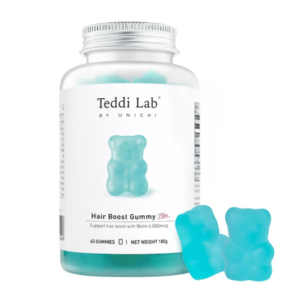
Unichi – Teddi Lab® Gummy Bears Gummy Bears for Hair Growth Upgraded Sea Salt and Green Titanium Flavour 60 Capsules
Original price was: $170.00.$125.00Current price is: $125.00. Add to basket -
Sale!
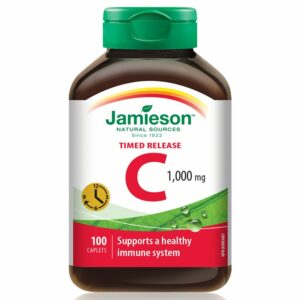
Jamieson – Long Lasting Vitamin C 1000mg 100 Tablets
Original price was: $138.00.$108.00Current price is: $108.00. Add to basket -
Sale!
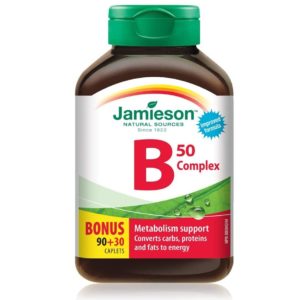
Jamieson – Natural Vitamins B complex 50 120 capsules
Original price was: $168.00.$98.00Current price is: $98.00. Add to basket -
Related Post:
![世界心臟日護心飲食場景,香港中年夫婦享用豆漿、豆腐、雞蛋與堅果,旁有心臟及細胞膜卡通示意]()
World Heart Day: Heart Health in Hong Kong Starts with Daily Life | What are the Benefits of Lecithin? Which of Three 1200mg Products to Choose From?
![香港女士在家規劃日程與Jamieson維柏健Kirkland維他命B12產品]()
Where to choose Vitamin B12 in Hong Kong? Supplementation and testing guidelines for memory loss, fatigue, and numbness in the hands and feet.
![香港女士益生菌選購指南:蔓越莓與益生菌膠囊]()
Hong Kong Women's Probiotic Recommendations and Purchasing Guide: How to Choose Cranberry, Strain, and Dosage Form?
![香港益生菌推薦及選購比較,成人、長者、女士及兒童益生菌選擇指南]()
Hong Kong Probiotics Recommendations and Buying Guide: How to Choose for Adults, Seniors, Women, and Children?