
















































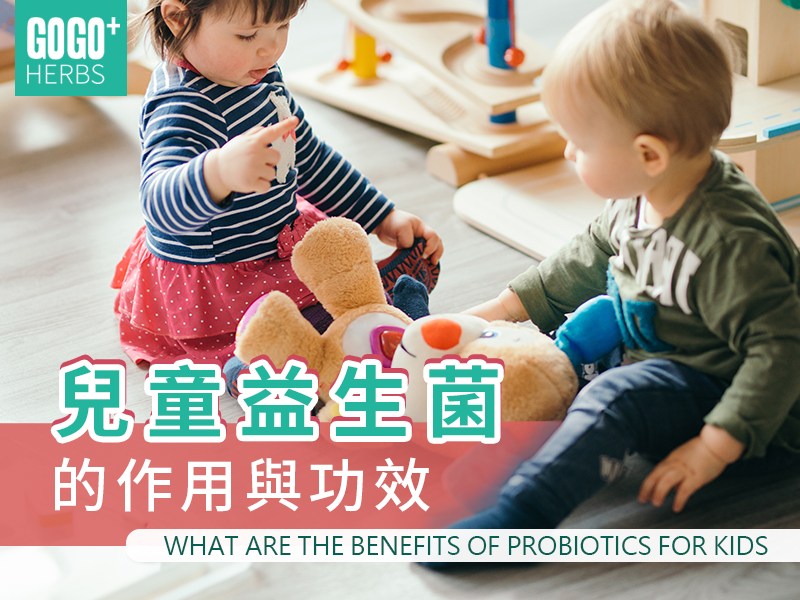
The effects and benefits of probiotics for children
Children also experience various infections. Although they are young, they are exposed to bacteria daily at home, in daycare, or while playing in the park. Bacterial infections can seriously affect children's health. Studies have shown...probioticsIt can help with certain childhood illnesses, such as preventing diarrhea in children taking antibiotics. Some studies also recommend probiotics for children with constipation and irritable bowel syndrome, and some ongoing studies suggest that probiotics may help treat childhood skin problems.
Related reading:What is the difference between probiotics and prebiotics?
What are probiotics?
probioticsThese refer to "beneficial" bacteria that maintain gut health. The human gut contains both good and bad bacteria, especially the intestinal tract, where the number of bacteria can exceed one billion. However, we often do things that reduce the number of beneficial bacteria in our bodies. When our beneficial bacteria are insufficient to fight off harmful bacteria, we feel unwell. Therefore,Supplementing with probioticsProbiotics can increase the number of beneficial bacteria in the body, thus fighting off harmful bacteria that affect our health. They can also strengthen our immune system. When we take probiotics, our bodies produce antibodies to fight off harmful organisms that make us sick. Probiotics can also prevent harmful bacteria from multiplying and consuming the intestinal lining.
Some probiotic strains that are particularly beneficial for children belong to the Lactobacillus, Streptococcus, and Bifidobacterium families. Therefore, if you are planning to buy probiotics for your child, you should pay attention to those with these names, such as "Lactobacillus paracasei" (LP) or "Bifidobacterium animalis".
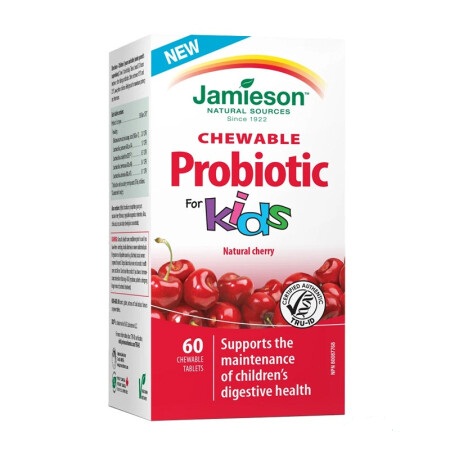
Recommended product: Jamieson - Natural Cherry Flavored Probiotic Chewable Tablets for Children
How can I buy probiotics for children?
Probiotic SupplementIt comes in powder, tablet, capsule, and softgel forms. Because this supplement is primarily for children's health, it is made into chewable, fun tablets to appeal to children's tastes. Today's food processing plants add probiotics to many infant formulas, and some suppliers even add them to children's breakfast cereals, snack bars, and juices to enhance their health. Additionally, probiotics are naturally found in some fermented foods and soy products, including kimchi, yogurt, cheese, miso, and fermented black beans.
What are the benefits of probiotics for children?
Related reading:The effects and supplementation of probiotics
The following are some of the research-supported benefits of probiotics for children:
1. Probiotics can cure or prevent diarrhea caused by antibiotics.
As children grow older, there will inevitably be one or two reasons for them to take antibiotics. For example, you might give them antibiotics for a sore throat, ear infection, or bacterial skin infection. While antibiotics help clear out bad bacteria from the body, overuse can also clear out good bacteria. When this happens, the child's gut microbiota becomes imbalanced, leading to diarrhea. Because diarrhea requires more diapers, treatment can be expensive. Therefore, children need to take probiotics to increase beneficial bacteria in their bodies to maintain balance. Some studies have also shown that taking probiotics can shorten the duration of diarrhea in children.
2. Probiotics can prevent diarrhea and indigestion in children.
Children with a balanced gut microbiome tend to have better digestion. Constipation in children may be due to an imbalance in their gut microbiota. Children's probiotics help promote the growth of beneficial bacteria needed for digestion and absorption of food in the gut, and also help them produce the enzymes required for the digestive process. Giving probiotics to children with constipation helps regulate the gut and reduce symptoms such as bloating and gas.
3. Probiotics may reduce children's sugar addiction.
Research has found that the types of bacteria in a child's stomach often determine their appetite. Children who eat sugary foods carry certain bacteria that require more sugar to survive. Therefore, they have a way of communicating with the brain, making your child crave sweets more often. Studies have also found that probiotics can regulate children's gut bacteria, especially when combined with a healthy diet. Parents who tried this reported seeing signs of changes in their children's eating habits within seven days.
4. Probiotics can maintain a child's immune system.
Playful children are exposed to bacteria every day. Probiotics promote the production of antibodies, and giving children probiotics can ensure that they have enough beneficial bacteria to fight off bacterial and viral infections in their bodies.
Tips for giving children probiotic supplements:
- It is recommended to give it to children after they are one year old.probiotics;
- Probiotics should not be given to children who are seriously ill, including those undergoing chemotherapy or taking steroid medications;
- Always carefully read the product labels of probiotic supplements. Products containing strains of lactobacillus, streptococcus, and bifidobacteria are suitable for children.
- If you have any questions, please consult a pediatrician before giving your child probiotic supplements.





Author. Michael Yeung
Related Products:
-
Sale!

G-NiiB – Immuno+ 28 packs
Original price was: $498.00.$365.00Current price is: $365.00. Add to basket -
Sale!

G-NiiB – Immunity Pro Immunity Pro Formula 28 packs
Original price was: $598.00.$498.00Current price is: $498.00. Add to basket -
Sale!
 Out of stock
Swisse – Ultiboost Odorless High Concentration Wild Fish Oil 1500mg 400 Capsules
Original price was: $298.00.$220.00Current price is: $220.00. Read more -
Sale!

G-NiiB – Immuno+ 28 packs x 3 bottles
Original price was: $1,494.00.$1,050.00Current price is: $1,050.00. Add to basket