




























































Can you still eat sprouted scallions, garlic, and ginger?
Sprouting of scallions, garlic, and ginger is usually a phenomenon of continued growth during storage and does not necessarily mean the production of natural toxins like sprouted potatoes. Whether or not they are safe to eat depends on their overall condition.
- You could consider cleaning and cooking it:The body is still dry and firm, with only a few buds, and no mold, rot, sliminess or odor.
- Recommendation: DiscardThe surface is covered with mold, the inside is black or softened in large areas after being cut open, or it smells sour, has a strong alcoholic smell, or has a distinct rotten smell.
- Handling method:Remove buds and damaged parts, clean knives and cutting boards to avoid cross-contamination with ready-to-eat foods, and heat thoroughly.
The flavor may become bitter or bland after sprouting, so "safety" and "taste" are two different things. If you are unsure how long the food will last, or if it has already shown obvious signs of spoilage, it is usually more reasonable to discard it than to risk eating it.
Can sprouts be eaten raw? First, distinguish between "sprouted ingredients" and "sprouts".
Mung bean sprouts, soybean sprouts, alfalfa sprouts, radish sprouts, and other similar sprouts are cultivated in warm, humid environments. While these conditions are conducive to plant growth, they can also allow Salmonella, E. coli, or Listeria to multiply; rinsing with water may not completely eliminate the risk. The FDA has noted that raw or undercooked sprouts have been linked to foodborne illness outbreaks, and thorough cooking can reduce the risk.
- For general adults: Refrigerate after purchase, consume as soon as possible, and wash and heat according to package instructions.
- Pregnant women, young children, the elderly, and people with weakened immune systems: Avoid eating raw or undercooked sprouts; it is best to cook them thoroughly.
- If the bean sprouts are slimy, smelly, discolored, or the packaging is swollen: do not taste them, discard them immediately.
Which sprouted or spoiled foods should be thrown away?
1. Potatoes that have sprouted, turned green, or have a strong bitter taste.
Green parts, eyes, and sprouted areas of potatoes may contain higher levels of glycoalkaloids, such as solanine. The UK Food Standards Agency warns that sprouted, green, or light-exposed potatoes may have higher levels of these alkaloids in these areas. Potatoes that are extensively green, severely wrinkled, have many sprouts, or taste unusually bitter should be discarded; do not attempt to "eliminate" the risk by soaking or cooking them.
2. Moldy, rotten, or foul-smelling food.
Foods with mold, black spots, and accompanied by softness, oozing, sliminess, sourness, or a wine-like smell should be considered spoiled. In particular, foods with high water content, such as tomatoes, cabbage, and pumpkins, should not be consumed after simply cutting off a small piece from the surface.
3. Unripe tomatoes: Do not equate "unripe" with "poisonous".
Green tomatoes contain more natural glycoalkaloids, which generally decrease as they ripen. Occasional consumption in small amounts should not be simplistically interpreted as "certain poisoning," but it is not recommended to eat large quantities of unripe green tomatoes raw; if they have softened, become moldy, or have an off-odor, they should be discarded.
4. Homemade pickled foods: Do not use a fixed number of days to judge safety.
The safety of pickled vegetables depends on salinity, acidity, temperature, container hygiene, recipe, and fermentation status; it cannot be guaranteed simply by saying "pickled for a few days." Homemade pickled vegetables should not be consumed if they show signs of mold, off-odors, sliminess, abnormal gas production, or unclear storage conditions. Commercially available products should be stored according to packaging instructions and expiration dates.
How can we preserve food to prevent it from spoiling?
- When purchasing, choose ingredients that are not severely bruised, leaking, moldy, or have an unusual odor.
- Store dried root vegetables such as scallions, garlic, and ginger in a cool, dry, and well-ventilated place, avoiding sealing them in damp plastic bags.
- Sprouts and cut fruits and vegetables should be refrigerated as needed and consumed as soon as possible; do not store spoiled ingredients in the same container as fresh ingredients.
- Use different knives or cutting boards for raw and cooked foods; clean your hands, knives, and countertops after handling sprouts or raw meat.
- When unsure whether something is safe, do not rely on tasting it to determine its safety; foodborne pathogens may not necessarily change the appearance or smell of food.
Examples of Gogo Herbs' "Immune System Health" category products
A balanced diet, sufficient sleep, exercise, handwashing, and appropriate vaccinations are all essential foundations for maintaining good health. Health supplements cannot make spoiled food safe, nor can they replace treatment or guarantee a "boosted immunity." The following information is for ingredient and product type reference only; please choose based on age, diet, medications, and individual needs before purchasing:
G-NiiB Immunity+ 28 packetsThe product page lists the probiotic and prebiotic formulas; suitable for those who want to learn about gut-related nutritional products for comparison. The product page also indicates usage recommendations for children aged 2 and above; young children, people with lactose intolerance, or those with medical conditions should consult a doctor first.

Jamieson Vitamin C + Zinc Chewable TabletsThe product page lists the vitamin C and zinc content of each capsule and provides age-appropriate dosage guidelines. Do not rely on high doses of vitamin C or zinc as a guarantee against infection, and be mindful of taking them in combination with other multivitamins.

Life Space Upgraded Adult ProbioticsThe product page lists 15 strains and information on each CFU; if you are receiving immunosuppressive therapy, hospitalized for serious illness, or have a serious chronic disease, consult a medical professional first.
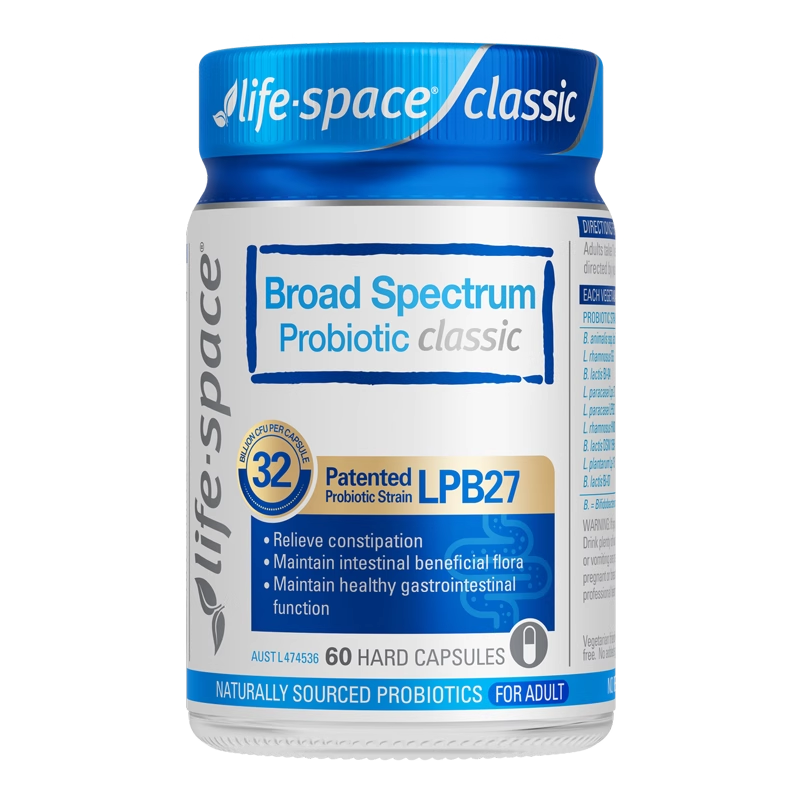
Life Space Children's 3–12 Years Old Probiotic PowderThe product page indicates that it is for children's age group; children should use any supplements as indicated on the label or as advised by a doctor, and should not use them to delay seeking medical attention for fever, dehydration or persistent diarrhea.

The product links above are for readers to compare product information only. Health claims on product pages are not equivalent to medical evidence of treatment, diagnosis, or prevention of disease. Please read the label before actual use and consult a doctor or pharmacist if necessary.
Frequently Asked Questions
Can you eat the green parts of a sprouted scallion?
If the scallions are still fresh, firm, and free from mold or rot, they can usually be washed and cooked; however, if they are slimy, have an off-odor, or are mushy in large areas, they should be discarded.
Is garlic poisonous after it sprouts?
Sprouted garlic is not necessarily poisonous, but it may become bitter, dry, or of lower quality. As long as it is not moldy, rotten, or has an off-odor, the sprouts can be removed before cooking; if unsure, do not consume it.
Can I just remove the sprouts from a sprouted potato?
If the sprouts are very small, the potato is still firm, and hasn't turned green, some food safety guidelines recommend removing the eyes and green parts. However, if there is extensive sprouting, greening, wrinkling, or a noticeable bitter taste, the entire potato should be discarded. Do not consider it a safe food to eat.
What should I do if I feel unwell after eating spoiled food?
If you experience persistent vomiting, diarrhea, fever, bloody stools, dehydration, or difficulty breathing, or if you are an infant, elderly person, pregnant woman, or person with a weakened immune system, you should contact a doctor as soon as possible; do not use health supplements instead of medical treatment.
References
- FDA: Food safety of fruits, vegetables, and sprouts
- FDA: People at high risk of foodborne illness
- UK Food Standards Agency: Natural Toxins Data
This article provides general health and food safety information and does not replace the personal advice of a doctor, pharmacist, or registered dietitian. Food safety regulations, product packaging, and inventory may be updated; please refer to the latest product labeling before purchasing and consuming.
Related Post:
![母親用滴管把少量植物藻油滴在食物匙上,幼兒坐在餐桌旁]()
A Complete Guide to Plant-Based Algae Oil Omega-3: Odorless, Vegetarian, and Suitable Omega-3 Choices for Pregnant Women and Infants
![牛樟芝子實體與膠囊製品示意]()
What is Antrodia camphorata? A complete guide to its ingredients, research evidence, and precautions for consumption.
![世界心臟日護心飲食場景,香港中年夫婦享用豆漿、豆腐、雞蛋與堅果,旁有心臟及細胞膜卡通示意]()
World Heart Day: Heart Health in Hong Kong Starts with Daily Life | What are the Benefits of Lecithin? Which of Three 1200mg Products to Choose From?
![香港關節健康洞察報告封面:中年及長者在香港步行]()
How to choose joint health supplements? 8 best-selling formulas and repurchase information help you find the right daily option.