



























































What are the differences between whey, soy, and rice protein?
| Protein sources | Main features | Pay attention when making a choice. |
|---|---|---|
| whey protein | Derived from milk, it contains all essential amino acids, usually with a high content of leucine, and is digested relatively quickly. | Lactose intolerance, dairy allergy, formula sugar and calories; whey protein isolate is usually low in lactose, but you should still check the label. |
| Soy protein | Plant-based complete protein, containing all essential amino acids, is suitable for vegetarians or those who want to increase their plant protein intake. | Soy allergies, product sweeteners, and additional ingredients; individual tolerance to soy varies. |
| Rice protein | Plant-based and dairy-free, suitable for some people who are intolerant to dairy or soy. | The amino acid ratio may differ from that of whey or soy; it depends on whether each serving of protein is mixed with other plant proteins. |
A "complete" protein source means that it contains all nine essential amino acids that the body needs, but complete doesn't necessarily mean that a particular protein is better for you than another. The actual protein content per serving, leucine content, total diet, training regimen, and digestive tolerance are all equally important.
Who is whey protein suitable for?
Whey is a protein source from the milk production process and is commonly used by fitness enthusiasts, people who need a convenient way to supplement protein, and those who cannot easily eat a regular meal after exercise. It contains complete essential amino acids and a high proportion of branched-chain amino acids, which help provide the protein needed for muscle repair when combined with a proper diet and training regimen.
However, whey is not a guarantee of "the faster it's absorbed, the better" or a sure sign of muscle gain. If you experience bloating, diarrhea, or stomach pain after consuming it, it may be related to lactose, dairy proteins, or sweeteners in the product. You can try a lower lactose formula, reduce the serving size, or choose plant-based protein. If you experience a rash, swollen lips, or difficulty breathing, stop consuming the product and seek medical attention.
Who is soy protein suitable for?
Soy protein is a complete plant-based protein, making it a viable option for vegetarians, those looking to reduce dairy consumption, or those requiring a diverse protein source. A 2020 12-week resistance training study, when whey and soy proteins were paired based on leucine content, showed no significant difference in muscle growth and strength improvement between the two groups; this suggests that total protein intake and formulation are more important than simply debating whether "whey is definitely better than soy."
Isoflavones in soy products are not the same as female hormone medications; nor should they be equated with regular food portions or concentrated protein powder formulas. People with soy allergies should avoid soy, and those taking thyroid medications or with other chronic conditions should consult their doctor or pharmacist before consuming it.
Who is rice protein suitable for?
Rice protein is plant-based and dairy-free, making it suitable for those who want to avoid dairy or soy. It can be incorporated into resistance training and total protein intake, but the protein purity, amino acid ratio, taste, and additives vary greatly between different products.
Rice protein is often considered a plant-based protein source with an incomplete amino acid profile or low leucine content. Therefore, increasing the appropriate portion size or combining it with other plant-based proteins such as beans and peas can make the overall diet more balanced. Studies have also observed that 24 grams of rice protein and whey protein can support training adaptation when combined with 8 weeks of resistance training; however, the study samples and products may not represent all people or all brands.
How to choose based on goals?
- To make it easier to supplement and accept dairy products:Whey may be a good option, especially for those who value complete amino acids and high leucine content.
- Vegan or looking for plant-based complete protein:Soybeans can be considered, and tofu, soy milk, edamame, and other beans can be added to your daily diet.
- Avoid dairy and soy:Consider rice protein and check each serving of protein and whether it is mixed with other plant proteins.
- Controlling weight:Compare the protein, sugar, fat, calories, and satiety levels of each serving; don't just look at the words "high protein."
- Muscle building:Protein powder is just a convenient food and cannot replace resistance training, adequate total calories, and a normal diet.
- Elderly or those with insufficient food intake:An assessment should be made by a doctor or nutritionist based on weight, activity level, dental health, kidney function, and overall diet.
Precautions for drinking protein powder
- First, look at the tags:Compare the protein, calories, sugar, sodium, caffeine, sweeteners, and allergens in each serving.
- Do not blindly exceed the recommended dosage:Drinking more protein powder does not necessarily mean more muscle; excessive consumption may also increase the burden on the digestive system and total calories.
- Kidney disease, liver disease, or the need to restrict protein intake:You must consult a doctor before taking this medication; do not follow the dosage recommended by fitness enthusiasts.
- Food allergies:Whey/dairy, soy and other plant-based ingredients may cause allergies; be aware of your body's reaction when using it for the first time.
- Remember product safety:Choose products with clearly labeled ingredients and reliable sources, and store and use them as recommended.
Common Questions about Whey, Soy, and Rice Protein
Is whey protein always better than plant protein?
Not necessarily. Whey protein generally has a better ratio of leucine to essential amino acids, making it easier to supplement, but soy is a complete plant protein, and rice protein is also a plant source. The best choice is a product that you can digest, that fits your dietary choices, and that you can use long-term.
Does soy protein affect male hormones?
It is incorrect to equate regular soy foods or moderate amounts of soy protein with lowering male hormones. Research results can be affected by dosage, time, individual circumstances, and product differences; if you have a hormonal disorder or are undergoing treatment, you should consult your doctor.
Can rice protein help build muscle?
It can be included as part of your total protein intake, especially when combined with resistance training; however, the effects of different rice protein products vary depending on the serving size, overall amino acids, portion size, and total diet.
Do people who don't exercise need to drink protein powder?
Not necessarily. Many people can get enough protein from dairy products, eggs, fish, meat, tofu, beans, and grains. Protein powder is mainly for convenient supplementation and is suitable for people with insufficient food intake, busy lifestyles, or specific nutritional needs; not everyone needs it.
Conclusion
Whey, soy, and rice proteins each have their own suitable applications. When choosing, compare protein content, essential amino acids, digestive tolerance, allergens, dietary preferences, and product quality, rather than simply pursuing the "best" of a particular protein. First, ensure your overall diet and training fundamentals are met, then use protein powder as a convenient and appropriate nutritional tool.
Related Products:
-
Sale!
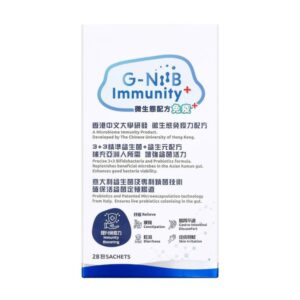
[Price as low as $330 in stores] G-NiiB – Immunity+ 28 packets
Original price was: $498.00.$365.00Current price is: $365.00. Add to basket -
Sale!
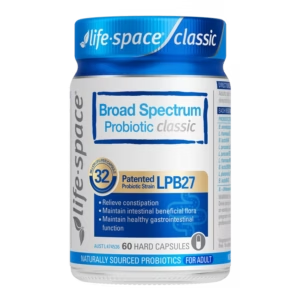
Life Space – Upgraded Adult Probiotics 32 billion 60 capsules
Original price was: $198.00.$145.00Current price is: $145.00. Add to basket -
Sale!
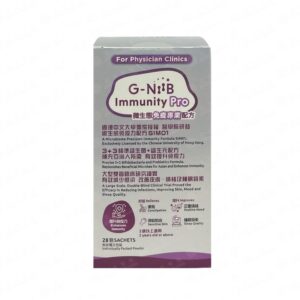
G-NiiB – Immunity Pro Immunity Pro Formula 28 packs
Original price was: $598.00.$498.00Current price is: $498.00. Add to basket -
Sale!
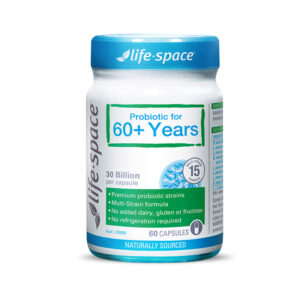
Life Space – Elder 60+ Probiotic 30 billion 60 capsules
Original price was: $198.00.$145.00Current price is: $145.00. Add to basket
Related Post:
![母親用滴管把少量植物藻油滴在食物匙上,幼兒坐在餐桌旁]()
A Complete Guide to Plant-Based Algae Oil Omega-3: Odorless, Vegetarian, and Suitable Omega-3 Choices for Pregnant Women and Infants
![牛樟芝子實體與膠囊製品示意]()
What is Antrodia camphorata? A complete guide to its ingredients, research evidence, and precautions for consumption.
![世界心臟日護心飲食場景,香港中年夫婦享用豆漿、豆腐、雞蛋與堅果,旁有心臟及細胞膜卡通示意]()
World Heart Day: Heart Health in Hong Kong Starts with Daily Life | What are the Benefits of Lecithin? Which of Three 1200mg Products to Choose From?
![香港關節健康洞察報告封面:中年及長者在香港步行]()
How to choose joint health supplements? 8 best-selling formulas and repurchase information help you find the right daily option.