






























































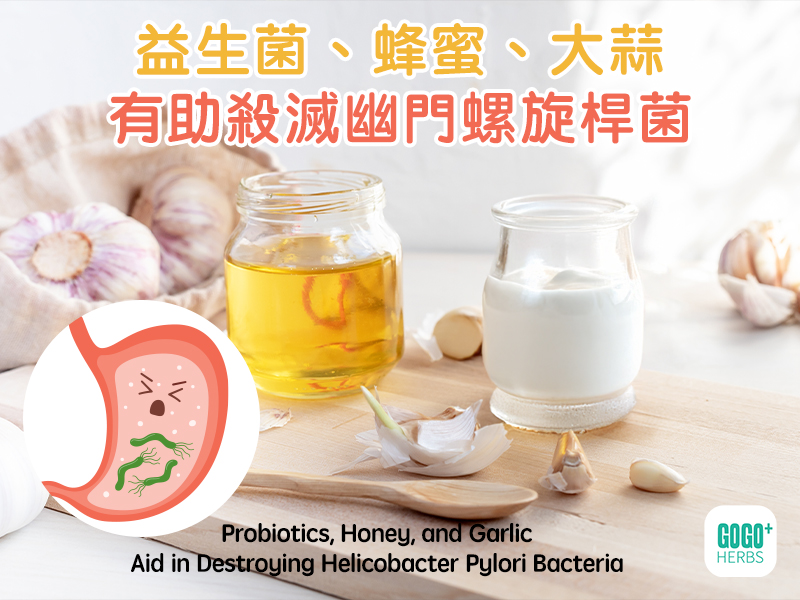
Many people search for questions like "Can honey kill Helicobacter pylori?", "Can I eat garlic without taking medication?", or "Are probiotics effective?". This article provides a more practical overview: which claims have research backing, which cannot be determined solely by food, and how to handle an infection if it is discovered.
What is Helicobacter pylori?
Helicobacter pylori (Helicobacter pyloriHelicobacter pylori (H. pylori) is a bacterium that can survive in the stomach. Some infected individuals experience no noticeable symptoms; others may experience upper abdominal discomfort, bloating, nausea, stomach pain, or changes in appetite. These symptoms are not specific to Helicobacter pylori and cannot be diagnosed by self-diagnosis based on symptoms alone.
Infections are associated with problems such as gastritis and peptic ulcers. Therefore, if you experience persistent discomfort, have a history of ulcers, or your doctor deems it necessary, you should undergo appropriate examinations instead of relying solely on dietary remedies.
How to test for Helicobacter pylori?
Doctors can arrange different examinations based on symptoms, age, medical history, and warning signs. Common examination methods include:
- Urea breath test:It is commonly used to detect whether there is currently an active infection, and can also be used for follow-up examinations after a course of treatment.
- Fecal antigen test:It can also help determine the status of active infection and the outcome after eradication.
- Gastroscopy and biopsy:If the doctor deems it necessary to directly assess the stomach, ulcers, or other risk factors, an appointment will be considered.
Some stomach medications, bismuth preparations, and antibiotics can affect the accuracy of tests. Before preparing for a test or retest, you should take medication as instructed by your doctor or laboratory center; do not stop taking medication on your own based on online advice.
Correct management after diagnosis: eradication therapy and follow-up examination
The eradication of Helicobacter pylori primarily relies on a doctor-prescribed combination therapy, which typically includes two or more antibiotics, stomach acid suppressants, and in some cases, bismuth preparations. The specific combination can be influenced by antibiotic resistance, past medication use, drug sensitivities, and individual medical history. It is not recommended to purchase antibiotics on your own or copy someone else's treatment regimen.
Completing the treatment course does not mean that the disease has been eradicated.Current clinical guidelines emphasize that follow-up examinations should be performed after treatment using breath tests, stool antigen tests, or designated biopsies. Evaluation is generally conducted at least 4 weeks after completion of the treatment course; the discontinuation of antacids, bismuth preparations, and antibiotics should also be based on the doctor's instructions to avoid false negative results.
If you experience severe diarrhea, rash, difficulty breathing, or other suspected adverse drug reactions while taking the medication, you should contact your doctor or pharmacist as soon as possible, rather than stopping the medication on your own or using folk remedies.
Honey, garlic, and broccoli: Can they kill bacteria?
Honey: Laboratory observations do not equate to the ability to eradicate infection.
Honey contains sugars, organic acids, and other components, and some studies explore its antibacterial properties. However, inhibiting bacteria in the laboratory does not mean that daily consumption of honey can eradicate Helicobacter pylori in the human stomach. Honey cannot currently be considered a treatment; moreover, honey itself contains sugar and must be included in the overall diet.
Garlic: Not a substitute for antibiotics
While the sulfur compounds in garlic are often studied for their antibacterial potential, this does not mean that eating raw garlic or taking garlic supplements can replace eradication therapy. People with stomach upset may experience worsened heartburn, stomach pain, or bloating if they consume large amounts of raw garlic. Those taking anticoagulants or other medications should consult a healthcare professional before using high-dose supplements.
Broccoli and sulforaphane: can be part of a balanced diet
Broccoli and its sprouts contain sulforaphane, and research is still exploring its relationship with stomach health. Incorporating different vegetables into your daily diet is a reasonable practice, but it should not be packaged as a "food therapy to kill Helicobacter pylori," nor should it delay examination and treatment.
What role do probiotics play? Can they be used in conjunction with eradication therapy?
Probiotics are live microorganisms, and different species, strains, dosages, and formulations have different effects. Some studies explore whether the use of probiotics with antibiotics can help improve tolerance or reduce antibiotic-related gastrointestinal discomfort; however, the results depend on the specific strain and study design, and cannot be generalized to "any probiotic can kill bacteria" or "will definitely improve the eradication rate".
Therefore, if a doctor agrees to the use of probiotics, it should be understood as...Gut comfort and nutritional management support optionsThis is not a medication for Helicobacter pylori and should not replace a course of antibiotics or follow-up examinations afterward. Individuals with compromised immune function, undergoing treatment for serious illness, who are pregnant/breastfeeding, or taking multiple medications should consult a doctor or pharmacist before use.
What dietary and lifestyle changes can be made when experiencing stomach discomfort?
- Eat regularly, chew slowly, and avoid overeating after a long period of fasting.
- The meals should be based on vegetables, fruits, whole grains, and a moderate amount of protein, and adjusted according to individual tolerance.
- Be mindful of your trigger foods; alcohol, smoking, excessive caffeine, and greasy or spicy foods can worsen stomach discomfort for some people.
- Avoid taking painkillers and anti-inflammatory drugs (NSAIDs) for extended periods without medical advice; consult a doctor or pharmacist if necessary.
- While undergoing eradication therapy, complete your prescriptions on time and proactively inform your doctor about all health supplements and over-the-counter medications.
The above habits can help maintain gastrointestinal comfort, but they cannot eliminate Helicobacter pylori.
When should you seek medical attention as soon as possible?
If you experience any of the following, seek medical attention or be evaluated at the emergency room as soon as possible: vomiting blood, vomit resembling coffee grounds, black tarry stools, persistent or severe abdominal pain, recurrent vomiting, difficulty swallowing, unexplained weight loss, dizziness, fainting, or anemia-related symptoms. These conditions should not be treated with honey, garlic, probiotics, or self-medicated products.
Frequently Asked Questions
Can honey kill Helicobacter pylori?
Honey should not be considered a cure. Even though there are laboratory studies exploring its antibacterial properties, they are insufficient to prove that eating honey can clear stomach infections.
Can eating garlic replace antibiotics?
No. Garlic is not a standard eradication treatment for Helicobacter pylori, and large amounts of raw garlic may irritate the stomach.
Are probiotics worth taking?
It can be used as an adjunct to daily gut health care or antibiotic treatment, depending on individual circumstances and the advice of healthcare professionals; its effectiveness depends on the strain and individual condition, and it cannot replace prescription drugs.
How do I know if the disease has been eradicated after the treatment is completed?
Appropriate follow-up tests should be performed, such as a urea breath test or a stool antigen test. Please follow your doctor's instructions regarding the timing and preparation for discontinuing medication to avoid inaccurate results.
Related Products:
-
Sale!
[Price as low as $330 in stores] G-NiiB – Immunity+ 28 packets
Original price was: $498.00.$365.00Current price is: $365.00. Add to basket -
Sale!
Life Space – Upgraded Adult Probiotics 32 billion 60 capsules
Original price was: $198.00.$145.00Current price is: $145.00. Add to basket -
Sale!
G-NiiB – Immunity Pro Immunity Pro Formula 28 packs
Original price was: $598.00.$498.00Current price is: $498.00. Add to basket -
Sale!
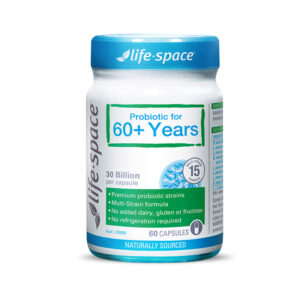
Life Space – Elder 60+ Probiotic 30 billion 60 capsules
Original price was: $198.00.$145.00Current price is: $145.00. Add to basket
Related Post:
![母親用滴管把少量植物藻油滴在食物匙上,幼兒坐在餐桌旁]()
A Complete Guide to Plant-Based Algae Oil Omega-3: Odorless, Vegetarian, and Suitable Omega-3 Choices for Pregnant Women and Infants
![牛樟芝子實體與膠囊製品示意]()
What is Antrodia camphorata? A complete guide to its ingredients, research evidence, and precautions for consumption.
![世界心臟日護心飲食場景,香港中年夫婦享用豆漿、豆腐、雞蛋與堅果,旁有心臟及細胞膜卡通示意]()
World Heart Day: Heart Health in Hong Kong Starts with Daily Life | What are the Benefits of Lecithin? Which of Three 1200mg Products to Choose From?
![香港關節健康洞察報告封面:中年及長者在香港步行]()
How to choose joint health supplements? 8 best-selling formulas and repurchase information help you find the right daily option.