




















































What are lutein and zeaxanthin?
Lutein and zeaxanthin are both carotenoids. They concentrate in the macula and lens of the eye, and may help absorb some high-energy visible light and provide antioxidant effects. This means they "support the structure and nutrition of the eye," not that they can offset all the effects of blue light, nor that they can cure vision problems.
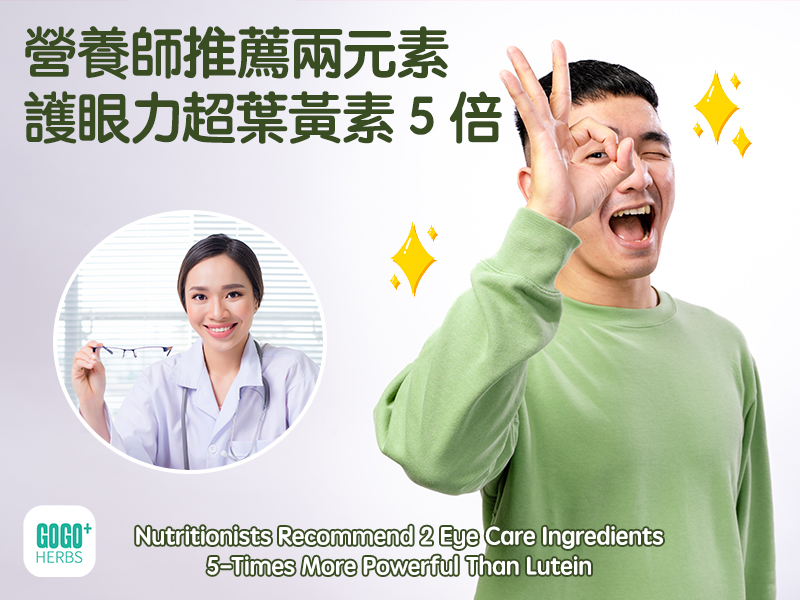
The statement that "zeaxanthin is 5 times more effective than lutein" is not a scientific standard applicable to all products, all eye diseases, or all people. The two nutrients have different sites of action, food sources, dosages, and study designs, and cannot be compared solely based on multiples to determine which is necessarily more effective.
What evidence is there that these two nutrients are good for the eyes?
A study by the National Eye Institute (NEI) on AREDS2 showed that specific AREDS2 formulations can help...Mid-stage age-related macular degeneration (AMD) is already present.The study aimed to slow down the risk of deterioration in people with AMD; however, the study subjects and formulations had specific conditions and could not be directly applied to ordinary people without AMD.
AREDS2 is not a standalone lutein or zeaxanthin product, but a specific formula containing vitamin C, vitamin E, zinc, copper, 10 mg of lutein, and 2 mg of zeaxanthin. The NEI also points out that these supplements cannot prevent the onset of AMD, nor is there evidence that they can prevent cataracts. Therefore, you should not self-medicate with any lutein product as AREDS2 treatment unless an ophthalmologist has assessed you for related retinal conditions.
Can supplements immediately relieve eye fatigue after prolonged screen time?
Eye strain caused by 3C technology is often related to factors such as prolonged close-range use of the eyes, reduced blinking frequency, dry eyes, light reflection, posture, and improper vision correction. Lutein or zeaxanthin are not immediate anti-fatigue medications and cannot replace rest, eye examinations, and improving the eye-use environment.
Practical eye care habits include:
- Use the "20-20-20" rule: for every 20 minutes of screen time, look at something about 20 feet away for at least 20 seconds.
- Consciously blink, adjust screen brightness, text size, viewing distance, and indoor glare.
- Avoid staring at a bright screen in a dark environment for extended periods of time, and maintain proper posture.
- If you experience persistent dryness, stinging, headache, double vision, or blurred vision, schedule an eye exam and do not simply increase the dosage of supplements.
Which foods contain lutein and zeaxanthin?
Dark green vegetables are common sources of lutein, such as spinach, kale, broccoli, and cauliflower; egg yolks, corn, and some orange-yellow vegetables can also provide carotenoids. Incorporating vegetables, fruits, legumes, fish, and eggs of different colors into a balanced diet is more practical than focusing on just one type of "eye-healthy superfood."
The nutrients in food can be affected by the type of food, portion size, cooking method, and individual absorption capacity. If you already have a balanced diet, it doesn't necessarily mean you need to supplement with high doses of lutein; whether it's suitable to take it depends on your eye condition, diet, and medical advice.
Designated Product: Vebegen Lutein + Zeaxanthin

Vebegen – High Potency Lutein 25mg + Zeaxanthin 5mg 175 Soft CapsulesThe product page states that each capsule contains 25 mg of lutein and 5 mg of zeaxanthin, and recommends taking one capsule daily with meals, or as directed by a doctor.
This product can be considered as an option for people who want to supplement their lutein and zeaxanthin intake, but...It is not the complete AREDS2 formula, nor is it a medication for treating AMD, cataracts, glaucoma, myopia, or dry eye.It cannot guarantee immediate relief of screen eye strain. Read the product label before use; ophthalmologists should consult their doctor first.
Ingredient information, discounts, and stock availability on the product page may be updated; please double-check the product page before publishing an article.
Who should ask the doctor first?
- diagnosed fundus disease:In particular, people with AMD, macular edema, diabetic retinopathy, or glaucoma should not replace ophthalmic treatment with general eye care products on their own.
- Taking multiple medications or having a chronic illness:Have your doctor or pharmacist review your list of all health supplements and medications.
- People who smoke or have smoked:Do not choose older formulas containing high doses of beta-carotene on your own; AREDS2 uses lutein and zeaxanthin instead of beta-carotene because beta-carotene is associated with the risk of lung cancer in smokers.
- Sudden decrease in vision or abnormalities in the visual field:For example, if you suddenly experience blurred vision, flashes of light, a significant increase in floaters, a feeling of your vision being obscured by a black curtain, or severe eye pain, you should seek medical attention immediately instead of waiting for nutritional supplements to take effect.
Common Questions about Lutein and Zeaxanthin
Is zeaxanthin really 5 times more potent than lutein?
There is no single "5-fold" standard that applies to all eye health conditions. Both are retinal-related carotenoids, and their effects and research cannot be compared using only a single multiple.
Can lutein improve nearsightedness?
Lutein should not be used as a method to correct myopia. Myopia requires appropriate glasses, contact lenses, or an ophthalmological evaluation; myopia control in children should be handled according to professional ophthalmological advice.
Can lutein immediately relieve eye fatigue?
Do not expect immediate relief from eye strain. First, improve rest, blinking habits, screen distance, and lighting. If symptoms persist, have your eyes checked or consult a doctor.
Can people with AMD access freely buy any lutein?
Not recommended. AREDS2 is a formula developed for a specific stage of AMD research; people with AMD should consult their ophthalmologist to determine if they need it and which formula and dosage are most suitable.
Conclusion
Lutein and zeaxanthin are valuable nutrients for the eyes, but claims of "5 times better eye protection" are not reliable generalizations. A balanced diet, regular rest, proper eye care, and regular eye exams are more important than supplements alone. When choosing a product, carefully check the actual ingredients and dosage, and remember that a typical lutein product is not equivalent to AREDS2 and cannot replace eye care.
Related Post:
![母親用滴管把少量植物藻油滴在食物匙上,幼兒坐在餐桌旁]()
A Complete Guide to Plant-Based Algae Oil Omega-3: Odorless, Vegetarian, and Suitable Omega-3 Choices for Pregnant Women and Infants
![牛樟芝子實體與膠囊製品示意]()
What is Antrodia camphorata? A complete guide to its ingredients, research evidence, and precautions for consumption.
![世界心臟日護心飲食場景,香港中年夫婦享用豆漿、豆腐、雞蛋與堅果,旁有心臟及細胞膜卡通示意]()
World Heart Day: Heart Health in Hong Kong Starts with Daily Life | What are the Benefits of Lecithin? Which of Three 1200mg Products to Choose From?
![香港關節健康洞察報告封面:中年及長者在香港步行]()
How to choose joint health supplements? 8 best-selling formulas and repurchase information help you find the right daily option.