The answer will be given first:Corn (or maize) is classified as a whole grain in the internationally accepted definition of whole grains.This is because we eat whole grains that retain the bran, germ, and endosperm. However, whether corn is considered a vegetable or a whole grain varies depending on the food classification system of different regions: the United States classifies fresh sweet corn as a vegetable, while mainland China and Taiwan classify it as a whole grain (cereal). Regardless of its classification, one thing is very useful—corn has a much higher starch content than most leafy green vegetables, so it can be used to replace some white rice. This article will first clarify the definition of whole grains and the whole grain deficiency in Hong Kong, then use official data from the U.S. Department of Agriculture to compare corn, white rice, brown rice, and carrots, then explain the sodium content and "preservatives" in canned corn kernels, and finally summarize ways to get children to eat whole grains, as well as children's dietary fiber intake and the threshold for seeking medical attention.
To summarize: Four things you can do
If you only want to remember a few things, these four will be the most rewarding:
- Use millet instead of white riceSweet corn contains 2.0 grams of dietary fiber per 100 grams, while white rice contains only 0.4 grams (cooked weight). Replacing part of a bowl of rice with corn is one of the most direct ways to increase dietary fiber intake.
- Canned corn kernels are acceptable, but you need to choose the right variety.Choosing products that are "salt-free" or water-soaked (rather than sugar-soaked) and rinsing them with water and draining them before consumption can significantly reduce sodium intake.
- No need to do it all at onceStart by replacing white rice with "three-quarters white rice plus one-quarter red rice or brown rice" to allow children to gradually accept the taste. This is more likely to succeed than switching entirely to brown rice from the beginning.
- There's no need to give up white rice, nor is it necessary to force children to eat brown rice.The key is "partial replacement" and "diversification," rather than completely removing a particular food from the menu.
Is millet a whole grain? First, let's clarify the definition of "whole grain".
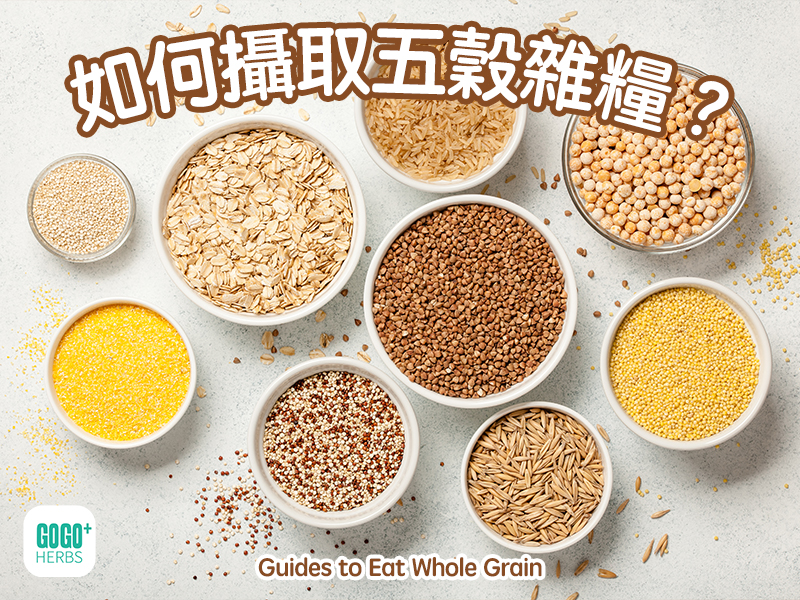
The common definition of "whole grain" is: grains that retain all the nutrients of grains.The three parts are bran, germ, and endosperm.Moreover, the proportions of the three components are similar to those of whole grains. By this standard, amaranth, barley, buckwheat, and other grains are classified as whole grains.Corn (including whole corn flour and popcorn)Millet, oats, quinoa, brown rice, rye, sorghum, and various types of wheat are examples. In contrast, white rice and white flour, which only retain the endosperm, are considered "refined grains."
Therefore, millet does indeed meet the definition of a whole grain. ButThere is disagreement on whether or not it counts as a whole grain.The reason is that different countries classify them from different perspectives:
- U.S. Department of Agriculture MyPlatePlace fresh, refrigerated, and canned sweet corn in the "Vegetables" category (because sweet corn is harvested before it is fully ripe and has a high moisture content), and place dried or powdered corn (such as corn flour or corn flakes) in the "Grains" category.
- Food classification in mainland China and TaiwanThe reason given is that millet is directly classified as "whole grains" (cereals) because of its high starch content, which makes it a staple food.
Both systems are valid, just with different perspectives. For consumers, the truly useful judgment is this:Millet can be eaten as a "partial staple food".Instead of treating it as a leafy vegetable.
By the way,Corn shoots(Also known as baby millet or pearl millet) refers to immature millet, which is high in moisture and low in starch. It has long been regarded as a vegetable. To eat whole grains, choose mature millet that can be eaten whole.
Insufficient Consumption of Whole Grains and Whole Foods: The Situation in Hong Kong and the Cost of Refined Starch
Hong Kong Department of HealthHealthy Eating Pyramid(Revised in 2014) It clearly states that "each meal should be mainly grains," and the tips for choosing grains are...Choose low-fat (e.g., non-fried) and whole-grain foods.It is recommended to choose more red rice, brown rice, oats (wheat bran), whole wheat bread, and wheat cakes, and less oily noodles, instant noodles, puff pastry tarts, and cakes.
Centre for Health Protection<Healthy Diet High Fiber>(Revised February 2024) It also lists "choosing high-fiber grains" as a primary method for increasing dietary fiber, with specific recommendations including...Replace some white rice with red rice or brown rice.It also reminds people to replace high-fat, high-sugar bread or cookies with whole-wheat bread or cookies.
Why differentiate between whole grains and refined grains? The difference lies in the milling process. White rice loses its bran and germ during processing, resulting in the loss of dietary fiber, magnesium, and B vitamins. A numerical comparison (per 100 grams of cooked grains) will make this clearer:
| food | Calories (kcal) | Carbohydrates (grams) | Dietary fiber (grams) | Protein (grams) | Potassium (mg) | Magnesium (mg) |
|---|---|---|---|---|---|---|
| Raw sweet corn | 86 | 18.7 | 2.0 | 3.27 | 270 | 37 |
| Cooked white rice | 130 | 28.17 | 0.4 | 2.69 | 35 | 12 |
| Cooked brown rice | 123 | 25.6 | 1.6 | 2.7 | 86 | 39 |
| Raw carrots | 41 | 9.58 | 2.8 | 0.93 | 320 | 12 |
As shown in Table 1, 100 grams of millet contains 5 times more dietary fiber than the same weight of cooked white rice, and more than 7 times more potassium (the above data are from the USDA FoodData Central, numbers 169998, 168878, 169704 and 170393 respectively).
Another frequently mentioned difference is the glycemic response. (University of Sydney)Glycemic Index DatabaseFor reference, sweet corn is approximately 48 to 55 (low to medium), white rice is approximately 72 to 73 (high), and brown rice is approximately 55 to 68 (medium). The reason is not hard to understand: whole grains retain the bran, and the dietary fiber slows down the rate at which sugar enters the bloodstream; refined grains lack this layer, causing blood sugar to rise more quickly. This also explains the mechanism mentioned in the original text: "Refined starch is digested quickly, blood sugar rises and falls rapidly, and it's easy to feel hungry again very quickly."
As for the claim that "children who eat more refined grains are more likely to develop type 2 diabetes, cardiovascular disease, and obesity in the long run," there is some research to support this, but the correct statement is "associated with a higher risk," not "eating white rice will cause disease." The next section will explain the actual figures and limitations of these studies.
Whole grains and chronic disease risk: Two large meta-analyses
Regarding the health benefits of whole grains, the two most frequently cited meta-analyses currently reach the same conclusion.
Aune 2013(European Journal of Epidemiology,PMID 24158434A meta-analysis of 16 prospective generational studies showed that for every additional 3 servings of whole grains consumed daily, the pooled relative risk of type 2 diabetes was [missing data]. 0.68(95% confidence interval 0.58 to 0.81); in contrast, refined grains had a confidence interval of 0.95 (0.88 to 1.04), which was not statistically significant. The study also found that white rice was associated with an increased risk. The authors directly recommended replacing refined grains with whole grains in their conclusion, and indicated that at least two servings of whole grains per day could help reduce the risk.
Aune 2016(BMJ)PMID 27301975This study included 45 studies and over 700,000 participants. Based on a daily intake of 90 grams of whole grain products, the risk was reduced by 191 TP4T for coronary heart disease, 221 TP4T for cardiovascular disease, 171 TP4T for all-cause mortality, 141 TP4T for stroke mortality, and 151 TP4T for cancer mortality. The authors specifically noted that...The most significant benefit came from increasing the intake from "not eating any" to "2 servings daily" (approximately 32 grams of whole grains).Further benefits will follow.
| Health indicators | result |
|---|---|
| Type 2 diabetes (3 additional servings of whole grains per day) | Merger relative risk 0.68(95% CI 0.58 to 0.81) |
| Type 2 diabetes (refined grains) | 0.95 (0.88 to 1.04, not statistically significant) |
| Coronary heart disease (90 grams of whole grain products daily) | Low risk 19% |
| Cardiovascular disease | Low risk 22% |
| All-cause death | Low risk 17% |
To be fair, this type of research is observational in nature.It can only display "correlation" instead of "causation".People with higher whole-grain intake often have other healthy habits (such as more exercise and less smoking). The authors also mention that existing evidence is mostly from Europe and America, with fewer studies from Asia. Even so, the conclusions of the two studies are consistent with public health recommendations in various regions: choose whole grains rather than refined grains as your staple food.
Nutritional information about millet: compared with white rice, brown rice, and carrots
The original text mentions that "the nutritional density of millet is about 6 times that of white rice." This figure has a source, but it should be interpreted with caution.
This comparison comes from an analysis by the Taiwan Nutrition Foundation based on their "nutrient density": sweet corn 0.48, oats 0.37, brown rice 0.25, whole wheat bread or toast 0.16, white toast 0.09.0.08g of white rice0.48 divided by 0.08 equals exactly 6 times. Therefore, the correct understanding is:For the same amount of calories, millet has a nutritional density score approximately six times that of white rice.It andnoThe statement claims that "millet contains six times more of every nutrient than white rice." This figure is based on the association's own analysis and is not an official standard; definitions should be provided when citing it.
So, based on data from the U.S. Department of Agriculture, what are the real advantages of corn? Primarily, it's rich in dietary fiber, potassium, and magnesium (see Table 1). Additionally, it contains 42 micrograms of folic acid and 6.8 milligrams of vitamin C per 100 grams. Corn has lower calories and higher water content than white rice, making it a good "partial rice substitute" that increases fiber and micronutrients while reducing the calorie density of the same bowl of rice.
There is one area where it is on par: millet protein is low in lysine and tryptophan, so it cannot replace protein foods such as meat, fish, eggs, and beans; however, eating millet with beans (for example, millet kernels with tofu or edamame) can complement each other in terms of protein composition.
Lutein and zeaxanthin in corn: This section will explain their eye-protection properties.
The original text stated that corn is "rich in lutein, zeaxanthin, and alpha-carotene," and claimed that "its eye-protecting effect is even more significant than that of carrots." Two corrections are needed here.
First, millet is not rich in alpha-carotene.According to data from the U.S. Department of Agriculture, 100 grams of sweet corn contains only [amount missing] alpha-carotene. 16 microgramsThe level is negligible. The true carotenoids in millet are...Lutein and zeaxanthin (644 micrograms)The next highest concentrations were β-cryptoxanthin (115 micrograms) and β-carotene (47 micrograms).
| food | Lutein + Zeaxanthin (micrograms) | beta-carotene (micrograms) | Alpha-carotene (micrograms) | β-cryptoxanthin (micrograms) | Vitamin A (micrograms RAE) |
|---|---|---|---|---|---|
| Sweet corn | 644 | 47 | 16 | 115 | 9 |
| carrot | 256 | 8,285 | 3,477 | 125 | 835 |
Second, the claim that "it's better for your eyes than carrots" conflates two different mechanisms.As shown in Table 3, the lutein and zeaxanthin content of corn is approximately 2.5 times that of carrots, which is partly true; however, the value of carrots lies in...Vitamin A precursor—8,285 micrograms of beta-carotene and 3,477 micrograms of alpha-carotene, which translates to 835 micrograms of Vitamin A (RAE), far exceeding the 9 micrograms found in corn. Vitamin A is related to night vision and corneal health; while lutein and zeaxanthin are the main pigments in the macular region of the retina, and their locations and mechanisms of action are different. Therefore, a more accurate statement is:Corn is a good source of lutein, and carrots are a good source of vitamin A. Both have their own value, and there is no question of "which is more significant than the other".
Regarding the empirical evidence for supplements, there are some points that need to be addressed. The AREDS2 study (JAMA 2013)...PMID 23644932The study included 4,203 individuals aged 50 to 85 at risk of macular degeneration, with the addition of 10 mg of lutein and 2 mg of zeaxanthin to the existing formula.The primary endpoint (progression to advanced macular degeneration) did not reach statistical significance.However, since the β-carotene group had a higher incidence of lung cancer among former smokers, the study suggests that lutein and zeaxanthin could be alternatives to β-carotene in the formulation.
A more conservative conclusion is that a diet rich in dark green leafy vegetables (spinach, kale, broccoli) and corn, which are rich in lutein, is a reasonable and low-risk approach. As for whether lutein supplements are needed and the dosage, it is advisable to consult an ophthalmologist or registered dietitian. For information on lutein food sources and serving sizes, please refer to the resources on this website.What are the functions of lutein and zeaxanthin? Eye-protecting nutrition and 3C (computer, communication, and consumer electronics) eye care guidelines.。
Canned Corn Kernels: Convenience, Sodium Content, and the Truth About "Preservatives"
The original text stated that "canned foods use vacuum sealing and high-temperature sterilization technology, so they can be preserved for a long time without the need for additional preservatives." This statement is...YesMoreover, it can be explained in more detail.
According to the USDA Food Safety and Inspection Service〈Shelf-Stable Food Safety〉To explain, canned food is made by placing it in an airtight vacuum container and then heating it at approximately 250°F (about 121°C) to kill microorganisms and deactivate enzymes. Upon cooling, a vacuum seal is formed, preventing new bacteria from entering. The food reaches a "commercially sterile" state inside the can, thus eliminating the need for preservatives and allowing for long-term preservation. Incidentally, "no added preservatives" does not mean "no additives"—canned food may still contain salt, sugar, and other flavoring ingredients, so it's worth checking the nutrition label on the back when purchasing.
However, there are still a few things to note about canned corn kernels:
- Sodium contentSalted canned corn contains about 280 mg of sodium per 100 grams, while fresh sweet corn contains only about 15 mg. To reduce sodium intake, choose products labeled "no added salt" or "low sodium" and rinse and drain with water before eating.
- Sugar water versionSome canned or glass-bottled corn is soaked in sugar water; it is better to choose the "water-soaked" or sugar-free version.
- Can body statusDiscard any can with dents, damage, or bulging (protruding) ends on the lid, and do not consume the contents.
- Post-opening processingUneaten corn after opening should be refrigerated and consumed as soon as possible; it should not be left in the can at room temperature.
It's important to note that these reminders are not evidence that "canned food is unhealthy." The convenience, ready-to-eat nature, and children's acceptance of canned corn are precisely where its usefulness lies in busy families. A reasonable approach is to use canned corn as one convenient option, paired with fresh vegetables, fruits, and protein foods, rather than relying solely on canned whole grains in the long run.
Three practical ways to get kids to eat whole grains
Many parents' problem isn't "not knowing the benefits of whole grains," but rather "their children refusing to eat them." Common issues include children's low acceptance of the texture, appearance, or taste of brown rice and oats, coupled with parents' limited time for meal preparation. Here are three methods you can try one by one:
Method 1: Dice and mix, don't change the whole dish.
Chop corn kernels, mushrooms, etc., and mix them into rice, steamed meat patties, or scrambled eggs to enhance the overall texture. This is more palatable than replacing a whole bowl of white rice with brown rice. A further approach is to gradually replace white rice with "three-quarters white rice plus one-quarter red rice or brown rice" to allow children to slowly adapt to the texture.
Method 2: Combining soft and crisp textures
Combining softer ingredients with lighter ones, such as steamed eggplant with a fried egg, corn kernels, and cucumber pieces, adds more layers to the dish. The contrast in textures will encourage children to try more bites.
Method 3: Attract with color
Corn kernels, with their vibrant color, are visually appealing when paired with cherry tomatoes, cucumber, and carrot cubes, making the dish more attractive than a single dish. Adding corn kernels and carrot cubes to fried rice or regular fried rice is a popular and effective method that many families are already using.
Regarding portion sizes, you can refer to the conversion between mainland China and Taiwan: approximately 2 1/3 ears of corn (about 340 grams of edible portion) is roughly equivalent to 1 bowl of whole grains. In other words, replacing half a bowl of white rice with half to one ear of corn is an easily implemented adjustment. Besides corn, common whole grains in Hong Kong include brown rice, red rice, oats, whole wheat bread, quinoa, and root vegetables such as sweet potatoes, taro, and potatoes, which can partially replace white rice. For information on different types and portion sizes of whole grains, please refer to the website.Will eating oatmeal make you gain weight instead of losing it? Types, serving sizes, and weight loss methods.as well asA Balanced Diet: Understanding the Six Food Groups。
How much dietary fiber should children consume? Safety reminders.
The Centre for Health Protection provides clear portion control standards, and the calculation method for children differs from that for adults:
| object | Daily Recommendations |
|---|---|
| Adults and teenagers | 25 grams or more of dietary fiber |
| child | Age plus 5 grams(For example, 6 years old = 6 + 5 = 11 grams) |
| liquid beverages | Drink 6 to 8 cups daily (make sure to drink enough water, especially when increasing fiber intake). |
| Vegetable and fruit portions | Adults should consume at least 2 servings of fruit and 3 servings of vegetables daily. |
Two points are very practical: First, increase dietary fiber.Step by stepA sudden increase in fiber intake may cause bloating, diarrhea, or flatulence; secondly, fiber requires water, so it's important to drink enough fluids at the same time. The Centre for Health Protection points out these two points.<Healthy Diet High Fiber>The relevant documents are listed in the documents, and for children's information, please refer to the Department of Health's Student Health Services.Dietary fiber sheet。
Three safety reminders for parents
- Although popcorn is a whole grain, it is not suitable for children under 5 years old.Popcorn, with its small size and crunchy texture, poses a significant choking risk to young children; whole nuts are also not recommended for children under 5 years old. (NHS UK)Dietary Guidelines for InfantsPopcorn is listed as one of the snacks to be avoided, and whole nuts must be crushed or sliced before being given to children under 5 years old.
- The corn kernels should be finely chopped and eaten while seated.For young children, round, granular foods with an outer skin need to be processed to be safe. They should be supervised while eating and should not be eaten while walking.
- More corn is not necessarily better.When replacing part of your white rice with corn, you should still consider the overall calorie content and plate ratio (approximately 3:2:1 for grains, vegetables, meat, fish, eggs, and substitutes), and maintain a diverse diet. For plate ratios and principles of a balanced diet, please refer to the website.6 Major Benefits of a Balanced Diet。
In addition, increasing whole grains and fiber intake can often help improve bowel movements. If the child's problem is mainly constipation, please refer to the information on this website.Causes of constipation, dietary care, and timing of seeking medical attention。
In what situations should you consult a doctor or nutritionist first?
Most healthy children and adults can adjust their staple foods and increase whole grains on their own. However, it is recommended to consult a doctor or registered dietitian in the following situations:
- ChildrenSignificantly lagging growth curve or weight loss; long-term consumption of only a very limited variety of foods (extreme picky eating) affecting growth; frequent choking or difficulty swallowing while eating; known gastrointestinal, metabolic, or endocrine disorders; currently taking medications that affect appetite or metabolism.
- AdultsDiabetes (especially if using insulin or sulfonylureas); kidney disease (requiring potassium and phosphorus restriction); irritable bowel syndrome or other bowel problems that cause bloating (individual guidance is needed when increasing fiber); currently taking medications that require monitoring.
- Infant feedingDuring the reinforcement phase of 6 to 24 months, the texture of food, particle size, and risk of choking need to be assessed individually. It is advisable to consult with medical staff or the Department of Health's Maternal and Child Health Centre.
If you have any questions, your family doctor, local health center, or registered dietitian can provide assistance.
Frequently Asked Questions
Is corn really considered a whole grain?
Corn meets the internationally accepted definition of whole grains because we eat whole grains that retain the bran, germ, and endosperm. Corn is also on the list of whole grains (including whole corn flour and popcorn). However, classifications vary by region: in the United States, fresh sweet corn is classified as a vegetable, while dried or milled corn is classified as a grain; in mainland China and Taiwan, corn is directly classified as a whole grain. Regardless of the classification, the practical meaning is that corn can be eaten as part of a staple food, replacing some white rice.
Is it true that "corn has 6 times the nutritional density of white rice"?
This figure comes from a comparison based on the nutrient density analysis of the Taiwan Nutrition Foundation (0.48 for sweet corn versus 0.08 for white rice). It refers to a "nutrient density fraction per unit of energy," not that "corn has 6 times more of every nutrient than white rice." This indicator is not an official standard, and its definition should be stated when citing it. According to data from the U.S. Department of Agriculture, corn's main advantages lie in dietary fiber (2.0 grams per 100 grams, compared to only 0.4 grams for white rice), potassium, and magnesium.
Does the fact that corn has a higher lutein content than carrots mean it's better for eye health?
Such a comparison is inappropriate. It's true that corn contains about 2.5 times more lutein and zeaxanthin than carrots; however, carrots are valuable for their rich content of vitamin A precursors (8,285 micrograms of beta-carotene and 3,477 micrograms of alpha-carotene), which are related to night vision and corneal health, while lutein and zeaxanthin primarily act on the macular region of the retina. Their mechanisms are different, and they can complement each other, rather than one being significantly more effective than the other. As a side note, corn only contains 16 micrograms of alpha-carotene per 100 grams, which is not considered a rich source.
Can millet completely replace white rice?
It's not recommended to completely replace it; "partial replacement" is more reasonable. Corn protein is low in lysine and tryptophan, so it cannot replace protein foods like meat, fish, eggs, and beans; however, it can complement protein when eaten with beans. In practice, half to one ear of corn can replace half a bowl of white rice, while maintaining a balanced portion size and overall food proportions.
Do canned corn kernels contain preservatives?
Normal commercial canned goods do not require preservatives. Canning involves placing food in an airtight vacuum container and then heating it at approximately 121°C to kill microorganisms and deactivate enzymes. The food achieves "commercial sterility" inside the can, thus allowing it to be stored at room temperature for extended periods. What you should be mindful of are the seasoning ingredients such as salt and sugar.
Are canned corn kernels high in sodium? How can I reduce the sodium content?
Salted canned corn contains about 280 mg of sodium per 100 grams, while fresh sweet corn contains only about 15 mg. Choose products labeled "no added salt" or "low sodium," and rinse with water and drain before eating. Uneaten corn after opening should be refrigerated and consumed as soon as possible.
What can I do if my child refuses to eat brown rice or oats?
Don't replace an entire bowl of white rice all at once. Start with three-quarters white rice and one-quarter red or brown rice, and increase acceptance by mixing diced rice, contrasting textures, and using different colors. Corn is generally well-received and is a good starting point. Remember to increase fiber intake gradually and ensure you drink enough water.
How much dietary fiber should children consume daily?
The Centre for Health Protection recommends adding 5 grams per year of age. For example, a 6-year-old child should consume about 11 grams per day, while adults and adolescents should consume 25 grams or more per day. In addition to increasing fiber intake, it is advisable to drink 6 to 8 cups of fluids daily; otherwise, discomfort such as bloating and diarrhea may occur.
Popcorn is a whole grain, so is it safe for children to eat?
Popcorn is a whole grain, but it's not suitable for children under 5 years old—its small size and crunchy texture pose a significant choking risk. The UK's NHS lists popcorn as one of the snacks to avoid for young children, and whole popcorn kernels must be crushed or sliced before being given to children under 5. Older children should be seated and supervised when eating popcorn, and attention should be paid to the portion size and seasoning (avoiding it being too salty or sweet).
Are there any problems with eating too much whole grain?
For most people, increasing whole grains in moderation is safe, but three points should be noted: First, it should be done gradually; a sudden increase can cause bloating or discomfort. Second, adequate hydration is essential. Third, individuals with kidney disease, irritable bowel syndrome, or those taking certain medications may require individual guidance. If a child has growth retardation, is a long-term picky eater, or has swallowing problems, a doctor or registered dietitian should be consulted first.
Data Sources and Health Disclaimer
Source:
- Centre for Health Protection (revised February 2024).Healthy diet high in fiber。
- Central Health Education Division, Department of Health (Revised 2014).Knowing what to drink, what to eat, and how to choose: The Healthy Eating Pyramid。
- Department of Health Student Health Services.Dietary fiber and your body。
- Centre for Health Protection.Botulinum poisoning(Avoid eating canned food that is broken or bulging).
- USDA FoodData Central, a database of food and nutrition information. Website:fdc.nal.usda.gov(Sweet corn 169998, white rice 168878, brown rice 169704, carrot 170393).
- USDA Food Safety and Inspection Service.Shelf-Stable Food Safety。
- Whole Grains Council.Corn — Whole Grain of the Month(Definition of whole grains and classification of millet).
- Health Promotion Administration, Ministry of Health and Welfare, Taiwan.How much whole grain should you eat?(Food portion conversion).
- The nutrient density analysis and children's diet survey conducted by the Taiwan Nutrition Foundation (Deputy Executive Director Chen Chiao-ming) were cited in Chinese media reports.
- University of Sydney.Glycemic Index Database(Glycemic index of sweet corn, white rice, and brown rice).
- NHS.Foods to avoid giving babies and young children。
- Aune D, et al. Whole grain and refined grain consumption and the risk of type 2 diabetes. European Journal of Epidemiology 2013;28(11):845-858. (PMID 24158434)
- Aune D, et al. Whole grain consumption and risk of cardiovascular disease, cancer, and all cause and cause specific mortality. BMJ 2016;353:i2716. (PMID 27301975)
- Age-Related Eye Disease Study 2 Research Group. Lutein + zeaxanthin and omega-3 fatty acids for age-related macular degeneration (AREDS2). JAMA 2013;309(19):2005-2015. (PMID 23644932)
Health Disclaimer:This article is for general health information purposes only and should not replace professional medical diagnosis, treatment, or individual nutritional advice. Everyone's health condition, dietary needs, and disease risks are different. Before adjusting a child's diet or increasing dietary fiber, it is advisable to consult a doctor or registered dietitian. If a child experiences growth retardation, weight loss, persistent eating difficulties, or swallowing problems, medical attention should be sought as soon as possible. The nutritional data cited in this article comes from official databases and individual studies and represents averages or results from specific samples. The actual nutrient content of food will vary depending on the variety, origin, cooking method, and portion size.
Related Products:
-
Sale!

GINAX – Ginseng Tea Bag / Ginseng White Tea Rose Tea Bag | 1bag
Original price was: $13.00.$10.00Current price is: $10.00. 選擇規格 This product has multiple variants. The options may be chosen on the product page -
Sale!

GINAX – Manuka Honey UMF™ 5+ 30g
Original price was: $30.00.$25.00Current price is: $25.00. Add to basket -
Sale!

Single 10% off】aXimed – Recovery Speed 100% Whey Protein Powder 30 sachets
Original price was: $558.00.$502.00Current price is: $502.00. Add to basket -
Sale!

Livinglean – Organic Dietary Mineral Powder 8g x 20 sachets
Original price was: $368.00.$298.00Current price is: $298.00. Add to basket
Related Post:
![母親用滴管把少量植物藻油滴在食物匙上,幼兒坐在餐桌旁]()
A Complete Guide to Plant-Based Algae Oil Omega-3: Odorless, Vegetarian, and Suitable Omega-3 Choices for Pregnant Women and Infants
![牛樟芝子實體與膠囊製品示意]()
What is Antrodia camphorata? A complete guide to its ingredients, research evidence, and precautions for consumption.
![世界心臟日護心飲食場景,香港中年夫婦享用豆漿、豆腐、雞蛋與堅果,旁有心臟及細胞膜卡通示意]()
World Heart Day: Heart Health in Hong Kong Starts with Daily Life | What are the Benefits of Lecithin? Which of Three 1200mg Products to Choose From?
![香港成年人在家閱讀與休息,從日常習慣開始理解腦部健康]()
魚油、迷你膠囊還是B12?腦部健康熱銷8款的配方與日常選擇