






























































Preventing Cardiovascular Problems Through Lifestyle Habits: Risk Factors and 5 Habits to Improve
Changes in dietary culture and a lack of exercise among modern people have led to a downward trend in the age of onset of cardiovascular problems. Cardiovascular problems are particularly prevalent among people with poor lifestyle habits; when the weather turns cold, blood vessels constrict and blood pressure tends to rise, requiring extra attention from those with weaker cardiovascular systems. Gogo Herbs has compiled information on common types of cardiovascular problems, congenital and acquired risk factors, 5 ways to improve cardiovascular health by focusing on lifestyle habits, groups requiring special attention, and warning signs that necessitate immediate medical attention.
Table of contents
- What are some common cardiovascular problems?
- Factors influencing cardiovascular problems (nature and nurture)
- Start by improving 5 lifestyle habits
- Who needs to pay special attention?
- If these warning signs appear, seek medical attention immediately.
- Gogo Herbs Cardiovascular Health Product Recommendation
- Frequently Asked Questions (FAQ)
- Source of information
1. What are some common cardiovascular problems?
依World Health Organization (WHO)Cardiovascular diseases are a group ofHeart and blood vessel diseasesThese include: coronary artery disease (coronary heart disease) that supplies blood to the heart, cerebrovascular disease that supplies blood to the brain (which can lead to stroke), and peripheral artery disease that supplies blood to the limbs.
The two most common acute events are:Heart attack and strokeMost cases stem from fatty deposits accumulating on the inner walls of blood vessels, obstructing blood flow to the heart or brain. The WHO states that cardiovascular disease is the leading cause of death worldwide.Most cardiovascular diseases can be prevented by addressing behavioral and environmental risk factors.。
2. Factors influencing cardiovascular problems (nature and nurture)
依The American Heart Association (AHA) and the American College of Cardiology (ACC) jointly published the "Guidelines for Primary Prevention of Cardiovascular Disease" in 2019.as well asHeart disease risk factors from the US CDCData shows that risk factors can be broadly categorized into two types:
| category | example | Can it be changed? |
|---|---|---|
| Innate/Uncontrollable | Age, sex, family history (family history of early-onset cardiovascular disease), race/ethnicity | While these factors cannot be changed, overall risk can be reduced through effective management. |
| The day after tomorrow / controllable | Smoking (including secondhand smoke), unhealthy blood pressure/lipids/blood sugar, high-salt, high-saturated-fat, and high-sugar diet, lack of exercise, obesity, excessive alcohol consumption, and chronic stress. | Improvement can be achieved through lifestyle changes and medical management. |
The WHO specifically points out that unhealthy diet, lack of exercise, tobacco use, and harmful alcohol use are the most important factors.Behavioral risk factorsThese factors manifest physically as "intermediate risk indicators" such as elevated blood pressure, blood sugar, blood lipids, and obesity, and increase the risk of heart attack, stroke, and heart failure. The good news is—Most of the risks are actually in your own hands.。
3. Start by improving 5 lifestyle habits
To avoid cardiovascular problems early on, you can start by adopting the following good habits. The WHO points out that quitting smoking, reducing salt intake, eating more fruits and vegetables, exercising regularly, and avoiding harmful alcohol consumption can all help reduce the risk of cardiovascular disease.
(1) Quit smoking and drinking.
- Quit smoking:Smoking damages the heart and blood vessels; nicotine raises blood pressure, and secondhand smoke also increases cardiovascular risk (according to the CDC). Quitting smoking is one of the most effective lifestyle habits for protecting the cardiovascular system.
- Limit alcohol:Alcohol itself raises blood pressure. NHSAdults should not frequently consume more than 14 units of alcohol per week, and it is best to abstain from alcohol for several days; the elderly or those with pre-existing cardiovascular problems should drink even less or not at all.
(2) Eat a balanced diet, eat more fruits and vegetables, and consume fish in moderation.
- 依 WHO Healthy Eating RecommendationsConsume at least 400 grams of fruits and vegetables daily, less than 5 grams of salt daily (about one teaspoon), less than 101 TP4T of free sugars per day, and replace saturated and trans fats with unsaturated fats. NHSAdults should not consume more than 6 grams of salt per day and should eat more whole grains, legumes and high-fiber foods.
- Fish:The NHS recommends eating at least two servings of fish per week, with at least one serving being an oily fish (such as salmon, mackerel, or sardines). Oily fish contain Omega-3 (EPA/DHA), which is beneficial for heart health.
- Fish oil supplements:依 US NIH Office of Dietary Supplements (ODS)The most well-known function of EPA/DHA is lowering triglycerides; the American Heart Association recommends 11 servings of TP1 and 2 servings of seafood per week. If you don't eat fish often, fish oil supplements can be one option for supplementing EPA/DHA, but fish in your diet is still the first choice. Consult your doctor or pharmacist for specific dosage and usage.
(3) Routine health check
- Regular measurementBlood pressure, blood lipids and blood sugarAccording to the NHS, high blood pressure often has no symptoms, and many people have it without knowing it. People aged 40 or older who haven't had their blood pressure checked in more than five years should have it checked at a clinic or pharmacy. The CDC also reminds the public that high blood pressure and high cholesterol often only become apparent through medical examinations.
- Early detection and timely follow-up are key to controlling risks.
(4) Maintain a regular schedule and get enough sleep
- Insufficient sleep is linked to chronic problems such as high blood pressure. Adults should get enough sleep every night.Sleep for 7 hours or moreDeveloping a regular sleep schedule and reducing caffeine and screen time before bed can help the body rest and stabilize blood pressure.
(5) Regular aerobic exercise
- 依 US CDC In line with WHO recommendations: Adults should exercise at least once a week 150 minutes of moderate-intensity aerobic exercise(For example, brisk walking can be broken up into 30 minutes a day, 5 days a week), or 75 minutes of high-intensity exercise (such as jogging), and do it at least 2 days a week.Strength training。
- The key is to "sit less and move more"—even if you don't fully meet the target, increasing any amount of activity is beneficial. Elderly people or those with chronic illnesses should consult a doctor before starting any exercise program.
4. Who needs to pay special attention?
The following groups have a relatively higher risk of cardiovascular disease and should take more proactive measures to maintain the above-mentioned lifestyle habits and have regular check-ups:
- Senior citizens(Aging causes blood vessels to lose elasticity).
- Obese or overweight individuals;
- smokers(Including those who are exposed to secondhand smoke for extended periods);
- Lack of sports people;
- Frequent drinkers;
- People with undesirable blood pressure, blood lipids, or blood sugar;
- People with a family history of cardiovascular disease。
When the weather turns cold, blood vessels constrict and blood pressure tends to rise. People mentioned above should pay special attention to keeping warm, monitoring their blood pressure, and taking medication as prescribed by their doctor.
5. Seek immediate medical attention if these warning signs appear.
Cardiovascular problems can occur suddenly. According to the WHO,Heart attackCommon symptoms include: pain or discomfort in the center of the chest (which may feel like pressure or squeezing); the pain may radiate to the arm, left shoulder, elbow, jaw, or back; and may be accompanied by difficulty breathing, nausea and vomiting, dizziness, and cold sweats. Women are more likely to experience these symptoms than men.Shortness of breath, nausea, back pain, or jaw painPerformance.
strokeCommon symptoms include: sudden weakness in the face, arms or legs (especially on one side), difficulty speaking or understanding, blurred vision, unsteady gait, and sudden severe headache.
6. Gogo Herbs Cardiovascular Health Product Recommendation
The following are Gogo Herbs' selection of cardiovascular health products. (Health supplements are classified as such.)Daily nutritional supplementsIt cannot replace a balanced diet, exercise, regular check-ups, and doctor's prescription medications; if you are taking anticoagulants or other prescription medications, please consult your doctor or pharmacist before purchasing.
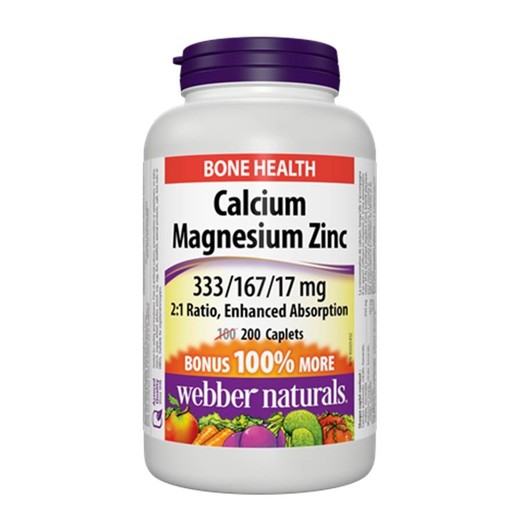
Webber Naturals – 2 to 1 Enhanced Absorption Calcium Magnesium Zinc Tablets (333/167/17 mg)
- It contains three minerals: calcium, magnesium, and zinc, designed with a calcium-to-magnesium ratio of 2:1.
- Magnesium is one of the minerals needed to maintain normal muscle and nerve function, while zinc helps maintain normal immune function.
- Suitable as a daily mineral supplement, in conjunction with a balanced diet.
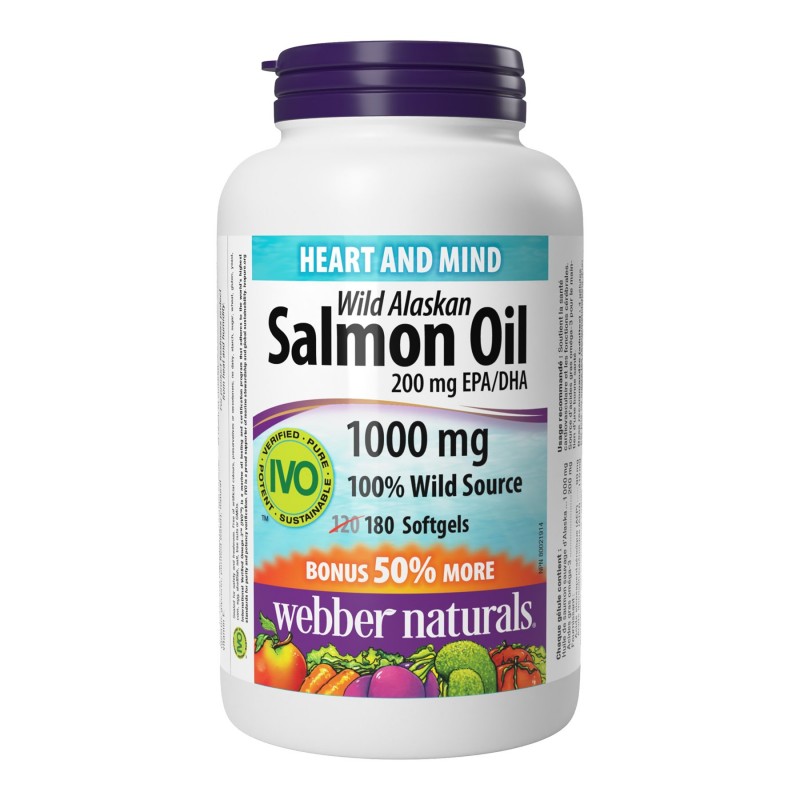
Webber Naturals - Wild Alaskan Salmon Oil 1000 mg
- Sourced from wild Alaskan salmon, providing Omega-3 (EPA/DHA).
- It may help maintain cardiovascular health and could be one of the options for daily Omega-3 supplementation;
- Those taking anticoagulants (such as warfarin) should consult a doctor before taking them.
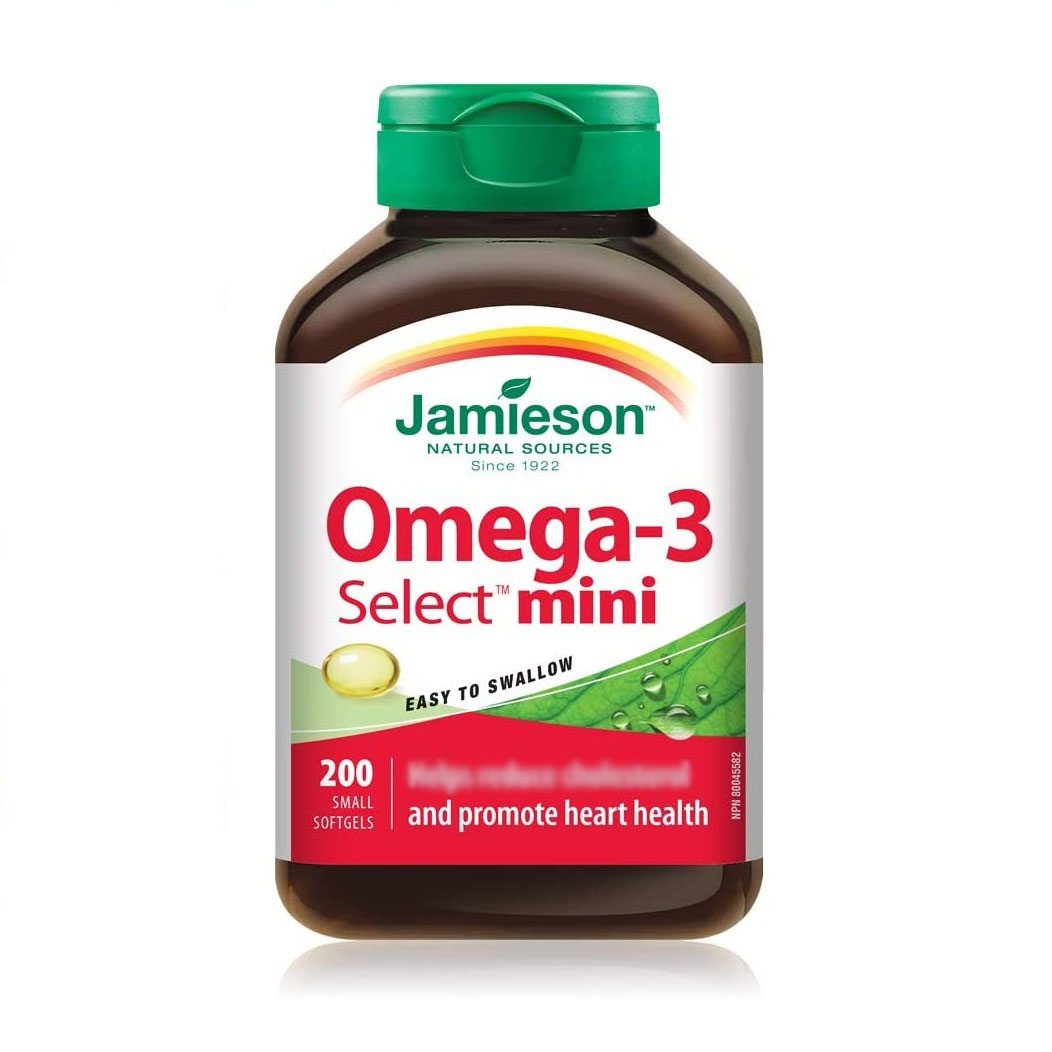
Jamieson – Omega-3 High Concentration Mini Fish Oil Capsules 500mg 200 Capsules
- High-concentration Omega-3 formula for convenient daily supplementation;
- It may help supplement daily EPA/DHA intake.
7. Frequently Asked Questions (FAQ)
Are cardiovascular problems really becoming more common among younger people?
Yes. With changing dietary habits, increased consumption of processed foods and high-sugar, high-salt foods, coupled with a general lack of exercise among modern people, cardiovascular risk factors are becoming more prevalent in younger populations. The WHO points out that cardiovascular disease is largely preventable, and developing healthy lifestyle habits early on is key.
Does having normal blood pressure mean you don't need to worry about cardiovascular problems?
Not necessarily. High blood pressure and high cholesterol often have no symptoms, making it difficult to diagnose based on feelings alone. According to the NHS and CDC, blood pressure, blood lipids, and blood sugar should be measured regularly through checkups; people aged 40 or older who have not measured their blood pressure for more than 5 years should schedule a checkup.
Can fish oil replace eating fish?
Fish remains the preferred food source. The NHS recommends at least two servings of fish per week (one of which should be oily). If you eat fish infrequently, fish oil supplements can be an option for EPA/DHA supplementation; EPA/DHA's most well-known function is lowering triglycerides. Those taking anticoagulants should consult their doctor before taking any supplements.
How much exercise should you do each week?
According to the CDC and WHO, adults should engage in at least 150 minutes of moderate-intensity aerobic exercise (such as brisk walking) or 75 minutes of vigorous-intensity exercise (such as jogging) per week, and do strength training at least 2 days a week. The key is to sit less and move more; even if you don't fully meet the recommended amount, increasing your activity level is beneficial.
What precautions should be taken when the weather turns cool?
When temperatures drop suddenly, blood vessels constrict and blood pressure tends to rise, which is especially important for people with weak cardiovascular systems. It is recommended to keep warm, take medication on time, monitor blood pressure, and avoid strenuous exercise in the cold morning. If you experience chest pain, shortness of breath, or other warning signs, seek medical attention immediately.
Can cardiovascular health supplements prevent heart disease?
Health supplements are considered daily nutritional aids.It is not a drug and cannot diagnose, treat, or prevent disease.Health supplements cannot replace a balanced diet, exercise, regular checkups, and prescribed medications. If you have cardiovascular problems or are currently taking medication, please follow your doctor's instructions for treatment. Health supplements should only be considered as part of overall health management.
8. Sources of information
- World Health Organization (WHO) — Cardiovascular diseases (CVDs) (Types, risk factors, and prevention)
- World Health Organization (WHO) — Healthy diet (recommended intake of fruits and vegetables, salt, sugar and fat)
- The UK National Health Service (NHS) — Coronary heart disease (atherosclerosis, causes and prevention)
- The UK National Health Service (NHS) — High blood pressure (risk factors, lifestyle and medical advice)
- The UK National Health Service (NHS) — High cholesterol (cholesterol and cardiovascular risk, how to improve it)
- The UK National Health Service (NHS) — 8 tips for healthy eating (6 grams of salt per day, fish and balanced diet recommendations)
- U.S. Centers for Disease Control and Prevention (CDC) — Heart Disease Risk Factors (Controllable and Uncontrollable Risk Factors)
- U.S. Centers for Disease Control and Prevention (CDC) — Adult Activity: An Overview (Weekly Exercise Recommendations for Adults)
- The Office of Dietary Supplements (ODS) of the US National Institutes of Health — Omega-3 Fatty Acids (EPA/DHA: Effects on the Heart and Precautions)
- American Heart Association (AHA) / American College of Cardiology (ACC) — 2019 ACC/AHA Guideline on the Primary Prevention of Cardiovascular Disease
Disclaimer: This article is for health information reference only and should not replace medical diagnosis and treatment. Health supplements are for daily nutritional support, not drugs, and should not be used to "treat, cure, or prevent" any disease, nor can they replace a balanced diet, exercise, regular check-ups, and prescription medications. Cardiovascular disease risk assessment and management must be conducted by healthcare professionals; if you have cardiovascular-related symptoms, are taking anticoagulants or other prescription medications, or are elderly, pregnant, or have a chronic disease, please consult a doctor or pharmacist before taking any supplements. Product information (ingredients, content, specifications) is subject to the information displayed on the product page on the day of purchase.
Related Products:
-
Sale!

Kirkland Signature – Omega-3 Ultra Concentrated Deep Sea Fish Oil Capsules 1300mg 330 Capsules
Original price was: $350.00.$298.00Current price is: $298.00. Add to basket -
Sale!

[Average $ 268/1] Vepogen – Triple Strength Omega-3 (900 mg EPA / DHA) 200 Capsules Value Pack x 3 Bottles
Original price was: $990.00.$804.00Current price is: $804.00. Add to basket -
Sale!

Webber Naturals – Omega-3 Mini Fish Oil Capsules 300mg 220 Softgels
Original price was: $198.00.$168.00Current price is: $168.00. Add to basket -
Sale!
Kirkland Signature – Coenzyme Q10 200 mg 225 capsules
Original price was: $438.00.$358.00Current price is: $358.00. Add to basket
Related Post:
![| 香港成年人在家閱讀無品牌補充品標籤,桌上有蔬菜與水]()
Hong Kong Liver Health Product Insight Report 2024-2025: Liver-Protecting Formulas Decline, Q10 Increases
![香港成年人在家閱讀與休息,從日常習慣開始理解腦部健康]()
Hong Kong Brain Health Insight Report 2024–2025: Differentiating Fish Oil, Memory Formulas, and Vitamin B12 from 87 Products
![香港上班族在窗邊暫停看屏幕,讓雙眼休息並重新整理眼晴健康選擇]()
Eye Health Insight Report 2024-2025: Beyond Lutein – Fish Oil Accounted for 76.41% of Store Revenue Among 98 Products (TP4T)
![香港家庭查看空氣質素並整理呼吸健康資料]()
Hong Kong Respiratory Health Product Insight Report 2024–2025: Cough, Nasal Allergies, and Sore Throat Are Not the Same Thing