

















































Magnesium Benefits, Food Sources and Magnesium Supplements Recommendations
鎂Magnesium ions are important cations in human cells, participating in protein synthesis and muscle contraction. More than 300 enzymes require magnesium ions to function, including all enzymes that utilize or synthesize ATP, or enzymes that use other nucleotides to synthesize DNA and RNA. Modern food is often processed and reprocessed, which easily leads to the loss of magnesium ions. Insufficient magnesium ion intake can affect bone and brain health.
Common uses of magnesium
1. Medical Applications: Magnesium alloys have a density very close to that of human bones and possess excellent comprehensive mechanical properties and unique biodegradability, making them suitable for use in medical metal materials. Magnesium supplements are used to treat magnesium deficiency and cramps.
2. Sports: Injecting magnesium a few hours before or after strenuous exercise can replenish the body's magnesium loss. Gymnasts also often apply magnesium oxide (MgCO3) to prevent slipping and increase friction.
3. Chemical Industry: Magnesium is commonly used as a reducing agent to displace metals such as titanium, zirconium, uranium, and beryllium. In addition, magnesium can react with halogenated hydrocarbons or aromatic halogenated hydrocarbons to synthesize Grignard reagents.
4. Military and other fields: Magnesium alloys have advantages such as light weight, high specific strength, good shock absorption, not easy to age, good thermal fatigue performance, and strong electromagnetic shielding ability, and are widely used in automobiles, military industry, electronic communications and other fields.
Health benefits of magnesium
1. Magnesium can reduce inflammatory markers such as C-reactive protein, thus protecting cardiovascular health.
2. Magnesium can affect the concentration of vitamin D in the body, which helps improve bone density and prevent osteoporosis.
3. Magnesium can inhibit the central nervous system and also produce an anticonvulsant effect.
Related reading:5 Anti-Fatigue Supplements
People who are suitable for magnesium
Magnesium is one of the essential nutrients for the human body. The following groups should pay attention to magnesium supplementation:
1. People who consume too much processed food and traditional dairy products, love coffee, tea, beverages, and sweets (which can lead to excessive caffeine and sugar intake), frequently drink tap water containing water softeners, and dislike eating vegetables.
2. People who are concerned about their blood sugar levels.
3. Middle-aged and elderly people who are taking calcium supplements.
4. People who drink alcohol frequently.
5. People who engage in prolonged, high-intensity exercise.
Symptoms of magnesium deficiency
Magnesium deficiency can lead to muscle cramps, muscle spasms, mood problems, hormonal imbalances, pregnancy discomfort, fatigue, insomnia, and affect bone health. However, magnesium deficiency is generally not a problem under normal dietary conditions. Excessive magnesium, on the other hand, can cause diarrhea, respiratory failure, coma, paralysis, and damage to the central nervous system.
Main sources of magnesium
Seaweed, leafy green vegetables, whole grains, and nuts are rich in magnesium. Magnesium from animal-based foods has a higher bioavailability than that from plant-based foods. Calcium, phosphorus, oxalic acid, phytates, and incompletely digested fats can interfere with magnesium absorption, while protein, lactose, vitamin D, and growth hormone can promote magnesium absorption.
Precautions for magnesium intake
1. Unknown risks may occur for individuals with cardiac conduction block, intestinal diseases, or impaired liver or kidney function.
2. Intravenous magnesium injections may worsen weakness and cause breathing difficulties in people with myasthenia gravis.
3. Individuals with abnormal blood clotting function or those taking anticoagulants must consult a doctor before taking this medication.
4. Magnesium may interact with antibiotics, sedatives, heart medications, antimalarial drugs, penicillamine, levothyroxine, calcium channel blockers, and other drugs, affecting drug efficacy or absorption, and may even cause adverse effects.
Foods rich in magnesium
- kelp
- seaweed
- White sesame seeds
- Black sesame
- peanuts
- cashew
- apricot kernel
- Pine nuts
- Dried shrimp
Magnesium supplement recommendations
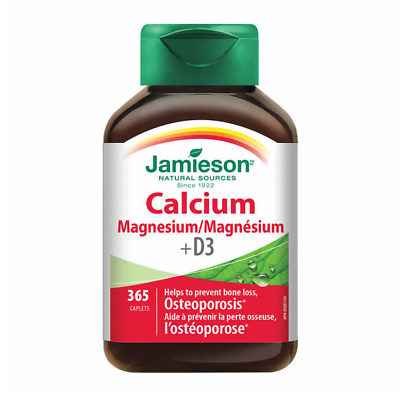
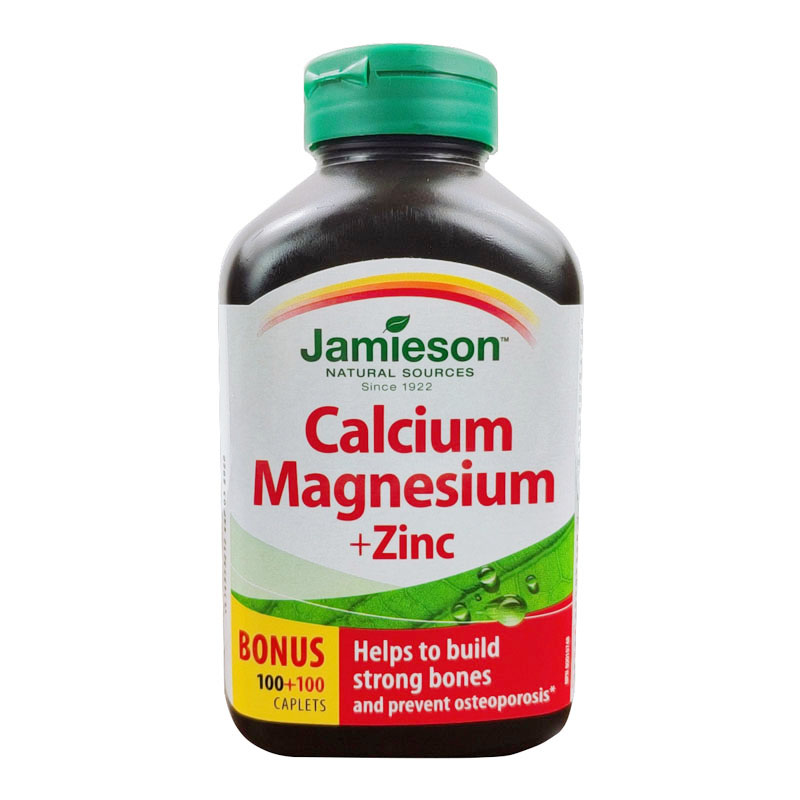
- Jamieson – Calcium Magnesium Zinc 200 Capsules
- Jamieson – Bone Health Calcium Magnesium and Vitamin D 420 Capsules Value Pack
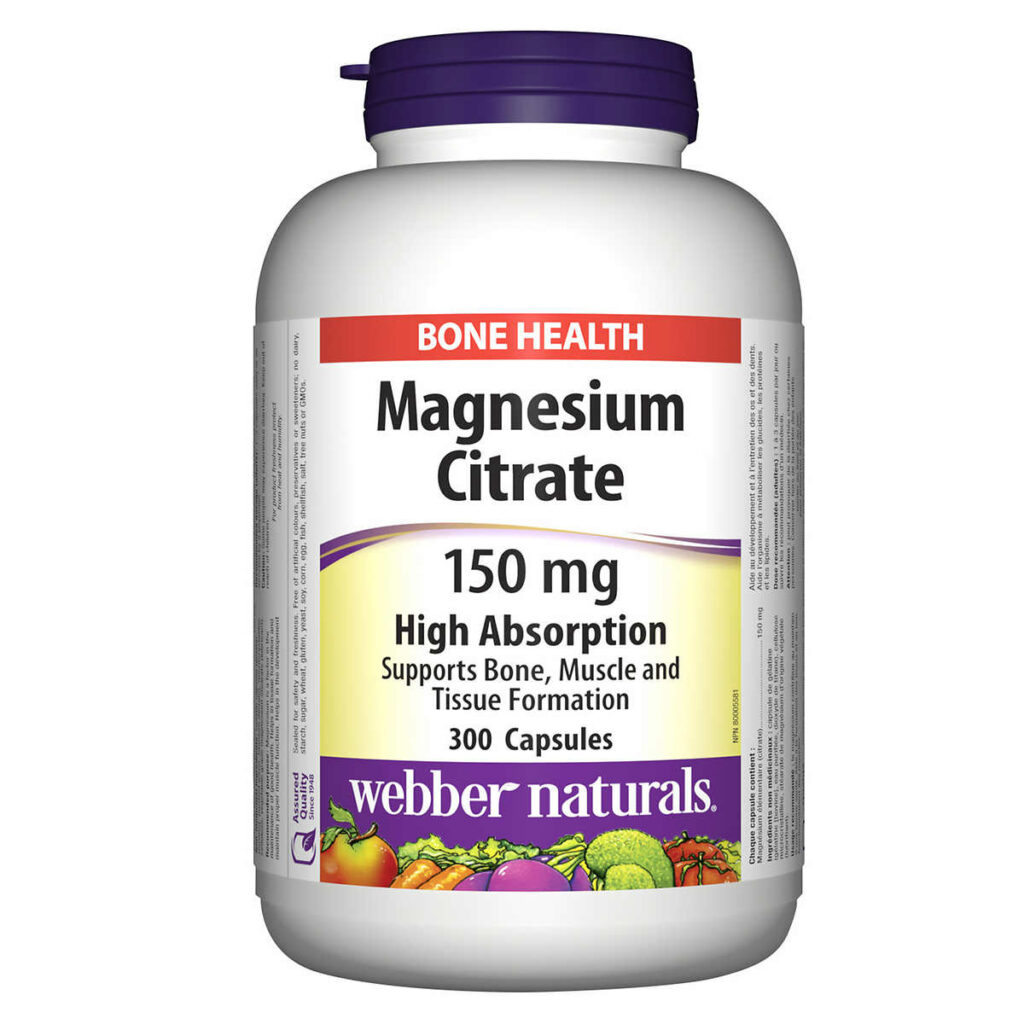
- Vebegen – Health Supplement Magnesium Citrate 150mg 300 Capsules (Extra Strength)





Author. Michael Yeung
Related Products:
-
Sale!
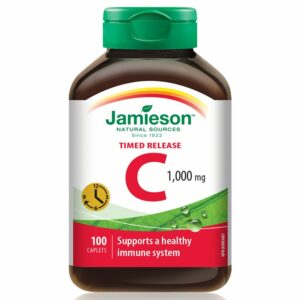
Jamieson – Long Lasting Vitamin C 1000mg 100 Tablets
Original price was: $138.00.$118.00Current price is: $118.00. Add to basket -
Sale!
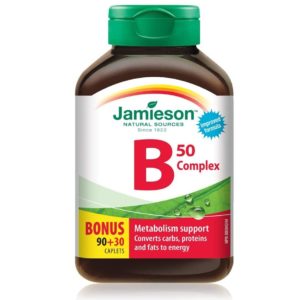
Jamieson – Natural Vitamins B complex 50 120 capsules
Original price was: $168.00.$108.00Current price is: $108.00. Add to basket -
Sale!

Unichi – Teddi Lab® Gummy Bears Gummy Bears for Hair Growth Upgraded Sea Salt and Green Titanium Flavour 60 Capsules
Original price was: $170.00.$125.00Current price is: $125.00. Add to basket