















































Learn about vitamin D and its effects
Vitamin DVitamin D, also known as "calciferol" or "sunshine vitamin," is a fat-soluble vitamin naturally found in some foods, added to fortified foods, and also available as a dietary supplement. Sunlight is our primary source of vitamin D; when ultraviolet rays from the sun hit our skin, our skin naturally produces vitamin D. Vitamin D is essential for our health, promoting healthy bone formation in children, adults, and the elderly because it promotes calcium absorption and regulates phosphate levels in the body. Without sufficient vitamin D, our bones can become thinner, more brittle, or weaker; however, adequate vitamin D levels support bone growth in children. Studies have shown that the combined use of vitamin D and calcium can prevent osteoporosis in the elderly.
Related reading:Learn about vitamin A and its effects
Benefits of Vitamin D
- Strengthen bones and muscles
Vitamin D supports the growth of strong bones and helps the body develop muscle fibers. Its levels are associated with healthy bone mineral density and bone quality. Vitamin D can reduce the risk of bone fractures and keep us healthy every day.
- Good for heart health
Vitamin D is beneficial for heart health and may help stabilize blood pressure levels. It can promote cell growth in the heart area and help remove any substances from the body that may be clogging or hardening blood vessels.
- Helps maintain emotional health
Vitamins participate in many brain activities. Studies have shown that they can help maintain emotional health.
- It may help stabilize blood sugar levels.
Vitamin D may help stabilize blood sugar levels and enhance liver function, making it suitable for people who are concerned about their blood sugar levels.
A rich source of vitamin D
Sunlight is our primary source of vitamin D; our bodies produce vitamin D when sunlight hits our skin. Vitamin D is also found in the foods we eat, such as fatty fish like trout, salmon, tuna, and mackerel, as well as cod liver oil. Small amounts of vitamin D are also found in mushrooms, beef, liver, egg yolks, and cheese. In many countries, vitamin D is added to fruit juices, yogurt, margarine, and other fortified foods.
Foods richest in Vitamin D and their content:
| food | Servings | The amount of vitamin D (IU) contained in each serving. |
| cod liver oil | 1 tablespoon | 1,360 |
| trout | Pan-fried fish, 3 ounces | 645 |
| salmon | Pan-fried fish, 3 ounces | 570 |
| White mushrooms | 1/2 cup | 366 |
| Vitamin D-fortified milk | 1 cup | 120 |
| Vitamin D-fortified soy, almond, and oat milk | 1 cup | 100-144 |
| Vitamin D-fortified cereal | 1 copy | 80 |
| sardine | 2 cans of oil | 46 |
| large eggs | 1 | 44 |
| liver, beef | 3 ounces | 42 |
| tuna | 3 ounces | 40 |
| cheese | 1.5 ounces | 17 |
Related reading:Vitamin B-rich foods
Vitamin D deficiency
Vitamin D deficiency occurs when people don't get enough vitamin D from their diet or sunlight. It's now a common condition worldwide, affecting bone growth in children. It occurs when a child's legs become bowed due to softening bones. In adolescents and adults, vitamin D deficiency can weaken bones, making them more prone to fractures. Factors such as season and skin color can also increase the likelihood of vitamin D deficiency.
People prone to vitamin D deficiency
fetus
The fetus relies on the mother's body to obtain a healthy amount of vitamin D. If the pregnant woman's vitamin D levels are insufficient, she cannot provide this vitamin to her child through breast milk. Therefore, it is recommended that pregnant women eat more foods rich in vitamin D and increase their time outdoors to prevent the fetus from becoming deficient in vitamin D.
elderly
Older people have a lower ability to synthesize vitamin D from sunlight, and they also spend more time indoors, greatly increasing their chances of developing vitamin D deficiency.
People who do not get enough sunlight
This group includes people who apply sunscreen in their offices or cars, and most people who wear long skirts or headscarves for religious reasons. These individuals are unable to absorb sufficient sunlight.
Dark-skinned people
People with dark skin, especially those from Africa, are more prone to vitamin D deficiency because dark skin reduces the skin's ability to convert vitamin D from sunlight.
Vitamin D content standards
The table below shows the vitamin D requirements for different age groups and populations.
| age | a male | female | Pregnant women | Breastfeeding mothers |
| 0-6 months | 25 mcg (1,000 IU) | 25 mcg (1,000 IU) | ||
| 7-12 months | 38 mcg (1,500 IU | 38 mcg (1,500 IU) | ||
| 1-3 years old | 63 mcg (2,500 IU) | 63 mcg (2,500 IU) | ||
| 4-8 years old | 75 mcg (3,000 IU) | 75 mcg (3,000 IU) | ||
| 9-18 years old | 100 mcg (4,000 IU) | 100 mcg (4,000 IU) | 100 mcg (4,000 IU) | 100 mcg (4,000 IU) |
| 19 years and older | 100 mcg (4,000 IU) | 100 mcg (4,000 IU) | 100 mcg (4,000 IU) | 100 mcg (4,000 IU) |
Is excessive vitamin D beneficial?
Taking excessive amounts of vitamin D is harmful to health. Excessive vitamin D intake is caused by taking too many vitamin D supplements. While vitamin D can promote calcium absorption, too much vitamin D can lead to hypercalcemia.
Recommended Vitamin D Supplements
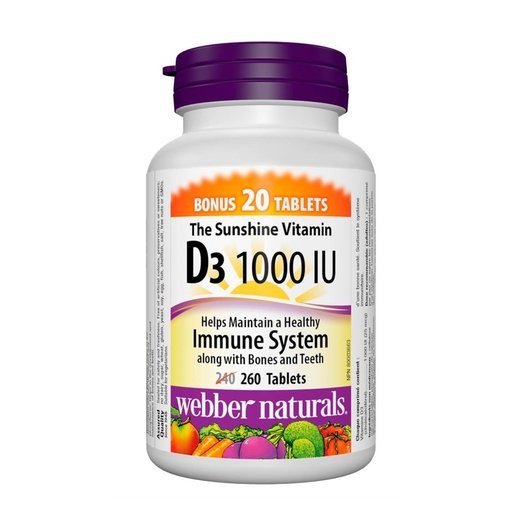
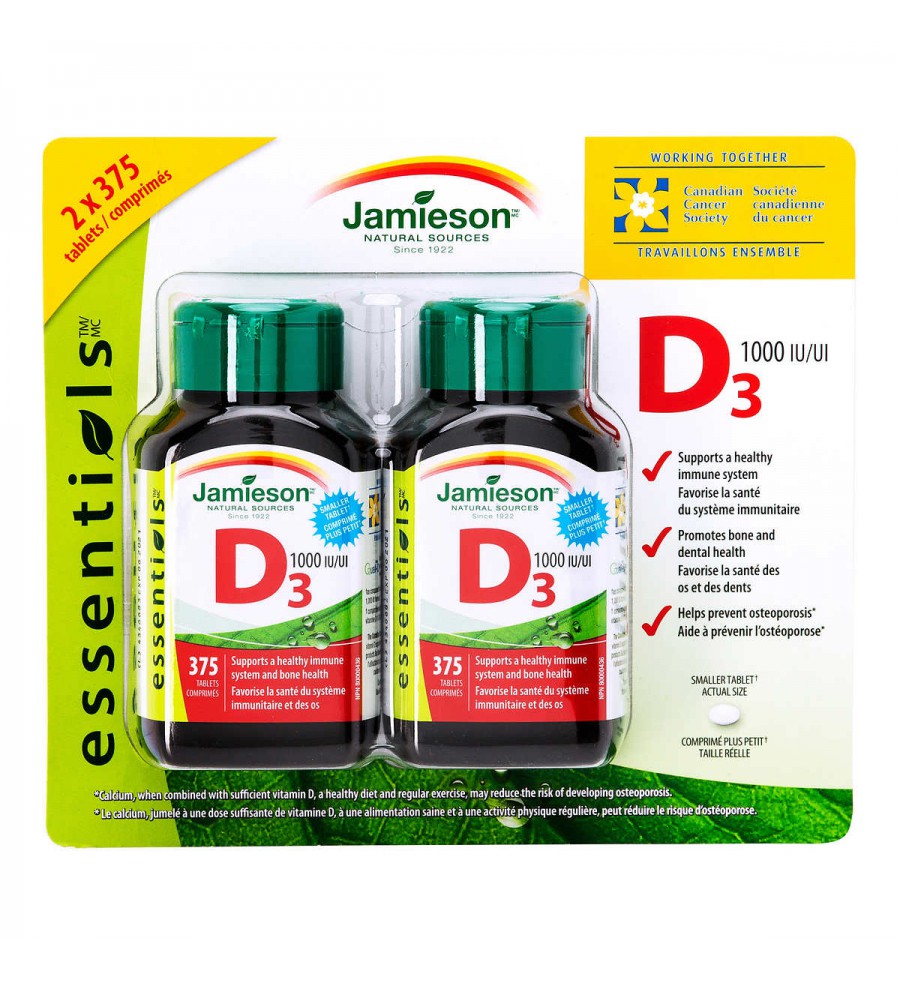
Jamieson - Vitamin D3 1000 IU
This bioavailable product contains easily absorbed natural ingredients, making it a wise choice for older adults who want to maintain vitamin D levels and prevent osteoporosis. Taking one capsule daily containing 1000 IU helps promote bone growth and keep teeth strong. Reputable brands also offer similar products, and Jamieson's products are known for being reliable, safe, and effective.
Vebegen - Vitamin D3 1000 IU
Vebegen's Vitamin D3 is another excellent choice. This product is designed for adults who want to improve bone density, strengthen bones, and prevent osteoporosis. This supplement also has excellent effects on the body and immune system.
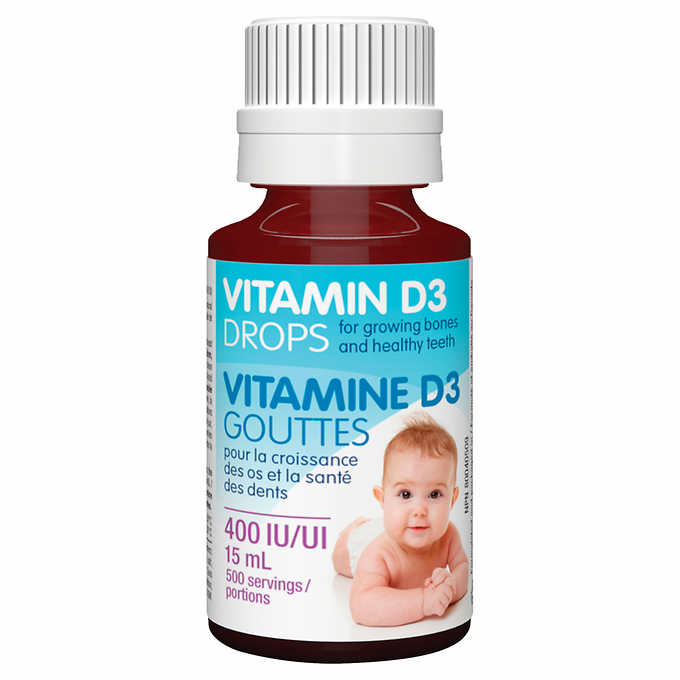
Vebegen – Vitamin D3 Drops for Pregnant Women and Infants 400IU
For mothers who want to maintain their children's bone health, this is the perfect vitamin D option for infants and toddlers. This product contains 400 IU of vitamin D3, the ideal amount for pregnant women and fetuses. Taking this product provides infants with sufficient vitamin D to maintain strong bones and teeth as they begin to develop. Babies under 1 year old only need to add 1 drop to breast milk or regular food. Pregnant women should take it 1-2 times daily, either alone or with food.




Author. Michael Yeung
Related Products:
-
Sale!
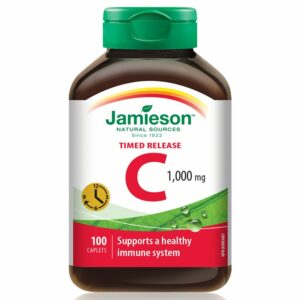
Jamieson – Long Lasting Vitamin C 1000mg 100 Tablets
Original price was: $138.00.$118.00Current price is: $118.00. Add to basket -
Sale!
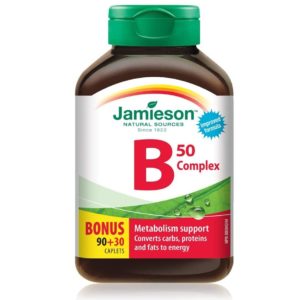
Jamieson – Natural Vitamins B complex 50 120 capsules
Original price was: $168.00.$108.00Current price is: $108.00. Add to basket -
Sale!
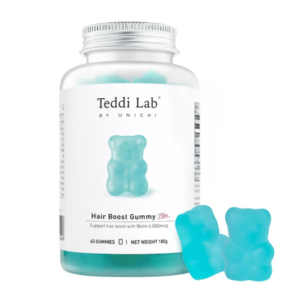
Unichi – Teddi Lab® Gummy Bears Gummy Bears for Hair Growth Upgraded Sea Salt and Green Titanium Flavour 60 Capsules
Original price was: $170.00.$125.00Current price is: $125.00. Add to basket