































































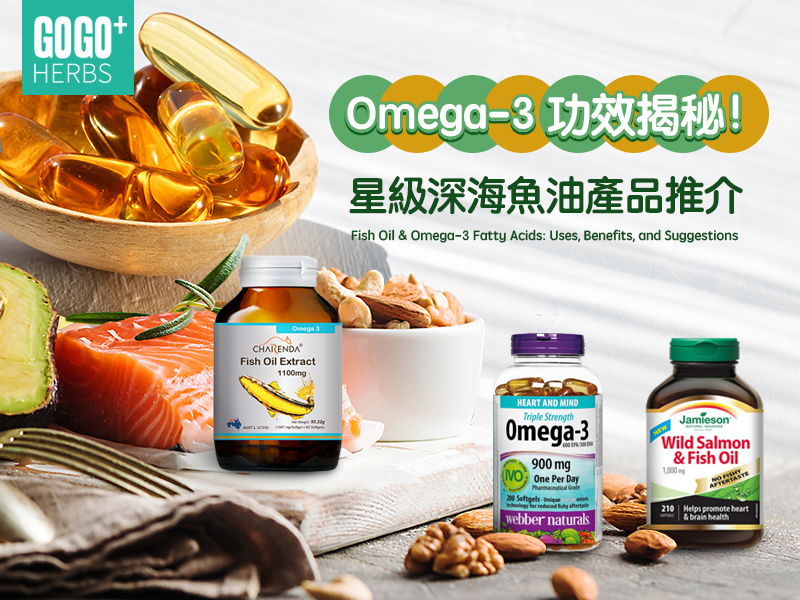
Fish oil benefits revealed: Omega-3 benefits, consumption methods, dosage, and star-rated deep-sea fish oil recommendations.
"Eating fish makes you smarter" is a saying many Hong Kong people have heard since childhood, which is based on the fact that fish are rich in nutrients. Omega-3 fatty acidsCombined with high-quality protein, fish oil not only aids brain development but also offers numerous benefits for the heart, eyes, and joints. This article, compiled by Gogo Herbs, covers: what fish oil is, who should supplement it, 7 major benefits, proper consumption methods and dosage, side effects and contraindications, as well as recommendations for top-rated deep-sea fish oil products, helping you supplement Omega-3 healthily, safely, and scientifically.
- What is fish oil? Why should we supplement with Omega-3?
- Who is suitable to take supplements? Who should consult a doctor first?
- 7 major benefits of fish oil (Omega-3)
- Omega-3 food sources
- How to take fish oil? Timing, dosage, and side effects.
- Food taboos and drug interactions
- When should you consult a doctor?
- Gogo Herbs Star Fish Oil Recommendation
- Frequently Asked Questions (FAQ)
- Source of information
1. What is fish oil? Why should we supplement with Omega-3?
Fish oil is a concentrated oil extracted from fatty fish (such as salmon, mackerel, herring, anchovies, tuna, etc.). Its main component is... Omega-3 unsaturated fatty acidsThe human body cannot effectively synthesize Omega-3 on its own and must obtain it from the diet; therefore, it is classified as an "essential fatty acid" (according to...).US NIH Office of Dietary Supplements)。
There are three main types of Omega-3:
- ALA (alpha-linolenic acid)It mainly comes from plants, such as flaxseed, walnut, soybean oil, and rapeseed oil.
- EPA (eicosapentaenoic acid)與 DHA (docosahexaenoic acid)Mainly from fish and seafood.
The human body can convert small amounts of ALA into EPA and DHA, but the efficiency is very low. Therefore, obtaining EPA and DHA directly from fish is a more practical approach. DHA is particularly abundant in the retina and brain cell membranes, while Omega-3 is also a component of every cell membrane in the body, playing a role in the heart, blood vessels, lungs, immune system, and endocrine system.
Compared to plant-based ALA, the EPA and DHA in fish oil are more easily utilized by the human body.UK NHS It is recommended to eat at least two servings of fish per week, one of which should be fatty fish (about 140 grams per serving). Fish cannot produce Omega-3 on their own; instead, they accumulate it in their bodies by consuming marine plankton, making fatty fish a good source.
2. Who is suitable to take supplements? Who should consult a doctor first?
Suitable for people who need to supplement Omega-3
- People who eat little fish and dislike the smell of fish;
- Office workers who spend long hours using their eyes and frequently eat out;
- For students and those who want to maintain a sharp mind and clear thinking;
- Seniors who wish to maintain overall health and pay attention to memory maintenance;
- Vegans (can consider plant-based DHA sources such as algal oil).
The following individuals should consult a doctor or pharmacist before taking this medication.
- Those who are currently taking anticoagulants (such as warfarin), antiplatelet drugs (such as aspirin), or nonsteroidal anti-inflammatory drugs;
- Individuals with abnormal blood clotting function;
- Those who are planning to undergo surgery soon or have just undergone surgery;
- For those allergic to fish/seafood (algae oil may be considered as an alternative);
- Late pregnancy (some recommend pausing after 32 weeks of pregnancy), breastfeeding women;
- People who are taking other medications (such as birth control pills, weight loss pills like Orlistat) or who have chronic illnesses.
3. Seven major benefits of fish oil (Omega-3)
The most important nutrient in fish oil is Omega-3 fatty acids. EPA and DHA are components of cell membranes throughout the body, and sufficient Omega-3 helps the body's organs function properly. The following are directions supported by current research:
(1) Heart health
Multiple studies have shown that people who habitually eat more fish are less likely to develop cardiovascular problems.American Heart Association (AHA)It is recommended to eat 2 servings of fish per week (especially fatty fish); and according toUS NIHIncreasing EPA and DHA intake helpsLowering triglyceridesIn the long run, this level may help stabilize blood lipids and maintain heart health.
(2) Eye health
DHA is a major structural component of the retina, and Omega-3 deficiency may be associated with an increased risk of certain eye diseases. According to the NIH, people who consume more Omega-3 in their diet are more likely to experience [certain eye conditions].Age-related macular degeneration (AMD)The chances are low; forDry eye discomfortSome studies suggest it may help relieve pain. For more information, please refer to the information on this website.Omega-3 and Eye Health。
(3) Skin health
DHA and EPA are components of skin cell membranes and help maintain the normal functioning of the skin barrier. Studies have explored the effects of Omega-3 on…Dry and itchy skinWith its help, it can be incorporated into a daily skin care diet.
(4) Brain health
DHA constitutes a significant proportion of the fat in brain cell membranes, making Omega-3 crucial for brain structure and function. Research continues to explore the relationship between Omega-3 and cognitive health and mood; pregnancy and infancy are critical stages for brain development, as discussed on this website.Omega-3 and Memory及Omega-3 and fetal brain and child development。
(5) Maintain liver health and reduce liver fat
Liver health is closely related to diet. Previous studies have explored the relationship between Omega-3 and...liver fatThe relationship suggests that it can be included as part of a liver-protective diet. Maintaining a healthy weight and reducing refined sugar and alcohol consumption are fundamental to liver protection; if you have liver disease, please follow your doctor's instructions.
(6) Anti-inflammatory and joint comfort
EPA and DHA participate in regulating the body's inflammatory response.NCCIH (United States)Studies have shown that Omega-3 may help.Relieve joint discomfort in rheumatoid arthritisThis can be used as an adjunct to regular treatment. If you have joint problems, do not discontinue prescription medication on your own.
(7) Weight management
Omega-3 can be part of a healthy diet. Combined with a balanced diet and exercise, it helps maintain overall metabolic health and weight management. It's not a "shortcut" to weight loss simply by supplementing, but rather an integral part of lifestyle habits.
4. Food sources of Omega-3
Omega-3 food sources mainly fall into two categories:
| type | Major fatty acids | Common sources |
|---|---|---|
| animal | EPA, DHA | Salmon, mackerel, sardines, herring, anchovies, tuna; some shellfish (oysters, mussels, crabs). |
| plant-based | ALA | Flaxseed, chia seeds, walnuts and other nuts and seeds; flaxseed oil, soybean oil, rapeseed oil |
Common oily fish include salmon, mackerel, sardines, anchovies, herring, and trout; white-fleshed fish (such as cod and sea bass) contain less Omega-3, but are lower in fat. If choosing canned or frozen fish, their nutritional value is similar to fresh fish, but be mindful of any added salt. For a more consistent approach to achieving your nutritional goals, consider fish oil or algal oil supplements.
5. How to take fish oil? Timing, dosage, and side effects.
(1) Consumption time
Fish oil is fat-soluble, and it is generally better absorbed when taken with or after meals (especially meals containing fat), which can also reduce gastrointestinal discomfort. Taking it on an empty stomach may more easily cause stomach upset. If you are taking other supplements at the same time, it is recommended to consult a pharmacist to arrange the timing.
(2) Daily intake
- Food priority:Eat at least two servings of fish per week, one of which should be fatty fish (NHS).
- International Recommendations:The Food and Agriculture Organization of the United Nations (FAO/WHO) recommends that the average adult consume approximately [amount missing] daily. 250 mg EPA + DHAPregnant and breastfeeding women should consume approximately 300 mg (of which at least 200 mg is DHA). Recommendations vary slightly among different organizations, with some guidelines specifying higher ranges.
- Safety limit:依US NIH Citing the recommendations of the US FDA, the total daily intake of EPA + DHA from dietary supplements should not exceed [a certain amount]. 5 gramsThe usual daily health maintenance dosage is far below this upper limit. High doses (such as more than 3 grams per day) must be used under the guidance of a doctor.
Actual serving sizes should be determined based on the product formula, individual dietary habits, and advice from a doctor or pharmacist. When purchasing, look for EPA and DHA on the label.Actual contentIt is not about looking at the total weight of the fish oil, but rather at the total weight of the fish oil.
(3) Possible side effects
Appropriate fish oil supplementation is generally well tolerated. A small number of people may experience mild side effects such as fishy-smelling burps, bad breath, stomach upset, nausea, diarrhea, headache, and stronger body odor. If discomfort occurs, you can try...Take with meals或Reduce dosageIf the condition persists or worsens, please consult a doctor.
6. Dietary contraindications and drug interactions
- TakingAnticoagulants(such as warfarin) orAntiplatelet drugs(such as aspirin);
- TakingNonsteroidal anti-inflammatory drugs (NSAIDs);
- Individuals with abnormal blood clotting function;
- Those who are planning or have recently undergone surgery should inform their doctor before the surgery, as they may need to temporarily discontinue taking the medication.
- People allergic to fish/seafood;
- Women in late pregnancy (some recommend pausing after 32 weeks) and breastfeeding women;
- Those taking the weight loss drug Orlistat – it can reduce fat absorption or affect fish oil absorption.
Regarding taking supplements with other supplements: Lutein and Vitamin D can generally be taken with fish oil after meals; some believe that calcium supplements and fish oil should be taken at different times to reduce gastrointestinal discomfort, but there is no consensus. If taking multiple supplements simultaneously, it is recommended to consult a pharmacist for guidance. Also, cod liver oil is different from fish oil—cod liver oil contains Vitamins A and D, and excessive amounts can be harmful, especially for pregnant women (according to...).NHS)。
7. When should you consult a doctor?
Fish oil is a health supplement.It cannot replace a doctor's diagnosis and treatmentPlease consult a doctor or pharmacist before increasing the dosage in the following situations:
- Currently taking any prescription medications (especially anticoagulants, blood pressure medications, birth control pills, etc.);
- Suffering from chronic diseases such as heart disease, high cholesterol, diabetes, and liver disease;
- I will be undergoing surgery or tooth extraction soon;
- Pregnancy, planning pregnancy, or breastfeeding;
- If abnormal bleeding (such as easy bruising, persistent nosebleeds) or persistent discomfort occurs after taking the medication.
8. Gogo Herbs Star Fish Oil Recommendation
The following are Gogo Herbs' selected deep-sea fish oil products. Please pay attention when purchasing. Actual content, source, extraction technology and dosage form of EPA/DHAChoose according to your individual needs and advice from your doctor or pharmacist.

Webber Naturals — Triple the potency of Omega-3
- This 3x concentrated formula has a higher content of Omega-3 fatty acids, and one capsule can provide more of your daily requirement.
- Transparent enteric-coated soft capsule technology helps reduce the pungent smell of fish;
- It may help maintain cardiovascular health and support normal brain and eye function.
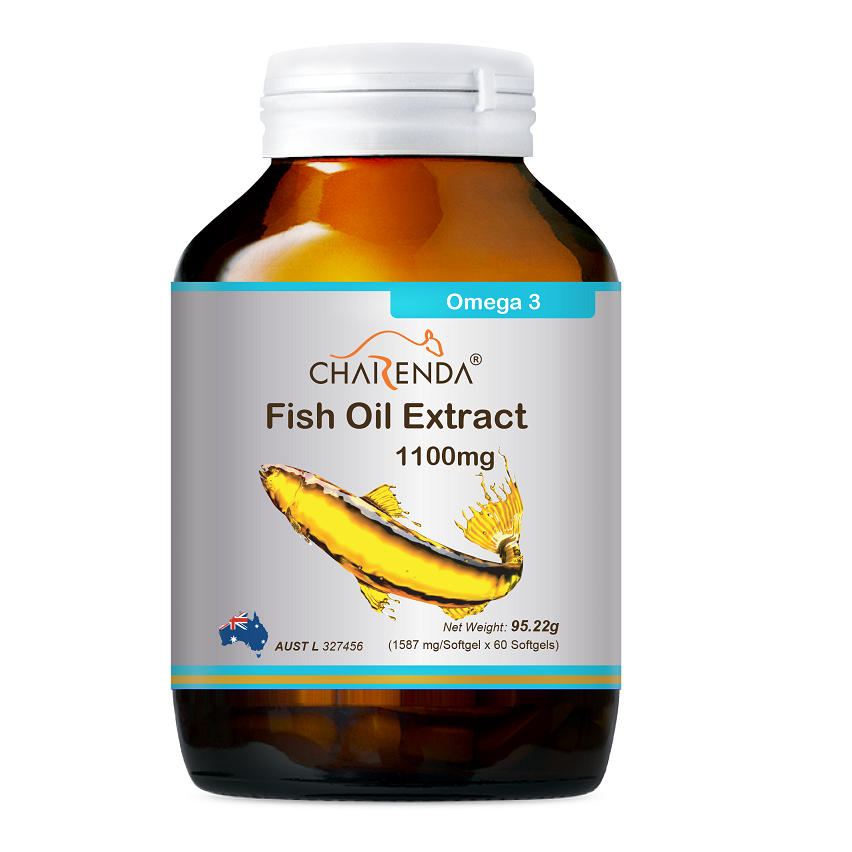
Charenda — High-Efficiency EPA Fish Oil for Adults
- Extracted using molecular distillation technology, it has high purity and few impurities;
- It has a high EPA content (approximately 551 TP4T) and is also rich in DHA;
- It may help maintain cardiovascular health and support the normal functioning of the nervous system and brain cells.

Swisse — Ultiboost Odorless High-Concentration Wild Fish Oil
- High concentration, odorless, easy to drink, and rich in natural Omega-3 fatty acids;
- It may help maintain cardiovascular health and support normal brain and eye function.

BLACKMORES — Odorless Fish Oil
- It uses natural ingredients to mask the fishy smell of fish oil, and has a high-purity formula.
- It may help maintain cardiovascular health, protect the heart, and support brain health.
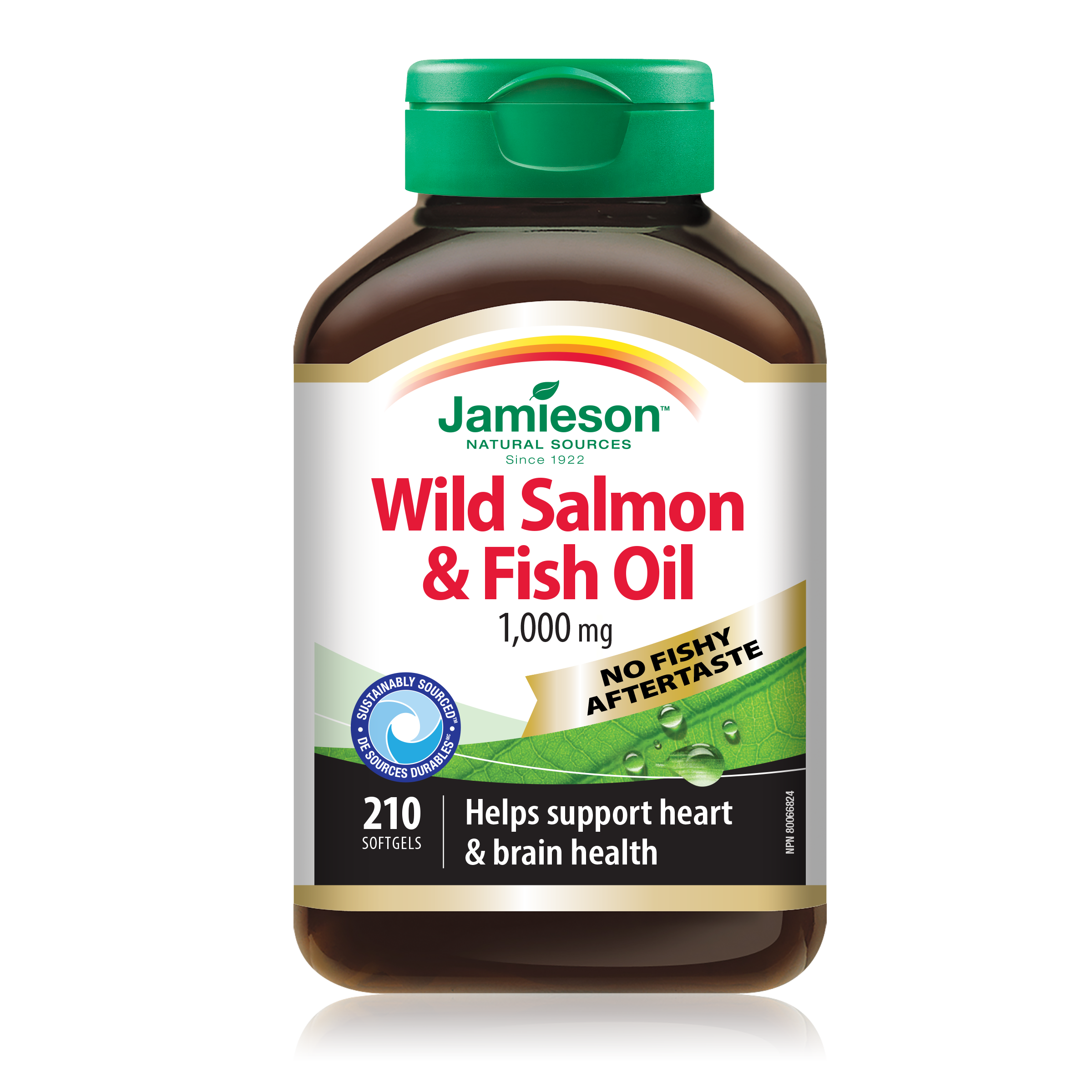
Jamieson — Gold Label Wild Salmon Oil
- The fish oil is derived from salmon from the clean waters of Canada;
- Cold-pressed extraction, no chemical solvents are used in the production process, and there is no fishy smell;
- It may help stabilize cholesterol and triglycerides in the blood and maintain cardiovascular health.
9. Frequently Asked Questions (FAQ)
When is the best time to take fish oil?
Fish oil is fat-soluble, so it is recommended to take it with or after meals (especially meals containing fat) for better absorption and to reduce gastrointestinal discomfort. Taking it regularly and making it a habit is more important than adhering to a specific time. If you need to take other supplements at the same time, consult a pharmacist for advice.
How much fish oil/Omega-3 should I take every day?
Regarding diet, it is advisable to consume at least two servings of fish per week, one of which should be oily fish (NHS). As for supplements, the FAO/WHO recommends approximately 250 mg of EPA + DHA daily for the average adult; according to the US NIH citing the FDA, the total daily intake of EPA + DHA from supplements should not exceed 5 grams. Actual dosage should be determined based on product formulation and advice from a doctor or pharmacist. When purchasing fish oil, pay attention to the actual EPA and DHA content, not just the total weight of the fish oil.
Do eating fish and taking fish oil supplements have the same effect?
Not necessarily exactly the same. Research shows that...The link between eating fish and cardiovascular health is relatively clear.In addition to Omega-3, fish also contain high-quality protein, vitamin D, iodine, selenium, and other nutrients. Fish oil supplements, on the other hand...Lowering triglyceridesIt has value in terms of convenient and stable supplementation. The two can complement each other, with food as the foundation and supplementation as a supplement.
Are there any side effects from taking fish oil? Can it be taken on an empty stomach?
Generally well tolerated, a small number of people may experience fishy-smelling burps, bad breath, stomach upset, nausea, or diarrhea. Taking it on an empty stomach is more likely to cause gastrointestinal discomfort, so it is recommended to take it with meals; if discomfort persists, the dosage may be reduced and a doctor should be consulted.
I'm currently taking anticoagulants (blood thinners). Can I take fish oil?
High doses of Omega-3 have a mild anticoagulant effect and may increase the risk of bleeding when used concurrently with anticoagulants, antiplatelet drugs, or nonsteroidal anti-inflammatory drugs. Always consult a doctor or pharmacist before taking this medication, and never increase the dosage or discontinue use on your own.
Should I stop taking fish oil before surgery?
Because fish oil may affect blood clotting, it is generally recommended to inform your doctor before surgery and you may need to stop taking it (the common recommendation is about 11 TP 1T 2 weeks before surgery). Please follow the instructions of your doctor or pharmacist for the actual arrangements.
10. Sources of information
- Office of Dietary Supplements, National Institutes of Health (NIH) — Omega-3 Fatty Acids (Function, Sources, Dosage, Cardiovascular and Ocular Evidence, Upper Limits and Interactions)
- The National Center for Complementary and Integrative Health (NCCIH) — Omega-3 Supplements: What You Need To Know (Supplement Evidence, Joints, Dry Eyes, Side Effects)
- The National Center for Complementary and Integrative Health (NCCIH) — 7 Things to Know About Omega-3 Fatty Acids (Seafood, Heart, Pregnant Women, and Mercury)
- American Heart Association (AHA) — Fish and Omega-3 Fatty Acids (2 Fish Recommendations Per Week)
- The UK National Health Service (NHS) — Fish and shellfish (2 servings of fish, fatty fish, mercury and cod liver oil)
- The FAO/WHO expert consultation report recommends that adults take approximately 250 mg of EPA + DHA daily (approximately 300 mg for pregnant and lactating women).
Disclaimer: This article is for health information purposes only and should not replace medical diagnosis and treatment. Fish oil is a health supplement, not a drug, and should not be used to "treat, cure, or prevent" any disease, nor can it replace a balanced diet and prescription medications. If you have a chronic illness, are currently taking medication, are pregnant or breastfeeding, are planning surgery, or experience abnormal bleeding or discomfort after taking the product, please consult a doctor or pharmacist. Product information (ingredients, EPA/DHA content, dosage form, and specifications) is subject to the information displayed on the product page on the day of purchase.
Related Products:
-
Sale!

Kirkland Signature – Omega-3 Ultra Concentrated Deep Sea Fish Oil Capsules 1300mg 330 Capsules
Original price was: $350.00.$298.00Current price is: $298.00. Add to basket -
Sale!
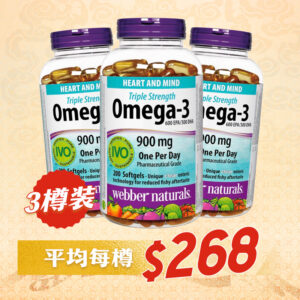
[Average $ 268/1] Vepogen – Triple Strength Omega-3 (900 mg EPA / DHA) 200 Capsules Value Pack x 3 Bottles
Original price was: $990.00.$804.00Current price is: $804.00. Add to basket -
Sale!

Webber Naturals – Omega-3 Mini Fish Oil Capsules 300mg 220 Softgels
Original price was: $198.00.$168.00Current price is: $168.00. Add to basket -
Sale!
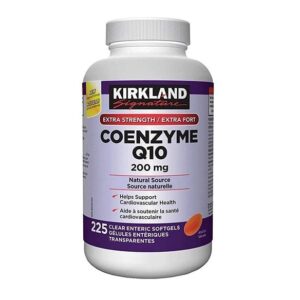
Kirkland Signature – Coenzyme Q10 200 mg 225 capsules
Original price was: $438.00.$358.00Current price is: $358.00. Add to basket
Related Post:
![| 香港成年人在家閱讀無品牌補充品標籤,桌上有蔬菜與水]()
Hong Kong Liver Health Product Insight Report 2024-2025: Liver-Protecting Formulas Decline, Q10 Increases
![香港成年人在家閱讀與休息,從日常習慣開始理解腦部健康]()
Hong Kong Brain Health Insight Report 2024–2025: Differentiating Fish Oil, Memory Formulas, and Vitamin B12 from 87 Products
![香港上班族在窗邊暫停看屏幕,讓雙眼休息並重新整理眼晴健康選擇]()
Eye Health Insight Report 2024-2025: Beyond Lutein – Fish Oil Accounted for 76.41% of Store Revenue Among 98 Products (TP4T)
![香港家庭查看空氣質素並整理呼吸健康資料]()
Hong Kong Respiratory Health Product Insight Report 2024–2025: Cough, Nasal Allergies, and Sore Throat Are Not the Same Thing