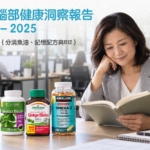
The heart is the heart of life. It continuously delivers nutrients, oxygen, and hormones to all cells in the body and removes metabolic waste such as carbon dioxide, while helping the body cope with activity, exercise, and stress. As we age, the heart and blood vessels undergo natural changes—the heart muscle and arteries become harder and thicker, making it more strenuous for older adults to handle strenuous activity and increasing their risk of heart problems.Hypertension, coronary heart disease, heart failureIssues such as... The good news is:Cardiovascular health can be improved through lifestyle habits, and it's never too late to start at any age.However, if you experience any signs of a heart attack, please call emergency medical services immediately.
- Changes in the heart and blood vessels with age
- Common Heart Problems and Their Causes in the Elderly
- Understanding a Heart Attack: Symptoms and Immediate Treatment
- Exercise and cardiovascular function
- Omega-3 and Heart Health
- Heart-protecting habits and diet
- Selection and Product Recommendations
- Frequently Asked Questions (FAQ)
- Source of information
1. Changes in the heart and blood vessels with age
The heart is a muscle about the size of a fist, responsible for pumping blood throughout the body: the right side sends blood to the lungs to absorb oxygen, and the left side then sends the oxygenated blood via arteries to various organs. According to...The National Institute on Aging (NIA)Normal aging brings about some changes to the heart and blood vessels:
- As people age, the heart experiences stress during activity or when compressed.It is difficult to increase the jumping speed.(However, resting heart rate generally does not change much).
- The heart muscle may thicken and the blood volume in the chambers may decrease slightly, increasing the risk of arrhythmia and other heart rhythm problems.
- Heart valves may thicken and harden, affecting blood flow;
- Decreased elasticity of large arteries (arteriosclerosis)High blood pressureMore common.
These changes can increase the risk of heart disease and related problems. Therefore, older adults should have regular checkups.Blood pressure and cholesterolIt is extremely important, even if you feel you are healthy.
2. Common Heart Problems and Their Causes in the Elderly
According to NIA andThe UK National Health Service (NHS)Common heart problems among the elderly include:
- Hypertension (caused by arteriosclerosis):It becomes more common with age, often without symptoms, but increases the risk of stroke, heart disease, kidney disease, and other ailments.
- Coronary artery disease (CAD):Coronary arteries narrow due to fatty deposits (plaque), leading to insufficient blood supply to the heart muscle. This process is called…AtherosclerosisIt must be emphasized that:Although arteriosclerosis is common, it is not part of normal aging.。
- Heart failure:An insufficient heart pumping of blood to meet the body's needs can be caused by long-term hypertension, coronary heart disease, diabetes, etc. Common symptoms include shortness of breath and swelling of the feet, ankles, and abdomen.
It is worth noting thatEarly-stage heart disease often has no obvious symptoms.Some people don't discover their condition until they have a heart attack or other problems, which is why regular checkups are so valuable. In late adulthood, some early comorbidities (such as chronic obstructive pulmonary disease, atrial fibrillation, peripheral vascular disease, osteoarthritis, osteoporosis, mood problems, and neurological disorders) can also increase the burden of chronic heart problems.
How does atherosclerosis develop?
The inner wall of the coronary arteries is formed by the accumulation of substances such as fat and cholesterol.plaqueThis process often begins slowly in youth, progresses with age, and typically brings significant risks after the age of 50 to 60.Smoking, high cholesterol, high blood pressure, diabetes, obesity, and unhealthy lifestyle habitsAll of these can accelerate the process. When arteries supplying the heart or brain are blocked by plaque, it can trigger...Heart attack or stroke。
3. Understanding a Heart Attack: Symptoms and Immediate Treatment
A heart attack (myocardial infarction) occurs when the blood supply to the heart muscle is cut off, depriving the heart muscle of sufficient oxygen and nutrients. Coronary artery disease cannot be "cured," but treatment can control symptoms and reduce the chance of a heart attack.
Common symptoms of a heart attack
依NHSWith NIA, possibly including:
- Chest pain, pressure or squeezing sensationIt can spread to the arms, neck, jaw, and back;
- Rapid breathing;
- Sweating profusely, pale or grayish complexion;
- Nausea, vomiting, upper abdominal discomfort, or a burning sensation like "indigestion".
- A feeling of tightness or pressure in the chest that persists;
- The chest pain radiates to the arm, neck, or jaw;
- Severe difficulty breathing, cold sweats, pale/grayish complexion;
- If someone collapses, becomes unresponsive, or stops breathing, cardiopulmonary resuscitation (CPR) should be initiated immediately.
Distinguishing between:Heart attackIt is due to obstructed blood supply to the myocardium;cardiac arrestThis is a sudden cardiac arrest that causes loss of consciousness; the two require different treatment. If you have any questions about your heart condition, please consult your doctor.
4. Exercise and cardiovascular function
Staying active is a great way to slow down muscle loss and maintain cardiovascular endurance. Regular aerobic exercise helps improve several cardiovascular risk factors, increases survival rate and quality of life, and also improves physical function by increasing muscle strength, muscle mass, and bone density; conversely,Lack of physical activity is associated with an increased risk of cardiovascular death.In addition to improving physical function, exercise can also help improve mood, activity level, and mental state, reducing the adverse effects of prolonged sitting.
依NIA與World Health Organization (WHO)It is suggested that the elderly can go toAt least 150 minutes of moderate-intensity activity per weekWith the goal, and in coordination
Strength (resistance) training – both aerobic exercise and resistance training are good for the heart; most importantly, “get moving”, any activity is better than no activity at all.
As forCardiac Rehabilitation ProgramThis is generally a professional recovery plan referred and assisted by a doctor after a heart attack, angioplasty, or heart surgery; it is not a "cure-all" that one can choose on their own. When choosing an exercise program, seniors should first consider their age and health condition.Consult a doctor firstThen decide on the appropriate type and intensity.
5. Omega-3 and Heart Health
Omega-3 fatty acids (ALA, EPA, DHA) are important components of cell membranes.Heart, blood vessels, lungs, immune and endocrine systemsBoth have their functions. ALA mainly comes from plants (flaxseed, soybean, canola oil), while EPA and DHA come from fish and seafood.
according toUS NIH data:
- 把Fatty fish and seafoodIncorporating a balanced diet can help maintain heart health and reduce the risk of some heart problems.
- Obtaining more EPA and DHA from food or supplements canLowering triglycerides;
- The American Heart Association (AHA) recommends consuming one to two servings of seafood per week.People with pre-existing heart disease can take about 1 gram of EPA plus DHA daily under the guidance of a medical professional (oil-based fish is preferred, but supplements are also an option).
Omega-3 can be found in a variety of foods, including walnuts, canola oil, soybeans, and grains, pasta, and dairy products fortified with Omega-3.
6. Heart-protecting habits and diet
Another key to controlling cardiovascular risk is reducing harmful intake and establishing healthy habits.WHONHS and NIA:
- Fat selection:Reduce saturated fat andTrans fatsThese foods can raise "bad" cholesterol (LDL), a risk factor for arterial plaque; they should be replaced with unsaturated fats (vegetable oils, nuts, fish). Reducing processed and fried foods and reading packaging labels to avoid hydrogenated oils are practical practices.
- Dietary fiber and carbohydrates:Consume plenty of whole grains and dietary fiber (WHO recommends at least 25 grams per day for adults, from vegetables, fruits, legumes, and whole grains). Carbohydrates generally account for about 451 TP4T to 751 TP4T of total daily energy, mainly from unrefined whole grains.
- Reduce salt intake:Older adults are more sensitive to salt, and excessive salt intake can raise blood pressure; the WHO recommends a daily salt intake of less than 5 grams (about one teaspoon).
- Controlling sugar intake:Free sugars should be less than 101 TP 4T of total daily energy.
Smoking and alcohol
- Smoking:Smoking accelerates coronary atherosclerosis, promotes fat deposition and plaque growth, and is a major preventable cause of cardiovascular disease. Quitting smoking (even later in life) can improve health and reduce the risk of heart disease and stroke.
- Alcohol:Excessive alcohol consumption increases the risk of high blood pressure.The NHS recommends that adults consume no more than 14 units of alcohol per week regularly and try to abstain from alcohol for several days; the NIA further reminds older adults to...Drink as little as possible or not at all.This is because alcohol can worsen existing health problems and may have dangerous interactions with medications.
(The previous article stating that "12 ounces of beer per day for women and 24 ounces for men can prevent high blood pressure" is incorrect and dangerous: alcohol itself raises blood pressure and is not a means of protecting the heart. This has been corrected.)
7. Selection and Product Recommendations
If you wish to use nutritional supplements as part of your daily heart health maintenance, please check whether the product clearly states this information.Ingredients, content, dosage form and third-party testingCommon cardiovascular-related options includeOmega-3 fish oil (EPA/DHA)When purchasing fish oil, pay attention to the actual content of EPA and DHA, rather than just looking at the "mg count of fish oil".
However, it must be emphasized that:Supplements cannot replace medication or regular treatment.Supplements cannot replace a balanced diet and exercise. If you are taking anticoagulants, blood pressure medication, or cholesterol-lowering medication, or are preparing for surgery, be sure to consult your doctor or pharmacist before supplementing.

8. Frequently Asked Questions (FAQ)
Is a decline in heart function in the elderly inevitable?
While the heart and blood vessels do undergo natural changes with age (such as hardening of the arteries and thickening of the myocardium), atherosclerosis...noAs part of normal aging, most cardiovascular risks can be improved through diet, exercise, quitting smoking, and controlling blood pressure and cholesterol. Regular checkups should begin as early as possible.
Does a heart attack always cause chest pain?
Not necessarily. Chest pain or pressure is a common symptom, but women often present with shortness of breath, fatigue, weakness, gastrointestinal discomfort, anxiety, or pain in the shoulders, back, or arms; the elderly and diabetic patients may also have atypical symptoms. If you experience sudden chest pain that spreads to your arms, neck, or jaw, or severe difficulty breathing and cold sweats, call emergency medical services immediately.
Can drinking beer every day prevent high blood pressure?
No. This is a common misconception—alcohol itself raises blood pressure, and excessive drinking is a risk factor for high blood pressure. The NHS recommends not regularly exceeding 14 units of alcohol per week, and older adults should drink as little as possible or abstain from alcohol altogether.
Does taking fish oil really protect your heart?
The more clearly defined effects of fish oil (EPA/DHA) areLowering triglyceridesIncorporating oily fish into a balanced diet can help heart health. However, it is not a magic bullet for "clearing blood vessels and preventing strokes," and it is not recommended for the general public to supplement solely for the prevention of cardiovascular disease. If you are taking anticoagulants, high doses of fish oil may increase the risk of bleeding, so you should consult a doctor first.
Is it still useful to start exercising when you're older?
Yes. It's beneficial to start exercising at any age. Both aerobic exercise and strength training are good for the heart and can improve risk factors, quality of life, and activity levels. It's recommended to aim for at least 150 minutes of moderate-intensity activity per week.Consult a doctor firstChoose the appropriate type and strength.
9. Sources of information
- The UK National Health Service (NHS) — Heart attack (symptoms, 999 immediate treatment, cardiac rehabilitation)
- The UK National Health Service (NHS) — Coronary heart disease (CAD, atherosclerosis, risk factors)
- The UK National Health Service (NHS) — High blood pressure (hypertension, alcohol, and lifestyle adjustments)
- The National Institute on Aging (NIA) — Heart Health and Aging (Heart Changes with Age, Heart Care Tips)
- Office of Dietary Supplements, National Institutes of Health (NIH) — Omega-3 Fatty Acids (EPA/DHA, AHA Recommendations, Bleeding Risk)
- World Health Organization (WHO) — Healthy diet (fiber, salt, sugar, fat recommendations)
- World Health Organization (WHO) — Physical activity (recommended activity level for adults)
- U.S. Centers for Disease Control and Prevention (CDC) — Heart Disease Risk Factors
Disclaimer: This article is for health information purposes only and should not replace medical diagnosis and treatment. Nutritional supplements are not drugs and should not be used to "treat, cure, or prevent" any disease, nor can they replace prescription medications. If you experience a heart attack, please call emergency services immediately. If you have a history of cardiovascular disease, are currently taking medication, or are preparing for surgery, please consult your doctor or pharmacist before taking any supplements. Product information is subject to the information displayed on the product page on the day of publication.
Related Products:
-
Sale!
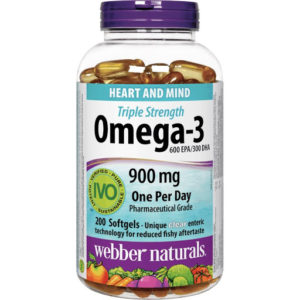
Webber Naturals – Triple Strength Omega-3 (900mg EPA / DHA) 200 capsules Value Pack
Original price was: $398.00.$280.00Current price is: $280.00. Add to basket -
Sale!

Kirkland Signature – Omega-3 Ultra Concentrated Deep Sea Fish Oil Capsules 1300mg 330 Capsules
Original price was: $350.00.$298.00Current price is: $298.00. Add to basket -
Sale!
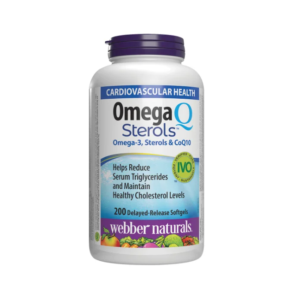
Vebogen – Omega 3 & Coenzyme Q10 & Phytosterols 200 Capsules
Original price was: $290.00.$245.00Current price is: $245.00. Add to basket -
Sale!

Webber Naturals – Omega-3 Mini Fish Oil Capsules 300mg 220 Softgels
Original price was: $198.00.$168.00Current price is: $168.00. Add to basket
Related Post:
![母親用滴管把少量植物藻油滴在食物匙上,幼兒坐在餐桌旁]()
A Complete Guide to Plant-Based Algae Oil Omega-3: Odorless, Vegetarian, and Suitable Omega-3 Choices for Pregnant Women and Infants
![牛樟芝子實體與膠囊製品示意]()
What is Antrodia camphorata? A complete guide to its ingredients, research evidence, and precautions for consumption.
![世界心臟日護心飲食場景,香港中年夫婦享用豆漿、豆腐、雞蛋與堅果,旁有心臟及細胞膜卡通示意]()
World Heart Day: Heart Health in Hong Kong Starts with Daily Life | What are the Benefits of Lecithin? Which of Three 1200mg Products to Choose From?
![香港成年人在家閱讀與休息,從日常習慣開始理解腦部健康]()
Fish oil, mini capsules, or B12? Formulas and daily choices for 8 best-selling brain health products.