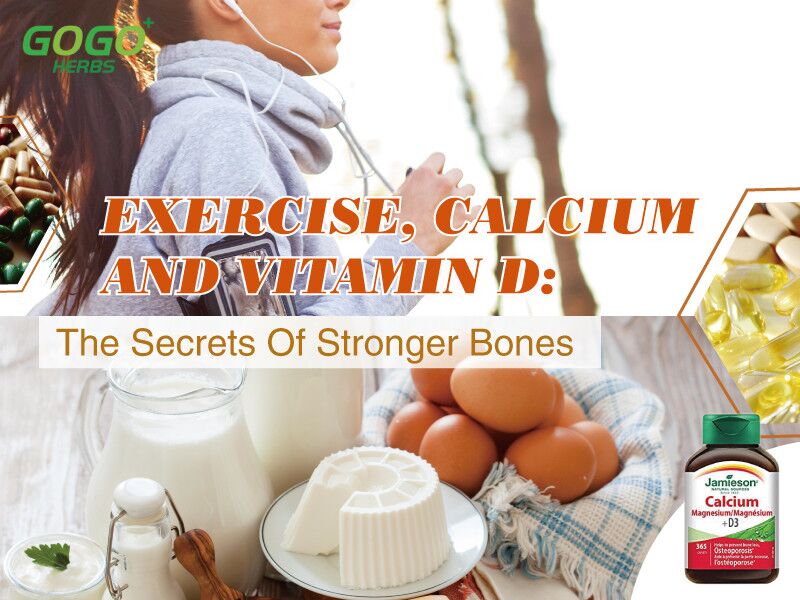
The three essential elements for strong bones: exercise, calcium, and vitamin D.
When it comes to bone health, most people have heard of "calcium supplements" and "more exercise." But few people truly understand the role bones play in the body and why they weaken with age. This explains why osteoporosis and insufficient bone mass are so common in adults.
Please note: This article is a compilation of lifestyle and nutrition information and does not constitute medical advice, diagnosis, or treatment. If you have been diagnosed with osteoporosis, have had a fracture, or are currently taking medications that affect bones (such as steroids or osteoporosis medications), please consult a doctor, physical therapist, or registered dietitian before making any adjustments to your exercise, diet, or supplements. Do not replace medical treatment with supplements.
II. Skeletal Needs at Different Stages of Life
III. Three Key Elements for Strong Bones
IV. Warning Signs of Osteoporosis and the Boundary to Seek Medical Treatment
V. Frequently Asked Questions (FAQ)
I. Bones are living tissue: Why does bone loss occur?
The skeleton is not a static framework, but...living tissueThroughout life, we are constantly renewing ourselves through a cycle of "breaking down old bone and generating new bone." Although everyone's skeleton may look similar, bone density tests (DEXA scans) can often reveal significant individual differences.
During childhood and adolescence, the body produces new bone faster than it breaks down old bone, resulting in a continuous increase in bone mass.Bone mass typically peaks around age 30.After that, the rate of bone regeneration gradually cannot keep up with the rate of bone breakdown, and bone mass slowly declines with age. When too much bone is lost and bones become brittle and prone to fracture, it may be osteoporosis.
The UK National Health Service (NHS) pointed outOsteoporosis progresses slowly and is often not discovered until a fall or impact causes a fracture. The most common fracture sites are the wrist, hip, and spine; sometimes even a cough or sneeze can cause a rib fracture or spinal collapse. Women experience particularly rapid bone loss in the first few years after menopause and are at higher risk than men, but men, younger women, and children can also develop it.
II. Skeletal Needs at Different Stages of Life
- Infants and children:Bones support the body's weight, enabling children to crawl, stand, and walk, and also serve as a framework to protect vulnerable organs such as the brain and heart. Because falls, fractures, and dislocations are common, pediatricians have always emphasized the importance of strong bones. Adequate intake of calcium and vitamin D is especially crucial at this stage.
- teenager:This is the peak period for bone mass accumulation. Sufficient nutrition and exercise can "reserve" more bone mass for a lifetime.
- Young adults:Many people neglect their bone health, developing habits such as prolonged sitting, excessive drinking, and smoking, quietly depleting their bone mass—these are precisely the reasons why... NHS List of Osteoporosis Risk Factors。
- After age 50 and with elders:With bone mass naturally decreasing, maintaining muscle strength, balance, and coordination becomes especially important, as these are directly related to bone density.Risk of falls and fracturesDuring this stage, a balanced diet, regular exercise, and sufficient sun exposure are even more important.
III. Three Key Elements for Strong Bones
1. Exercise: Weight training and strength training are key.
It's never too late to improve your bone health. Bones respond to the forces applied to them, thus receiving more stimulation and maintenance. Studies show that weight-bearing and resistance (muscle strength) training helps maintain bone strength and density.
The National Institute on Aging (NIA) recommendsAn ideal combination of activities should include three types of sports:
| type | Recommended serving size | Examples and benefits |
|---|---|---|
| Aerobic (endurance) | At least 150 minutes of moderate-intensity exercise per week | Brisk walking, dancing, swimming, cycling, climbing stairs, gardening; strengthen your heart and lungs and circulation. |
| Muscle strength (resistance) | Train major muscle groups at least 2 days a week. | Resistance bands, dumbbells, squats, push-ups; maintain muscle strength, slow muscle loss, and help prevent falls. |
| balance | About 3 times a week | Tai Chi, yoga, standing on one leg, and walking on your toes can help reduce falls and related injuries. |
It is important to note thatWeightliftingActivities like walking, dancing, and climbing stairs provide the most direct stimulation to the bones; swimming and cycling are also beneficial.Non-loadExercise is very beneficial for the heart and lungs, but its effect on bone density is relatively limited. As for high-impact exercises such as jumping, some studies show that they can help with bone density, but...Not suitable for everyone—If you already have osteoporosis, joint problems, or have had a fracture, be sure to consult a doctor or physical therapist before proceeding.
The NIA also advises against training the same muscle group on consecutive days to allow for muscle recovery; beginners can start with bodyweight exercises or resistance band exercises. Exercise can actually be fun: dancing with friends or climbing stairs several times a day are both bone-friendly activities.
2. Calcium: The main building block of bones
Human body Calcium 99%Stored in bones and teeth.NHS pointed outCalcium is responsible for building bones and teeth, regulating muscle contraction (including heartbeat), and maintaining normal blood clotting. Long-term calcium deficiency can lead to rickets in children, and osteomalacia or osteoporosis later in life.
Recommended daily intakeIt varies depending on age, gender, and life stage.US NIH Office of Dietary Supplements (ODS)The recommendations are as follows (guidelines vary slightly from country to country; the NHS considers 700 mg per day sufficient for adults in the UK):
- Teenagers (9– 18 years old): Approximately 1,300 mg
- Adults (19– 50 years old): Approximately 1,000 mg
- Women aged 51 and over, and men aged 71 and over: approximately 1,200 mg
Food source priority:NHS RecommendationsStart by getting calcium from your daily diet, including milk, cheese and dairy products, leafy green vegetables (such as kale and okra; although spinach contains calcium, the human body absorbs it in limited quantities), calcium-fortified soy milk, bread made with fortified flour, and fish that are eaten with the bones (such as sardines).First, try to meet your dietary needs; only consider supplements if you truly cannot achieve the required levels.This is exactly the opposite of the order of "taking supplements first".
Choosing and Considering Supplements:Calcium carbonate and calcium citrate are the two most common types available on the market. Calcium carbonate is better absorbed when taken with meals; calcium citrate can be taken on an empty stomach or with meals. If you wish to purchase...Formulas containing vitamin D help with calcium absorption.This is a practical consideration.
Do not consume excessive amounts:NHS ReminderDaily intake exceeding 1,500 mg may cause gastrointestinal discomfort; the ODS lists the upper limit for adults at approximately 2,000 mg/day (depending on age). Long-term use of very high doses of calcium supplements is also associated with an increased risk of kidney stones. Furthermore, calcium may affect the absorption of some medications (such as thyroid hormones, certain antibiotics, and osteoporosis medications); therefore, it is advisable to take calcium supplements at different times than other medications and consult a doctor or pharmacist beforehand.
3. Vitamin D: Helps the body utilize calcium.
Vitamin D is considered key to bone health because...It helps the body absorb calcium.— And calcium is the main building block of bones. ODS points out that vitamin D and calcium work together to support bone health and help the body fight osteoporosis; it is also involved in muscle function and nerve conduction, and the immune system also needs it.
Recommended daily intake(According to ODS): 15 micrograms (600 IU) for adults aged 70 and over; 20 micrograms (800 IU) for those aged 71 and over. The daily upper limit is 100 micrograms (4,000 IU).The NHS recommendsPeople at risk of osteoporosis can supplement with 10 micrograms (400 IU) of vitamin D daily.
source:Sun exposure is the primary route of vitamin D deficiency. In terms of diet, oily fish (salmon, tuna, mackerel, trout), cod liver oil, egg yolks, cheese, and fortified milk, breakfast cereals, and plant-based milk are all good choices. If you spend a lot of time indoors, don't get enough sun exposure, or belong to a group more prone to vitamin D deficiency, you can discuss with your doctor whether supplementation is necessary.However, long-term intake of high doses may lead to excessively high blood calcium levels, so do not increase the dosage significantly on your own.
Thirdly, gogoHerbs bone health nutrition recommendations (product link to be added later).
- Calcium + Vitamin D Complex:Suitable for those with insufficient calcium intake in their daily diet and limited sun exposure; Vitamin D helps with calcium absorption and utilization. Calcium carbonate is recommended to be taken with meals.
- magnesium:It participates in the normal function of bones and muscles and is commonly found in comprehensive bone health formulas.
- Multivitamins/Minerals:As a supplement to the basic nutrition of those with a narrow diet.
Selection principles: Carefully check the ingredients and serving size, pay attention to the total daily intake (calcium should not exceed 1,500 mg, and the daily upper limit for vitamin D is approximately 4,000 IU), and choose reputable brands that provide third-party testing information. If you are currently taking thyroid hormones, antibiotics, or osteoporosis medications, calcium supplements may affect absorption; please consult your doctor or pharmacist before taking them. The above are guidelines for daily nutritional health maintenance and cannot replace osteoporosis medications or treatments prescribed by a doctor.
IV. Warning Signs of Osteoporosis and the Boundary to Seek Medical Treatment
- High-risk groups should proactively assess themselves:NHS pointed outThose at higher risk include those who have taken high-dose steroids for a long period (more than 3 months), those whose parents have had a hip fracture, those who have taken medications that affect bones for a long time, those who have had eating disorders, those who are underweight, those who lack exercise, and those who are heavy drinkers or smokers. Postmenopausal women should pay particular attention.
- Diagnosis requires a doctor:Doctors will use tools such as FRAX to assess fracture risk and may schedule a DEXA bone mineral density scan (approximately 101 Tb/T 20 minutes, painless) to measure bone density.
- Osteoporosis can be treated with medication:The NHS states that osteoporosis can be treated with "bone-strengthening medications," but whether medication is needed should be determined by a doctor based on your fracture risk. Exercise, diet, and calcium/vitamin D are important.Basic maintenanceHowever, it cannot replace medication and doctor's diagnosis.
- Preventing falls is equally important:Removing obstacles from the home, having regular eye and hearing checkups, and maintaining muscle strength and balance are all practical ways for seniors to reduce fractures.
V. Frequently Asked Questions (FAQ)
Will drinking more milk make your bones stronger?
Not enough. Dairy products are a good source of calcium, but bone health also requires vitamin D (which helps calcium absorption) and weight-bearing, strength-building exercises (which stimulate the bones). Prolonged sitting, smoking, and excessive alcohol consumption can also negate the benefits of calcium supplementation.
When is the best time to take calcium supplements?
Calcium carbonate is better absorbed when taken with meals; calcium citrate can be taken on an empty stomach or with meals. If you need to take thyroid hormones, some antibiotics, or osteoporosis medications, you should avoid taking them at the same time as calcium supplements and consult a doctor or pharmacist first.
Why do we need to supplement with vitamin D in addition to calcium?
Vitamin D helps the body absorb calcium. Without enough vitamin D, even if you consume a lot of calcium, your body cannot use it effectively. Sunlight, oily fish, egg yolks, and foods fortified with vitamin D are all good sources.
I'm already 60 years old. Is it too late for me to start exercising now?
It's never too late. Regular exercise helps maintain muscle strength, balance, and coordination, and reduces the risk of falls and fractures. It is recommended to start with activities that are within your capabilities and gradually increase the intensity. If you already have osteoporosis or joint problems, consult a doctor or physical therapist first.
Can calcium supplements or vitamin D cure osteoporosis?
No. Supplements are for routine nutritional supplementation and cannot diagnose, treat, or prevent any disease. The diagnosis and treatment of osteoporosis (including osteoporosis medication) must be determined by a doctor; nutrition and exercise are basic maintenance, but cannot replace a doctor's diagnosis and treatment.
Is it true that the more calcium you take, the better?
No. The NHS warns that daily intake exceeding 1,500 mg may cause gastrointestinal upset. The ODS lists the adult daily upper limit as approximately 2,000 mg to 2,500 mg. Long-term extremely high doses are also associated with an increased risk of kidney stones. It's best to obtain these nutrients primarily through diet; supplements should only be used to supplement the intake, and the total amount should be carefully monitored.
- NIH ODS — Calcium (Recommended intake, upper limit, food and supplement forms)
- NIH ODS — Vitamin D (for calcium absorption, recommended intake, upper limit, food sources)
- NHS — Osteoporosis (Causes, Risk Factors, Diagnosis and Treatment, Prevention)
- NHS — Calcium (Function, 700 mg Daily, Food Sources, Overdose Warning)
- NIA — Three Types of Exercise (Aerobic/Strength/Balance Exercise Recommendations and Fall Prevention)
- WHO — Physical activity (adults are advised to engage in 150 minutes of moderate-intensity activity per week)
This article is a compilation of health and nutrition information for general reference only and does not constitute medical advice, diagnosis, or treatment. Individuals with osteoporosis, insufficient bone mass, a history of fractures, the elderly, pregnant women, breastfeeding women, and those currently taking steroids, thyroid hormones, antibiotics, osteoporosis medications, etc., should consult a doctor, physical therapist, pharmacist, or registered dietitian before making any adjustments to exercise, diet, or supplements. Dietary supplements cannot diagnose, treat, cure, or prevent any disease, nor should they replace medications or treatments prescribed by a doctor. If you experience fractures from minor falls, unexplained persistent back pain, decreased height, or kyphosis, please seek medical evaluation as soon as possible.
Related Products:
-
Sale!
![【門市低至$238】維柏健 - 健骨至尊 葡萄糖胺軟骨素膠囊 (500/400毫克) + D3 [特強配方] 300粒](https://gogoherbs.com/wp-content/uploads/2019/10/Glucosamine-3-1-300x300.png)
[Price as low as $238 in stores] Vepogen – Bone Strengthening Supreme Glucosamine Chondroitin Capsules (500/400 mg) + D3 [Extra Strong Formula] 300 capsules
Original price was: $298.00.$260.00Current price is: $260.00. Add to basket -
Sale!
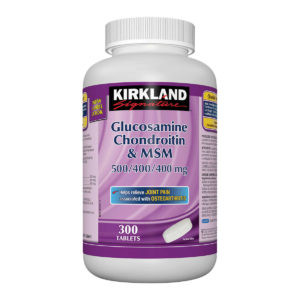
Kirkland Signature – Glucosamine & Chondroitin & MSM 500/400/400mg 300 Capsules
Original price was: $330.00.$258.00Current price is: $258.00. Add to basket -
Sale!
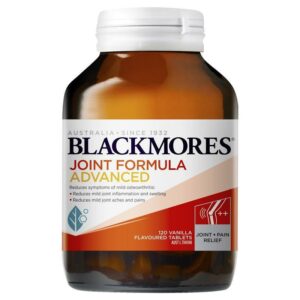
BLACKMORES – Joint Care Formula 120 capsules
Original price was: $258.00.$208.00Current price is: $208.00. Add to basket -
Sale!
![【平均$255/1】【門市低至$238】維柏健 - 健骨至尊 葡萄糖胺軟骨素膠囊 (500/400毫克) + D3 [特強配方] 300粒 x 3樽](https://gogoherbs.com/wp-content/uploads/2023/09/圖片_20260205165446_1856_1-300x300.jpg)
[Average $ 255/1] [Local price as low as $ 238] Vepogen – Bone Strengthening Supreme Glucosamine Chondroitin Capsules (500/400 mg) + D3 [Extra Strong Formula] 300 capsules x 3 bottles
Original price was: $894.00.$765.00Current price is: $765.00. Add to basket
Related Post:
![母親用滴管把少量植物藻油滴在食物匙上,幼兒坐在餐桌旁]()
A Complete Guide to Plant-Based Algae Oil Omega-3: Odorless, Vegetarian, and Suitable Omega-3 Choices for Pregnant Women and Infants
![牛樟芝子實體與膠囊製品示意]()
What is Antrodia camphorata? A complete guide to its ingredients, research evidence, and precautions for consumption.
![世界心臟日護心飲食場景,香港中年夫婦享用豆漿、豆腐、雞蛋與堅果,旁有心臟及細胞膜卡通示意]()
World Heart Day: Heart Health in Hong Kong Starts with Daily Life | What are the Benefits of Lecithin? Which of Three 1200mg Products to Choose From?
![香港關節健康洞察報告封面:中年及長者在香港步行]()
How to choose joint health supplements? 8 best-selling formulas and repurchase information help you find the right daily option.