































































How to wash away pesticide residues? A list of the dirtiest and cleanest fruits and vegetables, along with Hong Kong's official cleaning recommendations.
洗完一碗草莓,水盆底留一層沙。多數人心裡都會閃過同一個問題:這樣算洗乾淨了嗎? 想知道答案,通常會先看到一份名 […]
 Skip to content
洗完一碗草莓,水盆底留一層沙。多數人心裡都會閃過同一個問題:這樣算洗乾淨了嗎? 想知道答案,通常會先看到一份名 […]
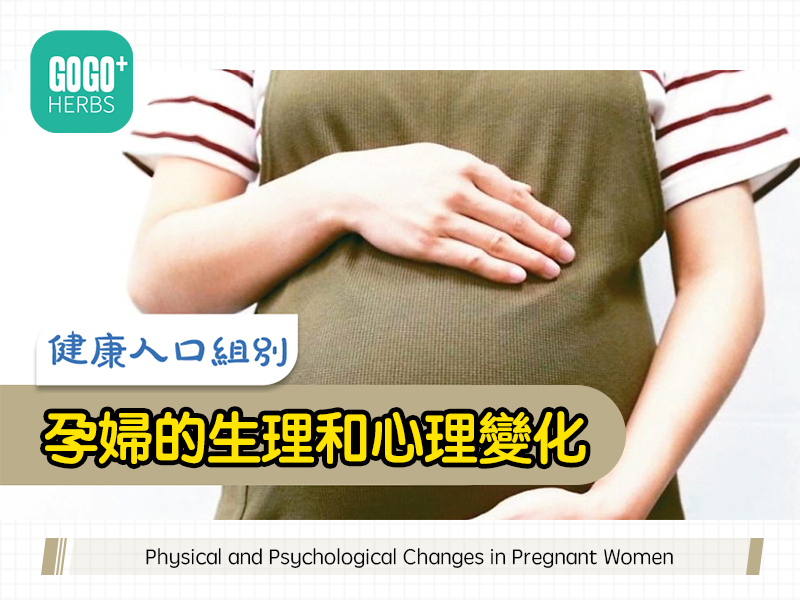
Pregnancy Care Information Compilation - For Reference Only, Not a Replacement for Doctor's Diagnosis and Prenatal Checkup Advice. Medical Boundary Reminder: This article summarizes common changes and nutritional priorities at each stage of pregnancy.

The food you eat during pregnancy or breastfeeding can affect your child's health. Pregnant women need to consume more nutrients than usual to meet the needs of both themselves and the fetus, often facing the risk of malnutrition. This risk is higher in some women, such as those on special diets, smokers, and those who are underweight or overweight. Eating high-quality food during this period helps prevent the risk of your child developing certain health conditions later in life. During fetal development, good maternal nutrition ensures that the baby receives sufficient nutrients before birth to form healthy tissues, organs, and bones, and it also provides all the nutrients needed for the child's development in breast milk.
Dietary Precautions for Pregnant Women Read More »

Folic acid, also known as vitamin B9, is a water-soluble B vitamin and an essential nutrient that our bodies cannot produce on their own, so we must obtain it through our diet. The body needs folic acid to perform some fundamental processes that keep us healthy. For example, folic acid helps the body form healthy red blood cells, which help transport oxygen and nutrients to the lungs and body tissues; they also form blood clots to prevent excessive blood loss in case of injury. In addition, red blood cells help the kidneys and liver filter waste from the blood, purifying it. Secondly, folic acid is also crucial for cell division. Based on this, research has found that folic acid helps prevent neural tube defects. Therefore, it is recommended that pregnant women take folic acid during pregnancy to ensure the normal growth and development of your unborn child.
Who needs to supplement with folic acid? Read More »

Supplementation of folic acid (vitamin B9) and B12 is required for the growth of red blood cells, and when folic acid and B12 are deficient, the synthesis of nucleated red blood cell DNA in the bone marrow will be impaired, resulting in slowing down of red blood cell differentiation and reproduction, leading to megaloblastic anaemia.