



















































Soy milk is a popular choice for many people for breakfast or after exercise, and it's also a source of protein for vegetarians and those with lactose intolerance. But if you walk into a convenience store, you'll find shelves labeled "soy milk," "soy beverage," "flavored soy milk," and "soy drinks," with packaging sizes ranging from 190 ml to 1 liter, and prices varying by several times—what accounts for this price difference?
This article explains three things separately:Name and Definition、How to interpret protein and sugar contentas well asFood safety tips and precautions for drinking freshly made soy milkThe scope mainly focuses on products available in Hong Kong and local official information, while also addressing common misunderstandings.
1. Soy milk, soy milk, and flavored soy milk: First, distinguish the names.
II. How much difference is there in protein levels? See local test results.
Third, sugar is the more common landmine.
4. Why do "slightly sweet" and "less sweet" mean low sugar?
5. "How thick" or "thick" is not the same as "how much protein" it contains.
6. Can soy milk replace cow's milk?
VII. Four Steps to Choosing Packaged Soy Milk
8. Who should pay special attention when drinking soy milk?
IX. Key Food Safety Points for Freshly Made and Homemade Soy Milk
10. Serving Size and Drinking Recommendations
XI. Frequently Asked Questions (FAQ)
1. Soy milk, soy milk, and flavored soy milk: First, distinguish the names.
There are many names for soy-based beverages on the market, but most actually fall into two categories. Taking Taiwan's current CNS standards as an example, the regulations are as follows:
| category | definition | Crude protein content requirements |
|---|---|---|
| Soy milk | Milky beverages made from processed soybeans and then packaged. | 2.6% and above |
| Prepared soy milk | Made from soy milk with a yield of 501 TP or more, nutritional supplements and flavorings can be added. | 2% and above |
It is worth noting that in this standardThere is no separate category for "soy milk".—Because soy milk is essentially the same as what we call soy milk, referring to a milky beverage made from pure soybeans.It's not "soy milk plus cow's milk".This is often misunderstood: many people see the words "soy milk" and assume that it contains milk and is therefore high in protein. In fact, "milk" is just a name that has nothing to do with milk.
In practice, it means:The name cannot be used as a basis for judgment.Whether the packaging says "soy milk" or "soy beverage," it doesn't indicate its protein concentration, sugar content, or ingredient composition. What you really need to look at is the nutrition label and ingredient list on the back.
II. How much difference is there in protein levels? See local test results.
The protein content of products labeled "soy milk" can vary significantly. The Consumer Council tested 39 pre-packaged plant-based milk products on the market, including 12 soy milk products, 10 oat milk products, 7 almond milk products, and 5 coconut milk and 5 rice milk products. The results were quite clear:
| category | Average protein per 100 ml |
|---|---|
| Soy milk | Approximately 3.26 grams |
| Oat milk | Approximately 0.66 grams |
| Almond milk | Approximately 0.5 to 0.7 grams |
| Rice milk | Approximately 0.19 grams |
| Coconut milk | Approximately 0.1 grams |
in other words,Of the five types of plant-based milk, only soy milk is a substantial source of protein.In the Consumer Council's tests, six soy milk samples had a protein content of 3.4 to 4.92 grams per 100 ml, which is higher than that of low-fat milk (about 3.37 grams); drinking a 240 ml cup of soy milk provides about 7.8 grams of protein.
There's another point worth noting:Soy milk protein is a "complete protein".It contains nine essential amino acids that the human body cannot synthesize on its own; the proteins in the other four types of plant milk are "incomplete proteins" and need to be obtained from other diets.
Incidentally, compared to the 2.6% threshold of Taiwan's CNS standard, the average level of commercially available soy milk in Hong Kong (approximately 3.26 grams/100 ml) is generally higher. Therefore, for local consumers, "whether the protein content is sufficient" is usually not the biggest issue.Sugar is the real culprit.
Third, sugar is the more common landmine.
When choosing soy milk, most people only focus on the protein content, but ignore the sugar. The John Tung Foundation in Taiwan once investigated commercially available soy-based beverages and found that some products had a very high sugar content. Some products had more than 20 grams of added sugar per bottle, and drinking two bottles would approach or exceed the then-recommended daily limit.There are corresponding official standards in Hong Kong that can be used to verify this situation.
According to the Hong Kong Centre for Food Safety, claims regarding sugar-related nutrient content must meet the following conditions:
| claim | condition |
|---|---|
| low sugar | Per 100 grams or milliliters of food containsNo more than 5 grams糖 |
| Sugar-free/sugar free | Per 100 grams or milliliters of food containsNot exceeding 0.5 grams糖 |
The Centre for Food Safety previously tested 80 pre-packaged beverages, of which 12 soy-based beverages had a sugar content of 5.3 to 7.2 grams per 100 grams, averaging about 6.4 grams. This figure is already among the lowest of all beverage types (the average sugar content of lactic acid drinks during the same period was about 15 grams), but it falls short of the "low sugar" threshold (no more than 5 grams).Regularly formulated soy milk doesn't actually meet the "low sugar" standard.。
Two other things to remember:
- "Sugar" on nutrition labelsIt is the sum of all monosaccharides and disaccharides.Including naturally occurring and added ingredientsIt's not just about adding sugar.
- Want to know if the product hasAdd extra sugarTo seeIngredients listThe ingredients are arranged from largest to smallest by weight or volume. If sugar, sucrose, fructose, concentrated fruit juice, high-fructose corn syrup, honey, syrup, etc. are listed first, it means that the sugar content is not low.
(As an aside: The WHO calculates "free sugars"—sugars added to food by manufacturers, chefs, or consumers, plus the sugars naturally present in honey, syrups, and fruit juices. Sugars in whole, fresh fruits and vegetables are not included in this limit, unlike sugary drinks.)
4. Why do "slightly sweet" and "less sweet" mean low sugar?
Many products use terms like "slightly sweet," "less sweet," or "no added sugar" to imply they are healthier. Here's a key fact:These terms are not regulated by laws regarding nutritional claims in Hong Kong.
The Centre for Food Safety clearly states in its nutrition claims regarding sugar that it should be "less sweet," "slightly sweet," or "no added sugar."Not considered as a nutrient content claimTherefore, it is not included in the scope of relevant regulations. The original text from the Food Safety Centre states:
"Terms like 'less sweet' and 'slightly sweet' are subjective and vary from person to person, so there is no uniform standard value. They are also not necessarily directly related to the amount of sugar in food. If products use these terms to evade legal regulations, it is a trick and may mislead consumers."
Actual test data also supports this warning—tests by the Centre for Food Safety found that samples labeled "less sweet" could contain as much as 9.1 to 9.8 grams of sugar per 100 grams, still exceeding the "low sugar" threshold. Furthermore,No added sugarSimply stating that a product has no added sugar is insufficient, as food itself may contain naturally occurring sugars. Even if a product claims to be "sugar-free," it still...It does not necessarily mean that the sugar content is low.。
5. "How thick" or "thick" is not the same as "how much protein" it contains.
Traditional soy milk shops and breakfast stalls usually sell unpackaged soy milk without nutritional information. How can you choose the right one? The John Tung Foundation once provided a simple "heating method to judge concentration": Pour the soy milk into a bowl and heat it over a double boiler. When the surface starts to form a skin and show lines (about 90°C), turn off the heat and start timing. If a complete wrinkled soy skin forms on the surface within 80 seconds, it means the concentration is higher; if the soy skin breaks and falls apart, it means the concentration is lower.
This method is a feasible auxiliary observation method.However, its purpose must be clearly stated: it measures "thickness" and "solids", not protein content.
The John Tung Foundation specifically reminded the public in the same statement:A high concentration does not necessarily mean a high protein content; it could be due to the addition of starch, thickeners, or other ingredients to increase the viscosity and texture.Therefore, it is recommended to carefully check the nutrition label before purchasing. In other words, if a store adds starch to soy milk, it will make the bean skin form faster and more completely—it may look "thick enough," but it may not necessarily have more protein.
Furthermore, this method has limited resolution. Some water vendors have pointed out that as long as the water is not added in an exaggerated way (such as a 1:9 ratio), the soy milk will generally still produce a skin after heating, so whether or not a skin forms may not reflect the actual difference.
6. Can soy milk replace cow's milk?
Many people use soy milk as a substitute for cow's milk, but the two have different nutritional functions. A consumer council test report warns against this.Plant-based milk may not be able to completely replace cow's milk from a nutritional point of view.
| project | Soy milk | milk |
|---|---|---|
| protein | Approximately 3.26 grams per 100 milliliters (complete protein) | Approximately 3.37 grams per 100 milliliters |
| Natural calcium | Low (approximately 10 mg/100 ml, depending on concentration) | Approximately 100 mg/100 ml or more |
| Vitamin D, B12 | Very low or no natural content | Contains (Vitamin D, depending on product formulation) |
| lactose | Not included | 含 |
| Fat composition | Mainly composed of unsaturated fatty acids | High proportion of saturated fat |
The Consumer Council specifically points out discrepancies in "high calcium" labeling: In its tests, 16 plant-based milk products met the definition of "high calcium" per 100 kcal; however, if calculated per kcal...per 100 mlCalculations show that only 3 out of 16 products (1 soy milk, 1 almond milk, and 1 coconut milk) truly reach high calcium levels, with a calcium content of approximately 140 to 156 milligrams.Don't assume that drinking one cup of milk contains the same amount of calcium as drinking a cup of low-fat milk just because the packaging says "calcium".
Conversely, soy milk also has clear advantages: it is lactose-free, so people with lactose intolerance are less likely to experience diarrhea after drinking it; its fat is mainly unsaturated fatty acids; and it contains dietary fiber and soy isoflavones. However..."Lactose-free" does not mean "won't cause bloating".— The oligosaccharides in legumes are difficult to digest in the small intestine and may still cause bloating in some people.
Practical conclusion: Neither will replace the other. If you are replacing some of your dairy products with soy milk, it is recommended to choose...It contains added calcium and vitaminsYou can supplement your diet with calcium from other foods (dark green vegetables, soy products, nuts, small fish with bones, etc.); if you are lactose intolerant, have a milk protein allergy, or are a vegetarian, it is also worthwhile to discuss your overall dietary plan with your doctor or registered dietitian.
VII. Four Steps to Choosing Packaged Soy Milk
Organize the above sections into an actionable sequence:
Step 1: Check the protein content, using 100 ml as a benchmark.The average protein content of soy milk in Hong Kong is about 3.26 grams per 100 ml, and a level of 3.4 grams or more is considered relatively high. However, the protein content should be considered together with the sugar content, not just based on this one column.
Step 2: Look at the sugar content; only recognize "low sugar" and "sugar-free"."Low sugar" means no more than 5 grams per 100 ml, and "sugar-free" means no more than 0.5 grams per 100 ml. When you see "slightly sweet," "less sweet," or "no added sugar," please refer directly to the sugar content listed on the nutrition label.
Step 3: Check the ingredient list.The ingredients are listed in descending order of weight. If sugary ingredients (granulated sugar, sucrose, fructose, concentrated fruit juice, high-fructose corn syrup, honey, maltose, syrup, etc.) appear among the first few ingredients, it indicates that the sugar content is not low.
Step 4: Confirm the addition and capacity.If you plan to replace some of your dairy products with soy milk, choose products with added calcium and vitamins; also, pay attention to the volume of each packet and convert it to 100 ml when comparing.
in addition,Instant soy milk powderOne thing to note: According to the Food Safety Centre, for foods that must be mixed with water before consumption, the nutritional claims can be calculated based on the "consumption state after mixing," but the packaging must clearly state the mixing instructions. Therefore, when purchasing powdered drinks, you should carefully check whether the numbers on the label refer to the powder state or the mixed beverage state, as the two can be very different.
8. Who should pay special attention when drinking soy milk?
Soy milk is a suitable daily beverage for most people, but the following situations deserve to be considered first:
- Infants under one year old:Soy milk should not be the main beverage. The UK NHS recommends that children over one year old can drink unsweetened, calcium-fortified plant-based milk (such as soy milk, oat milk, and almond milk) as part of a balanced diet—that is, children under one year old should not replace breast milk or infant formula with soy milk.
- Those currently taking thyroid medication (levothyroxine):Soy products may reduce the absorption of medications in the intestines. Multiple drug data sources and medical institutions recommend that these medications should be taken on an empty stomach, and with soy products, calcium or iron supplements, etc.Intervals of several hours (e.g., 4 hours)Thyroid function may need to be monitored during this period. Please confirm the specific arrangements with your doctor or pharmacist and do not adjust the dosage on your own.
- Groups that need calcium supplementation:It is not recommended for people in their growth period, pregnancy, lactation, old age, or those at high risk of osteoporosis to rely solely on soy milk to supplement calcium. They should choose calcium-fortified products and obtain calcium from other foods.
- Patients with kidney disease:The intake of protein, potassium, and phosphorus often needs to be restricted individually, and you should consult a doctor or registered dietitian before drinking it.
- For those sensitive to nickel:The Consumer Council detected nickel in 10 plant-based milk samples, 8 of which were soy milk (accounting for over 60% of all soy milk samples); soybeans naturally contain a high amount of nickel. Currently, there is no evidence that normal intake will affect health—for a 60 kg adult, one would need to drink 3 cups of the sample with the highest nickel content daily to reach the tolerable intake—however, individuals sensitive to nickel may experience skin reactions after consuming nickel-containing foods and should exercise caution.
IX. Key Food Safety Points for Freshly Made and Homemade Soy Milk
Compared to packaged products, the risks of freshly made soy milk lie in...Temperature and time controlThis is something that has been clearly and officially pointed out locally.
The Centre for Food Safety once took a sample of soy milk from a local eatery and detected...Bacillus cereusThe quantity exceeds the content guidelines in the "Guidelines for Microbiological Content in Food". Bacillus cereus is ubiquitous in the environment and can exist naturally in soil, plants and agricultural products. Therefore, soybeans used to produce soy milk may also carry this bacterium.
The key point is:Cooking can kill its reproductive cells, but the spores are heat-resistant.These spores must be killed by high-temperature treatment (e.g., heating at approximately 121°C for 3 minutes). The cooking temperatures used in retail soy milk production are usually insufficient to kill them; on the contrary,The heat from cooking can induce spore germination.These cells become reproductive cells, eliminating other competing microorganisms and creating a favorable environment for reproduction. If soy milk is left at room temperature for an extended period after cooking, these reproductive cells will proliferate rapidly and produce...Heat-resistant emetic toxin—Soy milk contaminatedEven after reheating, food poisoning may still occur.Patients will experience symptoms such as vomiting shortly after drinking it.
The Centre for Food Safety's recommendations to the industry and the public can be summarized into a few figures:
| context | suggestion |
|---|---|
| Dangerous temperature range | The temperature should be between 4 and 60 degrees Celsius (the cooking time for soy milk should be kept as short as possible within this range). |
| Soybean pulp | It must be thoroughly cooked to kill the reproductive cells and other bacteria. |
| hot drinks | It can be stored at temperatures above 60 degrees Celsius. |
| Cold drinks to cool down | The temperature dropped to 20 degrees Celsius within 2 hours, and then to 4 degrees Celsius within the next 4 hours. |
| Refrigerated storage | 4 degrees Celsius or below |
| Reheat | The temperature must reach at least 75 degrees Celsius. |
In addition, legumes contain a natural toxin—Plant hemagglutininThe Centre for Food Safety points out that eating improperly processed beans can lead to food poisoning, with symptoms including severe stomach pain, vomiting, and diarrhea, which usually appear 1 to 3 hours after consumption. Some beans commonly consumed in Hong Kong (including soybeans, green beans, and string beans) have caused poisoning in other places.Thoroughly boiling in water can reduce its toxicity.There is a common pitfall when making homemade soy milk: when heated to 80℃ to 90℃, a lot of white foam will appear. This is a "false boil" phenomenon. At this time, the temperature is not enough to destroy harmful substances. You should continue to heat for several minutes until the foam disappears completely.
10. Serving Size and Drinking Recommendations
- Treating soy milk as a "drink" rather than "water".The sugar and calories in sweetened soy milk should be included in the daily intake; plain water should still be the main source of hydration.
- Choose sugar-free or low-sugar options.Compare products based on 100 ml, and prioritize those without added sugar. If you prefer it sweeter, you can control the amount of sugar you add.
- As one of the sources of protein.A 240 ml cup of soy milk provides about 7.8 grams of protein and can be taken at breakfast or after exercise as part of your overall protein intake, rather than as your sole source.
- Vegetarians need to supplement their diet with other nutrients.When soy products are the main source of protein, it is advisable to choose products that are high in protein and low in sugar, and to pay attention to supplementing calcium, vitamin D and B12 from other foods.
- Diversification is more practical than "drinking only one type".Soy milk and dairy products each have their own functions, so there's no need to choose one over the other; alternating between them or combining them with other protein sources makes it easier to meet overall nutritional needs.
XI. Frequently Asked Questions (FAQ)
Are soy milk and soy milk the same thing?
In Taiwan's CNS standards, soy milk is what we commonly refer to as soy milk, meaning a milky beverage made from processed soybeans and packaged, with a crude protein content of at least 2.61 TP4T. There is no separate category for "soy milk" in this standard. The inclusion of the word "milk" in the name is simply a matter of convention and has nothing to do with the composition of cow's milk.
The packaging says "soy milk," does that mean it contains cow's milk?
No. In Hong Kong law, "dairy products" specifically refers to cow's milk, and there are regulations regarding milk fat and milk solids content. Soy milk does not contain milk fat, therefore it does not fall under the category of "dairy products" or "dairy beverages" under the law. "Soy milk" is simply a commonly used product name. To find out the ingredients, please check the ingredient list.
How much protein per 100 ml is considered good?
There is no single, mandatory target number, but local levels can be used as a reference: Of the 12 soy milk products tested by the Consumer Council, the average was approximately 3.26 grams per 100 ml, with 6 products reaching 3.4 to 4.92 grams, already higher than low-fat milk. Comparisons are based on per 100 ml, and sugar content is also considered.
Does "slightly sweet" mean low in sugar?
No. The Centre for Food Safety clearly states that "less sweet" and "slightly sweet" are not considered nutrient content claims and are not regulated by relevant laws. They are subjective terms that can vary from person to person and may not be directly related to sugar content. To determine sugar content, please check the nutrition label: "low sugar" means no more than 5 grams per 100 ml, and "sugar-free" means no more than 0.5 grams.
Can protein content be determined using the heat-induced skin formation method?
No. The skin-forming method observes consistency and solids, not protein content. The Dong Foundation itself also reminds people that high concentration does not necessarily mean high protein content; it may simply mean that starch or thickeners have been added. This method can be used as a rough reference for consistency, but to confirm protein content, you should still check the nutrition label.
Can soy milk completely replace cow's milk?
Soy milk is not recommended as a complete substitute. Its natural calcium content is far lower than that of cow's milk, and it also lacks natural vitamin D and B12. The Consumer Council advises consumers that if they choose plant-based milk instead of cow's milk, they should choose products fortified with calcium and vitamins, and obtain sufficient nutrition from other dietary sources.
Can babies under one year old drink soy milk?
It is not suitable as a primary beverage. The NHS recommends that children over one year old can drink unsweetened, calcium-fortified plant-based milk as part of a balanced diet; children under one year old should primarily rely on breast milk or infant formula. If your child has a milk allergy or intolerance, please consult a healthcare professional first.
Can I drink soy milk while taking thyroid medication?
Soy products may affect the absorption of levothyroxine in the intestines. It is generally recommended that this type of medication be taken on an empty stomach, several hours (e.g., 4 hours) apart from soy products and calcium or iron supplements, with monitoring of thyroid function if necessary. Please confirm the recommended dosage with your doctor or pharmacist and never adjust the dosage yourself.
How long can freshly made soy milk be stored after purchase?
The Centre for Food Safety recommends that soy milk prepared in retail stores should be consumed as soon as possible; if not consumed immediately, it should be refrigerated at 4 degrees Celsius or below. Soy milk left at room temperature (4 to 60 degrees Celsius) for too long will promote the growth of Bacillus cereus and produce heat-resistant toxins that cannot be eliminated by reheating, so it should not be left for a long time.
Source of information
- Hong Kong Centre for Food Safety's "Food Safety Focus" Issue 174 (January 2021) — Bacillus cereus in soy milk. Food Safety Centre
- Hong Kong Centre for Food Safety's "Food Safety Focus" Issue 208 (November 2023) — Phytohemagglutinin poisoning. Food Safety Centre
- Hong Kong Centre for Food Safety – Guidelines for Nutrition Claims Related to Sugar (“Low sugar” or “sugar-free” conditions; “less sweet”, “slightly sweet”, and “no added sugar” are not considered nutrient claims). Food Safety Centre
- Hong Kong Centre for Food Safety – Salt/Sugar Labelling Scheme for Prepackaged Foods (Definitions for Low-Sugar and Sugar-Free). Food Safety Centre
- Consumer Council – Of the 5 types of plant-based milk, only soy milk contains high levels of protein (Report on testing 39 pre-packaged plant-based milk products). Consumer Council
- Hong Kong Centre for Food Safety's "Food Safety Newsletter" Public Edition (February 2024) — Nutrition Showdown: A Look at Plant-Based Milk Test Reports. Food Safety Centre
- Hong Kong Centre for Food Safety's Food Safety Newsletter (March 2016) – "Dairy Products" and "Dairy Beverages" are very different. Food Safety Centre
- Hong Kong Food and Drugs (Composition and Labelling) Regulation (Chapter 132W) – Definitions of “Dairy” and “Dairy Beverages”. Electronic version of Hong Kong laws
- Hong Kong Department of Health Student Health Service – Definitions of Nutrition Labels and Nutrition Claims (Low Sugar, Sugar-Free, etc.). Department of Health
- John Tung Foundation Food Nutrition Center – Simple Method for Judging Soy Milk Concentration (including a reminder that "high concentration does not necessarily mean high protein content"). John Tung Foundation
- NHS Drinks and Cups for Babies and Young Children (Plant-Based Milk Recommendations for Children Over One Year Old). NHS
- UCLA Health. How Should I Take Thyroid Hormone (Recommended interval between taking thyroid medication and soy products). UCLA Health
Note: The protein and sugar content values mentioned in this article are approximate and may vary depending on the brand, formula, and batch. Please refer to the nutrition label on the product packaging for actual values. The definition of nutrition claims is based on current Hong Kong regulations; any updates will be subject to official announcements. Taiwan's CNS standards are for categorization purposes only. Test results are mostly observations of specific samples or groups and should not be directly extrapolated to all products or populations.
Related Products:
-
Sale!

GINAX – Ginseng Tea Bag / Ginseng White Tea Rose Tea Bag | 1bag
Original price was: $13.00.$10.00Current price is: $10.00. 選擇規格 This product has multiple variants. The options may be chosen on the product page -
Sale!

GINAX – Manuka Honey UMF™ 5+ 30g
Original price was: $30.00.$25.00Current price is: $25.00. Add to basket -
Sale!
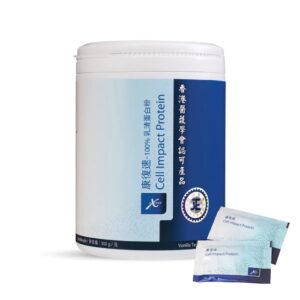
Single 10% off】aXimed – Recovery Speed 100% Whey Protein Powder 30 sachets
Original price was: $558.00.$502.00Current price is: $502.00. Add to basket -
Sale!
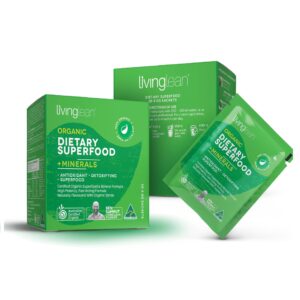
Livinglean – Organic Dietary Mineral Powder 8g x 20 sachets
Original price was: $368.00.$298.00Current price is: $298.00. Add to basket
Related Post:
![母親用滴管把少量植物藻油滴在食物匙上,幼兒坐在餐桌旁]()
A Complete Guide to Plant-Based Algae Oil Omega-3: Odorless, Vegetarian, and Suitable Omega-3 Choices for Pregnant Women and Infants
![牛樟芝子實體與膠囊製品示意]()
What is Antrodia camphorata? A complete guide to its ingredients, research evidence, and precautions for consumption.
![世界心臟日護心飲食場景,香港中年夫婦享用豆漿、豆腐、雞蛋與堅果,旁有心臟及細胞膜卡通示意]()
World Heart Day: Heart Health in Hong Kong Starts with Daily Life | What are the Benefits of Lecithin? Which of Three 1200mg Products to Choose From?
![香港成年人在家閱讀與休息,從日常習慣開始理解腦部健康]()
Fish oil, mini capsules, or B12? Formulas and daily choices for 8 best-selling brain health products.