





























































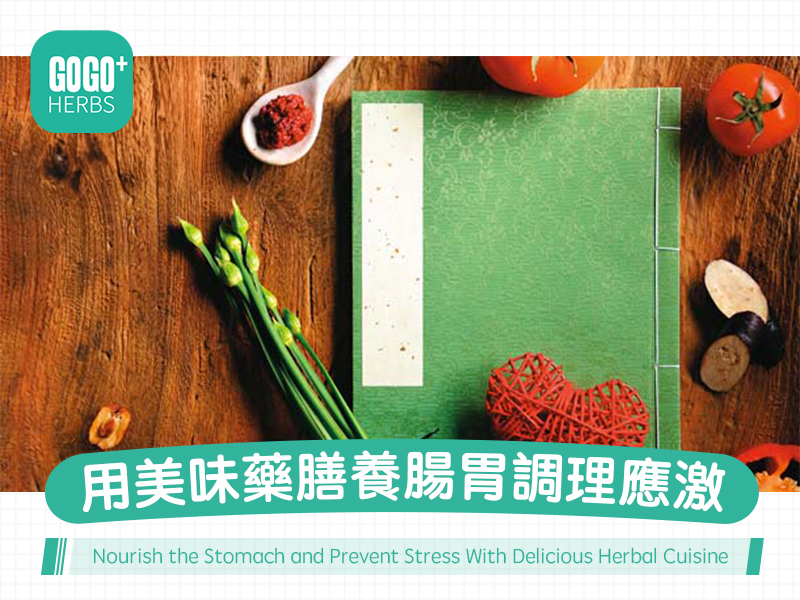
Traditional Chinese medicine categorizes gastrointestinal discomfort under the "spleen and stomach" category, and daily health maintenance can begin with...Relax, eat regular and moderate meals, avoid cold foods, and engage in gentle exercise.as well asPress Zusanli (ST36) and massage the abdomen clockwise.Start with self-care; ginger and Four-Ingredient Soup are also commonly used to strengthen the spleen. It should be emphasized that these belong to...Health care and dietary therapy are not a substitute for Western medical diagnosis and treatment.If you experience persistent abdominal pain, diarrhea, bloody stools, or unexplained weight loss, you should seek medical attention as soon as possible.
Timeliness Reminder: This article is compiled from content published in 2001. The physicians (Lin Chang-Chin, Yang Hsien-Hung) and institutional backgrounds mentioned in the article reflect the situation in Taiwan at that time and are for reference only. For actual constitution diagnosis and treatment, please refer to the current information.Registered Traditional Chinese Medicine Practitioner or Western Medicine PractitionerThe assessment shall prevail.
Table of contents
- How does Traditional Chinese Medicine view the "spleen and stomach"?
- Stress, emotions, and the digestive system (Liver Wood controls Spleen Earth)
- Dietary principles: cold and hot properties, and regular and quantitative portions.
- A list of foods categorized as cold, neutral, and hot (for reference).
- Ginger: A mild and spleen-strengthening everyday condiment
- Gentle exercises and post-meal walks
- Acupressure for health maintenance: Pressing Zusanli (ST36) and massaging the abdomen clockwise.
- Three spleen-strengthening dietary therapies: Four-Ingredient Soup, Lotus Seed Porridge, and Atractylodes Macrocephala and Red Date Tea
- Medical advice and consultation reminders
- Frequently Asked Questions
- Sources and Disclaimers
How does Traditional Chinese Medicine view the "spleen and stomach"?
In Traditional Chinese Medicine (TCM) theory, the "spleen" refers not only to the spleen organ as understood in Western medicine, but also encompasses the digestive functions of the stomach and the entire large and small intestine. TCM considers the spleen to belong to the "earth" element, which should be kept dry; if the spleen and stomach are "excessively damp," the body is prone to imbalance, such as diarrhea or loose stools. This is a set of...Functional Theory of Traditional Chinese MedicineThe two approaches differ from the Western medical view of organ anatomy. They can be used for complementary reference, but they cannot replace each other in diagnosis.
Stress, emotions, and the digestive system (Liver Wood controls Spleen Earth)
Traditional Chinese medicine (TCM) uses the concept of "five elements" (五行) and their mutual generation and restraint to explain the relationships between the internal organs. In the theory of mutual generation, there is a connection between "liver generating heart, and heart generating spleen," meaning the state of the liver and heart also affects the spleen and stomach. The "heart" in TCM refers not only to the physical heart but also includes the regulation of the autonomic nervous system and the brain; high work pressure can easily lead to "excessive heart fire," which in turn affects the spleen and stomach. Furthermore, "the liver governs the free flow of qi," so when a person is emotionally depressed or troubled, "liver qi stagnation" is likely. Excessive liver qi can interfere with other organs—for example, affecting the spleen from the liver, a condition TCM calls "liver wood restraining spleen earth," often cited as an example of irritable bowel syndrome (IBS).
Both traditional Chinese medicine and Western medicine recommend that people who frequently experience gastrointestinal discomfort...Relax and find ways to relieve stressIf your emotions or stress are significantly affecting your life and are accompanied by persistent gastrointestinal symptoms, it is recommended that you consult a doctor or other relevant professional.
Dietary principles: cold and hot properties, and regular and quantitative portions.
Besides the basic principle of "regular meals and measured portions," Traditional Chinese Medicine (TCM) also emphasizes the appropriate balance of the cold and hot properties of food. Lin Chang-chin, an internist at Taipei Municipal Chinese Medicine Hospital (interviewed in 2001), explains that the cold and hot properties of food are not just about temperature, but also include the inherent properties of the food itself. For example, watermelon and seafood are mostly considered cold in nature, and some people with weak digestive systems may experience discomfort if they eat too much. TCM recommends that people with weak digestive systems understand the properties of different foods and avoid excessive consumption of cold or cooling foods; those with damaged spleen and stomach should be even more restrained. The following are some points that TCM considers important to be aware of:
- Raw and cold foods (fruits, juices, beverages) should not be eaten in large quantities;
- Fermented foods such as bread, steamed buns, and Yakult are considered unsuitable for people with existing "phlegm and dampness" according to Traditional Chinese Medicine.
- Fried, grilled, and other foods that are prone to causing "internal heat" should not be eaten in large quantities.
In hot and humid environments like Taiwan, traditional Chinese medicine believes that raw, cold, and hot foods should not be consumed in large quantities; rice, whole grains, and mildly cooked foods are more suitable.
A list of foods categorized as cold, neutral, and hot (for reference).
The following table is for Traditional Chinese Medicine.Food classification is for theoretical reference only and is not a medical diagnosis.Individual physical conditions vary greatly, and the actual diet should be based on one's own tolerance and professional advice.
Cold-natured foods (from a Traditional Chinese Medicine perspective; those with weak digestive systems should be mindful of portion sizes).
Vegetables: Chinese cabbage, water spinach, enoki mushrooms, mustard greens, cauliflower, cucumbers, celery, loofah, lotus root, winter melon, bitter melon, water bamboo shoots, radish, bamboo shoots, shiitake mushrooms, straw mushrooms, abalone mushrooms, turnips, Chinese cabbage, pickled cabbage, pickled mustard greens, pickled mustard greens, pickled mustard greens, kelp, black moss, daylily buds, wood ear fungus, tofu. Fruits: Lemons, pineapples, watermelons, cantaloupes, plums, star fruit, oranges, tangerines, grapes, cherry tomatoes, loquats, mangoes, coconuts, pears, cherries, persimmons, kiwis, passion fruit, tea. Seafood: Shrimp, crab, squid, jellyfish.
Neutral foods
Vegetables: Spinach, bok choy, sweet potato leaves, basil, mushrooms, amaranth, chives, chive blossoms, green peppers, lettuce, cabbage, taro, potatoes, carrots, onions, corn, water chestnuts, beets, eggplant, pumpkin, soybeans, peanuts, edamame, red beans, natto, pea sprouts, green beans, king beans, Job's tears, okra, perilla. Fruits: Apples, bananas, papayas, wax apples, peaches, custard apples, pomegranates, guavas, nectarines. Meats/Seafood: Chicken, beef, goose, yellow croaker, carp, sea bass, sea cucumber, turtle.
Hot foods
Spices: Ginger, scallions, chili peppers, sesame seeds, cinnamon, garlic, shallots, fennel. Fruits: Durian, lychee, longan. Meats/Seafood: Lamb, eel.
Ginger: A mild and spleen-strengthening everyday condiment
Dr. Yang Hsien-hung, Director of the Department of Traditional Chinese Medicine at Chang Gung Memorial Hospital (interviewed in 2001), stated that ginger is a very practical condiment in daily diet, offering gentle benefits to the stomach and intestines. It is also a type of Chinese medicine, known for its spleen-strengthening and dampness-removing properties, with ginger peel having a mild diuretic effect. Ginger can mildly stimulate gastric acid secretion and aid digestion without overly irritating the gastrointestinal tract; this is why some people find relief from discomfort when experiencing tension, nausea, or vomiting by drinking ginger soup. Drinking ginger soup may also be helpful for mild diarrhea, as it can inhibit excessive contraction of intestinal smooth muscle.
However, ginger is considered a warming food.overeatingDry mouth and mild throat discomfort may still occur; adding ginger when stir-frying seafood, besides removing the fishy smell, is also believed in Traditional Chinese Medicine to help mitigate the cold nature of seafood. If diarrhea occurs...Persistent symptoms, accompanied by fever, dehydration, and bloody stools, or occurring in infants, the elderly, or pregnant women.You shouldn't rely solely on ginger soup; you should seek medical attention as soon as possible.
Gentle exercises and post-meal walks
Traditional Chinese medicine texts record ancient exercises such as the "Five Animal Frolics," similar to today's Eight Pieces of Brocade. These gentle exercises can stretch muscles and bones, promote circulation, relax the digestive tract, and reduce abnormal contractions or spasms. Tai Chi and walking are also good choices. Traditional Chinese medicine has a saying, "Walk a hundred steps after a meal, live to ninety-nine"—a short walk after meals, coordinated with the rhythm of intestinal peristalsis, aids digestion and reduces the burden on the stomach and intestines.
Acupressure for health maintenance: Pressing Zusanli (ST36) and massaging the abdomen clockwise.
Pressing Zusanli (ST36)
How to find the acupoint: Use your left hand for your left foot and your right hand for your right foot. Place your palm directly on your knee, with your middle finger pointing towards your shinbone. Let your five fingers press naturally. The point where your ring finger touches is the "Zusanli" acupoint. You will feel a tingling or numb sensation when you press it. Zusanli is an important acupoint on the Stomach Meridian and is also considered a health-promoting acupoint. You can press it whenever you want. Press it 31 times a day (TP1T4 times), about 3 minutes each time. It helps with digestion and regulates the stomach and intestines; it is also suitable for those whose lower limbs are easily fatigued. Acupressure belongs to...For health care purposes only; cannot replace medical treatmentIf the pain worsens or discomfort increases at the point of pressure, stop pressing and consult a professional.
Massage the abdomen clockwise
Massage in a clockwise direction around the navel, as many times as desired, until the abdomen feels warm and comfortable (e.g., rub 81 times). It is recommended to apply the massage directly to the skin, without using clothing.Don't massage for too long right after eating.Wait until it's digested before doing it. You can also massage it while exercising in the morning.
Three Spleen-Strengthening Dietary Therapy
The following dietary therapy is compiled from content published in 2001 and is intended as a daily dietary reference. Those with special physical conditions, pregnant women, patients with chronic diseases, or those currently taking medication should consult a doctor before use.Registered Traditional Chinese Medicine PractitionerBe aware of potential interactions between traditional Chinese medicines.
Four-Ingredient Soup (strengthens the spleen and stomach, aids digestion; traditional Chinese medicine believes it is suitable for most people).
The medicinal herbs in this soup are mild in nature. Those prone to diarrhea can use Si Shen Tang (Four-Ingredient Decoction) as a dietary therapy; those with qi deficiency and fatigue can add Codonopsis pilosula and Astragalus membranaceus; those with spleen and stomach deficiency and coldness can add a little ginger.Traditional Chinese medicine believes that people prone to constipation should not take it.
- Ingredients: 1 pound of pork intestines or pork stomach
- Ingredients: 40g Job's tears, 20g Poria cocos, 20g Euryale ferox, 40g lotus seeds, 20g Dioscorea opposita
- Seasoning: 1 teaspoon salt (about 5 grams)
- Instructions: 1) Soak the fox nuts and lotus seeds for 20 minutes; 2) Cut the pig intestines or pig stomach into sections, add about 1200cc of water, Job's tears, poria cocos, fox nuts, yam, and 240cc of rice wine, and simmer for 1 hour; 3) After cooking until 80% done, add the lotus seeds and cook for another 20 minutes; 4) Season with salt.
Lotus seed porridge (strengthens the spleen and stops diarrhea, benefits the kidneys and astringes essence, nourishes the heart and calms the mind)
- Ingredients: 100g glutinous rice; 50g lotus seeds; 20g rock sugar
- Instructions: 1) Soak tender lotus seeds, remove the bitter core and wash them clean; 2) Cook lotus seeds over low heat until tender and set aside; 3) Cook glutinous rice with about 480 grams of water over low heat into porridge; 4) After the porridge is cooked, add lotus seeds and rock sugar and mix well.
Atractylodes macrocephala and jujube tea (strengthens the spleen and replenishes qi, stimulates appetite and aids digestion)
- Medicinal ingredients: 15 grams of Atractylodes macrocephala, 15 grams of red dates; Seasoning: a little malt
- Instructions: 1) Boil Atractylodes macrocephala and red dates; 2) Add malt and drink as tea.
Medical advice and consultation reminders
Please in the following situationsSeek medical attention as soon as possible (Western medicine or registered Chinese medicine practitioner).Don't rely solely on diet or massage for treatment:
- Abdominal pain, diarrheaContinue without retreator may repeat for several weeks;
- Blood in stool, black stool, anemia, unexplained weight loss;
- Difficulty swallowing, persistent vomiting, severe or dehydrating diarrhea;
- Symptoms appearInfants, children, the elderly, and pregnant womenOr those with a history of chronic illness;
- Long-term reliance on folk remedies may indicate Helicobacter pylori infection or gastrointestinal ulcers, requiring further examination.
To find a qualified traditional Chinese medicine practitioner, you can...Hong Kong Chinese Medicine CouncilReview the registration information.
Frequently Asked Questions
Does the "spleen and stomach" in Traditional Chinese Medicine refer to the stomach and spleen organs?
No. In Traditional Chinese Medicine (TCM), the "spleen" is a functional concept encompassing the operation of the digestive system, including the stomach and intestines, and is not equivalent to the spleen in Western anatomical medicine. The two systems have different perspectives and can be used for complementary reference, but they cannot replace each other in diagnosis.
Why does stress often lead to gastrointestinal discomfort?
Traditional Chinese medicine explains the connection between emotions and the digestive system using theories such as "liver wood controls spleen earth." Modern medicine has also confirmed that the gut-brain axis is affected by stress. Relaxing can help, but if symptoms persist, you should consult a doctor to find the cause.
Do cold foods really cause diarrhea?
Traditional Chinese medicine believes that people with a cold constitution or weak digestive system may experience discomfort after consuming excessive amounts of cold foods. However, food classification is a matter of TCM theory and varies greatly from person to person, so it should not be used as a medical diagnosis. If you frequently experience diarrhea after eating a certain type of food, it is recommended that you pay attention and consult a professional.
What are the benefits of pressing Zusanli (ST36) and massaging the abdomen?
These are for daily health maintenance, to aid digestion, and to relax the gastrointestinal tract. They are not a substitute for treatment; if pain or discomfort worsens during acupressure or massage, stop and consult a professional.
Is Four Gods Soup suitable for everyone?
Traditional Chinese medicine believes that Si Shen Tang (Four-Ingredient Decoction) is mild in nature and suitable for most people, but it is not suitable for those prone to constipation. Pregnant women, patients with chronic diseases, or those who are currently taking medication should consult a registered TCM practitioner before use and be aware of potential interactions.
Sources and Disclaimers
Source of information
- NHS — Irritable bowel syndrome (IBS): Symptoms and when to seek medical attention
- Hong Kong Chinese Medicine Council: Registered Chinese Medicine Practitioners' Inquiry
- Original reference: Content published in 2001, interviews with physicians Lin Chang-Chin (Taipei Municipal Chinese Medicine Hospital) and Yang Hsien-Hung (Director of General Internal Medicine, Chinese Medicine Department, Chang Gung Memorial Hospital).
Disclaimer
This article is a compilation of information on traditional Chinese medicine health care and diet therapy.This does not constitute medical diagnosis, treatment, or prevention advice.Traditional Chinese medicine (TCM) theories and food classifications are traditional viewpoints and not diagnostic criteria in Western medicine. For persistent or unexplained gastrointestinal symptoms, please consult a Western medicine doctor or a registered TCM practitioner. Those currently taking medication, pregnant, or with chronic illnesses should consult a professional before using medicinal diets. This article is compiled from 2001 data; for the latest guidance, please refer to current official and professional advice.
Related Products:
-
Sale!

GINAX – Ginseng Tea Bag / Ginseng White Tea Rose Tea Bag | 1bag
Original price was: $13.00.$10.00Current price is: $10.00. 選擇規格 This product has multiple variants. The options may be chosen on the product page -
Sale!

GINAX – Manuka Honey UMF™ 5+ 30g
Original price was: $30.00.$25.00Current price is: $25.00. Add to basket -
Sale!
Single 10% off】aXimed – Recovery Speed 100% Whey Protein Powder 30 sachets
Original price was: $558.00.$502.00Current price is: $502.00. Add to basket -
Sale!
Livinglean – Organic Dietary Mineral Powder 8g x 20 sachets
Original price was: $368.00.$298.00Current price is: $298.00. Add to basket
Related Post:
![母親用滴管把少量植物藻油滴在食物匙上,幼兒坐在餐桌旁]()
A Complete Guide to Plant-Based Algae Oil Omega-3: Odorless, Vegetarian, and Suitable Omega-3 Choices for Pregnant Women and Infants
![牛樟芝子實體與膠囊製品示意]()
What is Antrodia camphorata? A complete guide to its ingredients, research evidence, and precautions for consumption.
![世界心臟日護心飲食場景,香港中年夫婦享用豆漿、豆腐、雞蛋與堅果,旁有心臟及細胞膜卡通示意]()
World Heart Day: Heart Health in Hong Kong Starts with Daily Life | What are the Benefits of Lecithin? Which of Three 1200mg Products to Choose From?
![香港關節健康洞察報告封面:中年及長者在香港步行]()
How to choose joint health supplements? 8 best-selling formulas and repurchase information help you find the right daily option.