

























































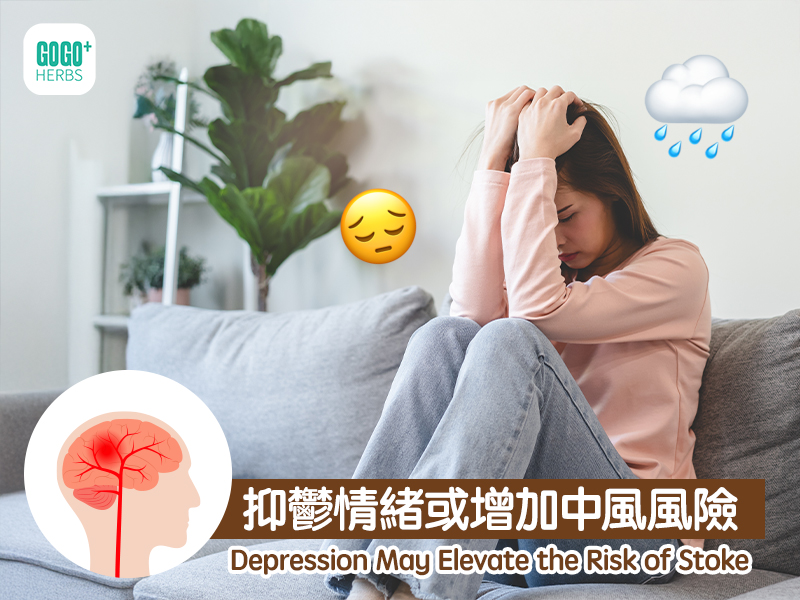
If the human body is in a state of emotional excitement, mental stress orFeeling depressedThese conditions can potentially trigger cardiovascular disease. Cardiologists point out that among related conditions, depression is most closely linked to heart disease. Studies show that depression nearly doubles the risk of stroke; and for patients already diagnosed with heart disease, the risk of a recurrence increases twofold if they are also troubled by emotional problems. Doctors explain that negative emotions not only affect physiological functions but also change lifestyles. Some people smoke and drink excessively to relieve stress, which in turn increases their chances of developing cardiovascular disease.
The impact of emotional problems on cardiovascular health can be divided into direct and indirect aspects. Dr. Xu Jianlin, a board member of the Hong Kong College of Cardiology and a cardiologist, stated that emotional fluctuations can directly affect the function of the blood vessel walls, leading to vasoconstriction, abnormal platelet counts, or fat accumulation, which can then trigger embolisms. On the other hand, prolonged emotional distress can lead to unhealthy lifestyle habits such as smoking, excessive drinking, and overeating. Coupled with reduced physical activity due to lack of motivation, over time, risk factors such as high blood pressure and cholesterol levels become difficult to control, easily inducing cardiovascular disease, and the risk increases with age.
Xu Jianlin mentioned that heart disease can recur, and many patients who have had the disease worry about a recurrence. He gave the example of many patients who seek medical attention for even mild muscle pain or dizziness, fearing a heart attack recurrence, only to be diagnosed later as not having one. He also stated that approximately two-thirds of stroke patients are unable to resume normal life or work due to the impact of their condition, thus leading to...Emotional problemsThis further increases the risk of another stroke or heart attack. Xu Jianlin pointed out that with each stroke, the heart muscle and blood vessels are further damaged, thus increasing the risk of death.
The symptoms of heart disease and emotional disorders can sometimes be extremely similar. Xu Jianlin explains that chest pain is a common symptom of both heart disease and anxiety. Doctors observe the difference in pain experienced during exercise and at rest. Chest pain caused by typical cardiovascular problems typically occurs during exercise when the body's blood demand increases; the pain subsides when exercise is stopped. However, if a patient experiences chest pain regardless of whether they are exercising or at rest, it is more likely caused by emotional issues. Doctors will further investigate the cardiovascular system through tests such as exercise electrocardiograms to determine the cause of the chest pain and provide appropriate treatment.
Regardless of whether they have heart disease, experts urge people to find stress-reduction methods that suit them, such as listening to music or reading. Those who have had a history of heart disease or have been diagnosed can participate in rehabilitation or exercise programs after seeking medical attention to regain their physical fitness. Exercise helps regulate stress hormones and has a positive effect on stress management.Cardiovascular healthIt has positive effects and is beneficial to overall health. In addition, a light diet, strict control of cholesterol intake, and ensuring sufficient sleep are all ways to maintain good health. When encountering controversial issues, it is important to remain calm and avoid arguments to prevent emotional distress and potential harm to cardiovascular health.
Related Products:
-
Sale!
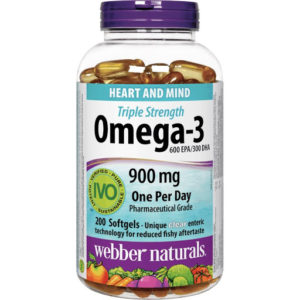
Webber Naturals – Triple Strength Omega-3 (900mg EPA / DHA) 200 capsules Value Pack
Original price was: $398.00.$280.00Current price is: $280.00. Add to basket -
Sale!

Kirkland Signature – Omega-3 Ultra Concentrated Deep Sea Fish Oil Capsules 1300mg 330 Capsules
Original price was: $350.00.$298.00Current price is: $298.00. Add to basket -
Sale!
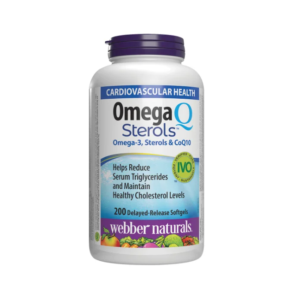
Vebogen – Omega 3 & Coenzyme Q10 & Phytosterols 200 Capsules
Original price was: $290.00.$245.00Current price is: $245.00. Add to basket -
Sale!

Webber Naturals – Omega-3 Mini Fish Oil Capsules 300mg 220 Softgels
Original price was: $198.00.$168.00Current price is: $168.00. Add to basket
Related Post:
![母親用滴管把少量植物藻油滴在食物匙上,幼兒坐在餐桌旁]()
A Complete Guide to Plant-Based Algae Oil Omega-3: Odorless, Vegetarian, and Suitable Omega-3 Choices for Pregnant Women and Infants
![牛樟芝子實體與膠囊製品示意]()
What is Antrodia camphorata? A complete guide to its ingredients, research evidence, and precautions for consumption.
![世界心臟日護心飲食場景,香港中年夫婦享用豆漿、豆腐、雞蛋與堅果,旁有心臟及細胞膜卡通示意]()
World Heart Day: Heart Health in Hong Kong Starts with Daily Life | What are the Benefits of Lecithin? Which of Three 1200mg Products to Choose From?
![香港關節健康洞察報告封面:中年及長者在香港步行]()
How to choose joint health supplements? 8 best-selling formulas and repurchase information help you find the right daily option.