






































































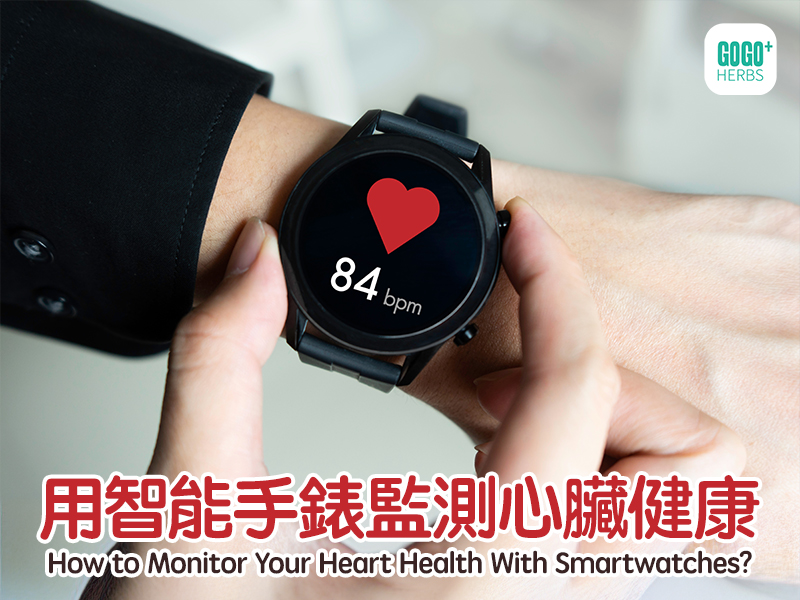
The watch vibrated on my wrist, and the screen displayed "Irregular Heartbeat".
Most people would then open a search engine and type in those four words. Two completely opposite answers would appear: one side would say the watch saved their life, while the other side would say it was a waste of money and wearing it would only scare them.
Both arguments have their merits. The watch can indeed detect anomalies that even the person themselves may not be aware of, as supported by large-scale research; however, what it detects is still a long way from "diagnosis," and this gap cannot be narrowed by algorithms.
The most common thing you hear in a cardiology clinic is, "I only know that my watch says I have an irregular heartbeat." The doctor's next question isn't what the watch says, but rather: "Has anyone seen that line?"
I. Green and Red Light: PPG actually measures blood volume
Turn the watch over and you'll see several glowing lights. Most of the time they're green, occasionally flashing red and seemingly invisible infrared light. They're not doing the same thing.
Heart rate is measured using green light, with a wavelength of approximately 520 to 530 nanometers. This wavelength is strongly absorbed by hemoglobin, penetrating only one to two millimeters deep, stopping precisely at the capillaries on the wrist. When the heart contracts, blood volume increases, absorbing more light and reflecting it back dimmer; the opposite occurs during diastole. The watch records this bright-dark cycle, translating it into the number of heartbeats per minute.
Therefore, it does not measure the electrical signal of "heartbeat", but rather...Periodic changes in blood volumeThis distinction determines the boundaries of capability: if you can't see electricity, you can't see the heart's conduction system.
Blood oxygen saturation is measured using a separate set of lights: red light (approximately 660 nanometers) and infrared light (approximately 940 nanometers). The two types of heme absorb these two wavelengths at different rates; comparing the differences allows for the estimation of blood oxygen levels.Oxygen saturationGreen light cannot achieve this because the two types of heme absorb green light similarly.
The common description is "the reflected light signal that detects blood flow and return flow," which conflates the two. Blood flow is the volume flowing per unit time, which PPG cannot measure; it measures the fluctuation of blood volume in a small area of tissue. The former requires Doppler ultrasound, while the latter only requires a light-emitting diode and a photodetector.
II. Watches have two functions, with completely different capabilities.
Although both are called "heart rate monitoring," the watch actually has two sets of data: one passive and one active, with different levels of evidence and limitations.
| Passive monitoring (PPG) | Single-lead electrocardiogram (ECG) | |
|---|---|---|
| How it works | The system reads the pulse interval in the background and sends a notification if an irregularity is detected. | Press and hold the crown with your finger for 30 seconds to form a closed circuit. |
| What I saw was | Irregular pulse | electrical signal waveform of the heart |
| Can judge | "Worth checking out." | Sinus rhythm, atrial fibrillation, uninterpretable |
| Cannot determine | What type of arrhythmia is it? | Myocardial infarction, conduction block, ventricular arrhythmia, structural heart disease |
A single lead means viewing the heart from only one angle. The 12-lead setup in hospitals uses 10 electrodes to obtain 12 angles; a watch only has one channel from the wrist to the fingers, equivalent to lead I. This is sufficient for the narrow task of "differentiating between atrial fibrillation and sinus rhythm," but insufficient for everything else. This "narrowness" is a design flaw—a narrow target allows it to be used on millions of people without causing numerous misdiagnoses.
One more thing: sometimes the watch displays "Unable to read". That's not normal; it means there was no result for this time. This happens about once every eight records, usually related to hand movement or how tight the watch is. Don't mistake it for "nothing's wrong"—it means you've misread your report.
Third, the FDA document was written very plainly.
Manufacturers' claims are often vague, and regulatory documents are often lacking. In August 2018, the U.S. Food and Drug Administration (FDA) opened a new category of medical devices for this type of function through the De Novo pathway.Photoplethysmography analysis software for over-the-counter useRisk level two. The "Intended Use" section of the document reads as follows:
- Its function is to analyze pulse data and identify...SuspectedThe irregular heart rhythm of atrial fibrillation is detected, and the user is then notified.
- I don't plan toNotification is sent for each irregular seizure;Not receiving a notification does not mean you are not sick.。
- noIt is used to replace traditional diagnostic or treatment methods.
- It was not tested on people under the age of 22.It is also not applicable to people who have been diagnosed with atrial fibrillation.
The document lists several other factors that can affect readings: hand movement, dark tattoos on the wrist, and low temperatures reducing blood flow to the skin. The wording on the electrocardiogram (ECG) function is more direct: "Unable to detect heart attacks."
The professional groups also share the same position.The 2023 guidelines on atrial fibrillation jointly released by the American College of Cardiology, the American Heart Association, and other organizations.Note: Photoplethysmography can remind a person to have an electrocardiogram (ECG), but...Insufficient to establish a diagnosis of atrial fibrillationInitial diagnosis must be made by a medical professional visually interpreting the electrocardiogram. The guidelines also provide a Level 2a recommendation: individuals diagnosed with atrial fibrillation can use consumer-grade devices that provide high-quality recordings to monitor for recurrence.
The professionals aren't saying "watches are useless," but rather putting them back in their proper place:Those who have been diagnosed are used for contact tracing, while those who have not been diagnosed are only used as a notification.
IV. Hong Kong statistics: Approximately 7% are over 65 years old.
This question has local data. The Centre for Health Protection is..."Non-Communicable Diseases in Focus": Atrial Fibrillation SpecialIt is pointed out that Hong Kong approximately 7% Atrial fibrillation is prevalent among elderly people aged 65 and above residing in the community. Local medical circles cite more specific figures: approximately [number missing] people in Hong Kong... 0.77% The population consists of atrial fibrillation patients, aged 80 and above. 10%。
Two other figures from the same topic are worth remembering: the risk of stroke in patients with atrial fibrillation is...Five times more likely than non-patientsThe risk of dying from heart failure is3 timesIn 2014, there were 8,852 hospitalizations and discharges related to atrial fibrillation, of which 74.3% were elderly people aged 65 and above.
The numbers for pre-hospital sudden cardiac deaths are even more alarming. Hospital Authority data shows that Hong Kong has an average of 31 sudden cardiac deaths per 100,000 people, with 40 per 100,000 men; between 2017 and 2020, over 22,000 citizens experienced sudden cardiac arrest in the community.The survival rate is only about 4%.For every minute that emergency care is delayed, the survival rate decreases by 7% to 10%.
Risk increases with age, and Hong Kong is aging. The same watch worn by a 70-year-old and a 30-year-old is not the same thing. Holistic management of cardiovascular risk in the elderly... (The rest of the text appears to be unrelated and possibly machine-generated.)Cardiac care for the elderlyThere is a separate compilation.
5. "Arrhythmia" is not a disease, but a group of conditions.
The term "arrhythmia" encompasses dozens of conditions, with varying degrees of danger and completely different treatment methods.
| name | The location of the problem | Heartbeat characteristics | Main risks |
|---|---|---|---|
| sinus rhythm | normal | 60 to 100 times, rule | None (This is the baseline) |
| Atrial fibrillation (AF) | atrium | Completely irregular, can be fast or slow | Stroke, heart failure |
| Supraventricular tachycardia (SVT) | atrium or atrioventricular node | 150 to 250 times, sudden onset and sudden cessation | Dizziness, shortness of breath, and fainting in a few cases |
| Ventricular tachycardia (VT) | ventricle | Fast and wide waveform | It can cause shock, and in some cases, it can worsen into VF (ventricular fibrillation). |
| Ventricular fibrillation (VF) | ventricle | Loss of coordination is equivalent to no blood pumping. | Cardiac arrest can be fatal. |
This explains why the watch notification only says "irregular heartbeat": PPG detects an irregular pulse, and different causes can produce similar irregularities. To distinguish them, you need to check the electrical signal.
One more thing that's often overlooked:Many people don't have any symptoms at all.The Centre for Health Protection states that some patients are completely asymptomatic, while those with symptoms experience palpitations, lightheadedness, or dizziness. This group cannot be identified simply by "paying attention to any discomfort."
6. Atrial fibrillation: the most silent type of heart disease.
In short, the mechanism of atrial fibrillation is as follows: the electrical activity of the atria becomes rapid and chaotic, the atria lose effective contraction, and blood stagnates in the atria (especially the left atrial appendage), easily forming blood clots. These clots travel with the bloodstream to the brain, causing an ischemic stroke. These strokes often form large blood clots that block major blood vessels, resulting in high mortality and disability rates.
The Centre for Health Protection classifies atrial fibrillation into three categories, and the classification determines the treatment approach:Paroxysmal(No more than seven days, usually stopping automatically within 24 hours)Persistence(If it lasts longer than seven days, it often becomes permanent.)Permanent(Even with intervention, a normal heartbeat cannot be restored). These three are three stages on the same path; within one year, approximately 9% of cases change from paroxysmal to permanent, and approximately 30% change from persistent to permanent.
7. SVT: Sudden start, sudden stop
The typical description of supraventricular tachycardia is "sudden onset and sudden cessation." One second you're watching TV, the next your heart rate spikes to 180; you sit down and take a deep breath, and suddenly it drops back to 80. This "on/off" feeling is what makes it most different from other arrhythmias, and it's also the medical history that patients can most clearly describe.
The rate is typically 150 to 250 beats per minute, with a narrow and regular waveform, lasting from several seconds to several hours. It can occur in young people and those without structural heart disease. The two most common types are atrioventricular nodal reentry (AVNRT) and atrioventricular reentry (AVRT), the latter being associated with a congenital extra conduction pathway.
Most attacks, though uncomfortable, involve stable blood pressure and can terminate spontaneously or be relieved by vagal nerve stimulation (such as forceful exhalation to counteract breath-holding). If accompanied by chest pain, shortness of breath, fainting, or a persistent heartbeat, it is not a situation that can be observed at home.
It's often said that "in severe cases, the heart rate can reach 200 beats per minute." That's the general direction, and the numbers are a bit conservative: 200 is within the range, with an upper limit of 250. This detail is worth clarifying because "200" already sounds alarming, and it's not even the ceiling.
8. VT and VF: Why are they linked to sudden death?
The difference between ventricular arrhythmia and atrial fibrillation lies in whether the ventricles can still pump blood. During an episode of ventricular tachycardia, the ventricles beat very fast, but the filling time is insufficient, resulting in a decrease in the amount of blood pumped with each beat. Mild cases may present with dizziness and palpitations, while severe cases can lead to a collapse in blood pressure and shock, and some cases may further develop into ventricular fibrillation. Ventricular fibrillation, on the other hand, involves a complete loss of coordination of the ventricular muscle, resulting in only irregular twitching, which is equivalent to no blood pumping at all. It is the most common direct cause of cardiac arrest.
According to the Hospital Authority, most sudden deaths among high-risk patients are caused by ventricular fibrillation; the causes in patients under 40 years old are mostly hereditary arrhythmias, congenital cardiomyopathy, and myocarditis, while in middle-aged and elderly patients, 70% to 80% are related to coronary heart disease, heart failure, valvular disease, and arrhythmia.
The Chinese name "ventricular fibrillation (VF)" is not standard. The standard spelling is...ventricular fibrillation或Ventricular fibrillationWhen used alone, "ventricular" usually refers to ventricular tachycardia, but when combined with "cardiac fibrillation," it may cause those familiar with the term to pause.
The corresponding treatment is to implant a cardiac defibrillator (ICD). It continuously monitors the heart rhythm and automatically discharges to "reset" the heartbeat when it detects VT or VF.U.S. National Library of MedicineIt is noted that most ICDs also have pacing functions, are performed under local anesthesia, generally require one day of hospitalization, and take about four to six weeks for full recovery.
9. That therapy isn't called "thermal frequency ablation".
Patients with atrial fibrillation and SVT "may also need to consider thermal ablation"—this name cannot be found in Chinese medical literature.
The correct name iscatheter radiofrequency ablationRadiofrequency catheter ablation, often shortened to "radiofrequency ablation" or "catheter ablation" in Hong Kong, involves inserting a thin catheter into the heart chamber via a vein (sometimes an artery) and using radiofrequency current to create localized thermal damage at the site of abnormal electrical activity, forming a scar and blocking the abnormal conduction pathway. Cryoballoon ablation is another option, with a different principle but the same purpose.
"Radiofrequency ablation" sounds like a new technology, but it is actually just a direct translation of radiofrequency and ablation combined together. It is neither the common term in Hong Kong nor the standard translation in mainland China or Taiwan.
One point is often overlooked: this is not something that can be "done once and for all." Hospital Authority data shows that atrial fibrillation catheter ablation...The success rate per attempt is approximately 60%.Some patients require two or more treatments.
The correct term for "new type of anticoagulant" is:Direct oral anticoagulants(DOAC, formerly known as NOAC), such as dabigatran, rivaroxaban, apixaban, edoxaban. The difference between DOAC and warfarin is that it does not require frequent blood tests for monitoring and has fewer interactions; however, "fewer" interactions do not mean that you can stop taking the medication on your own.
10. Anticoagulants: Not everyone needs to take them.
Whether a patient with atrial fibrillation needs long-term anticoagulants depends on a scoring system, not simply a matter of "eat if you have atrial fibrillation." The internationally accepted system is CHA2DS2-VASc, which scores each of the following: heart failure, hypertension, age 75 or older (2 points), diabetes, history of stroke or transient ischemic attack (2 points), vascular disease, age 65 to 74, and female. The higher the score, the higher the annual risk of stroke.
Recent guidelines have been moving towards lowering the threshold for stroke prevention. The 2023 joint guidelines raised the recommendation for anticoagulation in men with a score of 1 and women with a score of 2 from level 2b to level 2a, which is equivalent to an annual stroke risk of about 1% to 2%. At the same time, it explicitly does not recommend using antiplatelet drugs (such as aspirin) to replace anticoagulants for the prevention of atrial fibrillation stroke—contrary to the common misconception that "taking aspirin ensures safety."
On the other hand, it's important to clarify that anticoagulants increase the risk of bleeding. Whether or not to use them is a balance that doctors strike between the risk of stroke and bleeding, taking into account kidney function, liver function, fall risk, and other medications. This balance cannot be calculated by the patient themselves, much less decided by a watch notification.
11. One point where watches truly outperform hospitals
Having discussed so many limitations, let's also talk about the advantages. Atrial fibrillation is paroxysmal, and when you go to the hospital to schedule a 24-hour Holter monitor test, the most common result is "we just didn't catch it this time"—there just happened to be no episode during those 24 hours. Event recorders can be worn for a few weeks, and implantable circuit recorders can be used for months to years, but they have costs, are invasive, and require scheduling. A watch is worn every day, passively recording every pulse interval, which is why large-scale studies can produce results.
The largest of these was published in the New England Journal of Medicine:Apple Heart StudyThe study recruited 419,297 people over eight months, with a median follow-up of 117 days. Of these, 2,161 (0.52%) received notifications of irregular pulse, 450 returned analyzable ECG patches, and 34% were confirmed to have atrial fibrillation. The positive predictive value was 0.84 if atrial fibrillation was detected simultaneously with notification and subsequent recording.
On the positive side: In real-world usage scenarios involving hundreds of thousands of people, the notification rate is low, meaning there are no false alarms all day long; a significant proportion of those who receive notifications do indeed have problems. This proves the approach is feasible. On the other hand: Participants 52% were between 22 and 39 years old, and only 5.9% were over 65 years old.The strongest evidence comes primarily from the group least likely to develop atrial fibrillation; the elderly who actually need screening have the smallest sample size. The study was funded by Apple, which is something to be aware of when interpreting the data.
The 2024 European Society of Cardiology guidelines went further, providing a Level 2a recommendation for opportunistic screening using wearable or handheld electrocardiogram (ECG) devices for individuals aged 65 and older. This direction supports screening, but the prerequisite remains: that someone must be available to interpret the results after screening.
12. Don't take that blood oxygen number too seriously.
Let's start with the principle. Red and infrared light only have meaning if they penetrate to a sufficient depth, and the wrist, unlike the fingers, has thicker tissue, less blood flow, and is more susceptible to pressure. Measuring blood oxygen requires "stillness," not because the explanation is verbose, but because the signal itself requires it.
Let's look at the evidence again. A study published in *BMC Palliative Care* in 2025...pilot researchA comparison of wrist-worn and chest-wall-mounted devices in hospitalized patients receiving palliative care revealed that the reliability of heart rate data exceeded 99%, but blood oxygen saturation was only... 45.1%。
This number is cited extensively online, but most of them omit one sentence:The sample consisted of only seven people.This was a pilot study that was terminated early due to recruitment difficulties; the subjects were terminally ill hospitalized patients. Data from only seven individuals cannot be generalized to ordinary people who run with a watch.
To be more honest: heart rate is fairly reliable at rest; blood oxygen saturation is much more variable, affected by skin color, tattoos, hand temperature, and how tightly it's worn. It's suitable for watching...trend—Normal reading is 97, but it's been 93 for the past few days—instead of judging "Am I currently experiencing oxygen deficiency?" For the latter, please use a finger-pinch pulse oximeter or go to the emergency room.
13. When should one seek medical attention immediately?
A watch notification is not a medical indicator; your body's signals are. In the following situations, you don't need to wait for the watch to ring again:
- My heart rate suddenly spiked to over 150 beats per minute and didn't come down for more than 15 to 20 minutes.
- Symptoms include chest pain, chest tightness, and cold sweats.
- Fainted, or nearly fainted.
- He was clearly short of breath and couldn't speak a complete sentence.
- The watch has been sending out irregular notifications for several days in a row, even though I haven't noticed it.
- New heart palpitations may occur if the patient has a known history of heart disease, a stroke, or is currently taking anticoagulants.
The last point is the most easily overlooked: asymptomatic atrial fibrillation is undetectable by feeling, but the stroke risk is the same as with symptomatic atrial fibrillation. A watch can help in this regard—it doesn't stop recording just because you "feel nothing wrong." The most serious consequence of atrial fibrillation is stroke.<Develop these 8 good habits to prevent stroke>It's about preventing that half.
Conversely, if the watch sends a notification but the doctor reviews the electrocardiogram and says everything is fine, the doctor's judgment prevails. The algorithm hasn't seen your medical history, medications, or family history; it only sees a pulse curve.
Frequently Asked Questions
My watch detected "irregular heartbeat". Does that mean I have atrial fibrillation?
No, that doesn't mean anything. An irregular pulse can be caused by a variety of reasons, including atrial fibrillation, frequent premature beats, sinus arrhythmia, or even just interference from hand movements. To determine which one it is, you need to look at the electrocardiogram (ECG) waveform and have it interpreted by a doctor. The practical approach is to bring the ECG record (which can usually be exported as a PDF) to your doctor, rather than trying to find a match online yourself.
What's the difference between the electrocardiogram (ECG) function on a smartwatch and one done in a hospital?
The number of angles differs. A hospital uses a 12-lead monitor to examine the heart from 12 angles; a watch uses only one angle, equivalent to lead I. It's sufficient to distinguish between atrial fibrillation and sinus rhythm, but not enough to diagnose myocardial infarction, conduction block, ventricular arrhythmia, or structural heart disease. Approximately one in eight recordings will be "uninterpretable," which doesn't mean it's normal, but simply that there was no result for that particular recording.
If the watch doesn't send any notifications, does that mean everything is fine?
No. Both the manufacturer's and regulatory documents state that this feature will not capture every irregular episode; no notification does not mean there is no illness. Atrial fibrillation can be paroxysmal or completely asymptomatic. People with risk factors (high blood pressure, diabetes, over 65 years of age, history of stroke) should still undergo formal testing as advised by their doctor.
My watch detected a sudden increase in my heart rate, which then returned to normal after a few minutes. Should I see a doctor?
It's worth reviewing, and you should write down the time of the episode, how long it lasted, and what you were doing at the time. This "sudden onset and cessation" is a typical description of supraventricular tachycardia, but it could also just be premature beats or sinus tachycardia caused by anxiety. The difference is: for a true arrhythmia, the doctor needs to obtain an ECG at the time of the episode to make a diagnosis; if you've already returned to normal by the time you arrive at the clinic, that record is the only clue. The PDF exported from the watch is particularly useful in this situation.
My blood oxygen level dropped to 93%, is that a problem?
It depends on the situation and the reliability of the numbers. Blood oxygen saturation readings from watches are affected by skin color, tattoos, hand temperature, and tightness of the wrist, making them far less reliable than heart rate readings. If you don't have shortness of breath, chest pain, or bluish lips, sit down and keep warm before taking your blood oxygen saturation again. If the repeated reading is still low or you experience any discomfort, use a finger oximeter to confirm, or seek medical attention. Deciding whether to go to the emergency room based solely on a single number is not a reliable approach.
Source of information
- Centre for Health Protection's "Non-Communicable Disease Report" August 2016:atrial fibrillation
- Perez MV, Mahaffey KW, Hedlin H, et al. Large-Scale Assessment of a Smartwatch to Identify Atrial Fibrillation. N Engl J Med. 2019;381(20):1909–1917. PMID 31722151
- U.S. Food and Drug Administration:De Novo Classification Application DEN180042 (Irregular Heart Rate Notification Function)August 8, 2018
- Joglar JA, Chung MK, Armbruster AL, et al. 2023 ACC/AHA/ACCP/HRS Guideline for the Diagnosis and Management of Atrial Fibrillation. Circulation. 2024;149(1):e1 – e156. full text
- Helmer P, Glück J, Anastasiadis A, et al. The use of wearable sensor technology to enhance supportive care in hospitalized palliative patients. BMC Palliat Care. 2025;24:154. Full text PDF
- Hospital Authority New Territories West Network Patient Resource Centre:Cardiac Rehabilitation Community Resource Booklet(October to December 2025)
- MedlinePlus (US National Library of Medicine):Implantable cardioverter-defibrillator
- NHS:Atrial fibrillation/SVT
Further Reading
- Cardiac care for the elderly: managing cardiovascular risks and heart-protective habits
- Staying up late and blood pressure: How much will blood pressure rise after staying up all night on Halloween?
- Develop these 8 good habits to prevent stroke
Disclaimer:This article is a compilation of health information and should not replace a doctor's diagnosis or prescription. Smartwatch readings are for reference only and should not be used as a basis for diagnosis; any interpretation of heart rhythm abnormalities must be made by a medical professional after reviewing a formal electrocardiogram. If you experience palpitations, chest pain, shortness of breath, fainting, or have a known history of heart disease, a stroke, or are currently taking anticoagulants, please seek medical attention immediately. If you experience severe chest pain, slurred speech, weakness on one side of your body, or sudden loss of consciousness, please call 999 immediately.
Related Products:
-
Sale!

Webber Naturals – Triple Strength Omega-3 (900mg EPA / DHA) 200 capsules Value Pack
Original price was: $398.00.$298.00Current price is: $298.00. Add to basket -
Sale!

Kirkland Signature – Omega-3 Ultra Concentrated Deep Sea Fish Oil Capsules 1300mg 330 Capsules
Original price was: $350.00.$298.00Current price is: $298.00. Add to basket -
Sale!

Vebogen – Omega 3 & Coenzyme Q10 & Phytosterols 200 Capsules
Original price was: $290.00.$245.00Current price is: $245.00. Add to basket -
Sale!

Webber Naturals – Omega-3 Mini Fish Oil Capsules 300mg 220 Softgels
Original price was: $198.00.$168.00Current price is: $168.00. Add to basket
Related Post:
![網購保健品付款前,先核對這 8 件事]()
Before paying for health supplements online, check these 8 things first.
![葡萄糖胺軟骨素MSM點揀?食極都痛先檢查每日劑量]()
Glucosamine chondroitin MSM selection? Eating causes pain; first check the daily dosage.
![gogoherbs-mens-hair-cover]()
How to Choose Hair Care Supplements for Men? A Comparison of 8 Biotin, Saw Palmetto, and Collagen Products
![晨光下的健康早餐时光]()
From hair-nourishing gummies to collagen powder: Comparison of 8 best-selling beauty and health products and their formulas.