





























































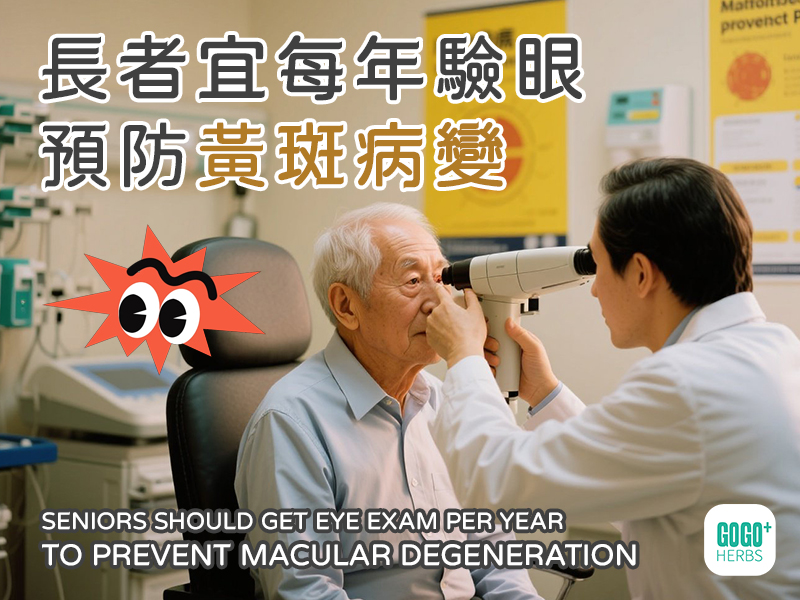
Age-related macular degeneration (AMD) is a common eye disease, ranking alongside glaucoma and cataracts, but public awareness of it is relatively low. This disease commonly affects people aged 65 to 85, with patients aged 75 to 85 accounting for as much as 30%, and those aged 65 to 75 making up about 10%. AMD is divided into dry and wet types. If wet AMD is not treated promptly, vision may deteriorate rapidly within two years; therefore, older adults should be vigilant.
Ophthalmologists point out that many people often overlook this.Age-related macular degenerationThe severity of this disease is significant. Its causes are complex and closely related to genetic factors and dietary habits. Macular degeneration affects central vision, which gradually declines with age. Free radical damage leads to retinal lesions in the macular region, causing blurred central vision and even the appearance of curved lines instead of straight lines. The ratio of dry to wet macular degeneration is approximately nine to one. Currently, there is no cure for dry macular degeneration; treatment focuses primarily on regular monitoring and preventing its progression.
Patients with wet macular degeneration may experience serious complications such as bleeding, scarring, and leakage. The golden period for treating wet macular degeneration is within three months, requiring intraocular injections to suppress the disease, once a month, for at least three injections. If treatment is delayed, vision may deteriorate significantly within two years. Some patients, after their condition worsens, undergo vision tests and find that they could previously clearly see the lower lines of a chart (good vision), but can now only see four or more lines of text.
When age-related macular degeneration progresses to an advanced stage and crusts form, medication injections become ineffective, and assistive devices are necessary to help patients see. Currently, the selection of low-vision glasses on the market is limited. However, some newer types of low-vision glasses are available abroad, allowing doctors to adjust the glasses based on the patient's perception, including brightness and contrast. Patients can also magnify or reduce the size of images themselves. Nevertheless, once vision deteriorates, it cannot be reversed. Therefore, early prevention and eye protection are crucial, and older adults should have regular eye exams every year.
Popular belief holds that blueberries, carrots, and deep-sea fish are beneficial for eye health. Doctors state that salmon is rich in... Omega-3 fatty acidsFruits and vegetables also contain vitamins, which help prevent vision deterioration. As for the wide variety of nutritional supplements available on the market, doctors recommend choosing specific vitamin products if needed, or consulting a doctor first. In addition, regularly consuming leafy green vegetables, drinking plenty of water, avoiding high-fat foods, and quitting smoking can also help reduce the risk of developing age-related macular degeneration.
Related Post:
![母親用滴管把少量植物藻油滴在食物匙上,幼兒坐在餐桌旁]()
A Complete Guide to Plant-Based Algae Oil Omega-3: Odorless, Vegetarian, and Suitable Omega-3 Choices for Pregnant Women and Infants
![牛樟芝子實體與膠囊製品示意]()
What is Antrodia camphorata? A complete guide to its ingredients, research evidence, and precautions for consumption.
![世界心臟日護心飲食場景,香港中年夫婦享用豆漿、豆腐、雞蛋與堅果,旁有心臟及細胞膜卡通示意]()
World Heart Day: Heart Health in Hong Kong Starts with Daily Life | What are the Benefits of Lecithin? Which of Three 1200mg Products to Choose From?
![香港成年人在家閱讀與休息,從日常習慣開始理解腦部健康]()
魚油、迷你膠囊還是B12?腦部健康熱銷8款的配方與日常選擇