






























































What nutrients are found in scallions?
Spring onions are primarily water and are generally low in calories; however, actual calorie counts can vary depending on the variety, edible portion, and quantity. They provide the following nutrients:
- Dietary fiber:It helps increase your daily fiber intake; if you usually don't get enough fiber, you should gradually increase it while drinking enough water.
- Vitamin K:It participates in normal blood clotting and bone-related physiological functions.NIH Vitamin K InformationIt is noted that people taking anticoagulants such as warfarin need to maintain a relatively stable intake of vitamin K.
- Vitamin C and folic acid:While scallions are a common source of micronutrients in vegetable diets, their actual content is insufficient to represent a complete vitamin supplementation plan.
- Carotenoids and other phytochemicals:Allium species contain a variety of plant compounds, and studies often observe their antioxidant or biological activities in cell or animal models; however, this does not mean that eating onions will have the same therapeutic effect on humans.
What health benefits might scallions offer?
1. Helps increase vegetable diversity
Spring onions can be used as an ingredient in noodle soups, steamed fish, scrambled eggs, tofu, or salads, enhancing flavor without adding too many calories. For those who need to reduce excessive sauces, salt, or high-fat seasonings, using spring onions, garlic, ginger, herbs, and spices to enhance flavor may be a dietary approach that is easier to maintain long-term.
2. Provide a small amount of fiber and micronutrients for your daily diet.
Onions are typically consumed in small quantities at a time, so they shouldn't be considered a primary vegetable source. However, incorporating them into your diet along with dark green vegetables, mushrooms, legumes, and fruits can help create a more varied overall nutritional profile. Dietary fiber also needs to be obtained from a variety of foods, not just from onions.
3. Supports normal physiological functions related to vitamin K.
Vitamin K is involved in blood clotting and bone metabolism. This is a statement about "providing nutrients," and does not mean that eating scallions can treat osteoporosis, improve blood clotting problems, or allow you to adjust your anticoagulant medication dosage. If you are taking warfarin, you should discuss the consistency of your dietary vitamin K intake with your doctor or pharmacist, and you should not suddenly increase or completely eliminate scallions.
4. Can be used as a refreshing seasoning ingredient.
The aroma of scallions comes from plant components such as sulfur compounds, but "fragrant" does not mean "antibacterial." It can be part of a healthy diet, but it cannot replace handwashing, cooking food thoroughly, vaccination, or a doctor's prescription.
Four health benefits of scallions that shouldn't be exaggerated
| Common sayings | A more accurate understanding |
|---|---|
| Eating scallions can prevent colds and flu. | While scallions contain nutrients and plant compounds, there is no sufficient reason to portray eating scallions daily as a guarantee of infection prevention. |
| Onion juice can kill bacteria or treat infections. | The results of high-concentration extracts from the laboratory cannot be directly applied to daily consumption, much less replace antibiotics or medical treatment. |
| Spring onions can prevent cancer | Observational studies, cell studies, and the actual disease risk after eating onions in humans are not the same thing; promises to prevent cancer should not be made at present. |
| Eating scallions can prevent vision loss or blindness. | Vitamin A is important for normal vision, but onions are not a food for treating eye diseases; changes in vision should be evaluated by an ophthalmologist.NIH Vitamin A InformationIt should also be noted that the function of nutrients does not mean that high-dose supplements can prevent all eye diseases on their own. |
What's the most practical way to eat scallions?
- As a side dish rather than the only vegetable:Pair it with dark green vegetables, mushrooms, beans, fish, eggs, or tofu to make a more complete meal.
- Pay attention to cleanliness when eating raw food:Wash the food before and after cutting it, and avoid sharing knives and cutting boards with raw meat and seafood; people with weak immune systems can choose to cook it thoroughly.
- There's no need to pursue large quantities:There is no evidence that eating more can prevent disease; people who are prone to bloating or are allergic to onions and garlic can adjust the amount according to their body's reaction.
- Choose fresh ingredients:Do not eat scallions if the green parts are severely yellowed, slimy, moldy, oozing water, or have a sour smell. Refrigeration cannot restore spoiled food to safety.
Who should pay attention?
- Taking anticoagulants such as warfarin:The key is to maintain a stable intake of vitamin K, rather than stopping eating all vegetables containing vitamin K on your own; if in doubt, consult a doctor or pharmacist first.
- Those prone to gastrointestinal discomfort or sensitive to FODMAP:Different parts and amounts of scallions may cause bloating or abdominal discomfort; adjust according to individual tolerance.
- Allergic to onions and garlic:If you experience swelling of the lips, hives, wheezing, or difficulty swallowing after consuming the product, stop eating it immediately and seek medical attention.
- If you have eye problems, bone issues, or symptoms of infection:Do not substitute eating onions for examinations, prescription drugs, or medical treatment.
Frequently Asked Questions
What's the difference between spring onions and green onions?
Everyday market names may vary depending on the region, variety, and stage of growth; "spring onion," "green onion," and "scallion" do not necessarily represent the exact same part of the plant. When reading nutritional information, pay attention to the variety and edible part listed.
Can I eat scallions every day?
For most people, using a small amount of scallions as a daily ingredient in dishes is generally fine, but there's no need to consume large quantities in pursuit of so-called health benefits. The key is still dietary diversity, moderate portions, and individual tolerance.
Can scallions prevent colds?
Spring onions should not be used as a way to prevent colds or the flu. They can provide some nutrition, but prevention of infection should focus on hand hygiene, ventilation, sufficient sleep, appropriate vaccinations, and seeking medical attention as needed.
Can I eat scallions while taking medication to reduce blood sugar?
Do not decide to completely abstain from scallions or significantly increase your intake based on online articles. People taking medications such as warfarin should inform their doctor or pharmacist about their daily dietary habits and maintain a stable intake.
References
- NIH Office of Dietary Supplements: Vitamin K
- NIH Office of Dietary Supplements: Vitamin A and Carotenoids
- NIH Office of Dietary Supplements: Dietary Supplements for Immune Function
- NIDDK: Digestive system and nutrient absorption
This article provides general nutrition information and does not replace the personal advice of a doctor, pharmacist, or registered dietitian. Product information, food ingredients, and health studies may be updated; please consult your healthcare professional and for the most up-to-date information.
Related Products:
-
Sale!

GINAX – Ginseng Tea Bag / Ginseng White Tea Rose Tea Bag | 1bag
Original price was: $13.00.$10.00Current price is: $10.00. 選擇規格 This product has multiple variants. The options may be chosen on the product page -
Sale!

GINAX – Manuka Honey UMF™ 5+ 30g
Original price was: $30.00.$25.00Current price is: $25.00. Add to basket -
Sale!
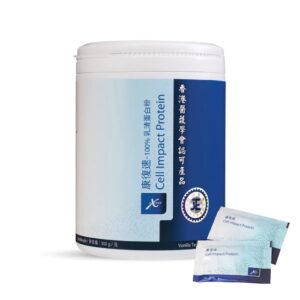
Single 10% off】aXimed – Recovery Speed 100% Whey Protein Powder 30 sachets
Original price was: $558.00.$502.00Current price is: $502.00. Add to basket -
Sale!
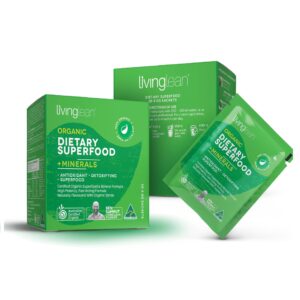
Livinglean – Organic Dietary Mineral Powder 8g x 20 sachets
Original price was: $368.00.$298.00Current price is: $298.00. Add to basket
Related Post:
![母親用滴管把少量植物藻油滴在食物匙上,幼兒坐在餐桌旁]()
A Complete Guide to Plant-Based Algae Oil Omega-3: Odorless, Vegetarian, and Suitable Omega-3 Choices for Pregnant Women and Infants
![牛樟芝子實體與膠囊製品示意]()
What is Antrodia camphorata? A complete guide to its ingredients, research evidence, and precautions for consumption.
![世界心臟日護心飲食場景,香港中年夫婦享用豆漿、豆腐、雞蛋與堅果,旁有心臟及細胞膜卡通示意]()
World Heart Day: Heart Health in Hong Kong Starts with Daily Life | What are the Benefits of Lecithin? Which of Three 1200mg Products to Choose From?
![香港關節健康洞察報告封面:中年及長者在香港步行]()
How to choose joint health supplements? 8 best-selling formulas and repurchase information help you find the right daily option.