































































Many people, upon discovering high cholesterol, immediately remove eggs from their diet. However, focusing solely on eggs often leads to a misconception. This article will explain the actual cholesterol levels in eggs according to current research, and the three main food groups that significantly impact blood lipids.Saturated fats, trans fats, sugary drinks, and refined starches(and evidence and correct ways to eat natural ingredients such as avocado and guava).
First, state the conclusion.
① The body's cholesterol is mainly produced by the liver, only...About 30%From animal-based foods;About two-thirds of the peopleIt has a very small response to dietary cholesterol.
② Compared to eggs,Saturated fats, trans fats, as well as sugary drinks and refined starchesIts impact on blood lipids deserves more attention.
③ For those with a history of dyslipidemia, diabetes, or cardiovascular disease, dietary adjustments must be made in accordance with the overall plan of the doctor and medication.Do not stop or reduce medication on your own.。
I. Where does cholesterol come from? Let's first clarify the basic facts.
Cholesterol is often considered "bad stuff," but it's actually produced by the body.Vitamin D, bile, and some hormonesCholesterol is a raw material for cells and one of the main components of cell membranes. Health information from the Hong Kong Centre for Health Protection indicates that cholesterol is extremely important to the human body, and only when it exceeds a certain level does it harm health.
The liver is the primary organ for liver production, with food making up only about 30% of the diet.
The same document states:Our cholesterol is mainly produced by the liver, with only about 30% coming from animal-based foods.Examples include meat, fish, seafood, and dairy products. The body also has a regulatory mechanism—when we eat large amounts of high-cholesterol foods, the liver naturally reduces its production; conversely, it increases production to meet the body's needs.
Why the claim that "eating eggs equals increased bad cholesterol" is untenable.
Because of this regulatory mechanism, the cholesterol content of a single food does not directly equate to blood cholesterol levels. However, it's important to note:Some people's regulatory function in this area fails.If this happens, blood lipids may rise and may accumulate on the inner walls of blood vessels. Therefore, the diet should still follow the principle of "balanced, diverse, more vegetables and less meat, low oil, salt and sugar and high fiber", rather than letting eggs "not be the culprit" and allowing for unrestrained eating.
II. Eggs and Cholesterol: What Current Research Says
How much cholesterol do eggs actually contain?
Egg yolks are indeed one of the most concentrated natural sources of dietary cholesterol. According to...USDA FoodData CentralEvery 100 grams of raw whole egg contains approximately [amount missing] cholesterol. 372 mgConverted to daily serving size: One large egg (approximately 50 grams of edible portion) weighs approximately... 186 mgA medium-sized egg (approximately 44 grams of edible portion) weighs approximately... 164 mg。
An easily confused concept
What's inside the egg?Dietary cholesterol itselfIt's not "high-density lipoprotein cholesterol (HDL-C)" or "low-density lipoprotein cholesterol (LDL-C)." "Good cholesterol" and "bad cholesterol" are actually...Lipoprotein carriers that transport cholesterol in the bloodEggs do not contain HDL-C or LDL-C. To say that the cholesterol in eggs is "mostly HDL-C" is to confuse two different things.
Similarly, in the egg yolklecithin (phospholipid found in egg yolk)It is an emulsifier in food, which makes oil and water mix more evenly during food preparation, but it...LDL-C will not "dissolve" in the blood.。
Large-scale generational study: Results of 20 years of tracking
One frequently cited study is Djoussé and Gaziano published their findings in the American Journal of Clinical Nutrition (2008).The physician health study. The study tracked approximately [number missing] physicians. 21,000 male doctors, for 20 yearsThe results showed that in healthy men,Eating no more than one egg per day was not significantly associated with an increased risk of cardiovascular disease or death.。
However, the trend isn't one-sided. An analysis published in *Diabetes Care* by the same team in 2009 observed...Eat 7 or more eggs per weekIt was associated with an increased risk of type 2 diabetes in men (this is an observational association and cannot be used to directly infer causality). This reminds us that:"Appropriate amount" is the key word.It's not "it's okay to eat more".
What did the 2015 U.S. Dietary Guidelines remove and retain?
Another common misconception lies in the US Dietary Guidelines' description of cholesterol. The 2015 guidelines...2015–2020 Dietary Guidelines for AmericansThe cancelled one isThe hard upper limit of 300 mg per dayHowever, the same guide still states that...Individuals should consume as little dietary cholesterol as possible.In other words, what is being removed is the "hard indicator," not that it "no longer needs attention."
The American Heart Association and the American College of Cardiology hold a more conservative stance: they believe...The existing evidence is insufficient to determineCan simply lowering dietary cholesterol effectively reduce LDL-C? In summary, the current consensus is not that "eggs are harmless and can be eaten freely," but rather that "there's no need to deliberately give up eggs for cholesterol, but the overall dietary structure is more important."
Why do some people experience a rise in blood lipids after eating eggs, while others have no effect at all?
This is the most memorable point.A comprehensive review of Blesso and Fernandez in Nutrients in 2018It is noted that strictly controlled clinical studies have shown the effect of dietary cholesterol intake through eggs on blood lipids.It varies greatly from person to person.;About two-thirds of the people reacted very little.In contrast, in other individuals with significant reactions, both LDL and HDL cholesterol levels typically rise simultaneously.The LDL/HDL ratio tends to remain constant.。
In other words, for most people, consuming whole eggs in moderation can be included in a balanced diet. However, for individuals with pre-existing conditions such as dyslipidemia, diabetes, or familial high cholesterol, the optimal amount of eggs and their combination with other foods should be determined by a doctor or registered dietitian based on their individual circumstances. For more information on the complete nutritional value of eggs and the recommended daily serving size, please refer to the following reading:Nutritional value of eggs and cholesterol myths: How many eggs can you eat a day?To understand the nutritional distribution of egg white and yolk, please see <Nutritional comparison between egg white and egg yolk: What will you miss if you only eat one?〉。
III. Three types of food that truly affect blood lipids
If eggs aren't the main problem, then what is? According to the Centre for Health Protection,Consuming too much saturated and trans fats can lead to an increase in bad cholesterol in the blood.This increases the risk of developing cardiovascular disease.
| category | Common sources | Why it is worth noting |
|---|---|---|
| Saturated fat | Butter, poultry with skin, whole milk products, ribs, pork neck, pork belly, beef ribs; palm oil, coconut oil | World Health Organization RecommendationsIt should not exceed 101 TP4T of the daily calorie requirement.Excessive amounts can raise the level of bad cholesterol in the blood. |
| Trans fats | Foods made with hydrogenated vegetable oils: margarine, shortening, biscuits, chips, cookies, French fries, cakes, salad dressings, pies, and non-dairy creamer. | WHO RecommendationsLess than 1% of daily calorie requirementBesides raising bad cholesterol, it also lowers good cholesterol, making it one of the types of fats that should be reduced the most. |
| Sugary drinks and refined starch | Hand-shaken drinks, soft drinks, fruit juices, white bread, white porridge, pastries, and fried foods. | It easily leads to excess calories and obesity; studies also showIncreased fruit intake is associated with lower triglyceride levels.Whole grains, on the other hand, are associated with lower LDL and total cholesterol. |
It's worth noting that many people believe "cutting out eggs" is equivalent to heart health, but a white bread with a sugary drink for breakfast actually comes closer to the core issue of "refined eating" than an egg. (This is according to the World Health Organization.)Healthy eating adviceIt means that total fat should not exceed 301 TP4T of total energy, saturated fat should not exceed 101 TP4T, trans fat should be less than 11 TP4T, and unsaturated fat should replace saturated fat.
IV. Bread and Artificial Coloring: What Claims Are Based on Evidence?
It's often said online that "commercially available noodles contain flavorings and colorings, which increase the burden on the liver and kidneys and interfere with cholesterol metabolism." This statement misses the point:There is no reliable evidence to support the claims that it "increases the burden on the liver and kidneys" or "interferes with cholesterol metabolism."What's truly noteworthy about bread is that it is often...Refined starch, added sugar, saturated fats (butter, cream, vegetable shortening), and trans fatsThe combination of these factors is what is most relevant to blood lipids.
As for artificial colorings,There are indeed citationable human studies.。McCann et al. published in The Lancet in 2007A randomized, double-blind, placebo-controlled trial involving community children aged 3 and 8/9 years who drank beverages containing a mixture of artificial colors (and the preservative sodium benzoate) showed an increase in hyperactivity scores.
To be fair, this type of researchThe effect was not significant.And mainly concentrated inSpecific pigment combinations, specific dosages, and some more sensitive children.It's not true that "everything a child eats will cause behavioral problems." A more reasonable approach is to reduce processed and colored foods in children's snacks and drinks overall, focusing on natural foods rather than blaming a single coloring agent. For information on food additive regulations and food safety, please refer to [link to relevant resources].Hong Kong Centre for Food SafetyInformation.
5. Avocado: A natural food with relatively clear empirical evidence.
What do the two integrated analyses say?
Among natural foods, avocados have been studied relatively more extensively for their blood lipid content.A meta-analysis by Peou et al. published in the Journal of Clinical Lipidology in 2016Ten studies (229 participants in total) were included, and it was found that an avocado diet can significantly reduce:
- Total cholesterolThe average reduction was approximately 18.8 mg/dL.
- LDL-C (bad cholesterol)The average reduction was approximately 16.5 mg/dL.
- TriglyceridesThe average reduction was approximately 27.2 mg/dL.
- HDL-C (good cholesterol): No significant change
Newer A systematic review and meta-analysis published by James-Martin et al. in the Journal of the Academy of Nutrition and Dietetics in 2024.(Nine randomized controlled trials involving 503 participants, plus one prospective observational study with over 55,000 participants) showed that, overall, the avocado group...Total cholesterol decreased slightly by approximately 5.08 mg/dL.No overall differences were observed between LDL-C, HDL-C, and triglycerides.
Interestingly, itsSubgroup analysis:People with naturally high cholesterolLDL-C decreased by an average of approximately 9.4 mg/dLTotal cholesterol decreased by approximately 7.54 mg/dL;No difference was observed in people with normal cholesterol levels.The same analysis also pointed out that avocado intakeIt will not have a negative impact on weight or body composition.。
The key is "replacement," not "addition."
Both integrated analyses point to the same practical focus: the benefits of avocados come from...Use it to replace saturated fat in your food.(For example, replacing butter and salad dressing with avocado), andIt's not about eating an extra portion in addition to the three meals.Peou et al. concluded that "replacing dietary fat with avocado" should be the primary recommended strategy.
Additionally, it should be noted that the above research...The sample size is relatively small, and the differences (heterogeneity) between studies are relatively high.The 2024 analysis also rated the overall certainty of the evidence as low.Low to extremely lowThis means that avocados can be a worthwhile addition to a heart-healthy diet, but they should not be considered the sole method for "lowering blood lipids by eating them".
Nutritional value of avocados and how to eat them
according to USDA100 grams of raw avocado contains approximately 160 kcal and 14.66 grams of fat (of which...Approximately 9.8 grams of monounsaturated fats.(Approximately 2.13 grams of saturated fat)Dietary fiber 6.7 gramsIt contains 485 mg of potassium, 81 mcg of folic acid, 2.07 mg of vitamin E, and approximately 271 mcg of lutein and zeaxanthin. Its sugar content is very low (approximately 0.66 g/100 g), but...High heat densityThe serving size should be moderate: it is generally recommended to serve about a quarter to half a serving each time, as a side dish for salads, sandwiches or breakfast, replacing some of the butter or spread.
VI. Guava: The Role of Dietary Fiber
The mechanism by which dietary fiber lowers cholesterol
The benefits of guava compared to other fruits come largely from...Dietary fiberThe Hong Kong Centre for Health Protection's special report, "Non-Communicable Disease Coverage," points out:Dietary fiber can bind to cholesterol particles in the small intestine, preventing them from entering the bloodstream and allowing them to be excreted in feces.This helps lower blood cholesterol. Another report from the Centre for Health Protection also mentions that dietary fiber helps lower total cholesterol and LDL cholesterol.
A common misconception needs clarification: the role of dietary fiberIt's not about "increasing the number of LDL receptors".Instead, it lowers cholesterol levels in the blood by binding cholesterol and bile acids in the intestines and reducing their reabsorption, thus requiring the liver to use more cholesterol to produce new bile acids.
Human research results
A randomized controlled trial published by Kumari et al. in the Journal of Clinical and Diagnostic Research in 2016The 45 healthy adult participants were divided into three groups and supplemented with...400 grams of guava with peel、400 grams of peeled guavaA control group and a study were conducted over a period of 6 weeks. Results showed:
- Peeled Guava SetTotal cholesterol, triglycerides and LDL-C Significant declineHDL-C rise
- Guava with peel: Blood sugar, total cholesterol, and triglycerides actually increased.
- Both groups showed a decrease in body mass index and blood pressure.
The researchers concluded that:Peeled guava pulpIt performs well in regulating blood lipids. Note that this is...A single study, with a sample size of only 45 people, lasting only 6 weeks.While it's not necessary to treat the peel as an absolute must-remove rule, it can serve as a positive reference point for the idea that "guava is a fruit worth including in your daily diet."
Why should we take a conservative view of the claim about "guava seeds"?
It's commonly said that "guava seed fiber can increase LDL receptors and promote bile salt production," and some even claim that guava seeds can "prevent cardiovascular disease." Both of these claims need to be corrected.The study focuses on the dietary fiber content of the entire fruit pulp.It's the fruit, not just the seeds; and the claim of "preventing cardiovascular disease" is a disease prevention claim, which goes beyond what a single food study can support. A more accurate statement is: Guava is rich in dietary fiber.Fruits can be included as part of a heart-healthy diet.。
Nutritional value of guava
according to USDAEach 100 grams of raw guava contains approximately 68 kcal.Dietary fiber 5.4 gramsSugar 8.92 grams, potassium 417 milligrams, folic acid 49 micrograms,Vitamin C content as high as 228.3 mg—This is a fairly high level among common fruits. Following the Hong Kong Department of Health's "two plus three daily" recommendation,Half a bowl of fruit pieces equals one serving of fruitThis can be included in your daily two servings of fruit. For people with diabetes or those restricting potassium intake, the serving size should be adjusted by a doctor or nutritionist based on individual circumstances.
VII. How to do it on a daily basis: Focus back on the overall diet
- No need to give up eggs for cholesterolFor most people, a moderate amount of whole eggs can be included in a balanced diet; the key is "moderate" and overall combination.
- Reduce saturated and trans fats first.Use less margarine, shortening, and cream for spreads; replace some animal fats with vegetable oils, avocado, or nut butter.
- Sugary drinks are a priority item.Replace bubble tea and soft drinks with water or unsweetened tea.
- Staple foods shift to whole grainsReplace some white bread and white porridge with oatmeal, brown rice, and whole wheat bread. Studies show that whole grains are associated with lower LDL and total cholesterol.
- Two servings of fruit dailyEat avocados, guavas, apples, pears, etc. in rotation, and use them as...Whole fruitReplace fruit juice.
- Regular activities and smoking cessationAerobic exercise helps lower LDL and triglycerides and increase HDL; smoking affects how the body processes cholesterol.
- Moderate alcohol consumptionExcessive alcohol consumption can raise triglyceride levels.
The above is a general dietary guideline. Dosage and restrictions for individual diseases still need to be assessed by a doctor or registered dietitian.
VIII. Blood Lipid Testing and the Boundary Between Seeking Medical Treatment
High cholesterolUsually, there are no obvious symptoms.Therefore, it's impossible to judge based on feelings alone. The American Heart Association recommends that adults begin [medical care] at age 20.Every 4 to 6 yearsCheck your blood lipids regularly; the Hong Kong Department of Health also encourages the public to have their blood cholesterol checked regularly and maintain a healthy lifestyle.
Situations where a doctor's appointment should be scheduled as soon as possible:
- Known to have a history of high cholesterol, diabetes, or cardiovascular disease, andThe medication or dosage needs to be adjusted.Do not stop, reduce, or increase medication on your own.
- There are in the familyPremature cardiovascular disease(e.g., myocardial infarction before age 55) or familial high cholesterol
- Simultaneously, indicators of metabolic syndrome include central obesity, hypertension, or hyperglycemia.
- Muscle soreness, weakness, or unusual fatigue may occur while taking lipid-lowering medication.
Situations requiring immediate assistance:Sudden chest pain or discomfort, difficulty breathing, cold sweats, pain radiating to the arm or jaw, sudden slurred speech, or weakness on one side of the body—these are warning signs of an acute cardiovascular event. Call [medical service name] immediately. 999。
IX. Frequently Asked Questions
Will eating one egg a day raise cholesterol levels?
對About two-thirds of the peopleIn general, dietary cholesterol has a minimal impact on blood lipids. A 20-year study tracking approximately 21,000 male physicians showed no significant association between consuming up to one egg per day and an increased risk of cardiovascular disease or death. However, if you already have dyslipidemia, diabetes, or a family history of high cholesterol, it is recommended to consult your doctor or nutritionist regarding portion sizes.
Is the cholesterol in egg yolks "good cholesterol"?
No. What's inside the egg is...Dietary cholesterol itself"Good cholesterol (HDL-C)" and "bad cholesterol (LDL-C)" are...Lipoproteins in the blood that are responsible for transporting cholesterolThese are different concepts. Eggs contain neither HDL-C nor LDL-C; it is a common misconception to say that the cholesterol in egg yolks is "mostly HDL-C".
How much cholesterol is in eggs?
According to USDA data, 100 grams of raw whole eggs contain approximately 372 milligrams of cholesterol. Converted to a daily serving size: one large egg (approximately 50 grams of edible portion) contains about 186 milligrams, and one medium egg (approximately 44 grams of edible portion) contains about 164 milligrams. The claim that "one egg contains approximately 250 milligrams" is too high.
Will my cholesterol level drop if I don't eat eggs?
Not necessarily. The cholesterol in the body...It is mainly produced by the liver, with only about 30% coming from animal foods.Compared to reducing eggs,Reduce saturated fats, trans fats, sugary drinks, and refined starches.The effects on blood lipids are usually more direct. Simply cutting out eggs without adjusting the overall diet will have limited benefits.
Are trans fats more worrying than saturated fats?
Both should be reduced, but the recommended upper limit for trans fats is stricter. The World Health Organization recommends that saturated fats should not exceed a certain percentage of daily calorie needs. 10%Trans fats should be less than 1%Trans fats not only raise bad cholesterol but also lower good cholesterol. They are commonly found in cookies, shortbread, and non-dairy creamer made with hydrogenated vegetable oils.
Does eating bread affect cholesterol?
The key point isn't the "bread" itself, but its composition. Commercially available bread often contains refined starch, added sugar, and fats such as butter, cream, and vegetable shortening. If it's pastry or contains hydrogenated vegetable oil, it may also contain trans fats. As for the claim that "bread additives increase the burden on the liver and kidneys and interfere with cholesterol metabolism," there is no reliable evidence to support this. A more practical approach is to choose whole wheat bread, low in oil and sugar, and pair it with protein and fruits and vegetables.
Is it true that avocados lower cholesterol? How many should you eat?
There is supporting evidence from a meta-analysis. A 2016 analysis including 10 studies showed that an avocado diet can lower total cholesterol, LDL-C, and triglycerides; a 2024 analysis found that...People with naturally high cholesterol LDL-C decreased by an average of approximately 9.4 mg/dL, while no significant difference was observed in individuals with normal cholesterol levels. The key point is...Replace saturated fat in your diet with avocadoInstead of eating more, it's recommended to eat about a quarter to half a avocado at a time, as avocados are high in calories.
Should guava be eaten with or without the peel?
A randomized controlled trial involving 45 participants over a six-week period showed that...Peeled Guava SetTotal cholesterol, triglycerides, and LDL-C decreased significantly. This is a single, small study and is not sufficient to establish a general rule that "the peel must be removed." It is generally acceptable to wash and eat guava with the peel on to obtain more fiber, but those with diabetes or sensitive stomachs should adjust according to their individual circumstances. Whether with or without the peel, guava is a fruit rich in dietary fiber and vitamin C.
If I test positive for high cholesterol, can I adjust it through diet first without taking medication?
For those with slightly elevated levels, doctors usually recommend adjusting diet and lifestyle habits first. However, if levels are already high, or if there is a history of diabetes or cardiovascular disease, medication is often an important part of the overall treatment plan. Any decision regarding medication should be made after evaluation by a doctor.Do not stop, reduce, or increase your medication on your own.。
Are commercially available plant sterol supplements effective?
Phytosterols have internationally recognized health claims, and their mechanism of action is...It competes with cholesterol for absorption in the intestines.Therefore, it is generally recommendedTake with mealsIt is part of a dietary supplement and cannot replace medication; if you are taking lipid-lowering drugs or have other chronic diseases, you should consult a doctor or pharmacist before using it.
10. Sources of Information
- Hong Kong Centre for Health Protection:Understanding Cholesterol
- Hong Kong Centre for Health Protection: "Non-Communicable Disease Coverage"Blood cholesterol management topic
- Hong Kong Department of Health:Embrace a new direction for health: Healthy eating
- World Health Organization:Healthy diet (Overview of healthy eating)
- U.S. Department of Agriculture:FoodData Central(Nutritional data for whole eggs, avocado, and guava)
- Djoussé L, Gaziano JM. Egg consumption in relation to cardiovascular disease and mortality: the Physicians' Health Study. Am J Clin Nutr 2008;87(4):964–969. PMID 18400720
- Blesso CN, Fernandez ML. Dietary Cholesterol, Serum Lipids, and Heart Disease: Are Eggs Working for or Against You? Nutrients 2018;10(4):426. PMID 29596318
- Peou S, Milliard-Hasting B, Shah SA. Impact of avocado-enriched diets on plasma lipoproteins: A meta-analysis. J Clin Lipidol 2016;10(1):161–171. PMID 26892133
- James-Martin G, et al. Avocado Consumption and Cardiometabolic Health: A Systematic Review and Meta-Analysis. J Acad Nutr Diet 2024;124(2):233–248.e4. PMID 36565850
- Kumari S, Rakavi R, Mangaraj M. Effect of Guava in Blood Glucose and Lipid Profile in Healthy Human Subjects: A Randomized Controlled Study. J Clin Diagn Res 2016;10(9):BC04–BC07. PMID 27790420
- McCann D, et al. Food additives and hyperactive behavior in 3-year-old and 8/9-year-old children in the community: a randomized, double-blinded, placebo-controlled trial. Lancet 2007;370(9598):1560–1567. PMID 17825405
- American Heart Association:NHS (High Cholesterol)(Comparison of principles for blood lipid testing and treatment)
- Further Reading:Nutritional value of eggs and cholesterol myths〉、〈Nutritional comparison between egg white and egg yolk〉、〈Recognizing and managing bad cholesterol levels〉、〈Onions and blood lipids〉、〈Waist circumference and metabolic syndrome〉、〈Cardiovascular problem prevention〉、〈Sugar and fructose metabolism in fruits〉
Health Declaration:This article is for health and nutrition information sharing and does not constitute any diagnostic or medical advice, nor can it replace the professional judgment of a doctor or registered dietitian. Everyone's blood lipid levels, medical history, and medication use are different; the content and amount of dietary adjustments should be determined on an individual basis. If you have been diagnosed with high cholesterol, diabetes, or cardiovascular disease, or are currently taking related medications, please follow the instructions of your healthcare provider and do not stop, reduce, or increase your medication on your own. If you experience acute symptoms such as chest pain or difficulty breathing, please call 999 immediately for help.
Related Products:
-
Sale!

GINAX – Ginseng Tea Bag / Ginseng White Tea Rose Tea Bag | 1bag
Original price was: $13.00.$10.00Current price is: $10.00. 選擇規格 This product has multiple variants. The options may be chosen on the product page -
Sale!

GINAX – Manuka Honey UMF™ 5+ 30g
Original price was: $30.00.$25.00Current price is: $25.00. Add to basket -
Sale!

Single 10% off】aXimed – Recovery Speed 100% Whey Protein Powder 30 sachets
Original price was: $558.00.$502.00Current price is: $502.00. Add to basket -
Sale!
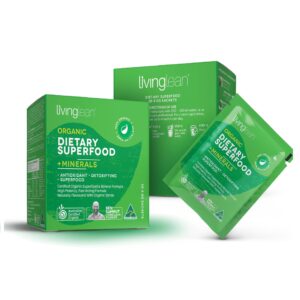
Livinglean – Organic Dietary Mineral Powder 8g x 20 sachets
Original price was: $368.00.$298.00Current price is: $298.00. Add to basket
Related Post:
![母親用滴管把少量植物藻油滴在食物匙上,幼兒坐在餐桌旁]()
A Complete Guide to Plant-Based Algae Oil Omega-3: Odorless, Vegetarian, and Suitable Omega-3 Choices for Pregnant Women and Infants
![牛樟芝子實體與膠囊製品示意]()
What is Antrodia camphorata? A complete guide to its ingredients, research evidence, and precautions for consumption.
![世界心臟日護心飲食場景,香港中年夫婦享用豆漿、豆腐、雞蛋與堅果,旁有心臟及細胞膜卡通示意]()
World Heart Day: Heart Health in Hong Kong Starts with Daily Life | What are the Benefits of Lecithin? Which of Three 1200mg Products to Choose From?
![香港成年人在家閱讀與休息,從日常習慣開始理解腦部健康]()
Fish oil, mini capsules, or B12? Formulas and daily choices for 8 best-selling brain health products.