



































































DHA and EPA, two long-chain Omega-3 fatty acids, can only be obtained from food or supplements. The Hong Kong Nutrition Society recommends that adults consume at least 200 mg of DHA daily. Fish oil is the most common source, but it has two common problems: a fishy smell after swallowing, and people who don't eat fish (including vegetarians, pregnant women with seafood allergies, and children) cannot get enough DHA from fish oil. Algal oil exists precisely to address these two issues—it bypasses the marine food chain, extracting DHA directly from microalgae grown in closed systems. It contains the same DHA molecules but without the fishy smell and does not rely on fish resources. The following summarizes the actual differences between algal oil and fish oil, the specifications of three different products for different groups, and which numbers to pay attention to when purchasing.
What are DHA and EPA, and why are they needed?
DHA (docosahexaenoic acid) and EPA (eicosapentaenoic acid) are long-chain polyunsaturated fatty acids that the body cannot synthesize on its own and must obtain from the diet. They are major components of cell membranes, with DHA being particularly concentrated in the retina and brain nerve tissue.
Recommended intake for different ages
The following are the recommended daily DHA intakes from several international nutrition organizations, which can be used as a reference for determining the amount of algal oil consumed:
| crowd | Recommended daily intake of DHA | Source of information |
|---|---|---|
| Generally healthy adults | Approximately 200 mg or more | Early Nutrition Academy recommends |
| Pregnant women (additional information) | At least an additional 200 mg (total daily intake of approximately 300 mg or more) | Early Nutrition Academy |
| Breastfeeding mothers | At least 200 mg per day on average | Early Nutrition Academy |
| Infants and toddlers (first few months) | 100 mg DHA and 140 mg AA daily | Early Nutrition Academy |
| Older infants (second half of the year) | Continuous daily intake of 100 mg of DHA | Early Nutrition Academy |
The actual requirements of pregnant women vary depending on the gestational week. Some international organizations recommend a higher intake (600 to 800 mg of DHA per day) for people at higher risk of premature birth, but this requires individual assessment and is not applicable to everyone.

Why are pregnant women and infants specifically mentioned?
The fetus relies on the mother for DHA during pregnancy. A systematic review by the Early Nutrition Academy of pregnant and breastfeeding women indicated that daily supplementation with an additional 400 mg of algal DHA was associated with a lower risk of early preterm birth. However, this evidence of a "lower association between supplementation and risk" does not mean that algal oil can prevent or treat preterm birth.
As for infants and young children, DHA is a fatty acid that is naturally present in breast milk and formula. The concentration of DHA in breast milk varies greatly, depending on the mother's own intake; therefore, for breastfed babies, the mother's nutritional intake will indirectly affect the baby's DHA supply.
What are the differences between plant-based algal oil and fish oil?
Simply put, fish are rich in DHA and EPA because they eat algae. Algal oil is extracted directly from microalgae, skipping this step in the marine food chain. This difference leads to several practical distinctions:
| Comparison items | fish oil | plant algae oil |
|---|---|---|
| Source of raw materials | Marine fish (usually small oilfish) | Microalgae cultured in closed systems |
| Smell and taste | It has a common fishy smell, and some people may experience burping after swallowing it. | No obvious fishy smell |
| DHA to EPA ratio | Both exist, but the EPA ratio is usually higher. | Primarily composed of DHA, with very low or no EPA content. |
| Sources of pollutants | There is a need for testing heavy metals and pollutants in the marine food chain. | Without going through the marine food chain |
| Suitable for | For most adults, and those without any restrictions on fish consumption. | Vegetarians, people allergic to fish, pregnant women, and infants. |
Why is a low EPA content an advantage?
This is the most important point to consider when choosing algal oil for pregnant women and infants. Some fish oils have a higher EPA content, but EPA intake during pregnancy needs careful evaluation because high-EPA fish oil products have specific usage considerations for pregnant women. Algal oil has extremely low EPA content, and therefore is more widely used in this population.
It's important to clarify that this doesn't mean fish oil is problematic. Fish oil remains an effective option for Omega-3 supplementation in the general adult population. Algae oil is not "better fish oil," but rather "a choice of different sources."
Algal oil is not a guarantee of being naturally odorless.
The advantage of algal oil being odorless comes from the fact that the raw material itself does not contain fish protein, but the actual experience is still affected by the following factors:
- Does it come with capsule shell or carrier oil?Some products may contain carriers such as rice bran oil and sunflower seed oil, and their texture and gastrointestinal reaction may vary from person to person.
- Dosage timePeople with sensitive stomachs are more likely to experience discomfort if taken on an empty stomach.
- Personal taste sensitivityA small number of people are more sensitive to the plant-like taste of algal oil itself.
It is recommended to start with half the recommended dose for the first time to allow your body to adapt, and then adjust to the full dose.

What four labels should you look for when buying algal oil?
The most common pitfalls with algal oil products: make sure to check the following four numbers on the label one by one.
1. DHA content per capsule, not total oil content.
2. Algal species and whether EPA labeling is used.
3. Third-party testing and certification
4. Is the capsule shell or dosage form suitable for the target population?
Comparison of specifications of three algal oil products
The following three products cater to the needs of general adults, pregnant women, and infants, respectively. Specifications are compiled according to the brand's publicly disclosed information; please refer to the latest labels on the product page and packaging before purchasing.
| project | Vebegen Natural Algae Oil Omega-3 | Bio Island DHA Algae Oil for Pregnant Women | Catalo Infant DHA Algae Oil |
|---|---|---|---|
| Suitable for | General adults, vegetarians | Women preparing for pregnancy, pregnant women, and breastfeeding women | Infants and toddlers (5 lbs or more) |
| Raw materials/dosage forms | Seaweed oil vegetarian softgels (120 capsules) | Seaweed oil mini softgels (60 capsules) | Seaweed oil drops (30 ml) |
| Quantity of ingredients per serving | 1000 mg of algae oil | 525 mg of seaweed oil | Drops, dosage determined by body weight |
| DHA content per serving | 310 mg | 210 mg | Please check the packaging label for confirmation. |
| EPA content per serving | 150 mg | Please check the packaging label for confirmation. | Please check the packaging label for confirmation. |
| Total Omega-3 | 560 mg | Please check the packaging label for confirmation. | Please check the packaging label for confirmation. |
| Recommended serving size | Take 1 capsule daily with meals or as directed by your doctor. | Take 1 capsule daily during weeks 0 to 10 of pregnancy; take 2 to 3 capsules daily during weeks 10 to 36 and during breastfeeding, with meals. | For individuals weighing 5 to 20 pounds, take 0.5 ml daily; for individuals weighing 21 to 35 pounds, take 1 ml daily. |
| Product Link | View Vebegen seaweed oil | View Bio Island Pregnant Women's DHA | View Catalo infant algae oil |
Vebegen Natural Algae Oil Omega-3: A Daily Choice for the General Adult

Each capsule provides 560 mg of Omega-3, including 310 mg of DHA and 150 mg of EPA, meeting the recommended daily intake of at least 200 mg of DHA for the average adult. The capsule shell is made from a vegetarian source, and the formula contains no animal ingredients, making it suitable for vegetarians and adults who do not eat seafood. The one-capsule daily dosage is designed for easy long-term maintenance by adults without special dietary habits.
Bio Island DHA Algae Oil for Pregnant Women: Dosage adjusted according to gestational week

Catalo Infant DHA Algae Oil: Drops calculated per body weight

Algal Oil Section and Purchase Tips
If you want to compare different brands and dosage forms at once, you can refer to...Algal Oil ZonePrices and inventory on the special zone page and the product page in this article may be adjusted according to the brand. Please refer to the page for the actual selling price, discounts and availability.

How and when to consume algal oil
Take with or after meals
DHA and EPA are fat-soluble fatty acids, and when taken with meals, the lipids in food help with absorption. Taking them on an empty stomach is more likely to cause gastrointestinal discomfort or nausea. It is recommended to take them after lunch or dinner, or twice a day, once for breakfast and once for dinner.
Time arrangements for three groups
- general adultsTake one capsule daily with any meal; the key is to take it every day.
- Pregnant mothersAdjust the dosage according to the gestational week and take with meals. If morning sickness is severe, take it at lunchtime or when you feel more comfortable.
- Infants and young childrenShake well before use. Measure the amount according to body weight using a dropper. It can be consumed directly or mixed into breast milk or formula. Mixing it into milk will reduce the absorption rate. To ensure complete intake, feed the baby directly with a dropper first, then feed formula.
Things to confirm before taking it
Algal oil is a dietary supplement, not a medicine, and cannot replace a balanced diet. It is recommended to consult a doctor or pharmacist before taking it in the following situations:
- You are currently taking anticoagulant medications or prescription drugs.
- Preparing to undergo surgery.
- Known allergy to algae, sunflower seeds or iodine.
- This product is suitable for pregnant women, breastfeeding women, infants, and children.
- They have liver or kidney disease, gallbladder disease, or any chronic illness.
Frequently Asked Questions
Is there a difference in effectiveness between plant-based algal oil and fish oil?
Both provide long-chain Omega-3 fatty acids, with algal oil providing DHA (algal oil may also contain a small amount of EPA). The difference lies in the source, the EPA ratio, and the smell, not in which one is "more effective." Fish oil remains an effective source of Omega-3 for most adults; algal oil's advantages include no fishy smell, independence from the marine food chain, and suitability for vegetarians, pregnant women, and infants. If your diet goal is to supplement DHA, algal oil is a viable option; if your doctor recommends supplementing with a higher dose of EPA, you should choose according to your doctor's advice.
Can algal oil completely replace fish oil?
Algal oil can meet the need for DHA supplementation. However, the fatty acid composition of the two differs: fish oil typically has a higher proportion of EPA. If you require a higher dose of EPA (e.g., as advised by a healthcare professional), algal oil may not be the right choice. Furthermore, a balanced diet should still be the primary source of nutrition, with 2 to 3 servings of deep-sea fish per week providing sufficient EPA and DHA naturally.
Does algal oil have a fishy smell that makes you burp?
Algal oil does not contain fish protein, so it generally does not cause the fishy smell or burping commonly associated with fish oil. However, individual differences exist: a few people are more sensitive to the plant-like taste of algal oil, or experience gastrointestinal discomfort when taken on an empty stomach. It is recommended to take it with meals, starting with half the recommended dose to allow the body to adjust.
Can pregnant women consume algal oil?
Algal oil is a common choice for pregnant women to supplement DHA, mainly because it has extremely low EPA content and no fishy smell. Most algal oils for pregnant women on the market are marketed with recommended dosages based on gestational week. For example, Bio Island Pregnant Women's DHA Algal Oil recommends 1 capsule daily from weeks 0 to 10 of pregnancy, and 2 to 3 capsules daily from weeks 10 to 36. First-time users, those with pregnancy complications, or those currently taking other medications should consult their doctor during their prenatal checkup. Your obstetrician knows your entire pregnancy and this is the most reliable source of information.
Can infants and young children consume algae oil? Is it safe for premature infants?
Algal oil drops are primarily for infants weighing 5 pounds (approximately 2.3 kg) or more. DHA and AA are standard additives in formula milk; therefore, for formula-fed babies, it is recommended to consult a pediatrician before supplementing to avoid excessive intake. Premature infants (birth weight less than 1,500 grams) have specific nutritional needs and recommended intakes, which must be individually assessed by healthcare professionals. They should not use algal oil products intended for adults or general infants without medical supervision.
How much algal oil should I consume per day? Are there any problems with consuming too much?
The recommended daily intake of DHA is generally 200 mg for healthy adults, around 300 mg for pregnant and breastfeeding mothers, and 100 mg for infants and young children, according to several international organizations. However, more algal oil is not necessarily better: excessive intake may cause gastrointestinal discomfort and nausea, and may also interfere with the absorption of other fatty acids. If consuming deep-sea fish, DHA-fortified infant formula, or other fortified foods at the same time, the total intake should be included in the calculation to avoid exceeding the recommended range.
Should algal oil be taken on an empty stomach or with meals?
It is best to take it with or after meals. DHA and EPA are fat-soluble fatty acids, which require lipids from food to aid absorption; absorption is lower when taken on an empty stomach, and it is also more likely to cause nausea or gastrointestinal discomfort. If you take two capsules a day, you can take one after lunch and one after dinner.
Is algal oil vegetarian? Can vegans consume it?
Algal oil is derived from microalgae and is a plant-based ingredient. However, "vegan capsules" only refers to the capsule shell material and does not necessarily mean the entire product is vegetarian. Before purchasing, you should check the complete ingredient list to confirm that there are no gelatin, bovine, or other animal-derived additives. The publicly available information for Vepokin and Bio Island products listed in the table above indicates they are vegetarian capsules, but the actual ingredient list on the packaging should be the final authority.
Can vegetarians take fish oil? Or is algae oil the only option?
Vegetarians cannot obtain DHA and EPA from fish, so algal oil or plant-based Omega-3 based on flaxseed oil are the main options. However, the alpha-linolenic acid in plant oils needs to be converted into DHA in the body, and this conversion efficiency is relatively limited. Therefore, for people with higher DHA requirements (such as pregnant women and infants), algal oil as a direct DHA source remains a more reliable choice.
References
- Early Nutrition Academy: Guidelines on Long-Chain Polyunsaturated Fatty Acids During Pregnancy, Lactation, and Infancy (Summary)
- CATALO Baby's Algae DHA Drops 30ml Official Product Information
- Vebegen Natural Algae Oil Omega-3 Product Page
- Bio Island Pregnant Women's DHA Algae Oil Product Page
- Catalo Infant DHA Algae Oil Product Page
Related Products:
-
Sale!
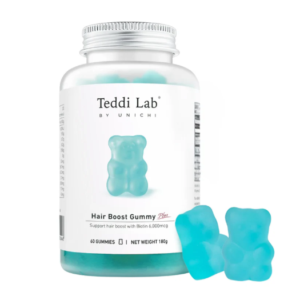
Unichi – Teddi Lab® Gummy Bears Gummy Bears for Hair Growth Upgraded Sea Salt and Green Titanium Flavour 60 Capsules
Original price was: $170.00.$125.00Current price is: $125.00. Add to basket -
Sale!
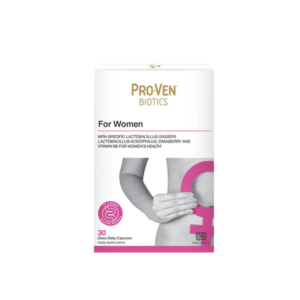
ProVen – Women's Dedicated Probiotic + Cranberry 3600 30 Capsules
Original price was: $198.00.$138.00Current price is: $138.00. Add to basket -
Sale!

Swisse – Beauty Women's Hair Nutritional Capsules 60 Capsules
Original price was: $168.00.$118.00Current price is: $118.00. Add to basket -
Sale!

Unichi – Teddi Lab® Smokamine Whitening Gummy Bears Jasmine & Grapefruit Flavour 60 capsules
Original price was: $170.00.$125.00Current price is: $125.00. Add to basket
Related Post:
![男士夜尿、滴滴仔:良性前列腺增生的症狀、檢查與保健品選購]()
Nocturia and dribbling in men: Symptoms, examinations, and supplemental evidence of benign prostatic hyperplasia (BPH).
![通宵一晚,血壓會升多少?]()
Staying up late and blood pressure: How much will blood pressure rise after staying up all night on Halloween? Interpreting cardiovascular risk data.
![均衡備餐與體重管理]()
Weight Management Shopping Guide: 8 Selected Probiotics, Apple Cider Vinegar, and Herbal Formulas
![我們的選品標準與定價說明]()
Health supplement selection? Our product selection criteria and pricing guidelines