

































































What is fish oil?
fish oilFish oil is a naturally occurring fatty acid in our bodies, especially within our cell membranes. It can be obtained by consuming oily fish or by taking supplements. Marine fish are a rich source of fish oil. Oily marine fish include mackerel, herring, tuna, salmon, anchovies, pufferfish, sardines, and swordfish. Oily fish contain omega-3 fatty acids, and the two main omega-3 fatty acids found in fish oil are eicosapentaenoic acid (EPA) and docosahexaenoic acid (DHA). These two substances are associated with normal aging. They can regulate cellular function and may also heal or protect cells from damage.
Today, some studies indicate that fish oil plays an important role in the entire human body. There is encouraging evidence that fish oil helps maintain heart health, protects eye health, and strengthens the immune system. Fish oil is also very important for pregnant or breastfeeding women because it helps with the normal development of the infant's nervous system.
Related Post:What is the purpose of fish oil?
Health benefits of fish oil
Fish oil may help stabilize blood pressure levels.
Eating fish rich in fish oil may help stabilize blood pressure levels. More importantly, research shows that oily fish can effectively maintain heart health. The reason is simple: most fatty acids, such as those found in fish oil, are located inside our cells. Fortunately, these cells make up part of our heart and blood vessels. When these cells contain enough omega-3 fatty acids, they release substances that control blood clotting, immune function, and regulate how the heart pumps blood. At this point, the heart pumps blood normally, and our system can clear any blood clots that obstruct the flow of blood around the body.
Fish oil can promote infant development.
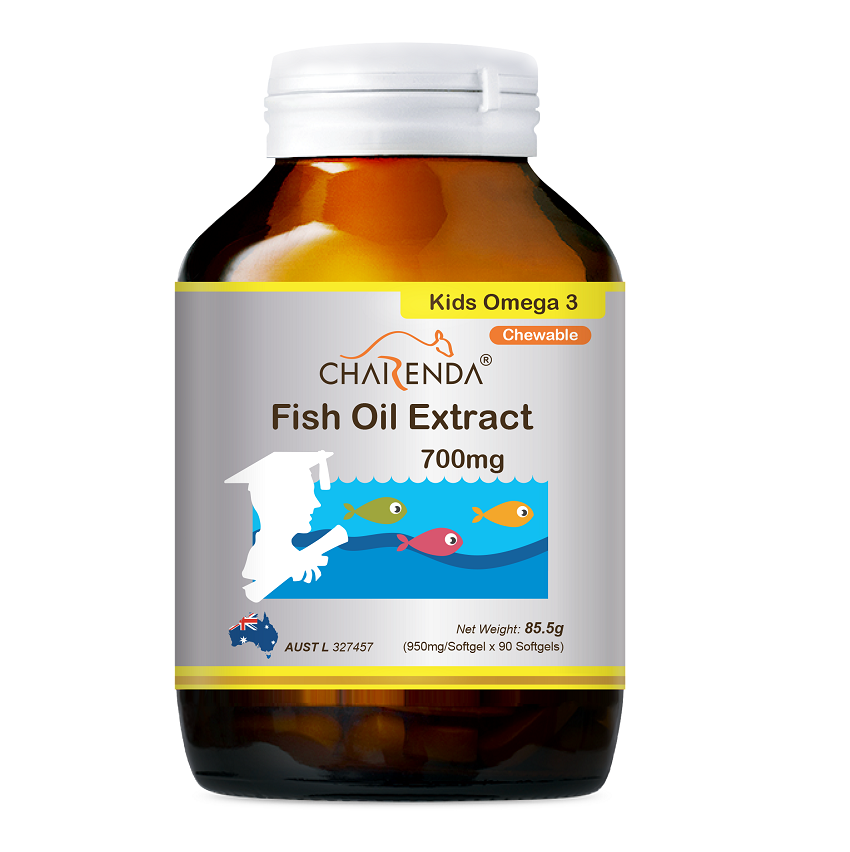
Fish oil helps infants' nervous system develop normally, and some experiments have proven this.Omega-3 fatty acidsIt can promote the normal development of the baby's brain and retina during pregnancy. This is because a large amount of DHA is absorbed into the tissues of the unborn baby in late pregnancy. At this stage, only pregnant women with high levels of omega-3 in their bodies can provide sufficient nutrition for their unborn child. Therefore, pregnant or breastfeeding women should consume 8 to 12 ounces of seafood per week to provide enough fish oil for their unborn child.
Fish oil can prevent dry eyes.
Numerous studies have shown that consuming more fish oil can reduce the risk of dry eyes, especially in women. This is because omega-3 fatty acids help drain unwanted fluid from the eyes. In another study, it was noted that taking fish oil supplements for 4-12 weeks significantly improved some eye discomfort. This explains why fish oil is widely used to treat eye problems.
Fish oil can improve memory in children and adults.
Memory decline is a common problem for older adults, reducing their quality of life and making it difficult for them to care for themselves. On the other hand, some children are often more intelligent and quicker than others, and the main reason for this may be their diet. Studies have shown that children who eat a diet rich in fish experience improved learning abilities and memory. Fish oil can improve attention, cognitive function, and behavior. A good explanation for this is that the human brain contains approximately 601 TP4T of fat. Brain cells contain a large amount of fatty acids. Therefore, children and adults who eat a diet rich in fish oil often experience improved memory.
Fish oil can relieve menstrual cramps
Take fish oil alone or withVitamin B12 Taking them together can reduce the need for painkillers, making your period easier.
Fish oil can relieve joint pain
A growing number of people claim that taking fish oil, alone or with naproxen, can help improve joint pain symptoms. Fish oil may help patients with joint pain reduce their use of painkillers. While more research is needed, current evidence suggests that taking fish oil can reduce joint swelling and tenderness in patients.
How can I supplement my body with fish oil?
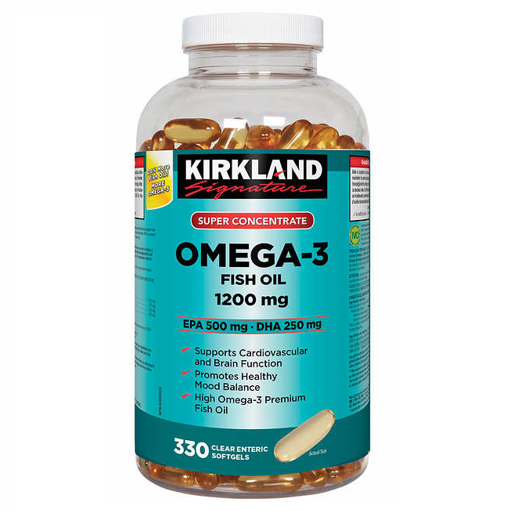
There are two ways to supplement your body with fish oil. The first way is through food. People can eat a diet rich in EPA and DHA, or foods rich in alpha-linolenic acid (ALA), which will then be converted into EPA and DHA in the body. Oily fish include herring, sardines, salmon, trout, swordfish, anchovies, puffed fish, and mackerel. Note that the amount of omega-3 fatty acids you get from a fish diet is not always the same. This is because the value of fish oil varies depending on factors such as the specific species of wild fish, which can vary greatly depending on the season, the maturity of the fish, the amount of fish consumed, and even the cooking method. Therefore, steamed, baked, or grilled fish is considered a healthier option. The second way to supplement your body with fish oil is by taking high-quality fish oil/omega-3 supplements. These supplements can be used to increase fish oil intake. For example, older adults and pregnant women are advised to take omega-3 supplements to maintain health and prevent certain diseases.
Dosage of fish oil
The average daily requirement for fish oil (combining EPA and DHA) is 250-500 mg. The average daily requirement for fish oil is 1,600 mg for adult men and 1,100 mg for adult women. When purchasing fish oil supplements, carefully read the label to determine the amounts of EPA and DHA listed. Typically, 1,000 mg of fish oil provides approximately 300 mg of the combined EPA and DHA. The table below shows our recommended daily intake based on age and class.
| category | age group | Average daily intake (mg) |
| baby | 12 months and below | 500mg |
| Infants and young children | 1-3 years old | 700mg |
| child | 4-8 years old | 900mg |
| Teenagers (male) | 9-13 years old | 1200mg |
| Teenagers (female) | 9-13 years old | 1000mg |
| Adult (male) | 14 years and older | 1600mg |
| Adult (female) | 14 years and older | 1100mg |
| Pregnant women | 18 years and older | 1400mg |
| Breastfeeding mothers | 18 years and older | 1300mg |
Side effects of fish oil
Fish oil is generally considered safe, especially when taken in low doses (500 mg or less daily). However, some safety concerns exist when taking high doses of fish oil. Therefore, we recommend that you only take large doses of fish oil as directed by a doctor. Overdosing on fish oil can cause various side effects, such as hiccups, bad breath, heartburn, nausea, loose stools, rashes, foul-smelling sweat, and nosebleeds. If you experience any of these symptoms, seek medical attention as soon as possible. More importantly, consuming large amounts of fish oil from certain dietary sources can be risky. Some oily fish (especially sharks, mackerel, and farmed salmon) may be contaminated with mercury and other industrial and environmental chemicals. Therefore, always carefully inspect oily fish before purchasing them from retailers.
Conclusion
Benefits of fish oilFish oil has many uses, including maintaining heart health, relieving joint pain, and improving memory. Numerous studies support its effectiveness in the body, and to obtain the maximum benefits, it is recommended to consistently take the prescribed dosage. In addition to consuming oily fish, you can also take high-quality omega-3 supplements to increase your body's fish oil levels.
Related Post:
![母親用滴管把少量植物藻油滴在食物匙上,幼兒坐在餐桌旁]()
A Complete Guide to Plant-Based Algae Oil Omega-3: Odorless, Vegetarian, and Suitable Omega-3 Choices for Pregnant Women and Infants
![牛樟芝子實體與膠囊製品示意]()
What is Antrodia camphorata? A complete guide to its ingredients, research evidence, and precautions for consumption.
![世界心臟日護心飲食場景,香港中年夫婦享用豆漿、豆腐、雞蛋與堅果,旁有心臟及細胞膜卡通示意]()
World Heart Day: Heart Health in Hong Kong Starts with Daily Life | What are the Benefits of Lecithin? Which of Three 1200mg Products to Choose From?
![香港成年人在家閱讀與休息,從日常習慣開始理解腦部健康]()
魚油、迷你膠囊還是B12?腦部健康熱銷8款的配方與日常選擇