































































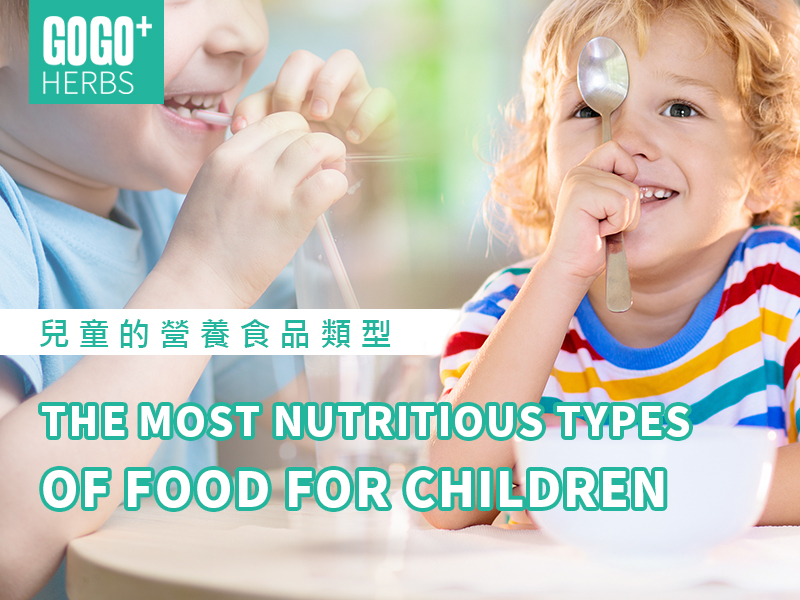
Types of Nutritional Foods for Children
Although many are beneficial to adultshealth foodIt's also beneficial for children, but as children grow older, especially between 2 and 12 years old, their nutritional needs differ from adults. Ensuring their children eat healthily has become a major challenge for parents. On the one hand, they lack the time to prepare nutritious meals; on the other hand, there are many convenient meal plans available on the market. However, ensuring children eat healthily brings numerous benefits to themselves, and the market offers a wide variety of options.Health foodBoth healthy foods and regular foods can help your child get enough nutrition and stay healthy.
Different nutritional needs
Adults and children have similar nutritional needs because everyone requires the same basic nutrients, such as minerals, vitamins, protein, carbohydrates, and fats. The only difference is the specific amounts of nutrients children need compared to adults.
Daily calorie intake(Depending on gender and activity level)
- Children 1 year or younger – approximately 900 calories;
- Children aged 2-3 years – approximately 1000-1400 calories;
- Children aged 4-8 – approximately 1200-2000 calories;
- Teenagers aged 14-18 – approximately 1800-3000 calories;
- Adults – approximately 2000-3000 calories.
Intake of healthy fats
- 2-3 years old – 30-351 TP4T calories;
- Ages 4-18 – 25-351 TP4T calories;
- Adults – 5-61 TP4T calories.
The biggest difference between children and adults is that their brains and bodies are constantly in motion and growing. This means that if their nutrition does not meet their needs, it is very likely to affect their growth and development and may have permanent effects throughout adulthood.
How do health foods and supplements work on children?
A healthy diet not only ensures children receive adequate nutrition during their growth, but also offers many other benefits:
- Support their growth and development
- Children are less likely to be picky eaters
- It may reduce the risk of developing emotional problems.
- Maintain a healthy weight and a positive image
- Stabilize their energy
How can we encourage children to eat healthier?
Children aren't born liking junk food; their preference is more influenced by dietary habits and unhealthy food choices. Here are some ways to encourage children to eat healthier:
- Set a good example for your children; if you eat healthily, your children will also want to eat healthily.
- Reduce snacks and only provide them with healthy treats;
- Go grocery shopping with the children;
- Masking the flavors of healthy ingredients in dishes;
- The focus is on good eating habits, rather than specific foods;
- Cooking at home;
- Meals are eaten with the children, and meals are served on time.
Types of food suitable for children
Berries
Berries are higher in fiber and vitamin C and lower in sugar than other fruits. They also taste great, making them a perfect snack for children. This means parents don't need to put in much effort to get their kids to accept them. Additionally, try to avoid giving children too much fruit juice, as it's high in sugar and the fruits lose many of their original nutrients during the juicing process.
Legumes
Legumes are rich in protein and fiber, making them an important source of nutrition. More importantly, they are inexpensive, easy to prepare, taste good, are versatile, and can be easily incorporated into many foods. Fiber and protein not only help children feel full for longer but also contribute to their stomach health.
avocado (Persea americana)
Healthy fats are also extremely important for children, and avocados (a delicious fruit) can provide them with the monounsaturated fatty acids they need. They are versatile and can be used in a variety of dishes, including smoothies, pasta sauces, and even desserts.
whole wheat
Like adults, most children's diets lack fiber. Many packaged snacks and breads contain only a fraction of the 25 grams of fiber a child needs daily. When buying whole-wheat pasta, snacks, and bread, always double-check the ingredients; after all, the food market can sometimes be deceptive.
Nuts
Nuts not only provide children with three different nutrients—fat, protein, and fiber—but they are also a delicious and portable snack. Natural butter made from peanuts, cashews, and almonds is also a great accompaniment to whole-wheat bread and vegetables.
Eggs
Eggs contain many essential nutrients; for example, a large egg contains 6 grams of protein, vitamin D, vitamin B12, and iron. Eggs are also very versatile and can be added to almost every meal.
Vegetables of various colors
Any vegetable you feed your children is good for their health. The more colorful the vegetables they eat, the more variety of vitamins and nutrients they get. Sweet potatoes and carrots are rich in vitamin A, leafy green vegetables are rich in vitamin K, and bell peppers contain a lot of vitamin C. In addition, broccoli and some other cruciferous vegetables are high in fiber, which is also associated with a reduced risk of intestinal problems.
Fortified milk
Fortified milk and soy milk can provide children with protein, calcium, phosphorus, and vitamin D, all of which are essential for children's bone development.
Fish
Fish are an excellent source of protein. Oily and cold-water fish like salmon, tuna, and sardines contain a significant amount of protein that is beneficial for eye, brain, and nerve development.omega-3fatty acid.
Related Products:
-
Sale!

GINAX – Ginseng Tea Bag / Ginseng White Tea Rose Tea Bag | 1bag
Original price was: $13.00.$10.00Current price is: $10.00. 選擇規格 This product has multiple variants. The options may be chosen on the product page -
Sale!

GINAX – Manuka Honey UMF™ 5+ 30g
Original price was: $30.00.$25.00Current price is: $25.00. Add to basket -
Sale!

Single 10% off】aXimed – Recovery Speed 100% Whey Protein Powder 30 sachets
Original price was: $558.00.$502.00Current price is: $502.00. Add to basket -
Sale!
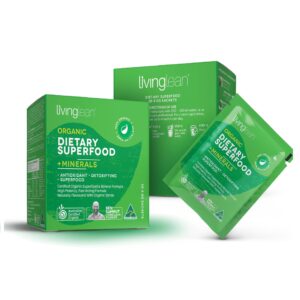
Livinglean – Organic Dietary Mineral Powder 8g x 20 sachets
Original price was: $368.00.$298.00Current price is: $298.00. Add to basket
Related Post:
![香港長者夫婦一起閱讀營養標籤並規劃日常健康管理]()
GogoHerbs 2024–2025 Senior Health Supplement Insight Report: A Panoramic View of 50+ Daily Health Supplements and Product Selection
![香港男士閱讀營養標籤並規劃日常健康管理]()
GogoHerbs 2024–2025 Men's Health Supplement Insight Report: Understanding the Demand Path for Men's Health Supplements
![香港女性在家閱讀營養標籤並規劃日常健康管理]()
GogoHerbs 2024–2025 Hong Kong Women's Health and Wellness Products Market Insight Report: From Hair Care, Beauty, and Women's Probiotics to Daily Nutrition
![香港女士益生菌選購指南:蔓越莓與益生菌膠囊]()
Hong Kong Women's Probiotic Recommendations: Cranberry Formula, Strains, and Buying Guide