
Can eczema and acne be improved with supplements? The roles and boundaries of zinc, probiotics, and vitamin D.
The skin is the body's largest organ, and its condition often reflects the balance of nutrition, immunity, and inflammation within the body. Eczema (atopic dermatitis) and acne (clogged hair follicles, acne) are two very common skin problems with completely different causes: eczema tends to...Skin barrier and immune imbalanceAcne tends toSebum secretion, follicular keratosis, and bacterial-associated inflammationMany people want to know: Besides topical skincare, can nutritional supplements help "from the inside out"?
To state the conclusion first:Supplements can be part of a daily nutritional routine, but currently, evidence supports that they are "auxiliary" rather than a replacement for moisturizers, topical medications, or first-line treatments prescribed by a doctor.The following section clarifies the strength of evidence, dosage, and safety limits for zinc, probiotics, vitamin D, and quercetin in two different skin conditions.
- 1. Why are skin problems related to nutrition?
- 2. Eczema (atopic dermatitis): Causes and daily care
- 3. Nutritional supplements related to eczema: What's the evidence?
- 4. Acne (Clogged Hair Follicles): Causes and Daily Care
- 5. Nutritional supplements related to acne: What's the evidence?
- 6. Dosage and Safety: Zinc and Vitamin D
- 7. Who is suitable for supplementation, and who should consult a doctor first?
- 8. How to choose supplements
- 9. Frequently Asked Questions (FAQ)
- 10. Sources of information
1. Why are skin problems related to nutrition?
Skin undergoes daily cell renewal, repair, and defense, processes that require energy, protein, essential fatty acids, vitamins, and minerals. When certain nutrients are chronically deficient, skin...Barrier function, repair speed and immune responseAll of these can be affected, making dryness, itching, or inflammation more likely to occur.
However, we must pay attention to the direction of cause and effect:Skin problems are not necessarily caused by a "lack of a certain nutrient".Both eczema and acne are caused by multiple factors, and nutrition is only one of them. The Hong Kong Department of Health's Student Health Service, in its eczema care recommendations, in addition to daily details such as bathing and clothing, also reminds parents of…Pay attention to a balanced diet to increase your body's resistance."—This is precisely the most pragmatic positioning of supplements on this issue:"Building a solid nutritional foundation makes it easier for the skin to maintain stability under existing care.。
2. Eczema (atopic dermatitis): Causes and daily care
Eczema (atopic dermatitis) is a common skin condition characterized by...ItchingThe skin may become dry, flaky, red, swollen, and cracked; in severe cases, blisters or oozing may occur. According to the UK NHS, eczema...It cannot be cured, but symptoms can be controlled with proper care.Moreover, many children's condition improves with age.NHS: Atopic eczema)。
The causes are not singular, and are related toGenetic constitution, skin barrier function, immune responseAll of these are relevant. Common triggering or aggravating factors include: exposure to allergens or irritants (soap, laundry detergent, pets, certain fabrics, pollen, dust mites, some foods), changes in temperature and perspiration, skin infections, and stress and hormonal changes.
First-line care: moisturizing and topical medications
The NHS's recommendations align with those of the Hong Kong Department of Health, focusing on routine care:
- Use moisturizer frequently:Cleanse at least twice daily, even as your skin improves, and use a moisturizer instead of soap.
- The bath water temperature should be moderate, and the time should not be too long.Avoid hot water and vigorous friction; avoid using soap, scented cleaners, or disinfectants.
- Clothing and Environment:Choose breathable and sweat-wicking pure cotton clothing, and replace wool clothing with cotton; keep your home clean and avoid dust mites and lint products; keep your indoor environment cool.
- Topical medication:The doctor may prescribe topical steroids or other ointments; more severe cases may require additional treatment.
In addition, the NHS explicitly reminds:Do not change your diet on your own unless instructed by your doctor.(Including breastfeeding mothers). If eczema develops blisters, crusts, oozing, pus, severe pain, fever, or sudden enlargement, it may be an infection or a more serious condition, and you should seek medical attention as soon as possible.
3. Nutritional supplements related to eczema: What's the evidence?
The following are some components that are frequently discussed and have a certain research foundation. Please note:Their role is to "fill in" on top of standard care, not to replace moisturizing and doctor's prescriptions.
Zinc
Zinc is involved in skin cell renewal, protein synthesis, and the normal functioning of the immune system, and also has anti-inflammatory effects, therefore it is often used in discussions of skin conditions. A systematic review of 229 articles, ultimately including 22 studies (Dhaliwal et al., 2020), found that zinc supplementation...Of the two studies on atopic dermatitis, one showed positive results.This is a "preliminary and worthy of further research" signal; the same review showed a significantly higher proportion of positive studies on acne (see Section 5).Dhaliwal et al 2020, Am J Clin Dermatol)。
In other words:Evidence regarding zinc's effects on eczema is currently at the "preliminary" level.Zinc supplementation can be considered part of overall nutritional support, but one should not expect that zinc supplementation alone can significantly improve eczema.
Prebiotics and Probiotics
This is the most actively researched and relatively positive area in the field of eczema research, with the main mechanism being the "gut-skin axis": gut microbiota balance is related to immune regulation and skin barrier maintenance. A comprehensive meta-analysis covering 38 studies and a total of 127,150 participants (Wang and Xu, 2025) indicates that:
- Supplementing with prebiotics/probiotics/synbiotics, andThe incidence of eczema has decreased.(RR 0.74, i.e., a relative risk decrease of approximately 26%).
- For those who already have eczema,The severity score (SCORAD) also decreased.(The average score dropped by about 3.75 points).
- Group analysis shows:Multi-strain probiotics, Lactobacillus, and synbioticsThe effect was more obvious; no significant difference was observed when using Bifidobacterium or prebiotics alone.
- Improvements are mainly seen inModerate to severeIn the cases of children with mild symptoms, no significant differences were observed.
Source:Wang and Xu 2025, Front Pediatr comprehensive synergistic analysisIt should be noted that existing research mainly focuses on...childFurthermore, the strain, dosage, and usage time are inconsistent, so when making a selection, the strain and formula are more important than the words "whether it contains probiotics".
Vitamin D
Vitamin D, in addition to its role in bone and calcium absorption, also participates in the normal functioning of the immune system; and skin keratinocytes themselves are involved in vitamin D metabolism, thus becoming a direction for eczema research. Multiple meta-analyses have yielded positive results:
- A meta-analysis of nine studies found that patients with eczema generally had lower serum vitamin D levels, whileAfter vitamin D supplementation, the severity score (SCORAD/EASI) decreased.(Kim et al. 2016, Nutrients)。
- A more recent systematic review and meta-analysis (11 randomized controlled trials, 686 children and adults) also showed that...Vitamin D supplementation reduced the severity of eczema compared to the control group.(Nielsen et al. 2024, Nutrients)。
The supplemental doses in the studies were mostly inDaily 1,000 TP1T4,000 IU The treatment lasted 81-16 weeks. Overall, vitamin D was a key factor in eczema supplementation research.The results were relatively consistent, and one aspect that deserves attention is...It can be used as a daily nutritional supplement, but it is still an auxiliary treatment and cannot replace moisturizing and topical medications. The dosage should not exceed the upper limit of safety (see Section 6).
Quercetin
Quercetin is a plant flavonoid widely found in foods such as onions, berries, apples, and green tea, and possesses antioxidant and anti-inflammatory properties. Retrospective literature indicates that quercetin...Inhibits histamine release, stabilizes mast cells, and regulates allergy-related immune responses.It has an effect in this area, and therefore has been widely studied in allergy-related conditions such as nasal allergies and eczema.Jafarinia et al. 2020, Allergy Asthma Clin Immunol ReviewIn a mouse model of eczema, quercetin reduced ear swelling, mast cell infiltration, and various inflammatory factors.
It should be stated truthfully that:Currently, most human studies are small-scale, and many focus on "topical formulations." Clinical evidence for the improvement of eczema with oral quercetin supplements is still accumulating.If you are considering using it, you should treat it as part of your overall health regimen and pay attention to its absorption and gastrointestinal tolerance.
4. Acne (Clogged Hair Follicles): Causes and Daily Care
Acne commonly appears on the face, back, and chest, manifesting as blackheads, whiteheads, red papules, and pustules; in severe cases, nodules or cysts may develop. According to the NHS, acne is related to…Hormonal changes during pubertyClosely related: Hormones cause sebaceous glands to secrete more oil, which clogs pores with sebum and keratin, and also keeps otherwise harmless skin bacteria (Cutibacterium acnes, formerly known as P. acnesAltered activity leads to inflammation and pustules.NHS: AcneAcneIt cannot be cured completely, but it can be controlled through treatment.Furthermore, treatment typically takes several months to show results.
First-line care: Gentle cleaning, avoid squeezing, and prompt treatment.
- Do not over-clean:Use a gentle cleanser and lukewarm water no more than twice a day; water that is too hot or too cold will irritate the skin.
- Do not squeeze or "clean" blackheads:It will worsen the inflammation and leave permanent scars.
- Avoid oily, comedogenic products:Switch to a water-based formula that won't clog pores; thoroughly remove makeup before bed; rinse as soon as possible after sweating.
- Pharmacy options available:low concentrationBenzoyl peroxideExternal products can be used as a starting point (but they will bleach clothes).
- When to see a doctor:If you have moderate or severe acne, nodules or cysts, or if topical products fail to control your acne, or if you are experiencing emotional distress, you should seek medical attention as soon as possible to avoid scarring.
5. Nutritional supplements related to acne: What's the evidence?
Zinc
Zinc is currently one of the most effective supplements for acne.A research foundation with relatively solid groundZinc plays a role in inflammatory responses, sebum metabolism, and skin bacteria, thus accumulating considerable clinical data in this area.
- A systematic review and meta-analysis (Yee et al., 2020) found thatSerum zinc levels in acne patients were significantly lower than in the control group.The group that received zinc treatment,The number of inflammatory papules was significantly improved.And this is true regardless of whether it is used alone or in combination with other treatments; the side effects are similar to those in the control group.Yee et al. 2020, Dermatol Ther meta-analysis)。
- The review by Dhaliwal et al. mentioned above also shows that in evaluating the effects of zinc on acne... Of the 14 studies, 10 showed positive results.It is currently the most concentrated signal among various inflammatory skin conditions.
The oral dosage that is often mentioned in practice is approximately30 mg of elemental zinc dailyIt lasts for approximately 12 weeks; however, the effects are usually milder than oral antibiotics, playing a "support and maintenance" role. Safety considerations for long-term higher doses (especially in relation to copper) are discussed in Section 6.
Vitamin D
Observational studies have generally foundAcne sufferers often have low vitamin D levels.Therefore, vitamin D supplementation has become a research direction. Current evidence suggests...Preliminary but in the same directionSmall studies have shown that in acne patients who are already deficient in vitamin D, adequate vitamin D supplementation is associated with a reduction in inflammatory lesions; however, there is currently little evidence to suggest whether additional supplementation provides additional benefits in people who already have sufficient vitamin D.
Because vitamin D is also involved in the normal functioning of the immune system, and many skin inflammation problems are related to immune responses, therefore...Maintaining adequate vitamin D levels is a reasonable part of daily nutritional care for acne-prone skin.。
6. Dosage and Safety: Zinc and Vitamin D
The key to safe use of supplements lies in...Total"and"formThe following are reference figures compiled by the US NIH Office of Dietary Supplements (ODS), which include the total of food and all supplements.
鋅
| project | suggestion |
|---|---|
| Recommended Daily Intake (RDA) for Adults | 11 mg for men; 8 mg for women (14– 18 years old men 11 mg, women 9 mg) |
| Adult Daily Limit (UL) | 40 mg(14– 18 years old 34 mg; 9– 13 years old 23 mg) |
| Excessive performance | Nausea, dizziness, headache, gastrointestinal discomfort, vomiting, loss of appetite |
| Long-term high dose | It may lower immunity and affect good cholesterol (HDL) andCopper LevelExtremely high doses can also affect magnesium absorption. |
Therefore, if daily zinc supplementationLong-term exposure to or exceeding 40 mgThis should be done under professional guidance, and attention should be paid to copper intake. If you are also taking multivitamins, zinc supplements for colds, etc., remember to include the zinc in the calculation.NIH ODS: Zinc)。
Interval with medication:Zinc can affect the absorption of some medications. Quinolones and tetracycline antibiotics should be taken at least 2 hours before or 6 hours after taking zinc supplements; penicillamine should be taken at least 1 hour after zinc supplements. Long-term use of thiazide diuretics may also increase zinc loss; this should be discussed with a doctor or pharmacist.
Vitamin D
| project | suggestion |
|---|---|
| Recommended daily intake for adults | 19– 70 years and older: 15 micrograms (600 IU); 71 years and older: 20 micrograms (800 IU) |
| Adult Daily Limit (UL) | 100 micrograms (4,000 IU); 1–3 years old 63 micrograms (2,500 IU) / 4–8 years old 75 micrograms (3,000 IU) / 9–18 years old 100 micrograms (4,000 IU) |
| Excessive performance | High levels of vitamin D in the blood can cause nausea, vomiting, muscle weakness, confusion, thirst, frequent urination, and kidney stones; extremely high levels can lead to kidney failure and arrhythmia. |
| Important Reminder | Too much Vitamin DAlmost all of them come from supplementsSun exposure will not cause excessive production (the skin will naturally limit its own production). |
Drug interactions:Weight-loss drugs like orlistat, some cholesterol-lowering drugs (statins, especially high doses), and steroids (such as prednisone) can all affect vitamin D levels or their effectiveness; taking thiazide diuretics while supplementing with vitamin D may lead to elevated blood calcium levels, so it's advisable to consult a doctor first.NIH ODS: Vitamin D)。
7. Who is suitable for supplementation, and who should consult a doctor first?
People who can use this as a daily nutritional supplement:People with a monotonous diet, who mainly eat out, who don't get enough sunlight or use sunscreen for a long time, vegetarians (who may have lower zinc absorption), and those who are taking care of eczema or acne according to a doctor's plan and want to improve their nutritional foundation.
Please consult a doctor or pharmacist first in the following situations, and do not supplement with high doses on your own:
- Children and adolescents:The upper limits for zinc and vitamin D decrease with age, and the dosage needs to be adjusted according to weight and age; probiotics should be used with extra caution in premature infants and those with weak immune systems.
- Pregnant women and breastfeeding mothers:The required amount differs from the upper limit and should be assessed by healthcare professionals.
- Those currently taking medication:In particular, antibiotics, anticoagulants, diuretics, cholesterol-lowering drugs, steroids, and immunosuppressants.
- Those with chronic diseases or weakened immune systems:Those with kidney disease, liver disease, malabsorption, or autoimmune diseases should consult a doctor before supplementing.
Additionally, if eczema or acneThe condition continues to worsen, spreads widely, and signs of infection may have appeared, potentially affecting mood and sleep.Please prioritize a medical assessment – supplements cannot replace this step.
8. How to choose supplements
With a wide variety of products on the market, keep the following points in mind when purchasing to ensure that supplementation is safer and more in line with the usage in research:
- Check the milligrams of "elemental zinc":The "Zinc gluconate 220 mg" on the label is equivalent to approximately 30 mg of elemental zinc; the two are different. Please refer to [the label/presumably a different product/container].Zinc contentRefer to the recommended dosage.
- Pay attention to the form of zinc:Zinc gluconate, zinc citrate, zinc pyridinecarboxylate, and zinc diglycinate are absorbed well and cause less gastrointestinal discomfort; zinc oxide has the lowest absorption and is mostly used for external application.
- Vitamin D: Pay attention to the unit:The conversion between micrograms (mcg) and IU is 1 microgram = 40 IU. Do not confuse the two and take an excessive dose by mistake.
- Probiotics are judged by their "strain" rather than just their "number of bacteria":The study frequently used multi-strain formulations, such as those containing Lactobacillus. When purchasing, pay attention to whether the specific strain name and the number of live bacteria at the expiration date are indicated.
- Included in the total:Include multivitamins, zinc tablets, cold remedies, etc. in the calculation to avoid duplicate additions that could exceed the limit.
- Choose products with clear labeling and third-party testing information:The ingredients, content, methods of consumption, and precautions should be clearly stated and verifiable.
Supplements should be taken with meals (especially zinc, which can reduce gastrointestinal discomfort) and allow the body several weeks to accumulate; improvement in skin condition requires patience, and combining it with daily care is more practical.
9. Frequently Asked Questions (FAQ)
- Can eczema be cured by taking supplements?
- That's not the right way to understand it. Eczema cannot be cured; it's mainly managed through moisturizing and doctor-prescribed care. Research on probiotics and vitamin D has been positive, and they can be used as daily nutritional supplements, but they cannot replace first-line treatment.
- Does zinc really help with acne?
- It is one of the more well-researched acne supplements currently available. Meta-analysis shows that acne patients have low serum zinc levels, and zinc supplementation is associated with a reduction in inflammatory papules. Its effects are generally milder than antibiotics, playing a supportive role.
- How long do I need to take probiotics before I see a difference?
- In eczema-related studies, improvements were generally more noticeable after about two months of use, and were related to the strain, formula, and individual circumstances. It is recommended to choose a multi-strain formula that is commonly used in studies and to use it consistently.
- What precautions should be taken when supplementing zinc?
- The daily upper limit for adults is 40 mg (including food and other supplements). Long-term high doses may affect copper levels and immunity, and may also affect the absorption of some antibiotics; therefore, it should be taken separately from other medications. Remember to include zinc in the multivitamin dosage.
- How much Vitamin D do I need to supplement?
- The general recommended daily intake for adults is 151 TP1T 20 micrograms (600 TP1T 800 IU), with an upper limit of 100 micrograms (4,000 IU). Supplemental doses in studies were mostly 1,000 TP1T 4,000 IU daily; however, actual needs depend on individual circumstances, and overdose carries risks.
- Can children with eczema take probiotics?
- There are relatively more studies on probiotics in childhood eczema, and the results are more positive. However, the dosage and strain need to be adjusted according to age. Premature infants or children with weak immune systems should consult a doctor first.
- Can dietary changes improve eczema?
- Unless instructed by a doctor, it is not recommended to make significant changes to your diet on your own (the NHS explicitly reminds us of this). The focus should be on maintaining overall nutritional balance, and any suspected food triggers should be assessed by healthcare professionals.
10. Sources of information
- NHS. Atopic eczema:nhs.uk
- NHS. Acne:nhs.uk
- Student Health Service, Department of Health, Hong Kong.eczema:studenthealth.gov.hk
- National Institutes of Health, Office of Dietary Supplements. Zinc – Consumer Fact Sheet:ods.od.nih.gov
- National Institutes of Health, Office of Dietary Supplements. Vitamin D – Consumer Fact Sheet:ods.od.nih.gov
- Yee BE, et al. (2020). Serum zinc levels and efficacy of zinc treatment in acne vulgaris: A systematic review and meta-analysis. Dermatologic Therapy:PubMed 32860489
- Dhaliwal S, et al. (2020). Effects of Zinc Supplementation on Inflammatory Skin Diseases: A Systematic Review of the Clinical Evidence. Am J Clin Dermatol:Springer
- Wang L, Xu L. (2025). The impact of prebiotics, probiotics and synbiotics on the prevention and treatment of atopic dermatitis in children: an umbrella meta-analysis. Front Pediatr:PMC11968740
- Kim MJ, et al. (2016). Vitamin D Status and Efficacy of Vitamin D Supplementation in Atopic Dermatitis: A Systematic Review and Meta-Analysis. Nutrients:PubMed 27918470
- Nielsen AY, et al. (2024). Vitamin D Supplementation for Treating Atopic Dermatitis in Children and Adults: A Systematic Review and Meta-Analysis. Nutrients:PubMed 39683522
- Jafarinia M, et al. (2020). Quercetin with the potential effect on allergic diseases. Allergy Asthma Clin Immunol:PMC7227109
Health Disclaimer:This article provides nutrition and lifestyle information and does not constitute medical diagnosis, treatment, or prevention advice, nor can it replace professional medical evaluation. Eczema and acne are skin conditions requiring medical assessment. If they continue to worsen, show signs of infection, or are affecting your life and mood, please consult a doctor or dermatologist. The effectiveness of supplements varies depending on individual constitution, dosage, and dietary habits; please refer to the product page for product ingredients, content, and specifications.
Related Products:
-
Sale!
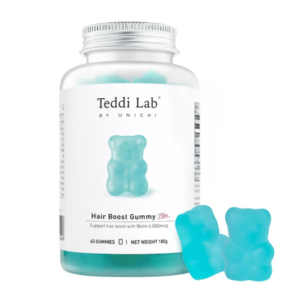
Unichi – Teddi Lab® Gummy Bears Gummy Bears for Hair Growth Upgraded Sea Salt and Green Titanium Flavour 60 Capsules
Original price was: $170.00.$125.00Current price is: $125.00. Add to basket -
Sale!
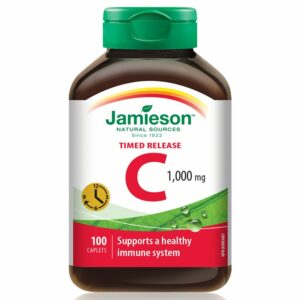
Jamieson – Long Lasting Vitamin C 1000mg 100 Tablets
Original price was: $138.00.$108.00Current price is: $108.00. Add to basket -
Sale!
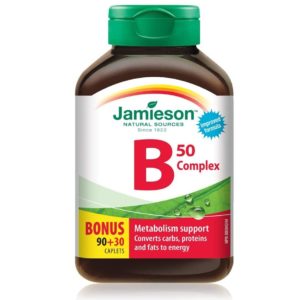
Jamieson – Natural Vitamins B complex 50 120 capsules
Original price was: $168.00.$98.00Current price is: $98.00. Add to basket -
Related Post:
![母親用滴管把少量植物藻油滴在食物匙上,幼兒坐在餐桌旁]()
A Complete Guide to Plant-Based Algae Oil Omega-3: Odorless, Vegetarian, and Suitable Omega-3 Choices for Pregnant Women and Infants
![牛樟芝子實體與膠囊製品示意]()
What is Antrodia camphorata? A complete guide to its ingredients, research evidence, and precautions for consumption.
![世界心臟日護心飲食場景,香港中年夫婦享用豆漿、豆腐、雞蛋與堅果,旁有心臟及細胞膜卡通示意]()
World Heart Day: Heart Health in Hong Kong Starts with Daily Life | What are the Benefits of Lecithin? Which of Three 1200mg Products to Choose From?
![香港關節健康洞察報告封面:中年及長者在香港步行]()
How to choose joint health supplements? 8 best-selling formulas and repurchase information help you find the right daily option.