
































































What vitamins should be supplemented for anemia (blood deficiency)? Folic acid, B9, and B12.
The "blood deficiency" you mentioned usually refers to "anemia" in nutrition articles—insufficient red blood cells or hemoglobin, which can cause fatigue, dizziness, and shortness of breath. If the anemia is megaloblastic anemia, caused by a deficiency of folic acid (B9) or B12, supplementing with these two vitamins is indeed key; however, there are many causes of anemia (iron deficiency, blood loss, chronic diseases, etc.).Not all anemia can be resolved by supplementing with B vitamins.A blood test should be performed first to find the cause. Another important safety point is that folic acid supplementation alone may mask the nerve damage caused by B12 deficiency, which will be discussed in detail below.
- To summarize: The relationship between anemia and vitamins
- Folic acid (vitamin B9): the basis of red blood cell and DNA synthesis
- Vitamin B12: Helps with folic acid utilization and protects nerves.
- Why do deficiencies in both lead to megaloblastic anemia?
- Important safety reminder: Don't just supplement with folic acid.
- There are many causes of anemia; get a blood test first before supplementing.
- Food sources and purchasing advice
- When should you see a doctor (medical treatment guidelines)
- Product Recommendations
- Frequently Asked Questions (FAQ)
- Source of information
1. First, the conclusion: The relationship between anemia and vitamins.
- Folic acid and vitamin B12 are essential nutrients for red blood cell production, DNA synthesis, and cell division.A deficiency in either of these can cause red blood cells in the bone marrow to "not grow properly, have immature nuclei," yet be larger in size, resulting in megaloblastic anemia.
- However, anemia does not necessarily mean a deficiency in B9/B12.Iron deficiency anemia is the most common type, and supplementing with B vitamins is ineffective; iron supplementation is the correct approach.
- Safety first:If anemia is actually caused by a vitamin B12 deficiency, supplementing with folic acid alone will improve blood counts, but it will neglect the worsening nerve damage—this is why you should never supplement it on your own.
2. Folic acid (vitamin B9): the basis of red blood cell and DNA synthesis.
Folic acid (sometimes called vitamin B9) is a member of the water-soluble B vitamins. According to...Data from the National Institutes of Health (NIH)It acts as a coenzyme in the body in "single carbon transfer" for the synthesis of DNA and RNA; one of the folic acid-dependent reactions (methylating deoxyuridine to thymidine) is essential for normal cell division.
When folic acid is insufficient, the above reactions are impaired, leading to...Megaloblastic anemia(Characteristics include large, abnormally nucleated red blood cells), symptoms include weakness, fatigue, difficulty concentrating, irritability, headache, palpitations, and shortness of breath.
Folic acid is naturally found in many foods: dark green leafy vegetables (such as spinach), liver, asparagus, Brussels sprouts, legumes, fruits, nuts, eggs, dairy, meat, and grains; some countries also fortify grains with folic acid. For women trying to conceive or who are pregnant, adequate folic acid can help reduce the risk of neural tube defects (it is recommended to take an additional 400 mcg of folic acid daily from supplements or fortified foods when trying to conceive, as advised by a doctor).
3. Vitamin B12: Helps with folic acid utilization and protects nerves.
Vitamin B12 is involved in red blood cell production, nervous system health, and DNA synthesis. Your statement that "B12's role is to increase the body's utilization of folic acid" is supported by evidence: B12 is a coenzyme for methionine synthase, responsible for regenerating folic acid into an active form usable by cells; when B12 is insufficient, folic acid is trapped and unable to function effectively.
The key difference is:B12 deficiency not only affects the blood, but can also damage nerves.according toUK NHS GuidelinesNeurological symptoms associated with vitamin B12 deficiency include tingling and numbness in the hands and feet, vision problems, impaired memory and judgment, and mood disturbances (ranging from mild depression and anxiety to confusion). Some nerve damage may be irreversible once it occurs.
High-risk groups:Vegans (B12 is almost entirely found in animal-based foods), the elderly (whose absorption capacity is reduced, and pernicious anemia is the most common cause of B12 deficiency in the UK), and people taking certain medications long-term (such as proton pump inhibitors (PPIs) and antiepileptic drugs). Food sources of B12 include meat, fish, eggs, dairy products, and fortified foods.
4. Why do deficiencies in both lead to megaloblastic anemia?
This mechanism is accurate and has been preserved and organized as follows: WhenFolic acid and B12 deficiency, either simultaneously or individuallyIn this condition, DNA synthesis in nucleated red blood cells within the bone marrow is impaired, leading to a slowdown in red blood cell differentiation and reproduction, resulting in megaloblastic anemia. Simply put, impaired DNA synthesis causes red blood cells to have "immature nuclei but larger sizes," resulting in poor function and insufficient oxygen-carrying capacity, which in turn causes fatigue, dizziness, and shortness of breath.
5. Important Safety Reminder: Don't Just Supplement with Folic Acid
6. There are many causes of anemia; get a blood test before supplementing.
Anemia is just a symptom; the underlying causes are varied:
- Iron deficiency anemia(Most common): Often caused by iron deficiency in diet, menstrual blood loss, peptic ulcers or gastrointestinal bleeding, etc., iron supplementation is needed instead of B vitamins.
- Folic acid/B12 deficiencyAs mentioned above, this is a nutritional or malabsorption disorder.
- Anemia related to chronic disease or kidney diseaseHereditary anemia, acute or chronic blood loss, etc.
If the real cause is iron deficiency or internal bleeding, self-supplementing with B vitamins will not only be ineffective, but will also delay proper diagnosis and treatment.
7. Food Sources and Purchasing Recommendations
- Folic acid (B9):Dark green leafy vegetables (spinach, broccoli, Brussels sprouts), asparagus, beans, liver, fruits, nuts, eggs, dairy, and whole grains.
- B12:Meat, fish, eggs, dairy products, and fortified foods; vegans must obtain these from supplements or fortified foods.
If considering supplements: please noteIngredients, dosage and form—Folic acid comes in two forms: synthetic folic acid and active folic acid (5-MTHF); vitamin B12 is commonly found in cyanocobalamin and methylcobalamin. The tolerable upper intake level of synthetic folic acid for adults is approximately 1,000 mcg per day (considering supplements and fortified foods only). Long-term high doses should be under medical supervision. Products with third-party testing labels offer greater peace of mind.
8. When should you see a doctor (medical treatment guidelines)?
- Persistent fatigue, dizziness, and shortness of breath, which are not relieved by rest;
- Numbness or tingling in the hands and feet, changes in vision, or significant changes in memory or mood;
- If you suspect you have a vitamin B12 or folic acid deficiency, the NHS recommends seeing a GP as soon as possible for diagnosis based on symptoms and blood tests, as some neurological problems are irreversible.
- Pregnant women, the elderly, vegans, and those taking long-term medications are high-risk groups and should proactively undergo screening.
9. Product Recommendations
If you are confirmed (by a doctor or through testing) to have a folic acid/B12 deficiency and wish to use supplements as part of your daily maintenance or treatment, you can choose to use supplements labeled [specifically, the one mentioned].Ingredients, dosage, dosage form and third-party testingChoose products that also contain vitamin B12 (avoid using folic acid alone). Pregnant women, the elderly, or those currently taking medication should consult their doctor or pharmacist to confirm dosage and interactions.

10. Frequently Asked Questions (FAQ)
Are B vitamins effective for treating ischemia/anemia?
This treatment is only effective for megaloblastic anemia caused by folic acid or vitamin B12 deficiency. Iron deficiency anemia, the most common type, cannot be treated with B vitamin supplementation and requires iron supplementation. The correct approach is to first perform a blood test to determine the type of anemia.
What are the differences between folic acid and vitamin B12?
Both are involved in red blood cell production and DNA synthesis; however, B12 also protects the nervous system and helps cells utilize folic acid. B12 deficiency can cause neurological symptoms such as numbness and tingling in the hands and feet, while folic acid supplementation alone may mask this type of B12 deficiency.
Can folic acid alone improve anemia?
It is not recommended to do this on your own. If the true cause of anemia is B12 deficiency, folic acid supplementation alone may improve blood counts, but it may prevent potentially irreversible nerve damage. It is essential to have your B12 levels tested first, and let your doctor decide whether to supplement with folic acid as well.
Which foods contain folic acid and vitamin B12?
Folic acid: dark green leafy vegetables, liver, asparagus, beans, etc.; B12: meat, fish, eggs, dairy products, and fortified foods. Vegans have almost no natural sources of B12 and must rely on supplements or fortified foods.
11. Sources of information
- Office of Dietary Supplements, National Institutes of Health (NIH) — Folate (Folic Acid/Vitamin B9) Health Professional Fact Sheet
- The UK National Health Service (NHS) — Vitamin B12 or folate deficiency anemia
Disclaimer: This article is for health information purposes only and should not replace medical diagnosis and treatment. Vitamins and nutritional supplements are not drugs and should not be used to "treat, cure, or prevent" anemia or any disease. Anemia has various causes; please have a blood test and consult a doctor first. Do not treat anemia with folic acid alone, as this may mask the nerve damage caused by B12 deficiency. Product information is subject to the information displayed on the product page on the day of publication.
Related Products:
-
Sale!

Unichi – Teddi Lab® Gummy Bears Gummy Bears for Hair Growth Upgraded Sea Salt and Green Titanium Flavour 60 Capsules
Original price was: $170.00.$125.00Current price is: $125.00. Add to basket -
Sale!
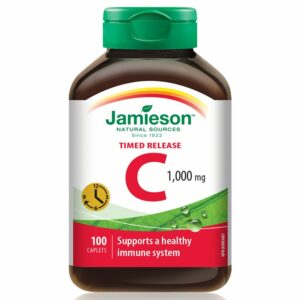
Jamieson – Long Lasting Vitamin C 1000mg 100 Tablets
Original price was: $138.00.$108.00Current price is: $108.00. Add to basket -
Sale!
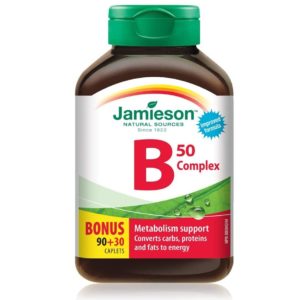
[Two or more bottles of $88] Jamieson – Natural Vitamin B Complex 50 120 capsules
Original price was: $168.00.$98.00Current price is: $98.00. Add to basket -
Related Post:
![香港成年人在家閱讀與休息,從日常習慣開始理解腦部健康]()
Hong Kong Brain Health Insight Report 2024–2025: Differentiating Fish Oil, Memory Formulas, and Vitamin B12 from 87 Products
![香港上班族在窗邊暫停看屏幕,讓雙眼休息並重新整理眼晴健康選擇]()
Eye Health Insight Report 2024-2025: Beyond Lutein – Fish Oil Accounted for 76.41% of Store Revenue Among 98 Products (TP4T)
![香港家庭查看空氣質素並整理呼吸健康資料]()
Hong Kong Respiratory Health Product Insight Report 2024–2025: Cough, Nasal Allergies, and Sore Throat Are Not the Same Thing
![香港家庭以飲食、活動及標籤閱讀規劃日常免疫健康]()
Hong Kong Immune System Health Product Insight Report 2024–2025: How to Choose Immune Health Products