















































Here's the answer:Coenzyme Q10 (CoQ10) is an antioxidant that the human body synthesizes naturally. It participates in energy production in cells such as the heart and has indeed received attention in nutrition and cardiovascular research. CoQ10 cannot replace medical treatment, medication, and lifestyle management. Whether supplementation is suitable should be discussed with a doctor first, especially for those who are taking cholesterol-lowering drugs (statins) or anticoagulants (such as warfarin).
Table of contents
- What is Coenzyme Q10?
- CoQ10 and Cardiovascular Health: What the Scientific Evidence Says
- Myths about antioxidants, "50 times" and "younger"
- Do we need more supplements as we get older?
- Interactions with cholesterol-lowering drugs (statins) and anticoagulants
- Food sources and supplement precautions
- When should I see a doctor?
- Frequently Asked Questions (FAQ)
- Source of information
- Disclaimer
What is Coenzyme Q10?
Coenzyme Q10 (also known as ubiquinone) is a substance found in human cells, mainly located in mitochondria (the cell's "energy factory"), which helps cells produce energy (ATP). It is also an antioxidant that helps protect cells from free radical damage.Mayo Clinic points outCoQ10 is synthesized naturally by the human body and can also be obtained in small amounts from the diet.
Common food sources include meat, fish, and nuts. However, it's important to note that these foods typically contain relatively low levels of CoQ10.InsufficientIt significantly increases the level of CoQ10 in the body; however, it is still mainly synthesized by the human body itself.
CoQ10 and Cardiovascular Health: What the Scientific Evidence Says
Claims circulating online that "CoQ10 supplementation can reduce the incidence of cardiovascular problems" and "almost all evidence shows it can improve myocardial function" are too absolute and need to be revised.
- Heart failure (weak heart):Mayo Clinic compiledStudies have shown that CoQ10 "may" improve symptoms of congestive heart failure; however, this is an auxiliary study for diagnosed patients and not a "prevention" of heart disease in the general population.
- blood pressure:Some studies suggest that CoQ10 may help lower blood pressure, but the Mayo Clinic also states that "results are mixed" and there is no definitive conclusion yet.
- It cannot replace treatment:Whether for prevention or assistance, CoQ10...It should not be regarded asDrug alternatives. According to... UK NHS Coronary GuidelinesThe most reliable way to protect your heart is to maintain a balanced diet, exercise regularly, not smoke, control cholesterol and blood sugar, and take medication prescribed by your doctor when necessary.
Do we need more supplements as we get older?
The original text states that the total CoQ10 content in the human body peaks around age 20 and then declines with age, concluding that "the older you get, the more you need to supplement." Here, it's important to clarify:
- Age and body mass:Studies have observed that CoQ10 levels in the body may decline with age, which is the background fact.Mayo Clinic also mentionedPeople with heart disease or those taking cholesterol-lowering drugs (statins) may have lower CoQ10 levels.
- The statement "the more it needs to be replenished" cannot be directly inferred.A decline in bodily fluid levels does not mean that every senior citizen "must" take supplements. The body can synthesize these fluids on its own, and whether or not additional supplementation is needed depends on diet, health condition, medication, and doctor's assessment. "Old age" should not be used as a reason for supplementation.
Interactions with cholesterol-lowering drugs (statins) and anticoagulants
Here are the most noteworthy and practical tips for CoQ10:
- Statin (cholesterol-lowering drug):Statin medications, while lowering cholesterol, may also reduce CoQ10 levels in the body. Some studies have explored whether CoQ10 supplementation can help alleviate statin-induced myopathy, but the evidence is insufficient. If you experience muscle weakness or pain after taking statin, you should...Consult a doctorInstead of adding supplements on your own.
- Anticoagulant (warfarin):Mayo Clinic ReminderCoQ10 may reduce the effectiveness of anticoagulants such as warfarin, thereby increasing the risk of blood clots. Those currently taking anticoagulants should inform their doctor or pharmacist before supplementing with CoQ10.
Food sources and supplement precautions
CoQ10 is present in most people's daily diet, for example:
- Meat (especially offal and red meat)
- Fish (such as sardines and tuna)
- Nuts and seeds
If you are considering taking it as a supplement, please keep the following principles in mind:
- Ingredients and content are subject to the actual product label:Different brands have very different dosage forms (capsules, tablets, liquid) and contents. When purchasing, refer to the information on the product page and label on the day of purchase.
- Supplements are not medicines:It cannot diagnose, treat, or prevent any disease, nor should it replace a balanced diet and doctor's advice.
- Consult before taking:Especially those with cardiovascular disease, pregnant or breastfeeding women, those currently taking medications (statin, warfarin, hypoglycemic drugs, etc.) or those scheduled for surgery.
- Pregnancy and breastfeeding period:Mayo Clinic points out that the medical community has not yet determined the long-term safety of CoQ10 during pregnancy or breastfeeding, and a doctor's consent should be obtained before use.
When should I see a doctor?
Rather than rushing to add more information, it's more important to consider the following situations:Seek medical attention first(refer to NHS Coronary Artery Disease Guidelines):
- Chest tightness, chest pain (angina pectoris)
- Shortness of breath, pain in the neck or shoulder
- Palpitation, dizziness, fainting
- Known high cholesterol, high blood pressure, or diabetes but not under control
- Significant muscle pain occurred after taking statin.
These are all situations that should be assessed and handled by a doctor and should not be replaced by health information or supplements.
Frequently Asked Questions (FAQ)
1. Can taking CoQ10 prevent heart disease?
Studies on CoQ10 have largely focused on its supportive role in specific patients, such as those with heart failure, and its "preventative" effects on the general population remain inconclusive. The most effective ways to protect the heart are through diet, exercise, not smoking, and controlling high blood pressure, high cholesterol, and high blood sugar, in conjunction with medication prescribed by a doctor when necessary.
2. Can CoQ10 really improve myocardial function?
Some studies suggest that CoQ10 may improve symptoms in patients with heart failure, but the results are mixed and it is only an adjunct therapy, not a guarantee of "heart strengthening" for everyone.
3. Why is it said that CoQ10 has 50 times the antioxidant power of Vitamin E?
CoQ10 does have antioxidant properties.
4. I am taking cholesterol-lowering medication (statin). Do I need to supplement with CoQ10?
Statin may lower CoQ10 levels in the body, but whether or not supplementation is necessary should be determined by a doctor. If you experience muscle pain or other discomfort after taking the medication, please inform your doctor first and do not add supplements on your own.
5. Will CoQ10 interact with anticoagulants?
Yes. Studies have shown that CoQ10 may weaken the effects of anticoagulants such as warfarin and increase the risk of blood clots. Those currently taking anticoagulants should consult their doctor or pharmacist before supplementing.
6. Should all elderly people take CoQ10?
As we age, the level of CoQ10 in our bodies may decrease. Whether or not to supplement depends on diet, health status, and doctor's evaluation. Age should not be the only reason.
Source of information
- Mayo Clinic — Coenzyme Q10 (Overview, Research, and Interactions of Coenzyme Q10 Supplements)
- NHS — Coronary heart disease: symptoms, prevention and treatment
- American Heart Association (AHA) — Health Topics (Cardiovascular Health)
Disclaimer
This article is for nutritional and health information purposes only and should not replace professional medical diagnosis, treatment, or advice. Coenzyme Q10 is a dietary supplement, not a drug, and should not be used to diagnose, treat, cure, or prevent any disease. If you have symptoms of cardiovascular disease or are taking medication (especially statins or anticoagulants), please consult your doctor or registered pharmacist first. Product ingredients, content, and specifications are subject to the information on the actual label and product page on the day of publication. External source links cited in this article were confirmed to be accessible before publication; if the content changes in the future, please refer to the latest announcement from the original organization.
Related Products:
-
Sale!
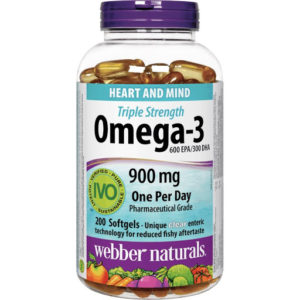
Webber Naturals – Triple Strength Omega-3 (900mg EPA / DHA) 200 capsules Value Pack
Original price was: $398.00.$280.00Current price is: $280.00. Add to basket -
Sale!

Kirkland Signature – Omega-3 Ultra Concentrated Deep Sea Fish Oil Capsules 1300mg 330 Capsules
Original price was: $350.00.$298.00Current price is: $298.00. Add to basket -
Sale!
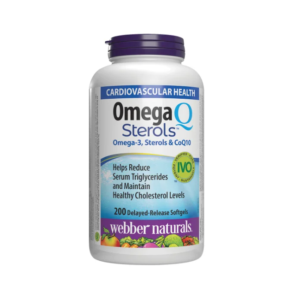
Vebogen – Omega 3 & Coenzyme Q10 & Phytosterols 200 Capsules
Original price was: $290.00.$245.00Current price is: $245.00. Add to basket -
Sale!

Webber Naturals – Omega-3 Mini Fish Oil Capsules 300mg 220 Softgels
Original price was: $198.00.$168.00Current price is: $168.00. Add to basket
Related Post:
![母親用滴管把少量植物藻油滴在食物匙上,幼兒坐在餐桌旁]()
A Complete Guide to Plant-Based Algae Oil Omega-3: Odorless, Vegetarian, and Suitable Omega-3 Choices for Pregnant Women and Infants
![牛樟芝子實體與膠囊製品示意]()
What is Antrodia camphorata? A complete guide to its ingredients, research evidence, and precautions for consumption.
![世界心臟日護心飲食場景,香港中年夫婦享用豆漿、豆腐、雞蛋與堅果,旁有心臟及細胞膜卡通示意]()
World Heart Day: Heart Health in Hong Kong Starts with Daily Life | What are the Benefits of Lecithin? Which of Three 1200mg Products to Choose From?
![香港成年人在家閱讀與休息,從日常習慣開始理解腦部健康]()
魚油、迷你膠囊還是B12?腦部健康熱銷8款的配方與日常選擇