



























































Osteoporosis is a disease caused by an imbalance in bone metabolism: when bone loss exceeds bone regeneration, bone quality and density decrease, making bones brittle and prone to fractures from minor impacts or falls. International Osteoporosis Foundation (IOF)Osteoporosis is one of the leading non-communicable diseases and the most common bone disease—one in three women and one in five men over the age of 50 worldwide will suffer a fracture due to osteoporosis. Its most challenging aspect is that it often goes unnoticed in its early stages, frequently only being discovered after a fracture. Gogo Herbs provides information on the causes and classifications of osteoporosis, risk factors, symptoms and consequences, diagnostic and screening recommendations, treatment and prevention methods, and how to choose bone-strengthening nutrients and supplements.
- What is osteoporosis?
- What are the different types of osteoporosis?
- Risk factors for osteoporosis
- Symptoms and consequences of fractures
- How is it diagnosed? Understanding bone mineral density testing
- Treatment and prevention of osteoporosis
- How to distinguish between bone-protecting nutrients and health supplements
- When should you consult a doctor?
- Gogo Herbs Bone Support Product Recommendation
- Frequently Asked Questions (FAQ)
- Source of information
1. What is osteoporosis?
Bones are not static "scaffolds," but rather living tissue that is constantly undergoing metabolism.osteoclastsIt can break down and absorb old bone tissue.osteoblastsThe body then produces new bone tissue; the two processes work together to maintain bone strength. When bone resorption consistently outpaces bone formation, bone tissue is lost, the pores within the bone enlarge, bone density decreases, and the bone structure becomes fragile—this is osteoporosis.
依 UK NHSOsteoporosis weakens and brittles bones, making them more prone to fracture. It develops slowly and is often only diagnosed after a fall or collision results in a fracture. It is called a "silent disease" because the process of bone loss is usually asymptomatic.
The most common fracture locations in osteoporosis includewrist, hip and spine(According to the NHS). Hip fractures have the greatest impact and will be discussed in detail below.
2. What are the different types of osteoporosis?
Clinically, it is generally classified according to its cause.Primary與SecondaryTwo main categories:
| Classification | illustrate |
|---|---|
| Primary |
|
| Secondary | Caused by other diseases, medications, or lifestyle factors. According to the NHS, common related factors include: long-term (more than 3 months) use of high-dose steroids, inflammatory diseases, hormone-related disorders, malabsorption problems, family history of hip fractures, long-term use of certain medications that affect bone or hormones, eating disorders, and low body mass index (BMI). |
One point to note: Although women are at higher risk (especially those who experience early menopause, i.e., before age 45, or who have had their oophores removed), according to the NHS,Osteoporosis can also affect men, younger women, and children.Therefore, it is not only elderly women who need to be careful.
3. Risk factors for osteoporosis
Comprehensive NHS 與 Osteoporosis Society of Hong Kong (OSHK)Based on the information provided, the following individuals should be particularly vigilant:
- age:Bone loss accelerates with age after age 50;
- Gender and Hormones:Women are at higher risk than men; women who have gone through menopause or entered menopause earlier experience particularly rapid bone loss.
- Being underweight:According to OSHK, a BMI below 19 is considered underweight and may reflect nutritional deficiencies.
- A fracture has occurred:People who have fractured due to osteoporosis have about twice the risk of fracture again compared to the general population (according to OSHK).
- Family history:Especially if one of the parents has had a hip fracture;
- drug:Long-term use of high-dose steroids for more than 3 months, or long-term use of other medications that affect bone/hormones;
- disease:Diseases affecting bone metabolism, hormone-related diseases, and malabsorption in the gastrointestinal tract;
- Lifestyle habits:Smoking, excessive drinking, excessive caffeine intake, lack of physical activity, prolonged bed rest, and insufficient sunlight exposure;
- Nutrition:Long-term insufficient intake of calcium and vitamin D; OSHK also recommends reducing high-salt and high-sugar diets.
In addition, the risks differ among different ethnic groups; local health education materials cite the IOF to indicate that Caucasians and Asians have a relatively higher chance of developing osteoporosis.
4. Symptoms and consequences of fractures
(1) There are usually no symptoms in the early stages.
According to the NHS, osteoporosis usually occurs before a fracture.It will not cause painHowever, spinal fractures are a common cause of chronic pain. When the vertebrae become fragile, even a cough or sneeze can cause rib fractures or spinal collapse; over time, some elderly people will experience...Hunchback (leaning forward)This posture is due to the spine being unable to support the body's weight. Other signs to watch out for include...Height has decreased significantly since his younger yearsAnd persistent lower back pain or neck and back pain.
(2) Consequences of falls and fractures
The biggest risk factor for osteoporosis is falls during periods of bone loss, with the most common injuries occurring to the hip, spine, and wrist. IOFHip fractures have particularly far-reaching consequences: the mortality rate within one year of a fracture can reach [missing information]. 20% to 24%Among the survivors, approximately 40% cannot walk independently.,about 33% Completely dependent on others or requires residency in a nursing facility。
The situation in Hong Kong also deserves attention. OSHK 2024 Clinical GuidanceCiting Hospital Authority data from 2018 to 2023, the mortality rate for patients with fragility fractures was:One year: 13.81 TP4T; Three years: 33.81 TP4T; Five years: 49.91 TP4TA long-term audit of 48,992 hip fracture surgery patients in local public hospitals also showed that the 30-day and one-year mortality rates were 3.01 TP4T and 18.61 TP4T, respectively. Meanwhile, the number of fragility fracture cases in Hong Kong rose from 5,596 in 2004 to 8,465 in 2018.An increase of 51.21 TP4T over 14 yearsThe number of fragility hip fractures also increased from 7,115 in 2018 to 7,552 in 2023.
Regarding local infection rates, figures from different sources vary slightly: Hong Kong Red Cross...Health Education MaterialsCiting data from local universities and advocacy organizations, it is indicated that approximately half of women aged 65 and above in Hong Kong suffer from osteoporosis; data from local hospitals shows that women aged 65 and above have approximately 451 TP4T, while men of the same age have approximately 131 TP4T, with the prevalence rate among men aged 65 and above also exceeding 20%. Regardless of which set of figures is used...Women and the elderly are the groups at highest risk.。
5. How is it diagnosed? Understanding bone mineral density testing
The diagnosis of osteoporosis is mainly through...Dual-energy X-ray absorptiometry (DXA/DEXA)Examination. According to OSHK, DXA remains the primary diagnostic tool for osteoporosis.Gold StandardIt is also the only method that can classify bone mineral density according to the World Health Organization (WHO) standards using T-values; the recommended measurement site is...Femoral neck, total hip and lumbar spineAccording to the NHS, the examination process is short and painless, generally taking about 10 to 20 minutes. Some ultrasound bone screenings can provide a preliminary assessment, but a definitive diagnosis still requires DXA (Direct Surface Angiography).
The test results will be as follows T valueThis is shown, and compared with bone mineral density in healthy young adults (according to the NHS):
| T value | Interpretation |
|---|---|
| Higher than -1 | normal |
| Between -1 and -2.5 | Osteopenia means that bone mass is below the age-average, but not to the extent of osteoporosis. |
| Below -2.5 | Osteoporosis |
The NHS also points out that doctors may use tools such as FRAX or Q-Fracture, along with age, gender, and bone mineral density results, to assess the risk of future fractures and then decide whether treatment is necessary.
Who should be tested?
依 OSHK 2024 Clinical Management GuidelinesThe suggestion is toAll women aged 65 or older, and men aged 70 or olderUniversal DXA screening should be implemented; if other osteoporosis risk factors are present, screening should be considered to begin at a younger age. OSHK estimates that implementing this screening could reduce approximately 5,234 hip fracture cases over the next 10 years.
6. Treatment and prevention of osteoporosis
(1) Lifestyle: Worth doing at all ages
依 NHS 與 OSHK's bone protection adviceIn daily life, you can start from the following aspects:
- Balanced diet:Ensure adequate intake of calcium and vitamin D. OSHK recommends that individuals at high risk of osteoporosis consume approximately [amount missing] daily. 1,000 mg calciumand dailyAt least 800 IU of Vitamin DThe NHS recommends that adults supplement daily. 10 micrograms (400 IU) of vitamin DFoods high in calcium, such as milk and cheese, and foods rich in vitamin D, such as salmon and sardines, are good choices.
- Habitual motion:OSHK recommends that generally healthy adults exercise weekly. 3 to 5 days, each session lasting approximately 30 minutes.inWeightlifting(Hiking, jogging, and climbing stairs) can help stimulate bone formation;Strength/weight trainingIt can strengthen muscles and bones, making it less likely to fracture bones even if you fall.
- Balance training:Tai Chi, yoga, and dancing can help improve posture, balance, and coordination, reducing the risk of falls.
- Reduce high-salt and high-sugar diets,andAvoid smoking and excessive drinking.(According to OSHK).
- Preventing falls:According to the NHS, after a diagnosis, one can start with home safety measures, such as removing clutter that could cause tripping, keeping floors dry, improving lighting, and having regular vision and hearing checks.
(2) Drug treatment: These are prescription drugs and require evaluation by a doctor.
If bone density is low, the doctor will recommend appropriate medication (based on OSHK) according to the degree of osteoporosis and fracture risk. Common categories include:
- Anti-bone resorption drugs:Examples include bisphosphonates, selective estrogen receptor modulators (SERMs, such as raloxifene), and RANKL inhibitors (denosumab).
- Bone formation drugs:For patients at extremely high risk of fracture, such as those with parathyroxine (teriparatide) or sclerosing protein inhibitors (romosozumab).
According to the OSHK 2024 guidelines, doctors will choose an appropriate treatment plan based on the risk level and advise patients.Consult your doctor every 1 to 2 years to review the treatment plan.To achieve maximum benefit. The "calcitonin" mentioned in the original text is now rarely used as a routine treatment option.
7. How to distinguish between bone-protecting nutrients and health supplements?
Bone-protecting health productsDaily nutritional supplements,It cannot replace a balanced diet, lifestyle habits, and medical treatment.Those diagnosed with osteoporosis must take medication according to a doctor's prescription. The following is a brief introduction to some common bone-protecting ingredients for your reference when purchasing.
Calcium
依 US NIH Office of Dietary Supplements (ODS)Calcium is a major component of bones, and insufficient intake will cause the body to "extract" calcium from bones to maintain blood levels. OSHK recommends that people at high risk of osteoporosis consume approximately 1,000 mg of calcium daily, primarily from food sources (milk, cheese, dairy products, dark green vegetables, soy products, and fish with bones). It's important to note that calcium...More is not necessarily better.Excessive supplementation may cause gastrointestinal discomfort and may also affect the absorption of other minerals. It is advisable to follow the recommended dosage and consult a doctor.
Vitamin D
依 NIH ODSVitamin D helps the body absorb calcium; vitamin D works together with calcium.It helps protect bones and prevent osteoporosis.Long-term deficiencies in vitamin D and calcium can make bones brittle and prone to fractures. Vitamin D deficiency can also lead to muscle weakness, and muscle strength and balance are crucial for preventing falls. The ODS (Optical Distribution System) also points out that older adults' skin's ability to produce vitamin D decreases, and those with insufficient sunlight exposure or less outdoor activity are also more susceptible to deficiency. The upper limit for daily vitamin D intake for adults is [insert value here]. 4,000 IU(Including food and supplements); supplements may have a slight effect on bone strength, while research on their effect on reducing the risk of falls or fractures is still ongoing. Daily intake can be achieved through sun exposure (several times a week, exposing the face and arms to sunlight for 10 to 20 minutes), oily fish, egg yolks, and foods fortified with vitamin D.
Magnesium
依 NIH ODSMagnesium plays a role in many bodily functions and also helps in the production of proteins, bones, and DNA.Magnesium is very important for bone healthStudies show that people who consume more magnesium have higher bone density, and increasing magnesium intake through food or supplements may help older women improve bone density; however, related research is still ongoing. Food sources include legumes, nuts, seeds, whole grains, and dark green vegetables. The daily upper limit for magnesium from supplements for adults is [missing information]. 350 mgExcessive consumption may cause diarrhea, nausea, and abdominal cramps. It is important to note that...Bisphosphonates (medications for treating osteoporosis) can affect absorption when taken with large amounts of magnesium.It must be taken at different times.
Vitamin K
依 NIH ODSVitamin K plays a role in blood clotting function andBone HealthBoth are important. Some studies show that people who consume more foods rich in vitamin K have stronger bones and a lower risk of hip fractures; a few studies have also found that vitamin K supplementation helps improve bone strength, but the results from different studies are inconsistent and more research is needed to clarify this. Food sources include dark green vegetables such as spinach, kale, broccoli, and lettuce, vegetable oils, fruits such as blueberries and figs, as well as soybeans, eggs, and cheese. Pay special attention to:If you are taking anticoagulants such as warfarin, your daily vitamin K intake must remain stable.Sudden and significant increases or decreases in dosage may affect the efficacy of the medication; it is essential to consult a doctor before taking it.
Vitamin C
依 NIH ODSThe body needs vitamin C to produceCollagenCollagen is an important component of bone matrix, therefore vitamin C is essential for bone health. It also helps the absorption of iron from plant-based foods. The daily upper limit for adults is [missing information]. 2,000 mgExcessive consumption may cause diarrhea, nausea, and stomach cramps. Food sources should primarily consist of fruits and vegetables, such as citrus fruits, red and green bell peppers, kiwifruit, broccoli, strawberries, and tomatoes.
Soy isoflavones
依 NCCIH (United States)Soy isoflavones have a structure similar to estrogen, and studies have shown that...Soy isoflavones may have a positive effect on bone density in postmenopausal women.In the study, soy protein supplements were safe to use for up to 16 weeks, and soy extracts containing concentrated isoflavones were safe to use for up to 6 months; possible side effects included bloating, constipation, diarrhea, and nausea. Those with soy allergies should pay attention to labeling; pregnant women should not consume more than the usual amount of food.
Red Clover
依 NCCIH (United States)Red clover, like other plants containing isoflavones, is often promoted for women's health. However, research on bone density in postmenopausal women is limited and inconsistent, with relevant evidence still accumulating. In clinical studies, red clover extract has been used safely for 2 to 3 years with generally good tolerability. Due to its phytoestrogen content, concerns remain regarding its effects on hormone-sensitive tissues.Not suitable for pregnant or breastfeeding women。
Black Cohosh
依 NCCIH (United States)Black cohosh is mainly studied for its use in medicine.Menopausal symptomsIt is not primarily used for bone health; it may be added to some compound products. Overall, it is well-tolerated, although there have been...Reports of liver damage (rare cases, and causation could not be established)Some products have also been found to have ingredients that do not match the label.Not suitable for pregnant or breastfeeding womenIf you experience dark urine, unusual fatigue, or other symptoms after taking the medication, consult a doctor immediately.
- Health supplements are not medicines:Osteoporosis is a disease that requires diagnosis and prescription treatment by a doctor. Supplements are only for daily nutritional support and cannot replace medication, nor should they be used to treat or prevent the disease.
- Be aware of drug interactions:Minerals such as calcium and magnesium can affect the absorption of bisphosphonates and must be taken at different times; those taking anticoagulants should maintain a stable intake of vitamin K; iron and calcium should also be taken at different times.
- Follow your doctor's instructions and do not stop taking medication on your own:If you are undergoing treatment for osteoporosis, you should discuss any supplements with your doctor or pharmacist before adding them.
8. When should you consult a doctor?
Early detection of osteoporosis is crucial. If any of the following symptoms occur, it is recommended to seek medical attention as soon as possible:
- The height has decreased significantly compared to when they were younger, or they may develop a hunchback or a forward-leaning posture;
- Persistent lower back pain, neck and back pain, or spinal pain, especially without obvious external injury;
- A fracture has occurred due to a minor fall or collision (i.e., a "fragility fracture").
- Women aged 65 or older and men aged 70 or older who have never had a bone mineral density test;
- Younger individuals with risk factors: long-term steroid use, parental history of hip fracture, underweight (BMI below 19), early menopause, smoking, or heavy alcohol consumption;
- If you have been diagnosed with osteoporosis and are experiencing new pain or discomfort, or have questions about your treatment plan (Do not stop taking the medication on your own.)。
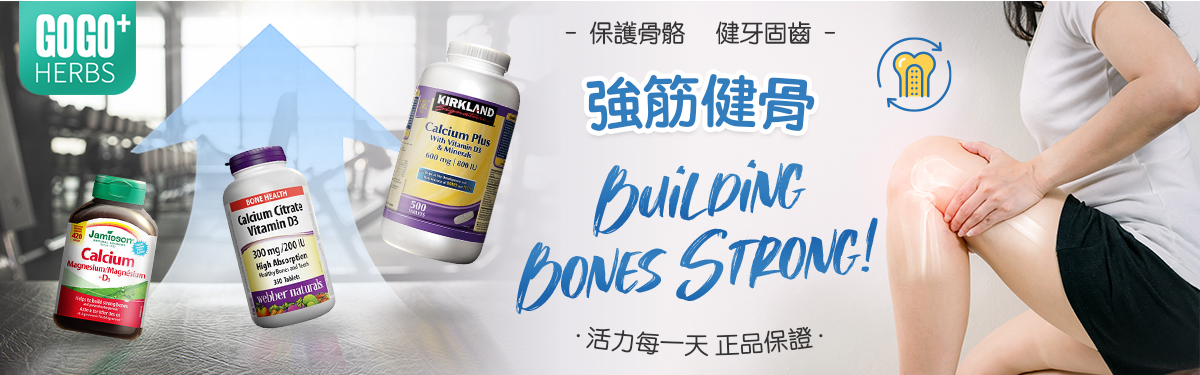
9. Gogo Herbs Bone Support Product Recommendation
The following are Gogo Herbs' selection of bone-strengthening products. (Health supplements belong to...)Daily nutritional supplementsIt cannot replace a balanced diet and a healthy lifestyle, nor should it be used to treat or prevent diseases; those who have been diagnosed with osteoporosis or are currently taking prescription medications should consult a doctor or pharmacist before purchasing.
10. Frequently Asked Questions (FAQ)
Does osteoporosis have symptoms? Why is it called a "silent disease"?
Bone loss is often asymptomatic. According to the NHS, osteoporosis generally does not cause pain before a fracture, so many people only learn they have the disease after a fall or collision that results in a fracture. As the vertebrae become fragile, persistent lower back pain, decreased height, and even kyphosis (forward leaning) may occur; however, these signs usually become apparent later in the process.
Does osteoporosis only occur in women?
No. Women are indeed at higher risk, especially those who experience early menopause (before age 45) or have had their oophores removed, but according to the NHS, osteoporosis can also have an impact.Men, younger women and childrenAccording to the International Organization for Research and Development (IOF), among people aged 50 and over worldwide, one in three women and one in five men will suffer a fracture due to osteoporosis, so men should not be complacent either.
At what age should one have a bone density test?
According to the 2024 Clinical Management Guidelines of the Osteoporosis Society of Hong Kong (OSHK), it is recommended that...All women aged 65 or older, and men aged 70 or olderPerform DXA screening; if other risk factors are present (such as long-term steroid use, parental history of hip fracture, being underweight, early menopause, smoking, or heavy alcohol consumption), consider earlier testing. The DXA test is short and painless, generally taking about 10 to 20 minutes.
Will drinking more milk and taking more calcium supplements prevent osteoporosis?
Calcium and vitamin D are fundamental for bone health, but bone strength is also affected by factors such as exercise, hormones, weight, smoking, and alcohol consumption. According to OSHK, preventing osteoporosis requires...A balanced diet (with sufficient calcium and vitamin D), regular weight-bearing exercise, strength and balance training, and quitting smoking and limiting alcohol consumption are all essential.A combination of factors is needed; more calcium is not necessarily better, as excessive supplementation may cause gastrointestinal discomfort. High-risk individuals should consult a doctor first to determine if further testing is necessary.
If someone already has osteoporosis, can it still be improved?
Early intervention is crucial. According to the International Organization for the Study of Osteoporosis (IOF), osteoporosis is a diagnosable, preventable, and treatable disease. Treatment includes: appropriate medication prescribed by a doctor based on fracture risk; adequate calcium and vitamin D supplementation; weight-bearing exercises and muscle strengthening training; and improving the home environment to prevent falls. According to the Society for the Study of Osteoporosis (OSHK), patients should have their treatment plan reviewed with their doctor every 1 to 2 years.Follow your doctor's instructions for medication and do not stop taking the medication on your own.。
Can people with osteoporosis exercise?
Moderate exercise is an important part of bone health. According to OSHK, it is recommended that generally healthy adults exercise 3 to 5 days a week for about 30 minutes each time, including...Weightlifting(Hiking, jogging, climbing stairs) to stimulate bone formation,Strength/weight trainingTo improve bone and muscle strength, andBalance training(Tai Chi, yoga, dancing) can reduce the risk of falls. If you have been diagnosed with osteoporosis, have had a fracture, or have heart disease, joint problems, etc., you should consult a doctor or physical therapist before starting a new exercise program.
11. Sources of information
- International Osteoporosis Foundation (IOF) — Epidemiology (Osteoporosis is a major non-communicable disease, affecting one-third of women and one-fifth of men worldwide)
- International Osteoporosis Foundation (IOF) — World Osteoporosis Day: Fragility Fracture Burden (Hip fracture mortality and functional loss data)
- The UK National Health Service (NHS) — Osteoporosis (causes, risk factors, T-score diagnostic criteria, treatment and prevention)
- The UK National Health Service (NHS) — 8 tips for healthy eating (balanced diet and salt intake recommendations)
- Osteoporosis Society of Hong Kong (OSHK) — Official website (2024 Hong Kong Clinical Management Guidelines for Postmenopausal Osteoporosis, Local Fracture Data and Risk Factors)
- Osteoporosis Society of Hong Kong (OSHK) — Public information website: Osteoporosis prevention (daily calcium 1,000 mg, vitamin D at least 800 IU, exercise and diet recommendations)
- Hong Kong Red Cross Health education leaflet: Bone health (prevalence of bone disease among women aged 65 and over in the local population, cited from IOF data)
- The Office of Dietary Supplements (ODS) of the US National Institutes of Health — Calcium (and bone health)
- The Office of Dietary Supplements (ODS) of the US National Institutes of Health — Vitamin D (Vitamin D is related to calcium absorption and osteoporosis; maximum limit is 4,000 IU)
- The Office of Dietary Supplements (ODS) of the US National Institutes of Health — Magnesium (magnesium and bone mineral density, upper limit and drug interaction)
- The Office of Dietary Supplements (ODS) of the US National Institutes of Health — Vitamin K (Vitamin K interacts with bones and warfarin)
- The Office of Dietary Supplements (ODS) of the US National Institutes of Health — Vitamin C (Vitamin C and collagen, maximum 2,000 mg)
- The National Center for Complementary and Integrative Health (NCCIH) — Soy (Soy Isoflavones and Bone Density in Postmenopausal Women, Safety)
- The National Center for Complementary and Integrative Health (NCCIH) — Current status and safety of Red Clover research
- The National Center for Complementary and Integrative Health (NCCIH) — Black Cohosh (Uses and Liver Safety Reminders)
Disclaimer: This article is for health information purposes only and should not replace medical diagnosis and treatment. Osteoporosis is a disease that requires diagnosis, evaluation, and prescription treatment by a doctor. Health supplements are for daily nutritional support, not medication, and should not be used to "treat, cure, or prevent" any disease, nor can they replace a balanced diet, exercise, and prescribed medications. Anti-osteoporosis medications must be taken as directed by your doctor; do not stop taking them or adjust the dosage on your own. If you experience a significant decrease in height, persistent back pain, kyphosis, or have fractured a bone from a minor fall, please consult a doctor as soon as possible. If you experience severe pain after a fall, are unable to stand, or bear weight, seek immediate medical attention (in Hong Kong emergencies, please call 999). Pregnant women, breastfeeding mothers, children, the elderly, and those taking prescription medications should consult a doctor or pharmacist before taking any supplements. Product information (ingredients, content, and specifications) is subject to the information displayed on the product page on the day of purchase.
Related Products:
-
Sale!
![【門市低至$238】維柏健 - 健骨至尊 葡萄糖胺軟骨素膠囊 (500/400毫克) + D3 [特強配方] 300粒](https://gogoherbs.com/wp-content/uploads/2019/10/Glucosamine-3-1-300x300.png)
[Price as low as $238 in stores] Vepogen – Bone Strengthening Supreme Glucosamine Chondroitin Capsules (500/400 mg) + D3 [Extra Strong Formula] 300 capsules
Original price was: $298.00.$260.00Current price is: $260.00. Add to basket -
Sale!
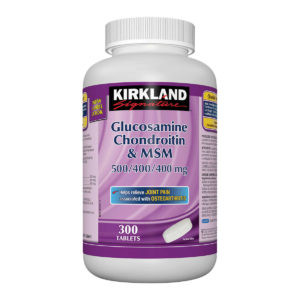
Kirkland Signature – Glucosamine & Chondroitin & MSM 500/400/400mg 300 Capsules
Original price was: $330.00.$258.00Current price is: $258.00. Add to basket -
Sale!
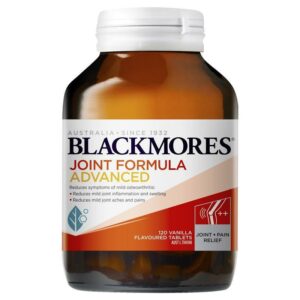
BLACKMORES – Joint Care Formula 120 capsules
Original price was: $258.00.$208.00Current price is: $208.00. Add to basket -
Sale!
![【平均$255/1】【門市低至$238】維柏健 - 健骨至尊 葡萄糖胺軟骨素膠囊 (500/400毫克) + D3 [特強配方] 300粒 x 3樽](https://gogoherbs.com/wp-content/uploads/2023/09/圖片_20260205165446_1856_1-300x300.jpg)
[Average $ 255/1] [Local price as low as $ 238] Vepogen – Bone Strengthening Supreme Glucosamine Chondroitin Capsules (500/400 mg) + D3 [Extra Strong Formula] 300 capsules x 3 bottles
Original price was: $894.00.$765.00Current price is: $765.00. Add to basket
Related Post:
![母親用滴管把少量植物藻油滴在食物匙上,幼兒坐在餐桌旁]()
A Complete Guide to Plant-Based Algae Oil Omega-3: Odorless, Vegetarian, and Suitable Omega-3 Choices for Pregnant Women and Infants
![牛樟芝子實體與膠囊製品示意]()
What is Antrodia camphorata? A complete guide to its ingredients, research evidence, and precautions for consumption.
![世界心臟日護心飲食場景,香港中年夫婦享用豆漿、豆腐、雞蛋與堅果,旁有心臟及細胞膜卡通示意]()
World Heart Day: Heart Health in Hong Kong Starts with Daily Life | What are the Benefits of Lecithin? Which of Three 1200mg Products to Choose From?
![香港成年人在家閱讀與休息,從日常習慣開始理解腦部健康]()
魚油、迷你膠囊還是B12?腦部健康熱銷8款的配方與日常選擇