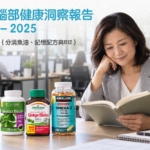
To maintain healthy, elastic skin and "delay aging," no single health supplement can achieve this. Skin condition primarily depends on…Genetics, age, sun protection, sleep, balanced diet and not smokingAnd other everyday factors. Vitamin E, collagen (collagen peptides), and vitamin C each have scientifically established roles in skin health, but they are mostly "supportive" rather than "therapeutic" or "guaranteed effective." This article summarizes their actual effects, levels of evidence, and which claims should be questioned.
Medical Boundary Reminder:This article provides nutritional and skin care information and is not medical advice, nor can it replace a doctor's diagnosis and treatment. If you have any of the following conditions, please consult a doctor or dermatologist first: you have been diagnosed with premature ovarian failure or any hormone-related disorder, you have chronic skin problems (dullness, pigmentation, eczema, allergies), you are pregnant or breastfeeding, you are taking anticoagulant medications (such as warfarin), or you plan to take any supplements at high doses for a long period of time.
Table of contents
- 1. Vitamin E (tocopherol): Antioxidant, but not a guarantee of "restoring elasticity".
- 2. Collagen (collagen powder/peptides): Limited evidence for supplementation.
- 3. Vitamin C: Assists in collagen synthesis and has antioxidant properties, but it is not a "delaying aging" agent.
- 4. How to combine the three: based on diet
- 5. When should I see a doctor?
- 6. Frequently Asked Questions (FAQ)
- 7. Sources of information
1. Vitamin E (tocopherol): Antioxidant, but not a guarantee of "restoring elasticity".
Vitamin E, chemically known as tocopherol, is a group of fat-soluble antioxidant compounds. It is an important antioxidant in the human body, helping to protect cells from free radical damage and participating in the regulation of immune and vascular function. Nuts, seeds, vegetable oils (such as sunflower seed oil and wheat germ oil), and dark green vegetables are good food sources.
In terms of skin, the antioxidant properties of vitamin E may help reduce oxidative stress caused by external environmental factors such as ultraviolet radiation and air pollution.However, statements like "clearing free radicals can restore skin elasticity" are overly simplistic.Skin elasticity mainly depends on the amount of collagen and elastin, which naturally decline with age. Vitamin E alone cannot "restore" the lost elasticity.
The claim that "you can take vitamin E if you have premature ovarian failure"
The original text mentions that "women with premature ovarian failure can take vitamin E to improve their skin and restore elasticity." Here, it's important to clarify:
- Premature ovarian failure is a medical conditionWhether or not vitamin E supplementation is needed, and what dosage to take, should be assessed by an obstetrician-gynecologist or reproductive medicine doctor. You should not treat vitamin E as a routine maintenance measure on your own.
- There is currently no reliable evidence that vitamin E supplementation can "improve" skin changes associated with premature ovarian failure. Claiming that it "restores elasticity" is inaccurate.
- There is an upper limit to vitamin E supplementation: the daily limit for adults is approximately 1,000 mg (alpha-tocopherol). High doses may increase the risk of bleeding and interact with anticoagulants. Most people can obtain sufficient amounts through their diet.
Key points:Vitamin E is a legitimate antioxidant nutrient, but claims that it "improves skin elasticity and helps prevent premature ovarian failure" are unproven. Those with related health conditions should consult their doctor.
2. Collagen (collagen powder/peptides): Limited evidence for supplementation.
Collagen is the most abundant protein in the human body, accounting for about 30% of total protein. It is the main supporting structure of skin, muscles, bones, and connective tissue, providing the skin with structure, strength, and elasticity. As we age, the body naturally loses collagen, which may make the skin appear looser and less hydrated.
Oral collagen products are mostly "collagen peptides (hydrolyzed collagen)"—because whole collagen cannot be directly absorbed and must first be broken down into smaller peptides or amino acids. Studies show that oral collagen peptides have...Improving skin hydration and elasticity "may be helpful"However, the strength of the evidence is limited, and the effect varies from person to person.
A softened approach is needed.
- "Prevent skin aging"Aging is caused by multiple factors (age, ultraviolet radiation, sugar intake, smoking). Supplementing with collagen cannot "prevent" aging; it can only be considered as one part of supporting skin health.
- "Improves blood circulation"The evidence for a direct link between collagen and blood circulation is weak and it should not be used as a major selling point.
- The body doesn't "direct" the collagen you ingest to your face—it breaks it down into amino acids and peptides, which are then distributed throughout the body to where they are needed.
Instead of relying on supplements, a balanced diet (containing sufficient protein, vitamin C, zinc, copper, and manganese) allows the body to synthesize collagen on its own; not smoking and daily sun protection can further reduce collagen loss. The US FDA does not regulate dietary supplements as drugs, and the "effects" claimed on product labels may not be supported by sufficient research.
3. Vitamin C: Assists in collagen synthesis and has antioxidant properties, but it is not a "delaying aging" agent.
Vitamin C (L-ascorbic acid) is an important physiological antioxidant, and alsoEssential for the synthesis of collagen in the human bodyIt contains nutrients that, when deficient, can lead to poor wound healing and fragile connective tissue. It can also regenerate vitamin E, and the two complement each other in their antioxidant properties.
Regarding the skin, the roles of Vitamin C include:
- assists in collagen synthesisThis is part of the healthy structure of the skin.
- Inhibit melanin formationVitamin C can inhibit the activity of tyrosinase (an enzyme related to melanin production), thus helping to lighten dullness caused by sun exposure or inflammation and even out skin tone; it is a common brightening ingredient when used topically.
- AntioxidantReduce free radical damage caused by ultraviolet radiation and pollution.
but"Delay skin aging, anti-aging and whiteningSuch statements are too absolute. Vitamin C is a beneficial component of a healthy diet and skincare routine; it is not an "anti-aging miracle cure" and cannot replace sun protection and overall lifestyle habits. The recommended daily intake for adults is approximately 90 mg for men and 75 mg for women. Long-term intake exceeding the daily limit (2,000 mg for adults) may cause gastrointestinal discomfort, and patients with kidney stones or hemochromatosis should be especially cautious.
4. How to combine the three: based on diet
Vitamin E, collagen, and vitamin C are often discussed together because they have a complementary relationship in terms of "antioxidant + collagen support" (vitamin C assists in collagen synthesis and regeneration of vitamin E). But please remember:
- Diet priorityFoods rich in these three types of nutrients (colorful fruits and vegetables, nuts, seeds, fish, eggs, and legumes) should be the foundation; supplements only "fill in the gaps" and cannot replace a balanced diet.
- Supplements are non-pharmaceuticalsProduct ingredients, content, and dosage form are subject to the actual label; effects vary from person to person and do not represent effectiveness for everyone, nor is efficacy guaranteed.
- Sun protection and lifestyle habits are key.Daily sun protection, not smoking, getting enough sleep, and controlling sugar intake often have a greater impact on maintaining youthful skin than a single supplement.
- If you have any special health conditions (hormone-related diseases, autoimmune diseases, taking medication, pregnancy, or breastfeeding), please consult a doctor or registered dietitian before supplementing.
5. When should I see a doctor?
If you experience any of the following symptoms and health supplements are ineffective, please seek professional medical assistance:
- Already diagnosed or suspected of havingPremature ovarian failure, hormonal imbalanceIn cases of such conditions, one should consult an obstetrician/gynecologist or reproductive medicine specialist, who will determine whether nutritional interventions are necessary and appropriate.
- Obvious pigmentation, uneven skin tone, recurring inflammation or allergies—First, see a dermatologist to rule out problems such as melasma, eczema, and sun damage.
- skin in the short termRapid relaxation, jaundice, or other accompanying physical symptoms—This could be a warning sign of underlying health issues; you should consult a doctor for a checkup.
- If you are planning to take any supplements in long-term, high-dose doses, or are currently taking anticoagulants or immunosuppressive drugs.
6. Frequently Asked Questions (FAQ)
Q1: Does taking collagen powder really make the skin firmer?
Studies suggest that oral collagen peptides may help improve skin hydration and elasticity, but evidence is limited, effects vary from person to person, and they cannot prevent aging. A balanced diet, sun protection, and not smoking generally have a greater impact.
Q2: Can taking Vitamin E improve skin in people with premature ovarian failure?
This claim has not been supported by reliable research. Premature ovarian failure is a medical condition, and whether or not to supplement, as well as the dosage, should be assessed by a doctor. It is not recommended to use vitamin E as a preventative measure on your own. High doses of vitamin E also carry a risk of bleeding.
Q3: Can Vitamin C whiten skin and delay aging?
Vitamin C can help with collagen synthesis and inhibit melanin production, thus supporting an even skin tone; however, "delaying aging" is an overly absolute statement, and it cannot replace sun protection and overall lifestyle habits.
Q4: Can I take Vitamin E, collagen, and Vitamin C together?
These three vitamins complement each other logically in terms of "antioxidant + collagen support," and it is generally safe for healthy adults to obtain them simultaneously from their diet. If considering supplements, please note the upper dosage limits for each (1,000 mg/day for adults of Vitamin E and 2,000 mg/day for adults of Vitamin C), and consult a doctor or nutritionist first.
Q5: Are there any side effects or interactions to be aware of with these three types of supplements?
Dietary sources are generally safe; however, high-dose supplements pose risks—high doses of vitamin E increase the risk of bleeding and may interact with anticoagulants, while excessive vitamin C may cause gastrointestinal upset (those with kidney stones/hemochromatosis should exercise caution). Product labeling does not equate to pharmaceutical-grade certification.
Q6: What should you do first if you want to maintain youthful skin?
Prioritize the following: daily sun protection, not smoking and avoiding secondhand smoke, a balanced diet (adequate protein and fruits and vegetables), sufficient sleep, and moderate exercise. Supplements are only supplementary, not essential.
7. Sources of information
- NIH Office of Dietary Supplements — Vitamin E Fact Sheet (Vitamin E: Antioxidant Function, Food Sources, Daily Limit and Bleeding Risk)
- NIH Office of Dietary Supplements — Vitamin C Fact Sheet (Vitamin C: Collagen Synthesis, Antioxidant, Recommended Amount and Upper Limit)
- Cleveland Clinic — Collagen: What It Is, Types, Function & Benefits (Collagen Facts, Limited Evidence on Supplements, FDA Does Not Regulate Supplements)
Disclaimer
This article is for general nutrition and skin care reference only and does not constitute medical diagnosis, treatment, or prevention advice, nor can it replace professional medical advice. The effects and levels of evidence for the nutrients mentioned in this article are compiled based on publicly available medical resources such as the US NIH Office of Dietary Supplements and the Cleveland Clinic. Supplements are not medicines, and their effects vary from person to person; they do not guarantee efficacy. If you are undergoing treatment, pregnant or breastfeeding, taking medication, or have specific health conditions such as premature ovarian failure, please consult your doctor or registered dietitian before supplementing with any nutritional products. If you have any skin or health concerns, you should seek evaluation from a dermatologist or other relevant specialist.
Related Products:
-
Sale!
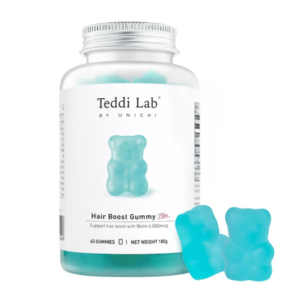
Unichi – Teddi Lab® Gummy Bears Gummy Bears for Hair Growth Upgraded Sea Salt and Green Titanium Flavour 60 Capsules
Original price was: $170.00.$125.00Current price is: $125.00. Add to basket -
Sale!
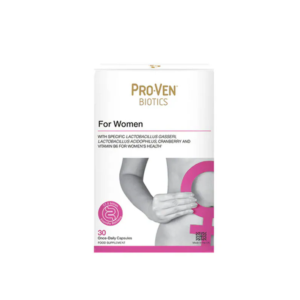
ProVen – Women's Dedicated Probiotic + Cranberry 3600 30 Capsules
Original price was: $198.00.$138.00Current price is: $138.00. Add to basket -
Sale!
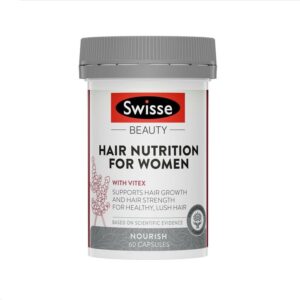
Swisse – Beauty Women's Hair Nutritional Capsules 60 Capsules
Original price was: $168.00.$118.00Current price is: $118.00. Add to basket -
Sale!
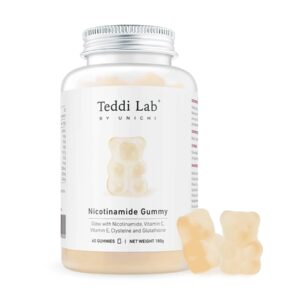
Unichi – Teddi Lab® Smokamine Whitening Gummy Bears Jasmine & Grapefruit Flavour 60 capsules
Original price was: $170.00.$125.00Current price is: $125.00. Add to basket
Related Post:
![母親用滴管把少量植物藻油滴在食物匙上,幼兒坐在餐桌旁]()
A Complete Guide to Plant-Based Algae Oil Omega-3: Odorless, Vegetarian, and Suitable Omega-3 Choices for Pregnant Women and Infants
![牛樟芝子實體與膠囊製品示意]()
What is Antrodia camphorata? A complete guide to its ingredients, research evidence, and precautions for consumption.
![世界心臟日護心飲食場景,香港中年夫婦享用豆漿、豆腐、雞蛋與堅果,旁有心臟及細胞膜卡通示意]()
World Heart Day: Heart Health in Hong Kong Starts with Daily Life | What are the Benefits of Lecithin? Which of Three 1200mg Products to Choose From?
![香港成年人在家閱讀與休息,從日常習慣開始理解腦部健康]()
Fish oil, mini capsules, or B12? Formulas and daily choices for 8 best-selling brain health products.