























































Vitamin C is probably the most common nutritional supplement in every household drawer. It is cheap, widespread, and available from almost every brand, which is why it is most easily misunderstood—some people think that eating more can "prevent colds," some think that the higher the dosage, the better, and some regard "sugar-free" and "natural" as synonyms for quality.
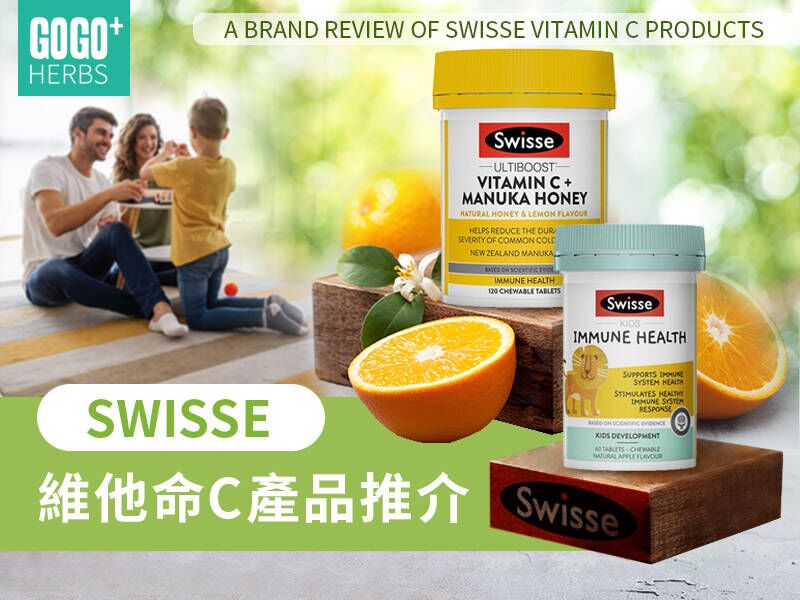
This article, based on official and academic sources, explains in order: what vitamin C actually does in the human body, the empirical evidence regarding its relationship with the common cold, the daily requirement and safe upper limit, how to understand product labels and dosage form differences, as well as the background of the Swisse brand and the specifications, usage, and safety information of its three vitamin C formulas (high-concentration effervescent tablets, vitamin C + Manuka honey chewable tablets, and children's immune health chewable tablets).
II. Vitamin C and the Common Cold: What Does Empirical Evidence Say?
III. What happens if intake is insufficient? Who belongs to a higher-risk group?
IV. Food Sources and Local Dietary Recommendations
V. Daily dosage? Recommended amount, upper limit, and timing of administration.
VI. How to Choose Vitamin C Products: Dosage Form and Label Interpretation
VII. Understanding Swisse: Brand Background and How to Pronounce "Certification"
8. Swisse Vitamin C Formula Analysis
IX. Safety Reminders and Drug Interactions
10. Frequently Asked Questions (FAQ)
XI. Sources of Information
I. What is Vitamin C? Four Actual Physiological Roles
Vitamin C (ascorbic acid) is aWater-soluble vitaminsWater solubility means the body doesn't store large amounts of it; excess is excreted in urine, therefore it's necessary to...Consume a stable amount of nutrients daily from your diet—But this also means that it is not as easy as fat-soluble vitamins to accumulate in the body to dangerous levels.
依US NIH Office of Dietary Supplements (ODS)According to the explanation, Vitamin C mainly plays the following roles in the human body:
- Antioxidant:It helps protect cells from damage caused by free radicals. Free radicals are compounds produced when the body converts food into energy; they are also generated by environmental factors such as tobacco smoke, air pollution, and ultraviolet radiation.
- Collagen synthesis:The body needs vitamin C to produce collagen—a protein required for wound healing and the structural basis of skin, blood vessel walls, gums, and connective tissue.
- Promotes iron absorption:Vitamin C can boostNon-heme iron in plant-based foodsThe absorption rate of iron is also improved. The Hong Kong Department of Health's Family Health Service also recommends that eating fruits and vegetables rich in vitamin C during or one to two hours after meals can promote the absorption of iron from plants.
- Support the normal functioning of the immune system:This is support at the level of "maintaining normal function," which is different from "taking vitamin C will prevent you from getting sick."
II. Vitamin C and the Common Cold: What Does Empirical Evidence Say?
The relationship between Vitamin C and the common cold is one of the most oversimplified aspects of this nutrient. NIH ODS The organization, in practice, can be divided into three levels:
- For most people, taking vitamin C supplements does not reduce the incidence of colds.
- However, people who take it regularly and frequently may experience slightly milder symptoms and a slightly shorter duration of illness when they do catch a cold.
- If you start taking it after you have cold symptoms, it will not help.
In other words, "taking it regularly" and "taking it only when your throat starts to hurt" are two different things; and "helping to shorten the course of illness" and "preventing colds" are completely different levels of claims.
Some products' official labels state that they "help reduce the duration and severity of cold symptoms"—this is permitted by the relevant authorities in Australia.Label claimsThis is not the same as "can prevent colds" or "can treat colds." When purchasing or reading, it's important to distinguish between these two categories.
III. What happens if intake is insufficient? Who belongs to a higher-risk group?
When the body consumes almost no vitamin C (less than about 10 mg per day) for several weeks, it may lead to…Scurvy.according to NIH ODSThe manifestations of scurvy include:
- Fatigue, low mood
- Inflamed, swollen and bleeding gums, loose teeth or even tooth loss
- Tiny red or purple spots (petechiae) appear on the skin.
- Joint pain, poor wound healing
- The hair is spiral-shaped (corkscrew hairs)
- It may be accompanied by anemia
Scurvy can be fatal if left untreated, but itQuite rare in modern societyThe real concern isn't "not eating enough," but rather whether the following groups are chronically deficient in food:
| ethnic groups | reason |
|---|---|
| Smokers and people who are frequently exposed to secondhand smoke | Smoke increases the body's need for Vitamin C to repair free radical damage; the NIH points out that smokers need more Vitamin C daily than non-smokers.35 mg more |
| People with a very narrow diet | Long-term insufficient intake of fruits and vegetables (e.g., severe picky eating, excessive dieting, or partial restrictive diet) |
| Infants fed with evaporated milk or boiled milk | Milk itself has a very low vitamin C content, and heating it will destroy it; it is not recommended for children under 1 year old to drink milk. |
| Patients with severe malabsorption, certain types of cancer, or kidney disease requiring hemodialysis | Problems with absorption or loss require medical evaluation. |
IV. Food Sources and Local Dietary Recommendations
Fruits and vegetables are the best sources of vitamin C, while animal foods contain virtually none. Common high-vitamin choices include: citrus fruits (oranges, grapefruits, tangerines), red and green bell peppers, kiwifruit, broccoli, strawberries, tomatoes, papaya, pineapple, guava, sugar beans, cauliflower, bitter melon, and potatoes.
依Hong Kong Centre for Food Safety: Nutrient Content of Fruits and VegetablesThe report stated that among the vegetables sampled locally, the vitamin C content ranged from 1.4 mg to 120 mg per 100 grams, with an average of about 26 mg. The vegetables with the highest content were bitter melon, broccoli, mustard greens, kale, and bean sprouts.
The Hong Kong Department of Health promotes "2 + 3 every day"Dietary guidelines—at least 2 servings of fruit and 3 servings of vegetables daily—generally provide sufficient vitamin C, and additional supplementation is not always necessary. For those with a balanced diet, fruits and vegetables are the first choice; the role of supplements is..."When food intake is insufficientFill in the gap.
Cooking and Storage: Vitamin C is sensitive to water, heat, and exposure to light.
- Avoid prolonged soakingVitamin C is water-soluble, and the longer it is soaked, the more it is lost.
- The heating methods are differentResearch by the Centre for Food Safety shows thatStir-frying results in less vitamin C loss than blanching.(Vitamin C dissolves into the water when blanching vegetables); Home health services recommend blanching, steaming, or stir-frying vegetables with a little oil.
- Fruit should not be exposed to air for an extended period of time after being cut.It is also not recommended to buy large bottles of supplements at once and store them for a long time—vitamin C itself is easily oxidized.
V. Daily dosage? Recommended amount, upper limit, and timing of administration.
Needs vary with age and physiological state. Below are two sets of official reference values, which can be compared with product labeling:
| object | NIH ODS (US RDA) | Chinese residents' DRIs (2023 version) RNI |
|---|---|---|
| adult male | 90 mg | Adults: 100 mg (adjusted during pregnancy and lactation) |
| adult women | 75 mg | |
| smokers | Based on the above, add 35 mg | — |
| Pregnancy | 85 mg | 115 mg in the second trimester and 125 mg in the third trimester. |
| Breastfeeding | 120 mg | 150 mg |
Safe upper limit: 2,000 mg per day for adults (all sources combined)
依 NIH ODSThe daily upper limit for vitamin C includes all intake from food, beverages, and supplements:
| Age group | Daily limit |
|---|---|
| 1–3 years old | 400 mg |
| 4–8 years old | 650 mg |
| 9–13 years old | 1,200 mg |
| 14–18 years old | 1,800 mg |
| aldult | 2,000 mg |
By looking at the upper limit and the recommended amount side by side, we can understand something that is often overlooked:The recommended daily intake for adults is approximately 751 mg per 100 mg, while a single tablet of a common high-concentration product contains 1,000 mg.This is not "exceeding the recommended amount"—1,000 mg is still within the upper limit for adults, but it is more than ten times the recommended amount. Because the absorption rate of water-soluble vitamins in the body decreases with increasing dosage, and the excess is mainly excreted in urine, the idea that "the higher the dose, the more effective" is not true.
VI. How to Choose Vitamin C Products: Dosage Form and Label Interpretation
| Dosage form | Features | Precautions |
|---|---|---|
| Tablets/capsules | Most common, with clear content labeling, and easy to carry | Some people have difficulty swallowing |
| Chewable tablets | It tastes good and is suitable for people who are not good at swallowing medicine and children. | It often contains sweeteners and acidulants; "sugar-free" does not mean no sweeteners. |
| Effervescent tablets | It dissolves in water, is quickly absorbed, and tastes good. | High sodium contentNote the daily intake and drink immediately after dissolving. |
| Powder/Liquid | Dosage can be adjusted flexibly | You need to measure it yourself; the stability is low after opening. |
When selecting, it is recommended to check these items in order:
- Check the actual content of each servingInstead of the large lettering on the bottle (numbers such as "1500" and "2000" often indicate the total quantity of the bottle or marketing information).
- Check sodium contentEffervescent tablets rely on ingredients like sodium bicarbonate to produce bubbles, and their sodium content is not low. Taking Swisse high-concentration effervescent tablets as an example, their official label specifies the recommended daily dose.Contains 297 mg of sodium—People who need to control their sodium intake should be included in the calculation.
- Check sugar and sweetenersProducts labeled "no added sugar" or "99.9% sugar-free" usually still contain sweeteners such as sucralose and sorbitol, which may be of concern to those with sensitive stomachs.
- Allergen testing and applicable subjectsSome products contain gluten, soy, sulfites, or honey, each of which is unsuitable for certain groups.
- Avoid cumulative exceedancesIf you are taking multivitamins, vitamin C, and vitamin C drinks or effervescent tablets at the same time, add up the contents of each to ensure that they do not exceed the upper limit.
- Source and labeling completeChoose brands that clearly label the manufacturer, batch number, and expiration date; brands with third-party testing information are even better.
VII. Understanding Swisse: Brand Background and How to Pronounce "Certification"
Swisse is a well-known Australian health supplement brand among many Hong Kong families. According to official Swisse brand information, the following background information can be verified:
- 1969Founded in Melbourne, Australia, Kevin Ring initially sold pollen tablets locally before expanding to include vitamins and nutritional supplements.More than 50 years。
- In 1991, the company launched Women's Ultivite, which has since expanded to include men's, children's, beauty, immune, and lifestyle products.
- 2015Joined the H&H Group, and products are sold in many countries and regions.
Regarding the common phrase "certified by authoritative bodies," the following method is recommended for interpretation, as it is more accurate than simply looking at the logo:
- The Australian TGA's system:Most health foods belong to AUST L (List)Manufacturers self-certify compliance with regulations, and the competent authorities do not evaluate the effectiveness of each certification; only AUST R (Register)Only then does it require a complete evaluation of safety, quality, and efficacy. Therefore, "passing TGA certification" should be understood as...Legally listed, ingredients and manufacturing comply with regulationsIt is not "the efficacy has been recognized by the government".
- The cGMP mark is not equivalent to FDA certification.The FDA only sets Good Manufacturing Practices and oversees post-market surveillance.We do not provide certification or approval for individual health food products.Swisse's official US website also explicitly states this—the products are manufactured in FDA-registered, GMP-certified facilities, but the FDA does not provide certification or approval.
- Each product claiming "no added artificial colors" needs to be verified individually.A brand's overall claims do not mean that every product is the same. Taking the three products in this article as examples, the official labels state different wording such as "no added artificial colors/flavors" and "no added artificial colors," and also list the sweeteners and other ingredients contained. The actual situation is subject to the ingredient list of each product.
VIII. Swisse Vitamin C Formula Analysis
The following is a compilation of Vitamin C formulas based on Swisse's official product labeling. The content focuses on ingredients, specifications, usage, and precautions for easy verification against the information on the packaging.
1. Swisse – High Concentration Vitamin C 1000mg 150 tablets
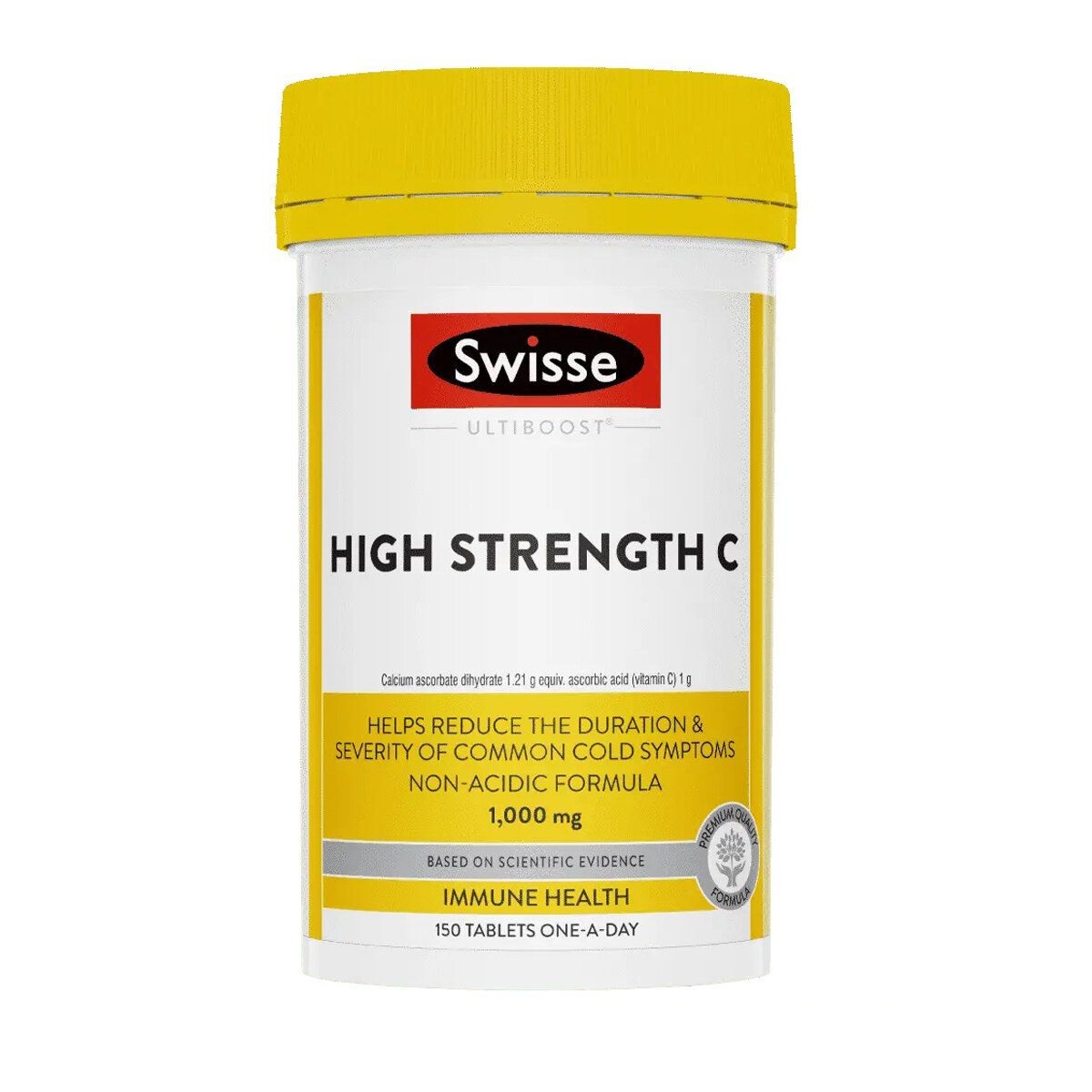
- Boost immunity and relieve cold symptoms
- Accelerates cell renewal and wound healing, inhibits melanin deposition
- Promote skin health
Official reminder:Vitamin SupplementsIt cannot replace a balanced dietDietary supplements may only be helpful when dietary intake is insufficient; if symptoms persist, consult a healthcare professional. The above information is a summary of product labeling details; please refer to your product packaging and official labeling for actual ingredients and usage.
IX. Safety Reminders and Drug Interactions
Vitamin C is generally safe, but caution is needed when both "high doses" and "certain population groups" are present. NIH ODS:
- Common reactions to excessive intake:Diarrhea, nausea, and stomach cramps. These are usually associated with a high single dose or taking the medication on an empty stomach.
- Hemochromatosis and iron overload:These types of people have excess iron stored in their bodies.High doses of vitamin C may exacerbate iron overload and damage tissues.You should consult a doctor first.
- Those with a history of kidney stones:Long-term high-dose supplementation may increase urinary oxalate excretion. It is recommended to consult a healthcare professional before deciding whether to supplement.
- Those currently undergoing cancer treatment:Antioxidant supplements such as Vitamin CIt may interact with chemotherapy and radiotherapy.High doses require special attention; it should be discussed with an oncologist first.
- Interactions with cholesterol-lowering drugs:Studies have shown that vitamin C, when combined with other antioxidants (such as vitamin E, selenium, and beta-carotene), can...Weakening the cardioprotective effect when statins are used in combination with nicotinic acidIt remains unclear whether the same phenomenon occurs with other statins.
- Other situations requiring prior consultation:Pregnant or breastfeeding women, those preparing for surgery, those taking prescription medications, or those with chronic illnesses.
10. Frequently Asked Questions (FAQ)
How much Vitamin C should I take daily?
The recommended daily intake for adults is approximately 751 mg of TP1100 mg (smokers should add 35 mg), with a safe upper limit of 2,000 mg per day (including food and all supplements). Most high-concentration products on the market are 500 mg or 1,000 mg per tablet, still within the upper limit, but far exceeding the basic requirement; whether you need to take this dose depends on whether your diet is chronically deficient in fruits and vegetables.
Which is better: effervescent tablets, chewable tablets, or lozenges?
According to NIH ODS, research has not shown which form of vitamin C is more effective. When choosing, consider three main points:Is the content clearly labeled?、Do you accept its taste and dosage form?as well asAre the additional ingredients suitable for you?For example, effervescent tablets have a high sodium content (Swisse high-concentration effervescent tablets, which are discussed in this article, contain 297 mg of sodium per serving), so people who need to limit their sodium intake should consider them; chewable tablets often contain sweeteners.
Can taking vitamin C prevent colds?
According to NIH ODS, for most people, supplementing with Vitamin C andIt cannot reduce the incidence of colds.However, those who take it regularly may experience milder symptoms and a shorter duration of illness when they have a cold. Taking it only after cold symptoms have appeared does not seem to help. Therefore, it is closer to "daily nutritional support" than a cold medicine.
Is 1,000 milligrams too much?
The daily upper limit for adults is 2,000 mg, so 1,000 mg is within the safe range, but it is more than ten times the recommended amount. The absorption rate of water-soluble vitamins decreases with increasing dosage, and the excess is excreted in urine, so a higher dose does not necessarily mean greater effectiveness. If you are taking other products containing vitamin C at the same time, remember to add the contents together.
Can children take adult vitamin C?
It is not recommended to give children the adult dosage directly. Children have significantly lower upper limits (1– 400 mg for 3 years, 4– 650 mg for 8 years, and 9– 1,200 mg for 13 years). Choose formulas labeled with children's age groups, such as Swisse Kids Immune Health Chewable Tablets (2– 1 tablet daily for 8 years, 9– 2 tablets daily for 12 years, requiring adult supervision). Children under 2 years of age are not advised to supplement without consulting a doctor first.
Should it be taken on an empty stomach or after a meal?
It is recommended to take it with or after meals. Vitamin C is slightly acidic, and some people may experience stomach discomfort when taken on an empty stomach; if the dosage is large or you have a sensitive stomach, you can also divide it into two doses. Product labels usually indicate "take with or immediately after meals," so follow the label.
Can vitamin C be taken with iron supplements?
Yes, and there is a synergistic effect—vitamin C can promote the absorption of non-heme iron from plant-based foods. The Hong Kong Department of Health's Family Health Service recommends eating fruits and vegetables rich in vitamin C during or one to two hours after meals to promote the absorption of iron from plants. However, excessive iron intake is harmful; the dosage and timing of iron supplements should be determined by healthcare professionals, and the dosage should not be increased on your own.
XI. Sources of Information
- US NIH Office of Dietary Supplements (ODS):Vitamin C — Fact Sheet for Consumers(Recommended intake, upper limit, deficiency and scurvy, cold evidence, overdose and interactions)
- US NIH Office of Dietary Supplements (ODS):Vitamin C — Health Professional Fact Sheet
- Hong Kong Department of Health Family Health Service:Smart ways to prevent iron deficiency(Vitamin C promotes the absorption of plant-based iron; examples of fruits and vegetables and cooking tips)
- Hong Kong Centre for Food Safety:Nutrient content of fruits and vegetables (Risk Assessment Study Report No. 28)(Vitamin C content of local vegetables and its loss during cooking, 2+3 daily)
- Official science popularization related to China's "Chinese Dietary Reference Intakes (2023 Edition)":Scientific supplementation of vitamin C(Adult RNI 100 mg, Tolerable Upper Intake Level 2 g daily, and a reminder that "the effects of vitamin C should not be exaggerated")
- Swisse official product information:Ultiboost High Strength Vitamin C Effervescent(Each tablet contains 1 gram of Vitamin C, 1 tablet daily, and 297 mg of sodium per serving)
- Swisse official product information:Ultiboost Vitamin C + Manuka Honey(Each tablet contains 500 mg of total vitamin C and 100 mg of Manuka honey. Chew 2 tablets daily. Reminder for infants and young children with honey.)
- Swisse official product information:Kids Immune Health(Each tablet contains 250 mg of total vitamin C, 3 mg of zinc, 1 tablet for children aged 8 years and older / 2 tablets for children aged 12 years and older, 99.91% sugar-free)
- Swisse official brand information:About Swisse(Founded in Melbourne in 1969, launched women's multivitamin in 1991, joined the H&H Group in 2015)
- US FDA:Dietary Supplements(The regulation of dietary supplements prohibits them from claiming to diagnose, treat, or prevent diseases.)
Disclaimer:This article compiles information on nutrition and products, based on the publicly available official and academic sources listed above.This does not constitute medical advice, diagnosis, or treatment.Dietary supplements cannot replace a balanced diet, medication, or a diagnosis and advice from a healthcare professional. For any persistent or concerning symptoms, consult a doctor or other qualified healthcare professional. Product ingredients, dosage, and labeling may vary by market and version; please refer to the actual packaging label before purchasing and using.
Related Products:
-
Sale!
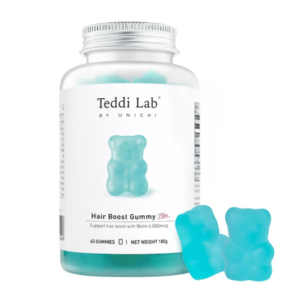
Unichi – Teddi Lab® Gummy Bears Gummy Bears for Hair Growth Upgraded Sea Salt and Green Titanium Flavour 60 Capsules
Original price was: $170.00.$125.00Current price is: $125.00. Add to basket -
Sale!
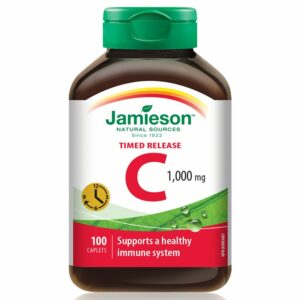
Jamieson – Long Lasting Vitamin C 1000mg 100 Tablets
Original price was: $138.00.$108.00Current price is: $108.00. Add to basket -
Sale!
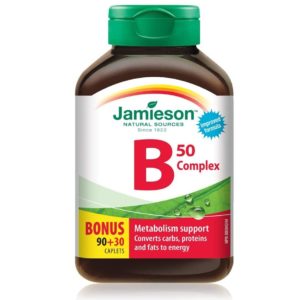
Jamieson – Natural Vitamins B complex 50 120 capsules
Original price was: $168.00.$98.00Current price is: $98.00. Add to basket -
Related Post:
![母親用滴管把少量植物藻油滴在食物匙上,幼兒坐在餐桌旁]()
A Complete Guide to Plant-Based Algae Oil Omega-3: Odorless, Vegetarian, and Suitable Omega-3 Choices for Pregnant Women and Infants
![牛樟芝子實體與膠囊製品示意]()
What is Antrodia camphorata? A complete guide to its ingredients, research evidence, and precautions for consumption.
![世界心臟日護心飲食場景,香港中年夫婦享用豆漿、豆腐、雞蛋與堅果,旁有心臟及細胞膜卡通示意]()
World Heart Day: Heart Health in Hong Kong Starts with Daily Life | What are the Benefits of Lecithin? Which of Three 1200mg Products to Choose From?
![香港成年人在家閱讀與休息,從日常習慣開始理解腦部健康]()
Fish oil, mini capsules, or B12? Formulas and daily choices for 8 best-selling brain health products.