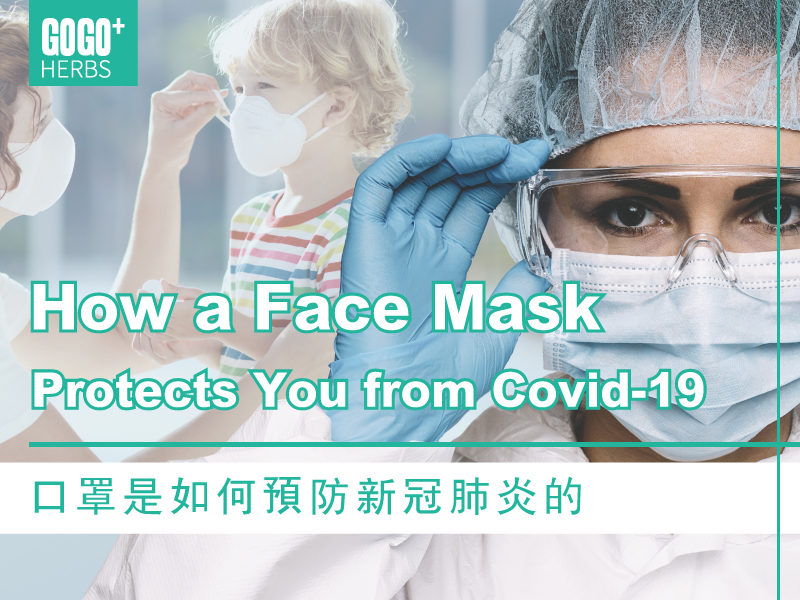
How do face masks help protect you from COVID-19? Types and correct usage.
Since the outbreak of COVID-19 (the pathogen of SARS-CoV-2), the World Health Organization (WHO) and disease control agencies around the world have consistently urged that wearing masks be included as one of the basic practices to slow the spread of the virus among the population. This article summarizes why masks are useful, the differences between three common types of masks, and practical tips on proper wearing, cleaning, and disposal.
Two or three common types of masks: surgical masks, N95 masks, and cloth masks.
III. Nine Key Points for Correct Wearing and Handling
IV. Masks alone are not enough: multiple layers of protection are needed.
V. When should I see a doctor?
VI. Frequently Asked Questions (FAQ)
I. Why should we wear masks?
COVID-19 is mainly transmitted through the expulsion of pathogens when infected individuals cough, sneeze, talk, sing, or shout.Respiratory droplets and aerosols (suspended particles)Even without symptoms, the virus can spread to others. The purpose of masks is to reduce the inhalation or exhalation of these virus-carrying particles, providing a certain level of protection for the wearer and those around them.
However, it must be emphasized that:Masks are just one part of "multi-layered protection".The WHO clearly states that masks are most effective when combined with other measures, including avoiding crowded and poorly ventilated indoor spaces, maintaining social distancing, frequent handwashing, practicing respiratory etiquette, and receiving recommended vaccinations and booster shots. Masks alone cannot guarantee complete protection against infection. (Source: [Original Source Name])WHO: Coronavirus disease (COVID-19): Masks。
Two or three common types of masks: surgical masks, N95 masks, and cloth masks.
1. Surgical mask (medical-grade disposable medical mask)
This is the most common type of mask used in medical settings. It consists of three layers of synthetic non-woven fabric, with a filter layer in the middle, primarily used to block droplets and splashes. Common standards include ASTM F2100, EN 14683, and YY 0469. The correct way to wear it is...Colored side facing out, white inner layer facing in.The metal strip should be pressed against the bridge of the nose, completely covering the nose, mouth, and chin, and the ear loops should not cross (to avoid gaps on the sides). Surgical masks are for single use only and should be replaced if they become dirty, wet, or deformed.
2. N95 respiratory protective equipment (filtering respirator)
According to the US NIOSH standard, "N95" refers to a filter that can be filtered.At least 95% of non-oily suspended particulates(N = not oil-resistant, 95 = filtration efficiency ≥ 95%). Its biggest difference from surgical masks is...FitN95 masks need to fit snugly against the face and undergo a fit test to provide the expected protection; if they are loose or do not fit the face properly, the protective effect will be greatly reduced. (Reference source: [omitted])CDC/NIOSH: Filtering Facepiece Respirators。
3. Cloth face mask (non-medical)
During the early stages of the pandemic, when medical-grade masks were in short supply, cloth masks became a reusable alternative. Ideally, they should be made of multiple layers of fabric (outer layer water-repellent, middle layer non-woven fabric, inner layer absorbent) to provide...Basic physical barriersIt primarily blocks larger droplets. However, its filtration efficiency varies depending on the material, number of layers, and fit, and its overall protective ability is not as good as that of medical-grade masks.Cloth masks should not be used to replace medical-grade masks in high-risk or medical settings.。
III. Nine Key Points for Correct Wearing and Handling
- Before putting it on, wash your hands thoroughly with alcohol hand sanitizer or soap and water.
- Do not share masks with others (whether reusable or disposable).
- Before use, check the mask for holes or damage. Do not use it if it is damaged.
- When wearing a surgical mask, the colored side should face outwards and the white side (inner layer) should face inwards; follow the instructions for each type.
- Keep the fit snug throughout to prevent air from leaking out from the edges; do not cross the ear loops to avoid gaps on the sides.
- Make sure the mask covers the bridge of the nose, mouth, and chin, and that there is no air leakage on the sides.
- Avoid touching the mask while wearing it; if you accidentally touch it, clean your hands immediately.
- Reusable cloth masks are recommended.Daily cleaning(WHO recommends using hot water at least 60°C, or boiling for 1 minute after washing according to instructions), replace when dirty or wet; put in a clean ziplock bag when not wearing.
- Disposable masks should be properly disposed of in covered trash cans after use, out of reach of children; wash hands before and after disposal.
IV. Masks alone are not enough: multiple layers of protection are needed.
Thinking of protection as "multi-layered" is a safer approach: wear a mask in crowded, enclosed, or poorly ventilated places; wash your hands frequently, maintain social distancing, and improve indoor ventilation; stay home and rest if you are feeling unwell; and if eligible, get vaccinated as recommended and maintain the vaccination schedule. Vaccines help reduce the risk of severe illness and transmission, but they...It does not "cure" the virus, nor can it replace...Masks and other daily protective measures. Doing these things together is a feasible way to safeguard your health at a low cost.
V. When should I see a doctor?
Masks are a preventative tool and cannot replace medical treatment. If symptoms appear...Persistent fever, difficulty breathing, chest pain, persistent cough, loss of smell or tasteIf you experience symptoms such as fever, cough, or other symptoms, or if you belong to a higher-risk group (e.g., over 60 years old, have chronic diseases such as diabetes, heart/lung disease, or weakened immune system), please seek medical attention or consult a healthcare professional as soon as possible, following local guidelines. Wearing a mask when in the same room as others can also help protect those around you if you suspect you may be infected.
VI. Frequently Asked Questions (FAQ)
Does wearing a mask guarantee you won't get infected?
No. Masks can reduce risk, but they are not a complete defense; protection is more complete when combined with multiple measures such as handwashing, ventilation, social distancing, and vaccination.
What's the difference between N95 and surgical masks?
N95 masks offer higher filtration efficiency and better fit, making them suitable for high-risk or healthcare settings. For the general public, wearing a standard-compliant medical-grade surgical mask is usually sufficient in crowded, poorly ventilated public places.
Are cloth masks useful?
Cloth masks can provide a basic droplet barrier, but their protective effect is not as good as that of medical-grade masks, and the effectiveness varies depending on the material; it is not recommended to use them to replace medical-grade masks in high-risk or medical settings.
Can I wear an N95 mask with an exhalation valve?
It is effective in protecting the wearer, but the exhalation valve releases unfiltered air, making it less effective in protecting others. If the goal is to prevent the transmission of droplets to others, the WHO recommends choosing a valveless model.
Can face masks be reused?
Surgical masks are disposable and not recommended for reuse; cloth masks can be washed and reused, but it is recommended to wash them daily and replace them if they get dirty or wet.
Related products: Medical-grade masks
To ensure adequate daily protection, you can choose standard medical-grade masks, such as EN 14683 Type II/IIR surgical masks, or NIOSH-certified N95 respiratory protective gear, from GogoHerbs Personal Care. Please refer to the latest information on the product page for actual stock, specifications, and prices.

Source of information
- WHO — Coronavirus disease (COVID-19): Masks:who.int/news-room/questions-and-answers/item/coronavirus-disease-covid-19-masks
- CDC/NIOSH — Filtering Facepiece Respirators (N95 Filtration Rating and Fit):cdc.gov/niosh/ppe/respirators/ffr.html
- CDC/NIOSH — Respirator Types and Use (Protection depends on proper fit and use):cdc.gov/niosh/ppe/respirators/index.html
Disclaimer: This article is for public health and health information sharing and does not constitute medical diagnosis or treatment advice. Local epidemic situations and mask guidelines are subject to change; please refer to the latest advice from local health authorities and healthcare professionals for practical guidance. If you experience any discomfort or suspected symptoms, please seek medical attention as soon as possible.
Related Products:
-
Sale!
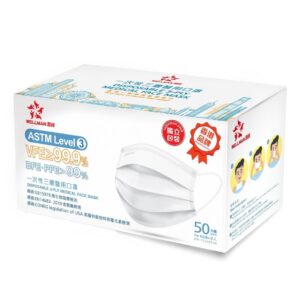
Wyman – ASTM Level 3 Adult Medical Mask White (Individual Pack of 50)
Original price was: $50.00.$37.00Current price is: $37.00. Add to basket -
Sale!
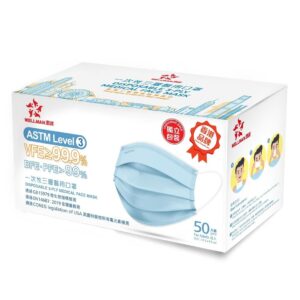
Wyman – ASTM Level 3 Adult Medical Mask Blue (Individual Pack of 50)
Original price was: $50.00.$37.00Current price is: $37.00. Add to basket -
Sale!
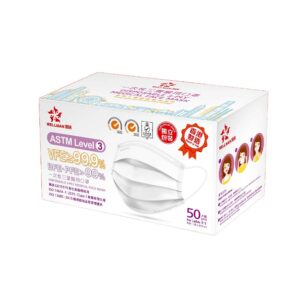
Wyman – ASTM Level 3 Women's Medical Mask White (Individual Pack of 50)
Original price was: $50.00.$37.00Current price is: $37.00. Add to basket -
Sale!

Wyman – ASTM Level 3 Medium Child Medical Mask White (Individual Pack of 50)
Original price was: $50.00.$37.00Current price is: $37.00. Add to basket
Related Post:
![牛樟芝子實體與膠囊製品示意]()
What is Antrodia camphorata? A complete guide to its ingredients, research evidence, and precautions for consumption.
![世界心臟日護心飲食場景,香港中年夫婦享用豆漿、豆腐、雞蛋與堅果,旁有心臟及細胞膜卡通示意]()
World Heart Day: Heart Health in Hong Kong Starts with Daily Life | What are the Benefits of Lecithin? Which of Three 1200mg Products to Choose From?
![香港女士在家規劃日程與Jamieson維柏健Kirkland維他命B12產品]()
Where to choose Vitamin B12 in Hong Kong? Supplementation and testing guidelines for memory loss, fatigue, and numbness in the hands and feet.
![香港女性在家閱讀營養標籤並規劃日常健康管理]()
Eight best-selling health products for women: From hair care and beauty to daily nutrition, choose the formula that best suits your needs.