





































































Lower back pain (also known as lumbar back pain or backache) is a very common discomfort in adults, affecting people who sit for long periods at work, exercise frequently, or are entering old age. This article summarizes the common causes and typical symptoms of lower back pain, as well as...When to seek medical attentionIt also provides guidance on daily maintenance, including exercise, posture, weight management, and joint nutrition, to help you better understand how to take care of your back.
- I. What is lower back pain?
- II. Common causes: prolonged sitting, weight, exercise, pregnancy and postpartum, and old age.
- III. Typical Symptoms and Their Impact on Daily Life
- IV. When to see a doctor (Red Flag Symptoms)
- V. Daily Soothing and Maintenance
- VI. Joint Nutritional Supplements: Glucosamine and Celery Seed
- VII. Integrative Treatment and Interdisciplinary Care
- 8. Frequently Asked Questions (FAQ)
I. What is lower back pain?
The lower back consists of several independent but interconnected parts, including ligaments, abdominal muscles, intervertebral discs, and facet joints of the spine. Problems with any of these structures can cause pain; moreover, their pain areas often overlap, making it difficult to accurately determine "where the pain is coming from," and often requiring professional evaluation to clarify the root cause.
II. Common Causes
1. Prolonged sitting and poor posture
Office workers who maintain a sitting or near-still posture for long periods of time will increase the burden on their lower back, which is a common source of lower back pain in young adults.
2. Overweight
Adults who are overweight or have limited mobility are at increased risk of developing lower back pain as they age; weight management is an important part of daily prevention.
3. Exercise and overuse injuries
Athletes may develop lower back inflammation, bruising, or chronic discomfort due to repetitive movements, falls, or overtraining; adequate strength and protective training can help reduce the risk.
4. Pregnancy and postpartum
Hormones during pregnancy loosen ligaments and joints, and the weight of the fetus stretches abdominal muscles and affects posture. Postpartum care, including frequent bending and holding of the baby, also puts extra strain on the lower back. This section can be found in the American College of Obstetricians and Gynecologists' (ACOG) guidelines on back pain during pregnancy.Back Pain During Pregnancy (ACOG)。
5. Seniors (65 years and older)
Lower back pain is more likely to become chronic in older adults and is associated with a higher risk of fall-related injuries. According to the US CDC, falls in people over 65 are preventable and are a leading cause of injury-related death in that age group.Older Adult Fall Prevention (CDC)。
III. Typical Symptoms and Their Impact on Daily Life
Everyone describes lower back pain differently: some experience sudden stabbing pain, while others experience persistent soreness or discomfort. In addition to physical discomfort, recurring pain can reduce activity levels and affect mood and sleep quality.
If pain is accompanied by persistent low mood, anxiety, or sleep disturbances, it is recommended to seek medical or mental health professional help. Do not treat "enduring the pain" as the only option. Chronic pain affects the "whole person," not just the location of the pain.
IV. When to see a doctor (Red Flag Symptoms)
Most lower back pain will improve on its own within a few weeks, but if the following symptoms occur, you should seek medical attention as soon as possible instead of trying to diagnose it yourself:
- The pain is accompanied by fever, chills, or general malaise;
- Sudden, sharp pain, or rapidly worsening pain;
- Things, weakness, or numbness in both legs;
- Loss of sensation in the perineum or around the anus, or changes in bowel and bladder control;
- Unexplained weight loss, or the appearance of lumps or changes in shape on the back;
- The pain does not improve after rest, wakes you up at night, or originates in the upper back (between the shoulders) rather than the lower back;
- The pain occurred after a serious accident (such as a car crash).
V. Daily Soothing and Maintenance
Regular activities and stretching
Research and clinical guidelines both favor "staying active": prolonged bed rest can actually slow recovery. Gentle walking, swimming, yoga, or Pilates, as well as stretching exercises targeting the lower back, can help improve blood flow, relax muscles, and maintain mobility. If pain worsens while moving, stop and consult a professional.
Posture and Correct Lifting of Heavy Objects
When sitting for long periods, pay attention to your posture and the support of the chair back; when lifting heavy objects, squat down first and use your legs to exert force, avoiding bending and twisting directly at the waist. Good posture can reduce repeated pressure on the lower back.
Weight and nutrition
Maintaining a healthy weight reduces the load on weight-bearing joints. Ensure adequate nutrition.Calcium and Vitamin DIt helps maintain bone and muscle health; adequate calcium intake also helps with bone density for athletes or people with high activity levels.
VI. Joint Nutritional Supplements: Glucosamine and Celery Seed
Joint care is a feasible part of daily care for lower back pain. The following two are common health-promoting ingredients:
Glucosamine
Glucosamine and chondroitin are substances that the human body naturally produces and that are important for joint cartilage; they are often sold as health supplements. The U.S. National Library of Medicine (MedlinePlus) points out that these supplements...May help control joint discomfortHowever, it "does not seem to regenerate cartilage or stop joint degeneration"; some medical professionals may recommend trying it for about 3 months to observe whether it helps.Medicines, injections, and supplements for arthritis (MedlinePlus)。
For those who are not suitable for NSAIDs (non-steroidal anti-inflammatory drugs), glucosamine is one of the maintenance options to consider, butConsult a healthcare professional before use.This is especially true for those who are currently taking medication or have a long-term medical condition.
Celery seed
Celery seed is a traditional plant-based ingredient used for joint care, and some joint formulas include it as a complementary herb. Its actual soothing effect varies from person to person; it's considered a maintenance-oriented approach.It cannot replace proper medical treatment or doctor's advice.。
VII. Integrative Treatment and Interdisciplinary Care
The management of chronic lower back pain increasingly emphasizes an integrated "biopsychosocial" approach: considering not only the location of pain but also overall lifestyle and psychological state. Common practices include:
- drugPrescriptions should be determined by a doctor based on the individual's condition (such as NSAIDs, paracetamol, etc.); some medications may cause drowsiness, so do not adjust the dosage on your own.
- Physical therapy and exerciseStrengthens core and back muscles and improves balance.
- Manual therapy, myofascial release, spinal manipulation: Performed by trained professionals.
- Psychological and sleep supportWhen necessary, cognitive behavioral therapy (CBT) can be used to help coexist with pain.
The key to integrated care is "whole-person-centered care planned by a professional team," rather than self-combining multiple therapies. The decision on how to combine medication and non-medication methods should be left to the doctor and therapist.
Related products: Joint nutrition and maintenance
If you want to relieve joint discomfort through daily maintenance, you can consider using [product name - likely a brand name].glucosamine (C6H13NO5)and paircelery seedJoint nutrition formulas containing herbal ingredients. These products are designed to support joint comfort and daily activities and are suitable as part of a health maintenance regimen; please refer to the latest ingredients, specifications, and price on the product page for the most up-to-date information, and consult a healthcare professional before use (especially if you are taking medication or have a chronic illness).

8. Frequently Asked Questions (FAQ)
Do I always have to see a doctor if I have lower back pain?
Most lower back pain will improve on its own within a few weeks. You can start by staying active, applying heat/cold compresses, and paying attention to your posture. However, if you experience the red flag symptoms in the fourth limb, or if the pain continues to worsen and does not improve after several weeks, you should seek medical attention.
Will exercise worsen lower back pain?
Moderate activity usually aids recovery, while prolonged bed rest can actually slow it down. Choosing appropriate stretching and core exercises, and stopping and consulting a professional if the pain worsens, is a safer approach.
Is glucosamine helpful for lower back pain?
Glucosamine is commonly used for joint maintenance, and some people may experience improvement in joint discomfort after taking it. However, the evidence is inconsistent, and it does not promote cartilage regeneration or prevent joint degeneration. It is recommended to consult a healthcare professional first and try it for about 3 months to assess whether it is suitable for you.
Is it normal to experience lower back pain during pregnancy?
Lower back pain is quite common during pregnancy, often related to hormonal changes and the weight of the abdomen. Most cases can be relieved by adjusting posture, proper support, and gentle exercise; however, if accompanied by severe pain, fever, or signs of premature labor, you should contact your healthcare provider immediately (refer to ACOG guidelines).
What should elderly people pay special attention to when experiencing lower back pain?
Falls are more likely to become chronic in people over 65 and increase the risk of falls. In addition to the pain itself, attention should be paid to home safety and balance training, and physical therapy and doctor evaluation should be combined when necessary (refer to CDC fall prevention information for seniors).
Source of information
- American College of Obstetricians and Gynecologists (ACOG) — Back Pain During Pregnancy:acog.org
- UK National Health Service (NHS) — Back pain:nhs.uk
- US CDC — Older Adult Fall Prevention:cdc.gov
- MedlinePlus, National Library of Medicine — Medicines, injections, and supplements for arthritis:medlineplus.gov
Health Disclaimer:This article is for health information sharing and does not constitute medical diagnosis, treatment, or prevention advice, nor can it replace an assessment by a registered physician, physiotherapist, or other healthcare professional. If you experience persistent or worsening pain, the above red flag symptoms, or are pregnant, breastfeeding, taking medication, or have a chronic condition, please consult a healthcare professional before deciding on any health care or treatment options.
Related Products:
-
Sale!
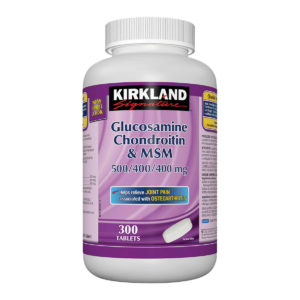
Kirkland Signature – Glucosamine & Chondroitin & MSM 500/400/400mg 300 Capsules
Original price was: $330.00.$258.00Current price is: $258.00. Add to basket -
Sale!
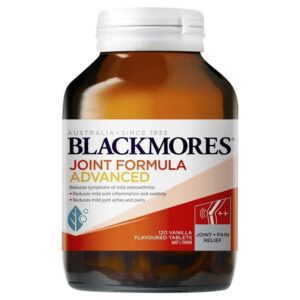
BLACKMORES – Joint Care Formula 120 capsules
Original price was: $258.00.$208.00Current price is: $208.00. Add to basket -
Sale!

[Average $ 255/1] [Local price as low as $ 238] Vepogen – Bone Strengthening Supreme Glucosamine Chondroitin Capsules (500/400 mg) + D3 [Extra Strong Formula] 300 capsules x 3 bottles
Original price was: $894.00.$765.00Current price is: $765.00. Add to basket -
Sale!
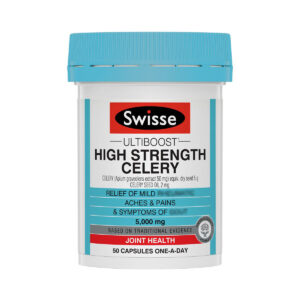
Swisse – Highly Concentrated Celery Seed Extract 5000mg 50 capsules
Original price was: $98.00.$66.00Current price is: $66.00. Add to basket
Related Post:
![通宵一晚,血壓會升多少?]()
Staying up late and blood pressure: How much will blood pressure rise after staying up all night on Halloween? Interpreting cardiovascular risk data.
![均衡備餐與體重管理]()
Weight Management Shopping Guide: 8 Selected Probiotics, Apple Cider Vinegar, and Herbal Formulas
![我們的選品標準與定價說明]()
Health supplement selection? Our product selection criteria and pricing guidelines
![從整理日常需要開始,讓選購與休息安排都有方向]()
Choosing between B50 and B100: Starting with the ingredients; Comparison of 8 stress-relief supplements.