


























































Six tips for a healthy heart: from exercise and quitting smoking to a heart-healthy diet
It's never too early or too late to take care of your heart. Ironically, we regularly check and change the oil in our cars, but often forget to care for the heart that has been beating since before we were born. Unlike a car, the heart doesn't have "mileage." Its performance throughout its life largely depends on our lifestyle, habits, diet, and activity level.
Please note: This article is a compilation of lifestyle and nutritional information and does not constitute medical advice. If you have heart-related symptoms, have been diagnosed with cardiovascular disease, or are taking medication, please follow your doctor's instructions and do not replace treatment with diet or supplements on your own.
II. 6 Heart-Protecting Tips
III. Symptoms of Red Flag and the Boundary for Seeking Medical Treatment
IV. Frequently Asked Questions (FAQ)
Why does heart function decline with age?
Maximum heart rate naturally decreases with age.A study by Tanaka et al. published in the Journal of the American College of Cardiology in 2001A predictive formula, "208 − 0.7 × age", was established using data from healthy adults. Using this formula, the estimated maximum heart rate for each age group is approximately:
- 20 years old: Approximately 194 beats/minute
- 30 years old: Approximately 187 beats/minute
- 40 years old: Approximately 180 beats/minute
- 60 years old: approximately 166 beats/minute
- 90 years old: approximately 145 beats/minute
Besides heart rate, as we age, the walls of our arteries gradually thicken and lose elasticity.arteriosclerosisThis prevents blood vessels from relaxing quickly during the rhythmic pumping of the heartbeat, making it harder for the heart to cope with sudden changes in blood pressure.
This is why the risk of cardiovascular problems, stroke, high blood pressure, heart disease, and coronary artery disease increases with age.The CDC pointed outHigh blood pressure, high cholesterol, and smoking are the main risk factors for heart disease, while age and family history are uncontrollable factors. The good news is that controllable factors such as exercise, diet, quitting smoking, and sleep can significantly slow down the effects of aging on the cardiovascular system.
II. 6 Heart-Protecting Tips
1. Maintain physical activity
Try to avoid sitting for long periods of time.WHO RecommendationsAdults should perform at least one exercise per week 150 minutes of moderate intensityPhysical activity, or 75 minutes of high intensityActivities should be combined with strength training; the WHO also emphasizes that "any activity is better than nothing." Exercise not only strengthens muscles but also improves cardiovascular endurance. You can choose moderate-intensity activities such as swimming, brisk walking, and hiking, depending on your preference; those who want to increase their training volume can gradually add higher-intensity activities such as jogging. The key is to make it a habit and stick to it.
2. Regular health checkups
Some early cardiovascular problems may not have obvious symptoms, so it is especially important to have your blood pressure, blood sugar, cholesterol, heart rate, and weight (body mass) checked by your doctor regularly.CDC ReminderHigh blood pressure is often called a "silent killer," and high cholesterol usually has no symptoms—only regular monitoring can detect and treat it early, reducing the risk of sudden onset.
3. Quit smoking and avoid secondhand smoke.
Smoking damages blood vessels leading to the heart, brain, and the rest of the body, making smokers more susceptible to heart attacks, strokes, and sudden cardiac death. The CDC points out that nicotine raises blood pressure, while carbon monoxide in cigarettes reduces the amount of oxygen the blood can carry. Secondhand smoke is equally harmful—long-term exposure also increases the risk of heart disease in non-smokers. Quitting smoking is not easy, but seeking support (smoking cessation hotlines, doctors, or smoking cessation clinics) and consistent effort are crucial.
4. Stress reduction and sufficient sleep
Stress can raise heart rate and blood pressure, which can damage arterial walls over time. Sufficient sleep is an important part of protecting the heart.CDC Recommendations 18–60-year-old adults sleep every night 7 hours or moreFor those over 65, a sleep schedule of 71 hours of sleep per night and 1 hour of sleep deprivation per night is recommended. Chronic sleep deprivation is associated with an increased risk of high blood pressure, heart disease, stroke, and diabetes. Establish healthy sleep habits: maintain a regular sleep schedule, avoid electronic screens for 30 minutes before bed, avoid large meals and alcohol before bed, and reduce caffeine intake in the afternoon.
5. Heart-healthy diet
Reduce trans fats and saturated fats:WHO RecommendationsAvoid industrially produced trans fats (below 11 TP4T of total energy) and keep saturated fats below 101 TP4T of total energy. When buying packaged foods, make it a habit to read the labels and pay attention to whether "hydrogenated oil/partially hydrogenated oil" is listed in the ingredient list.
Increase heart-protective nutrients:
- Omega-3 fatty acids:NIH ODS pointed outIncorporating oily fish (salmon, mackerel, sardines, herring, etc.) into your daily diet can help maintain heart health; the American Heart Association recommends consuming 11 servings of EPA + 1 serving of DHA per week to reduce the risk of some heart problems. EPA and DHA help lower triglycerides; heart disease patients should consume approximately 1 gram of EPA + DHA daily (as directed by their healthcare provider). Be aware that high doses of fish oil may pose a bleeding risk when used concurrently with anticoagulants; consult your doctor before taking any such medication.
- Folic acid:NIH ODS DescriptionFolic acid is an important B vitamin that participates in nucleic acid synthesis and cell division; daily supplementation of 400 micrograms by women of childbearing age helps prevent neural tube defects in fetuses. Early studies proposed the hypothesis that "lowering homocysteine can protect the heart," but subsequent large-scale studies have failed to confirm that folic acid supplementation alone can reduce cardiovascular events; some studies suggest a possible link to reducing stroke risk, but heart health should still be based on a holistic approach to diet and lifestyle.
- Coenzyme Q10 (CoQ10):These are antioxidants synthesized by the body itself, found in higher concentrations in the heart, and involved in cellular energy production. NCCIH pointed outCurrent research is inconclusive regarding whether CoQ10 can prevent heart disease or improve heart failure, but it may reduce some complications from cardiac surgery. It is important to note that CoQ10 may interact with anticoagulants (such as warfarin) and insulin; consult your doctor before taking it.
Other principles:Eat more fruits, vegetables, and whole grains; control sodium intake (WHO recommends that adults consume less than 5 grams of salt per day); and limit alcohol (CDC recommends that women consume no more than one serving per day and men no more than two servings per day).
6. Understand your family medical history
A family history of heart disease is one of the risk factors for heart disease.The CDC pointed outThe risk increases further when genetics are combined with unhealthy lifestyle habits (such as smoking and an unhealthy diet). If you find that you may be genetically predisposed to heart disease, you should take preventative measures such as exercise and diet more seriously, and inform your doctor as soon as you experience any suspected symptoms.
Second supplement: gogoHerbs heart-healthy nutrition recommendations (product link to be added later)
- Omega-3 fish oil:Suitable for people who consume less oily fish and want to supplement EPA/DHA; those who are taking anticoagulants should consult a doctor before supplementing.
- Coenzyme Q10:Suitable for those concerned about heart health; may interact with warfarin and insulin, please consult a doctor before taking.
- Vitamin B complex / multivitamins:As a supplement to the basic nutrition of those with a narrow diet.

Selection principles: Carefully check the ingredients and content of each serving; choose reputable brands that provide third-party testing information; and be aware of any interactions with medications you are currently taking (especially antihypertensive drugs, anticoagulants, and lipid-lowering drugs). The above guidelines are for daily nutritional and health maintenance and cannot replace medications or treatments prescribed by a doctor.
III. Symptoms of Red Flag and the Boundary for Seeking Medical Treatment
- Seek medical evaluation as soon as possible:Unexplained persistent fatigue, lower limb edema, chest tightness during activity, and abnormal blood pressure/blood sugar/cholesterol levels.
- For those already taking medication or with heart disease:Antihypertensive drugs, anticoagulants, and lipid-lowering drugs may interact with diet or supplements. Please consult your doctor before making any adjustments.
- Heart problems cannot be treated solely through lifestyle changes or supplements:A balanced diet and regular exercise are the foundation for prevention and support, but they cannot replace a doctor's diagnosis and treatment.
IV. Frequently Asked Questions (FAQ)
Is heart disease only a disease that affects older people?
The risk of heart disease increases with age, but it can occur at any age. Developing habits of exercise, proper diet, quitting smoking, and getting enough sleep when you are young is the most practical way to protect your heart.
Can you protect your heart by just taking health supplements?
No. The foundation of heart health lies in a holistic lifestyle (exercise, diet, smoking cessation, and control of blood pressure/blood sugar/cholesterol) and medical treatment. Omega-3, CoQ10, etc., are supplementary and may interact with medications; consult a doctor before use. They cannot replace medication or treatment.
Is a slower heart rate always better?
Not necessarily. Maximum heart rate naturally decreases with age (it can be estimated using "208 − 0.7 × age"), but if the resting heart rate is too slow and accompanied by dizziness, weakness, or a fast or irregular heartbeat, you should seek medical evaluation and not interpret it yourself.
Is 6 hours of sleep a day enough?
The CDC recommends that adults aged 60 and older sleep at least 7 hours per night, and those 65 and older sleep at least 8 hours. Chronic sleep deprivation is associated with an increased risk of high blood pressure, heart disease, and stroke.
If there is a family history of heart disease, is it necessary to take medication?
Not necessarily, but it is one of the risk factors. You should inform your doctor, have regular check-ups, and more diligently follow preventative measures such as exercise, diet, and quitting smoking; whether medication is needed will be determined by your doctor's evaluation.
- WHO — Physical activity (150 minutes of moderate-intensity/75 minutes of vigorous-intensity activity per week for adults, cardiovascular benefits)
- WHO — Healthy diet (upper limits for trans and saturated fats, sodium recommendations, NCD risks)
- CDC — Heart Disease Risk Factors (risk factors such as high blood pressure, cholesterol, smoking, and family history)
- CDC — About Sleep (Adult Sleep Hours and Heart Disease Risk)
- NIH ODS — Omega-3 Fatty Acids (Oily Fish, EPA/DHA, Triglycerides, Bleeding Risk)
- NIH ODS — Folate (Cell division, recommendations for women of reproductive age, homocysteine and cardiovascular evidence)
- NCCIH — Coenzyme Q10 (cardiac-related evidence, interaction with warfarin)
- Tanaka H, et al. Age-predicted maximal heart rate revisited. J Am Coll Cardiol. 2001 (Maximum heart rate prediction formula)
This article is a compilation of health and nutrition information for general reference only and does not constitute medical advice, diagnosis, or treatment. Individuals with heart disease symptoms, cardiovascular disease, or those currently taking antihypertensive, anticoagulant, or lipid-lowering medications should consult a doctor, pharmacist, or registered dietitian before making any dietary or supplement adjustments. Dietary supplements cannot diagnose, treat, cure, or prevent any disease, nor should they replace medications or treatments prescribed by a doctor. If you experience acute symptoms such as chest pain, difficulty breathing, or signs of stroke, please seek immediate medical attention or call emergency services.
Related Products:
-
Sale!

Kirkland Signature – Omega-3 Ultra Concentrated Deep Sea Fish Oil Capsules 1300mg 330 Capsules
Original price was: $350.00.$298.00Current price is: $298.00. Add to basket -
Sale!

[Average $ 268/1] Vepogen – Triple Strength Omega-3 (900 mg EPA / DHA) 200 Capsules Value Pack x 3 Bottles
Original price was: $990.00.$804.00Current price is: $804.00. Add to basket -
Sale!

Webber Naturals – Omega-3 Mini Fish Oil Capsules 300mg 220 Softgels
Original price was: $198.00.$168.00Current price is: $168.00. Add to basket -
Sale!
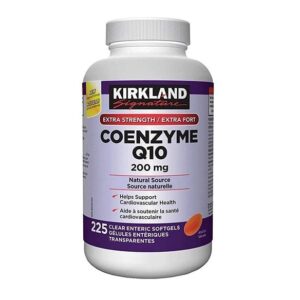
Kirkland Signature – Coenzyme Q10 200 mg 225 capsules
Original price was: $438.00.$358.00Current price is: $358.00. Add to basket
Related Post:
![香港成年人在家閱讀與休息,從日常習慣開始理解腦部健康]()
Hong Kong Brain Health Insight Report 2024–2025: Differentiating Fish Oil, Memory Formulas, and Vitamin B12 from 87 Products
![香港上班族在窗邊暫停看屏幕,讓雙眼休息並重新整理眼晴健康選擇]()
Eye Health Insight Report 2024-2025: Beyond Lutein – Fish Oil Accounted for 76.41% of Store Revenue Among 98 Products (TP4T)
![香港家庭查看空氣質素並整理呼吸健康資料]()
Hong Kong Respiratory Health Product Insight Report 2024–2025: Cough, Nasal Allergies, and Sore Throat Are Not the Same Thing
![香港家庭以飲食、活動及標籤閱讀規劃日常免疫健康]()
Hong Kong Immune System Health Product Insight Report 2024–2025: How to Choose Immune Health Products