









































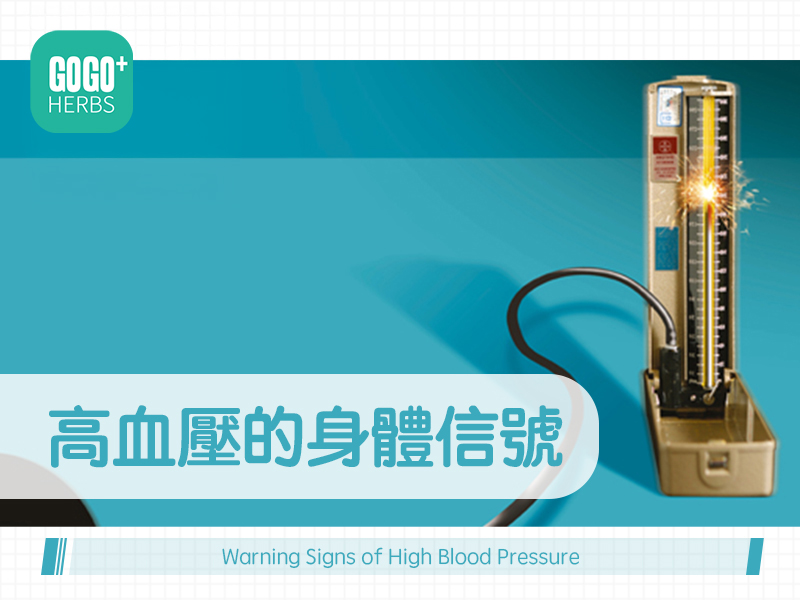
Body signals of high blood pressure
According to a survey by the Ministry of Health and Welfare, one in three Taiwanese people aged 40 and above suffers from hypertension; however, 30-40% of them are unaware that they have it.High blood pressure。
Clarify the myths surrounding high blood pressure, grasp the correct concepts, and safeguard your health in advance.
Myth 1: Since I can't find the cause of my high blood pressure, it must be related to my constitution. Just like people have different heights and some people are prone to allergies, there's no need to control it. Lowering it would actually be bad.
Incorrect. High blood pressure needs to be controlled to reduce the risk of serious complications affecting blood vessels and vital organs.
Professor Chen Chih-hung of the Department of Internal Medicine at National Cheng Kung University School of Medicine stated that over 90% of hypertension cases are indeed "primary hypertension" without a definite cause. This is related to factors such as age, gender, and genetics. However, whether it is primary hypertension or secondary hypertension caused by other diseases (such as hyperthyroidism), if left untreated, the damage to vital organs such as the brain, heart, and kidneys will continue. Maintaining normal blood pressure is essential to avoid serious complications. The long-term impact of hypertension slowly damages blood vessels and organs. Laughter, rage, or extreme cold weather can trigger strokes, myocardial infarctions, or even sudden death.
The Mayo Clinic in the United States points out that uncontrolled high blood pressure can damage major organs in the body, including:
■Arteries: High blood pressure can thicken the intima of arteries, harden blood vessels, and make the vessel walls thicker and narrower; it can also damage the arterial walls, forming plaques or aneurysms. In the event of aortic dissection or rupture, it will be more dangerous than myocardial infarction, and the patient may even die before surgery can be performed.
■ Heart: High blood pressure increases arterial resistance, causing the left ventricle to work harder to pump blood out. Over time, the left ventricle will become enlarged, leading to heart failure. The coronary arteries that supply blood to the heart harden, thus increasing the risk of angina and myocardial infarction.
■brainHigh blood pressure can cause ruptured blood vessels in the brain, leading to bleeding, or blood clots can block blood flow to various parts of the brain, which is a major cause of stroke.
■Kidneys: High blood pressure can worsen blood circulation to the kidneys, impair kidney function, and lead to kidney failure.
■ Eyes: Causes retinal disease, which can lead to blindness in severe cases.
■Metabolic syndrome: High blood pressure often brings two other bad friends - high blood sugar and high blood lipids, which can easily develop into diabetes, heart disease and stroke in the future.
Therefore, everyone should know their blood pressure. If it exceeds 120/80 mmHg, or if symptoms such as headache, dizziness, or nosebleeds occur, it is even more important to be careful whether the blood pressure is high.
Myth 2: I just turned 40 and my blood pressure is 130/85 mmHg. Should I be fine?
Wrong. If your blood pressure is 130/85 mmHg, your chances of developing cardiovascular disease will double in the future.
The guidelines for hypertension treatment classify a systolic blood pressure of 120–139 mmHg and a diastolic blood pressure of 80–89 mmHg as prehypertension. These individuals have twice the risk of developing cardiovascular disease compared to those with normal blood pressure. Therefore, if blood pressure is 130/85 mmHg and there are no risk factors such as diabetes, heart disease, or a history of stroke, lifestyle modifications should be made to control blood pressure.
Cardiologists point out that even the best and most effective blood pressure-lowering drugs only lower blood pressure by an average of about 8 mmHg. Their beneficial effects on a healthy lifestyle are no less than those of taking a blood pressure-lowering drug.
Good lifestyle habits that help improve high blood pressure include:
■ Weight loss: Weight loss has a significant effect on lowering blood pressure, maintaining a BMI within the range of 18.5 to 24.
■ Adopt the Diet for the Prevention and Treatment of Hypertension (DASH): The focus is on eating more whole grains, vegetables and fruits, low-fat products, and foods rich in unsaturated fatty acids, and less high-cholesterol, high-fat, and overly salty foods.
■ Exercise: Various aerobic exercises can help control blood pressure. Brisk walking is convenient and effective; it's best to walk for 30 minutes every day.
■ Quit smoking: Smoking increases the accumulation of bad cholesterol in blood vessels, causing arteriosclerosis, and also causes blood vessels to constrict and narrow, increasing the risk of cardiovascular disease.
■ Limit alcohol consumption: Small amounts of alcohol can have a mild blood pressure-lowering effect, but exceeding this limit will significantly increase the risk of high blood pressure. Taiwan's National Health Research Institutes recommends that healthy individuals consume no more than 10 grams of alcohol per day, which is approximately equivalent to one bottle of beer or 120cc of red wine.
■ Sufficient sleep: Stress and insomnia can cause blood pressure to rise, and only by getting enough sleep can blood pressure be stabilized.
Myth 3: It doesn't matter if the higher blood pressure (systolic pressure) is a little higher, because it's more important that the lower blood pressure (diastolic pressure) is normal.
Incorrect. Diastolic blood pressure is just as important as systolic blood pressure. Especially after age 50, systolic blood pressure is more important than diastolic blood pressure.
For hypertensive patients over 50 years of age, controlling systolic blood pressure is more important than diastolic blood pressure in reducing the risk of cardiovascular disease. Ideally, blood pressure should be controlled below 140/90 mmHg. For patients with diabetes or kidney disease, the requirements are even stricter, and should be controlled below 130/80 mmHg.
Myth 4: You can adjust your blood pressure medication yourself, and you don't need to take it when your blood pressure is normal.
Incorrect. High blood pressure needs to be treated as a chronic disease and managed lifelong. Blood pressure may be normal for a day or two after stopping medication because the medication is still effective; it will rise again afterward.
Many patients know they have high blood pressure but avoid treatment because they think, "I'll have to take medicine for the rest of my life and become a pill addict." So they delay seeking medical attention. Dr. Chen Zhihong often patiently persuades patients to get proper treatment, saying, "You don't have to take medicine for the rest of your life. You only need to take medicine for the second half of your life, which can reduce the risk of heart disease and stroke."
Alternatively, some patients might act as their own doctors, changing the daily dose to once every two days. If their blood pressure is normal or slightly elevated the following day or several days later, and they experience no discomfort, they can simply stop taking the medication.
Blood pressure may return to normal for a few days after stopping medication because the drug is still effective in maintaining blood pressure. Once the drug concentration completely disappears, blood pressure will rise again, returning to an uncontrolled hypertension state, and the chance of developing complications in the future will be just as high. Moreover, some medications, if stopped abruptly, may cause a rebound in blood pressure and a faster heartbeat, which is even more dangerous.
Therefore, the correct dosage reduction should be determined by a doctor. It does not mean lengthening the interval between doses, but rather reducing the dosage from one tablet to half a tablet, or switching to another type of antihypertensive drug.
Myth 5: Since everyone in the family has high blood pressure, it's okay for the husband to share his medication with his wife.
Incorrect. Treatment for hypertension needs to be tailored to the individual.
Dr. Chen Zhihong stated that the diagnosis and treatment of hypertension requires consideration of the patient's age, gender, smoking status, diabetes, heart disease, kidney disease, and other related issues. It is also necessary to assess whether hypertension has already caused damage to the patient's vital organs such as the heart, kidneys, brain, and blood vessels before deciding on the appropriate mechanism of action for medication. The ultimate goal is to reduce the incidence of cardiovascular and kidney diseases, creating a personalized blood pressure treatment.
Therefore, even if two patients have the same blood pressure of 150/100 mmHg, patient A may only need to lower their blood pressure, while patient B may also need to consider the possibility of cardiac enlargement, resulting in different treatment methods. Patients should never try to save time by taking someone else's blood pressure medication indiscriminately.
Myth 6: The fewer high blood pressure medication pills you take, the better, and the fewer side effects you'll have.
Not necessarily. While current trends in hypertension treatment do favor once-daily long-acting medications, most hypertension patients require two or more antihypertensive drugs to achieve their ideal blood pressure levels.
With rapid advancements in hypertension medications, choosing long-acting antihypertensive drugs that release their effects slowly and are taken once a day can increase patients' willingness to take them long-term. However, most hypertensive patients still need two or more antihypertensive drugs to control their blood pressure within the ideal range.
Some patients often complain of side effects such as dizziness, dry cough, facial flushing, and erectile dysfunction after taking antihypertensive drugs. It is best to tell your doctor during your next visit, because many effective antihypertensive drugs are covered by Taiwan's National Health Insurance. If you experience any discomfort, your doctor can change your prescription. Never stop taking your medication on your own.





Author. gogoherbs
Related Products:
-
Sale!
 Out of stock
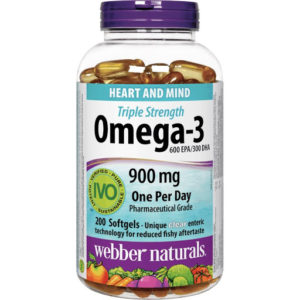
Webber Naturals – Triple Strength Omega-3 (900mg EPA / DHA) 200 capsules Value Pack
Original price was: $398.00.$280.00Current price is: $280.00. Add to basket -
Sale!

Kirkland Signature – Omega-3 Concentrated Deep Sea Fish Oil Pills 1300mg 330 Capsules
Original price was: $350.00.$298.00Current price is: $298.00. Add to basket -
Sale!
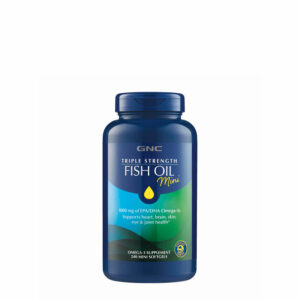
GNC – Triple Super Fish Oil Mini Capsules 240 Capsules
Original price was: $298.00.$245.00Current price is: $245.00. Add to basket -
Sale!

Swisse – Ultiboost Odorless High Concentration Wild Fish Oil 1500mg 400 Capsules
Original price was: $298.00.$220.00Current price is: $220.00. Add to basket