


































































The most misunderstood aspect of dementia is not its severity, but rather its statistics. Many widely circulated claims—"85% of patients have mild dementia," "Men should drink four cups of coffee," "Thirty yuan a day will help"—are, when broken down, incomplete and inaccurate. This misalignment leads to misguided decisions by family members: some assume the elderly person only has "mild" dementia and there's no need to rush; some insist on a specific number of cups of coffee; some mistakenly believe that gout-related "uric acid" needs to be supplemented.
This article will first clarify the actual figures for Hong Kong, and then explain the evidence for each of the four pillars (medication, cognitive training, brain-training exercises, and nutritional intervention), what they can and cannot do. A considerable amount of space will be devoted to the "nutritional combination," as it is the most error-prone part of the entire article: there are common misalignments in the ingredient names, research periods, and percentage effects.
First, some good news: Mild cognitive impairment (MCI) is not a death sentence. A meta-analysis of 48 studies and 31,876 individuals estimates that approximately... 31% MCI cases recovered to normal cognition during the follow-up period; those with higher education, weekly exercise, and daily household chores had a higher chance of recovery. This does not mean we can relax, but it means that "doing something early" is meaningful.
| If your situation is | This article will tell you |
|---|---|
| Elderly family members start asking the same questions repeatedly and forgetting appointments. | Section 3: Which "forgetfulness" is normal aging, and which deserves scheduled evaluation? |
| I was just diagnosed and would like to know how the four pillars of care are divided. | Sections 4-7: Evidence for each of the four pillars and Hong Kong resources |
| Consider buying the "Brain Health Nutrition Combo". | Sections 8-10: Composition, Differences between 24 and 36 Months, and the Difference Between Uridine and Uric Acid |
| Want to prevent it through diet and coffee | Sections 11-12: How the Mediterranean diet is implemented, and the actual figures for coffee and berries. |
| Already taking medication or have other illnesses | Section Thirteen: Drug Interactions, Gout, Kidney Disease, and Warning Signs for Seeking Medical Attention |
I. Cognitive impairment is not "normal aging".
Dementia (formerly known as encephalopathy or Alzheimer's disease) refers to the damage to brain nerve cells that affects memory, comprehension, language, learning, calculation, and judgment, to a degree that can interfere with daily life. It is a "syndrome," not a single disease: Alzheimer's disease accounts for about 75%, vascular cognitive impairment accounts for about 22%, and the remainder are caused by other factors.
The two typical pathologies of Alzheimer's disease areβ-amyloid plaques與tau protein neurofibrillary tanglesThe two differ in their location and order of appearance: plaques appear earlier and are more widespread; tangles begin in the entorhinal cortex and hippocampus and then spread outwards. The hippocampus is responsible for converting short-term experiences into long-term memories, so "not remembering things that just happened, but remembering things from a long time ago" is the most typical early appearance.
However, the relationship between pathology and symptoms is not one-to-one. What is truly most closely linked to cognitive performance is...Number of synapses—The junctions where nerve cells transmit messages. Plaques and tangles damage nearby dendritic spines and axon terminals, leading to a gradual reduction in synapses; anatomical studies have consistently shown that synaptic density is a better indicator of pre-mortem cognitive scores than the number of plaques. This is important: it explains why "synapse protection" has become a starting point for nutritional research, and why simply clearing plaques does not necessarily equate to simultaneous symptom improvement.
The third category of causes deserves separate mention because it has practical implications: hydrocephalus, brain infection, hypothyroidism, medication effects, and depression can all produce cognitive impairment-like symptoms, and these conditions are treatable. Therefore, the purpose of cognitive assessment is not merely "labeling," but also identifying manageable aspects. If the elderly person's confusion is...It suddenly appeared within a few daysIt should be treated as an acute problem, rather than being observed slowly.
II. Hong Kong's figures: 9.3% and the true meaning of "85%"
The statement that "one in ten people aged 70 and above has cognitive impairment" is correct. A community study conducted in 2005-2006 by the Department of Health's Elderly Health Service and the Department of Psychiatry, Faculty of Medicine, Chinese University of Hong Kong, estimated that the rate of cognitive impairment of varying degrees among Hong Kong residents aged 70 or above was [missing information]. 9.3%;female 15.3%,male 8.9%The same study found that the rate doubles with age: approximately 1.2% for those aged 60 to 65, and reaches [amount missing] for those over 85. 32%The risk doubles on average for every 5 years of age increase.
As for "nearly 85%"—this needs to be clarified because it is the most frequently misspelled word.
84.6% refers to the proportion of "identified patients in the mild stage".In the same study, moderate cases accounted for 9.81 TP4T, and severe cases accounted for 5.61 TP4T. It is a...Composition ratio of disease stagesIt is not true that "mild cognitive impairment (MCI) accounts for 85% of all patients." MCI is a transitional state between normal aging and cognitive impairment, and it is not counted in the confirmed cases of cognitive impairment. Confusing the two will make people think that "85% of patients are just in the early stage and there is no need to worry." In fact, 85% have reached the diagnostic threshold for cognitive impairment, but they are still in the mild stage.
Another statistic from the same study is worth remembering: at that timeOnly 11% The patients have already been diagnosed by doctors. This means that nearly 90% of cases go unidentified in the community, and the early stages are precisely when intervention is most effective.
| Common sayings | Actual situation |
|---|---|
| "1 out of every 10 people aged 70 and above" | Correct orientation: 9.31 TP4T for those over 70 years old, 15.31 TP4T for women, and 8.91 TP4T for men. |
| "85% of patients have mild cognitive impairment." | It should be "84.61 TP4T cells were identified in the patients".Mild stage"——This refers to disease staging, not the prevalence of MCI." |
| "Six out of ten patients begin with memory loss." | Memory decline is the most common starting point, but there is no reliable "60%" percentage to draw conclusions from. |
| "The patient's condition will only get worse." | MCI does not guarantee progress: A meta-analysis estimates approximately 311 TP4T to restore normal cognitive function. |
| There are approximately 100,000 patients in Hong Kong. | The Hospital Authority estimated in 2018 that the number of people aged 60 and above would rise from approximately 100,000 in 2009 to approximately 330,000 in 2039. |
Incidentally, let me explain the scale of MCI. A meta-analysis in 2025, including 51 studies and 287,689 older adults, estimated the prevalence of MCI among the global older population to be [missing information]. 23.7%However, this figure is highly sensitive to diagnostic criteria and the study population; different surveys can vary by more than double, making it unsuitable as a local constant. What is certain is that MCI is far more common than a confirmed diagnosis of cognitive impairment, and it is a…Can move in both directionsThe state.
III. Early Signs: Which Forgotten Symptoms Require Medical Attention
"Forgetting the content of conversations or the location of objects three or more times a week" is a commonly cited threshold. It is useful for reminding people of frequency, but it is not accurate on its own—insufficient sleep, low mood, thyroid dysfunction, and certain medications (especially those with strong anticholinergic effects) can all cause the same symptoms.
The key to judging is not "whether or not they forgot", but...Compared to six months ago, has there been a significant decline, and has it affected daily life?An evaluation should be arranged when the following conditions are met simultaneously:
- Repeated questionsAsking the same question three times within ten minutes, and not remembering asking it.
- Financial issues started to go wrong.Tasks that used to be easy, such as finding replacements, making payments, and keeping accounts, have become chaotic.
- Getting lost in a familiar placeIt's not that you need navigation to go to a new place, but that even routes you've followed for decades can lead you astray.
- The wording became ambiguous.: If you can’t name a commonly used item, use “that thing” instead.
- Decreased judgmentThey lose their guard against obvious scams and unreasonable offers.
- Putting things where they shouldn't be.For example, a remote control is left in the refrigerator and cannot be recalled.
- Mood and personality changesPreviously active people withdraw from social interactions, become irritable, suspicious, or indifferent.
In contrast, normal aging often manifests as "not remembering something immediately, but remembering it later"—the name is on the tip of one's tongue, or an item is missed on a shopping list, but daily living functions are not affected. This distinction is more useful than any single score.
It's worth noting that the elderly are often the last to notice these changes. If family members observe these changes, a more effective approach is...First, accompany him to see the family doctor.Instead of directly arguing "you have a problem," family doctors can initially rule out anemia, thyroid disorders, vitamin B12 deficiency, depression, and medication effects, and then refer patients to memory clinics or specialists for evaluation as needed. Information from the Department of Health's Elderly Health Services also indicates that seeking medical help early helps family members learn how to manage emotional and behavioral problems, reducing unnecessary friction.
IV. Division of Labor among the Four Pillars
Medication, cognitive training, brain-training exercises, and nutritional intervention are often described as "indispensable." A more accurate statement would be that they address different levels of problems, have significantly different strengths of evidence, and should not be treated as equals.
| pillar | What to do in practice | Strength of evidence | Hong Kong Resources |
|---|---|---|---|
| drug | Determined by doctors based on diagnosis, stage, and biomarkers; used to improve symptoms or slow early degeneration. | Stronger, falls within the prescription range | Public hospital memory clinics, geriatric psychiatric departments, private neurology clinics |
| Cognitive training | Structured cognitive stimulation, training, or rehabilitation is often led by occupational therapists or trainees. | Moderate; more noticeable for mild to moderate cases. | Jockey Club Senior Citizens' Home, Elderly Centre, Day Care Centre |
| Brain-boosting exercises | A multi-faceted exercise program that combines aerobic exercise, strength training, and balance training, performed regularly each week. | Moderate to strong, with additional benefits for blood pressure, blood sugar, and mood. | Senior health center, community wellness center, park tai chi class |
| Nutritional intervention | Whole diet pattern (Mediterranean/McD diet) + specific nutritional combinations | Dietary patterns are observational; randomized controlled trials exist for specific combinations, but the endpoints are controversial. | Foods for medical purposes are used after evaluation by a registered dietitian or physician. |
Of the four, only medication is prescription-only; the advantage of the other three is that they can be done "on your own," and even if the cognitive benefits are limited, they still provide substantial help with blood pressure, blood sugar, muscle strength, mood, and fall risk. This is especially important for the elderly—fall prevention and maintaining self-care ability often have a more direct impact on life than a few percentage points in the cognitive score.
V. The Pillar of Medication: From Symptom Control to Anti-Amyloid Antibodies
For the past two decades, medications for cognitive impairment have primarily fallen into two categories: acetylcholinesterase inhibitors (donepezil, rivastigmine, galantamine) and memantine. Their role is to improve or stabilize symptoms, without significantly affecting the pathology of the brain itself. This is the background to the long-standing statement that "the medical community has been unable to stop brain atrophy."
This statement needs to be revised in recent years.Anti-amyloid monoclonal antibodyLecanemab and donanemab have been approved for use in some regions.Early Alzheimer's disease diagnosed by biomarkersAnd in randomized controlled trials, it showed that it could slow down degradation, albeit to a moderate degree:
- Lecanemab (Clarity AD)At 18 months, the intergroup difference in the severity of CDR-SB deterioration was: 0.45 points。
- Donanemab (TRAILBLAZER-ALZ 2)At 76 weeks, the iADRS difference between groups in the low to moderate tau population was: 3.25 points。
The costs also need to be clearly explained: In the pivotal trial, the ARIA-E in the lecanemab group was [missing data]. 12.6%donanemab group 24.0%Individuals carrying the APOE ε4 gene are at higher risk. Medication requires regular magnetic resonance imaging (MRI) monitoring and is only suitable for patients with early-stage, confirmed amyloid pathology.
Therefore, the most practical conclusion for the family is not "there is a new drug so there is no need to rush," but rather the opposite:These medications have a time limit.These are used in the early stages; the later the diagnosis, the lower the chance of meeting the criteria. This is consistent with the rationale for "early assessment."
As for availability, indications, and fees in Hong Kong, the arrangements vary between hospitals and private clinics. The attending physician must explain each case individually, and it is not advisable to compare or request prescriptions on your own.
VI. Cognitive Training: It's not just about playing Sudoku
"Using your brain more" is the right direction, but "playing Sudoku and Mahjong" is only a small part of it. A systematic review and meta-analysis based on the GRADE method in 2025 (included in the Italian guidelines for cognitive impairment and MCI) divided this type of intervention into three types, with different effects:
- Cognitive stimulationActivities can be conducted in small groups or individually, primarily involving discussions, reality-oriented approaches, and reminiscence. Regardless of the severity of the illness, these activities are helpful in maintaining cognitive function.
- Cognitive trainingStructured practice targeting specific abilities (memory strategies, attention, problem-solving).MildThe patient's overall understanding is helpful.
- Cognitive rehabilitationFocus on everyday goals, such as relearning how to use a telephone or manage medication.MildIt helps improve the patient's functional performance and significantly reduces the burden on caregivers.
The common thread among the three is that they are "structured, goal-oriented, and guided," rather than simply playing mahjong alone in front of a screen. Mahjong is mentioned because it involves social interaction, rule memorization, calculation, and alternating attention; however, if the elderly do not enjoy it, forcing them to participate may increase their stress.
At the home level, training can be integrated into daily life: the elderly can be responsible for calculating grocery expenses, remembering the day's schedule, and performing the tea-making steps in sequence. The Department of Health's Elderly Health Services provides a [relevant resource/program/etc.].Home training activities suitable for elderly people with cognitive impairmentBased on ability levels, you can directly follow the instructions.
VII. Brain-boosting exercises: combine aerobic, strength, and balance exercises.
Exercise is the most reliably supported of the four pillars. A meta-analysis in 2023 (21 studies) showed that...Multi-sports—Including aerobic capacity, muscle strength, balance, and flexibility—it has a moderate effect on overall cognition in patients with cognitive impairment (Hedges' g) 0.403The overall cognitive function (g) was 0.168–0.638, with g values of 0.344 for executive function, 1.132 for muscle strength, and 0.402 for activities of daily living. In the MCI group, the overall cognitive effect was greater (g). 0.978,0.298–1.659).
"Diversity" is the key word. Walking alone brings the benefits of aerobic exercise and mood improvement; adding strength training twice a week (using resistance bands, water bottles, and chair stand-ups) helps manage sarcopenia and the risk of falls; and adding balance exercises (single-leg standing, Tai Chi, Baduanjin) addresses the hip fracture, the most feared outcome for the elderly.
| project | Recommended serving size | example |
|---|---|---|
| oxygen | 150 to 300 minutes of moderate-intensity exercise per week, which can be accumulated in multiple sessions. | brisk walking, cycling, water sports |
| Muscle strength | Two or more days a week, covering both upper and lower limbs | Chair stand-up, resistance band rowing, water bottle lifting |
| balance | Two to three times a week, with the assistance of others or stable support. | Tai Chi, standing on one leg, walking in a straight line with heel and toes |
World Health Organization 2019Guidelines for reducing the risk of cognitive decline and cognitive impairmentThe recommendations include physical activity, along with reminders to quit smoking, control blood pressure and diabetes, and maintain social engagement. These recommendations share the common thread of being "beneficial to overall vascular health"—vascular cognitive impairment follows the same pathway as stroke, hypertension, and diabetes.
It's important to note that exercise does not replace medication or assessment. If an older adult has never exercised, or has heart disease, serious heart valve problems, uncontrolled high blood pressure, or a recent history of falls, they should consult a doctor before starting.
8. Why is "combination" emphasized in nutritional intervention?
The nutrition section is complex because it discusses two things simultaneously:Overall Dietary Pattern與Specific nutritional combinationsThe former concerns "what to eat every day," while the latter concerns "several ingredients in a single recipe." The nature of the evidence for the two is entirely different.
Let's start with the mechanism. Synaptic membranes are mainly composed of phospholipids, with phosphatidylcholine being the majority. The human body synthesizes phosphatidylcholine via the so-called Kennedy pathway, which requires three raw materials:
- Choline— Directly connect to the head that becomes phospholipid.
- uridine—It is converted into CTP in the body, serving as the energy and raw material source for the synthesis steps. The formula uses [CTP].Urate monophosphate (UMP)。
- DHA—Omega-3 fatty acids, which form the fatty acid tail of synaptic membrane phospholipids.
If any one of these three is missing, the pathway will not function smoothly. This is the theoretical basis for "combination rather than single component": in animal studies, simultaneous administration of uridine and DHA can increase dendritic spine density and cognitive performance; administering one alone has a weaker effect. A small human study also showed that after 17 healthy men took 2 grams of uridine daily for 7 consecutive days, an increase in brain membrane phospholipid precursors was detected by magnetic resonance spectroscopy.
In addition, the formula usually also containsVitamin B complex (folic acid, B6, B12)Phospholipids, vitamins C and E, and selenium. The role of B vitamins is not to directly form synapses, but rather to lower plasma homocysteine levels—high homocysteine levels are associated with faster brain atrophy. This is supported by a randomized controlled trial: the VITACOG study in 271 individuals over 70 years of age with MCI, who were given folic acid 0.8 mg, vitamin B12 0.5 mg, and vitamin B6 20 mg for 24 months, saw their annual rate of brain atrophy decrease from 1.081 TP4T to [a decrease in the rate of brain atrophy]. 0.76%(p=0.001); In the group with baseline homocysteine levels higher than 13 µmol/L, the atrophy rate was lower. 53%。
Here, the levels of evidence need to be specified: animal and mechanistic studies support the conclusion that "these components are involved in synapse formation," while human metabolic studies support the conclusion that "they do indeed enter the brain's phospholipid pool after oral administration."Mechanism establishment does not equate to clinical effectivenessWhether it is effective depends on the clinical trials of the combination – which will be discussed in the next section.
IX. Empirical evidence for that combination: the difference between 24 months and 36 months.
The main evidence for commercially available medical purpose foods that meet the above ingredient combinations comes from [source missing]. LipiDiDiet The trial involved 311 patients with prodromal Alzheimer's disease (i.e., those who have developed cognitive symptoms but have not yet reached the level of dementia), who were randomly assigned to either a group receiving 125 ml of nutritional beverage daily or a control group. The trial was conducted in a double-blind manner. The results of this trial should be interpreted in two parts, and the most common mistake is to confuse the two parts.
24 months (2017, The Lancet Neurology)The primary endpoint was the change in the neuropsychological test combination (NTB). The results showed a difference between the two groups. 0.098(95% CI −0.041 to 0.237, p=0.166).Not statistically significantThe researchers' explanation deserves full citation: the regression in the control group was much smaller than originally estimated, making the primary endpoint insufficiently determinant; however, differences were observed between groups in secondary endpoints such as cognition, function, and hippocampal atrophy.
36 months (2021, Alzheimer's Disease & Dementia)The results changed after the same group of participants were followed up for an extended period.
| index | result | Statistical value |
|---|---|---|
| NTB Five-Item Composite Score | Slower degradation 60% | The difference between groups was 0.212 (0.044–0.380), p=0.014 |
| CDR-SB (Daily Functions and Overall Installment Payment) | Slower degradation 45% | p=0.014 |
| memory | Slower degradation 76% | p=0.008 |
| Brain atrophy indicators | Differences between groups appeared | — |
| Effect dose | Cohen's d 0.25 to 0.31 | Similar to existing Alzheimer's medications |
Therefore, the figure of "recession reduced by 45%" is true, but it belongs to... A 36-month analysis of 2021, specifically focusing on the CDR-SB indicator.;itno The results of the 24-month study in 2017 cannot be directly generalized to "all patients will be halved in terms of speed." At 36 months, complete analyzable data was available for 81 individuals—a limitation that must be considered when interpreting the data.
The reasonable conclusion based on both paragraphs is:In patients in the early (prodromal) stage, the benefits of this combination become more pronounced with increasing usage time.It failed to meet the primary endpoint at 24 months and showed differences in multiple clinical and atrophy indicators at 36 months; it cannot replace drugs and diagnosis, nor is it a common vitamin, but rather a medical purpose food that requires medical evaluation before use.
Several points were mentioned by doctors during interviews but are rarely relayed: this type of formulaPrimarily for early-stage patientsThe effects are not ideal after the middle stage; patients in the middle and late stages are more common.Overall malnutritionThe focus should be on calories, protein, and dehydration, not on a single formula. Furthermore, there is currently no data showing that it can...preventionCognitive impairment—for people who have developed symptoms—is two different things from for people who have no symptoms at all.
As for emotions and sleep, there is limited information in publicly available literature, and most of it consists of subjective reports from users. These should be regarded as individual experiences rather than established efficacy.
10. Uric acid and uridine: a difference of only one word, but opposite in meaning.
This section may seem trivial, but it is the part of the whole article that most needs to be corrected.
The ingredients in the formula areUridine/Uridine monophosphate (UMP),noUric acidThe two differ by only one character in Chinese, but are completely different chemically:
| uridine | Uric acid | |
|---|---|---|
| What is it? | A nucleoside, a building block of RNA. | The final products of purine metabolism |
| Function in the brain | CTP participates in the synthesis of phosphatidylcholine and is involved in synaptic membrane formation. | It is an antioxidant, but it does not act as a "brain-boosting ingredient". |
| Relationship with disease | It is studied as a nutritional component. | Slightly higher andGoutUric acid stones, kidney disease-related |
| People to watch out for | Generally used according to the prescribed dosage. | Gout patients shouldcontainmentNot a supplement |
If a gout patient sees the phrase "supplement uric acid" and misunderstands it, the approach is completely opposite—the principle of gout treatment is to lower blood uric acid, not increase it. When purchasing or discussing such formulas, carefully read the label to see what it says. uridine monophosphate still uric acidThat way, there will be no confusion.
Let me also clarify the actual locations of the other ingredients to avoid the misconception that "one ingredient is a panacea":
- cholineIt is abundant in egg yolks, liver, soybeans, and fish; it is a raw material for acetylcholine and phospholipids. The daily requirement for adults is in the hundreds of milligrams.
- Vitamin B12, B6, folic acidIts main function is to lower homocysteine levels; it is more effective for people with high homocysteine levels, but has limited effect on people with normal levels.
- DHA/EPAStructurally, it is the raw material for synaptic membranes and retinal cell membranes; the results of observational studies and randomized trials are inconsistent, and supplementing it alone has limited help in cognitive endpoints.
- Vitamins C, E, and SeleniumIt plays an antioxidant role and is considered an auxiliary ingredient in the formula; its effects should not be expected on its own.
XI. How did the Mediterranean diet find its way onto Hong Kong dining tables?
The Mediterranean diet and the MIND diet are two of the most frequently mentioned dietary patterns. Their evidence primarily comes from observational cohorts—those with higher adherence rates experienced slower cognitive decline; however, results from randomized controlled trials are inconsistent. Regarding the question of "whether they work," a more honest answer is:As a whole, its dietary benefits are quite consistent with those of cardiovascular health, blood pressure, and weight management; additional cognitive benefits are still accumulating evidence.
The real challenge lies in implementation. Olive oil, whole-wheat bread, cheese, and red wine are quite different from the daily routines of Hong Kong families; moreover, the elderly often have limitations in teeth, swallowing, appetite, and cooking ability. Here are a few directly replaceable options that don't require a complete change in dietary habits:
| Mediterranean elements | Replacement of Hong Kong dining tables |
|---|---|
| olive oil | Use canola oil or olive oil for stir-frying; a small amount of sesame oil can also be used for cold dishes. |
| Deep-sea fish twice a week | Salmon, sardines, mackerel; or when steaming fish, choose sea bass or yellow croaker. |
| Whole grains | Mix white rice with brown rice, oats, and quinoa; choose whole-flake oats for breakfast. |
| Legumes and nuts | Tofu, edamame, black-eyed peas; a small handful of unsalted nuts daily. |
| Large quantities of vegetables | Follow the "Two Plus Three Daily" rule: Consume at least two servings of fruit and three servings of vegetables daily, with dark leafy greens making up half of the intake. |
| Replace processed meat with white meat | Reduce the amount of sausage, luncheon meat, and bacon; replace with steamed chicken, fish, and tofu. |
What we need to avoid is actually more important than what we need to join:High sodium(Pickled foods, sauces)High sugar(Sweetened drinks, sweet buns)Processed meatThese three factors are more directly related to vascular health and blood pressure than any "superfood." The risk of vascular cognitive impairment already follows the same path as high blood pressure, diabetes, and stroke.
If an elderly person already has difficulty swallowing, weight loss, or dental problems, the focus of their diet should first be on...Sufficient calories and proteinIf necessary, refer them to a speech therapist or registered dietitian, rather than advocating for "eating like the Mediterranean."
12. Coffee and Berries: How Much Can Observational Evidence Say?
These two items are probably the most frequently asked questions by family members about "things they can do themselves," and they are also the easiest to make mistakes because the numbers are simplified.
coffee.There's a popular saying: "Men should drink four cups a day, and women three cups." However, this combination isn't supported by any literature. Original reports stated "men should drink at least three cups a day," but the largest meta-analysis to date presents a different picture: a 2024 study... 38 queues, 751,824 peopleStudies have shown that the risk ratio for cognitive impairment was higher in the group with the highest coffee intake compared to the group with the lowest intake. 0.95 (0.87–1.02),Not statistically significantThe dose-response relationship is non-linear, with lower risks concentrated in...1 to 3 cups dailyIn the same study, the signal from tea was actually clearer: the highest intake group showed a lower response rate (RR). 0.84 (0.74–0.96)The risk ratio was 0.96 for each additional cup (0.94–0.99). The level of evidence for all results was rated as "low".
Therefore, there is no evidence to support the claim of "drinking four cups," and the costs must be considered: insomnia, palpitations, stomach upset, blood pressure fluctuations, and interactions with certain medications. The recommended upper limit for caffeine intake for pregnant women is generally 200 mg per day (about one medium cup of coffee). For the elderly...One to two cups, and it won't affect sleep.This is much more reasonable than pursuing the number of cups.
Berries.The suggestion of "two servings of strawberries and one serving of blueberries per week" also has no source. The actual research did this: a tracking... 16,010 women aged 70 and overA cohort study analyzing long-term dietary flavonoid intake found that those with higher intakes of blueberries (p-trend 0.014) and strawberries (p-trend 0.022) experienced slower cognitive decline; translating to...Delaying cognitive aging by up to 2.5 yearsThe research is looking at...totalThe highest intake is about two servings or more per week, without specifying serving sizes for the two types of berries separately.
It's important to note the limitations: this is an observational study, it only involves women, and dietary data is based on self-reported questionnaires, so causality cannot be proven. However, its practical significance is clear—making berries (fresh or frozen) a part of your daily fruit intake is low-cost, low-risk, and aligns with the "two plus three every day" approach.
| statement | Verification results |
|---|---|
| Men should drink 4 cups of coffee daily, and women 3 cups. | No corresponding literature was found; the meta-analysis showed that the benefits were concentrated in 1 to 3 cups per day, with the highest group not reaching a significant effect. |
| Coffee may prevent cognitive impairment. | Observational correlation has a low level of evidence and cannot be written as a preventive measure. |
| Two servings of strawberries + one serving of blueberries per week | There is no such categorization method; the study is based on total intake, with the highest group consuming approximately ≥2 servings per week. |
| Berries can delay cognitive aging by 2.5 years. | Conversions derived from single-female cohort studies, non-clinical endpoints |
13. When is it necessary to seek medical attention, and who should be especially careful?
The following situations should not be observed and medical attention should be sought immediately: If acute confusion, altered consciousness, seizures, unilateral weakness, or slurred speech occurs, please...Call 999 immediately。
- Things suddenly became chaotic within a few days.It could be due to infection, dehydration, electrolyte imbalance, adverse drug reaction, or acute cerebrovascular event.
- Memory or language abilities decline significantly within a few weeks.It is necessary to rule out manageable factors such as thyroid disease, vitamin B12 deficiency, depression, and hydrocephalus.
- Sudden personality change, hallucinations, or feelings of persecutionIt may be related to Lewy body cognitive impairment or medication.
- Unsteady gait, urinary incontinence, and simultaneous cognitive declineNormal pressure hydrocephalus needs to be evaluated.
- Significant weight loss and difficulty swallowingNutritional deficiencies and increased risk of aspiration pneumonia.
- The caregiver has experienced insomnia, depression, or physical problems.Caregivers themselves also need support, which is part of the assessment.
There are several groups of people who should be especially cautious when using supplements:
| Condition | What to pay attention to |
|---|---|
| Gout or high uric acid | It's important to distinguish between uridine and uric acid; control your purine intake and avoid self-supplementing uric acid. |
| Chronic kidney disease | The formula contains protein, potassium, and phosphorus, and must be adjusted according to the stage by a doctor or nutritionist. |
| Taking anticoagulants (warfarin, etc.) | Vitamin E and fish oil may increase the risk of bleeding; consultation is necessary first. |
| Taking antihypertensive drugs or diabetes medication | Be mindful of low blood pressure and blood sugar; consult your doctor before making any dietary changes or adding supplements. |
| Difficulty swallowing | Beverage formulations must be assessed for consistency to avoid choking. |
| Taking multiple medications | Strong anticholinergic drugs may worsen confusion; please have your prescription reviewed by a doctor or pharmacist. |
Finally, resources. Provided by the Hong Kong Association for Cognitive Disorders.Disease Information and Family SupportJockey Club Senior Citizens' ParkOffers day center, training and caregiver coursesThe services are also available at elderly centres, district health centres and Hospital Authority memory clinics. The value of these supports often lies not in “improving the condition”, but in enabling patients to maintain their original lifestyle while they are still able to.
XIV. Frequently Asked Questions
Are cognitive impairment, neurodegeneration, and Alzheimer's disease the same disease?
These are different names for the same concept. "Cognitive impairment" is the more commonly used name nowadays, while "dementia" is also frequently used locally; "Alzheimer's disease" is an older term that carries a negative connotation and is less commonly used nowadays. It is a syndrome that includes Alzheimer's disease, vascular cognitive impairment, and other diseases with various causes.
Will mild cognitive impairment (MCI) always develop into cognitive impairment?
Not necessarily. A meta-analysis estimates that approximately 31% cases of MCI will regain normal cognition, while the remainder will remain stable or show some progress. Education level, age, cognitive score, and whether or not one engages in physical activity or household chores are all related to the chances of recovery. This is the rationale for "early intervention"—not because it is bound to worsen, but because there is still room for change.
Can cognitive impairment be cured?
Currently, it is not possible. Existing medications can improve symptoms or slow early degeneration, but lost nerve cells will not return. Therefore, the focus is on "delaying" and "maintaining the ability to live a normal life," rather than waiting for a way to completely reverse the process.
At what age should we start paying attention?
There is no single threshold. The risk increases significantly from age 60, roughly doubling every 5 years. People with a family history of hypertension, diabetes, a history of stroke, depression, or head trauma should be aware of and manage their vascular risk factors early on.
How many cups of coffee do I need to drink to be effective?
There is no recommended dosage. Existing meta-analyses show that the lower risk is concentrated in 1 to 3 cups per day, with a low level of evidence, and the highest intake group did not reach statistical significance. Rather than pursuing the number of cups, it is better to ensure that it does not affect sleep, does not cause palpitations, and be aware of interactions with medications.
How many blueberries and strawberries should you eat?
There is no official serving size. In observational studies, a total of two or more servings per week constitutes a higher intake group, equivalent to delaying cognitive aging by up to 2.5 years. In practice, it can be considered part of your daily fruit routine; fresh or frozen is fine.
What's the difference between nutritional supplements and regular vitamins?
Regular vitamins supplement one or more nutrients; these formulas combine phospholipids, uridine monophosphate, choline, DHA/EPA, B vitamins, and antioxidants in specific proportions. They are classified as "medical-purpose foods" and must be used after medical evaluation. Evidence for their use comes from specific formulas and specific population groups, and cannot be generalized to other brands or self-composed combinations.
When should I start taking it? Is it still effective if I start in the middle of the course of treatment?
Current trials target patients in the prodromal and mild stages, and do not cover the middle and late stages. Doctors interviewed also pointed out that the effects are not ideal after the middle stage, and that more attention should be paid to overall calorie, protein, and water intake at this stage to avoid malnutrition.
Are playing mahjong, Sudoku, or online games useful?
Structured, social, and goal-oriented activities are more helpful. Synchronous analysis shows that cognitive stimulation is helpful across different severity levels, with cognitive training and cognitive rehabilitation showing more significant effects on mild cases. Improvements in gaming scores alone do not necessarily translate into improved daily functioning.
What should I do if my family refuses to see a doctor?
Avoid starting with "You're sick." Instead, mention physical discomfort (dizziness, insomnia, high blood pressure) and accompany them to their family doctor. Alternatively, consult a senior center or social worker, asking them to contact you under the guise of an activity or checkup. If impaired judgment affects financial security, handle authorization and bank arrangements promptly.
Will supplements interact with medications?
There is a chance. Fish oil and vitamin E may increase the risk of bleeding (especially when used with anticoagulants); formulas containing potassium and phosphorus can be a burden for patients with kidney disease; some ingredients may affect blood pressure or blood sugar. The easiest way to start any supplements is to have your complete prescription reviewed by your doctor or pharmacist.
What kind of support does the government offer?
Public hospitals have memory clinics and geriatric psychiatric departments; the Social Welfare Department and non-governmental organizations provide day care, temporary care services, and caregiver support; elderly centers and district health centers offer cognitive training and health lectures. Specific waiting times and eligibility requirements vary by district and can be obtained through referrals from family doctors, medical social workers, or elderly centers.
Source of information
- Department of Health:A study on cognitive abilities in the elderly (9.31 TP4T for those over 70 years old, 84.61 TP4T for mild cases, and only 111 TP4T for those diagnosed).
- Department of Health Elderly Health Services:Home training activities suitable for elderly people with cognitive impairment
- World Health Organization:Guidelines for reducing the risk of cognitive decline and dementia (2019)
- Soininen H et al.:The LipiDiDiet 24-month randomized controlled trial (Lancet Neurol 2017)
- Soininen H et al.:LipiDiDiet 36-month results (Alzheimer Dement 2021)
- Smith AD et al.:B vitamins reduce homocysteine levels and the rate of brain atrophy (PLoS One 2010, VITACOG)
- Wurtman RJ et al.:Oral uridine and DHA promote synapse formation (J Nutr Health Aging 2009).
- Silveri MM et al.:Short-term uridine supplementation increases meningeal phospholipid precursors (Bipolar Disord 2010)
- Zhang Y et al.:A meta-analysis of tea, coffee, and caffeine intake and the risk of cognitive impairment (Food Funct 2024)
- Devore EE et al:Berries and flavonoids intake and cognitive decline (Ann Neurol 2012)
- Wang Y et al.:A meta-analysis of multiple motor activities in cognitive impairment and MCI (Arch Phys Med Rehabil 2023)
- Baglio F et al.:A systematic review of cognitive stimulation, cognitive training, and cognitive rehabilitation (GeroScience 2025)
- Review of anti-amyloid monoclonal antibodies:Efficacy of lecanemab versus donanemab, ARIA and implementation considerations (Neurol Int 2026)
- Global Prevalence Analysis of MCI:51 studies, 287,689 seniors (BMC Geriatr 2025)
- Integrative analysis of MCI's return to normal cognition:48 studies, 31,876 people (Geriatr Nurs 2025)
- Hong Kong Association for Dementia:Disease information, diagnosis and family support
- Jockey Club Senior Citizens' Garden:Day Center, Training and Caregiver Courses
Further Reading
- Be aware of the warning signs of cognitive impairment
- Brain-nourishing tips to prevent brain degeneration
- High stress may lead to cognitive impairment: WHO's nine tips to slow brain degeneration
- Can proanthocyanidins improve brain function in the elderly?
- Nutritional value and health benefits of mushrooms
- Fish oil, mini capsules, or B12? The formulation and selection of brain health products.
Health Declaration:This article is a compilation of health information and does not constitute medical advice, nor can it replace a doctor's diagnosis and prescription. Assessment, medication, and the use of any formula foods for cognitive impairment must be determined by a doctor on an individual basis. If an elderly person experiences acute confusion, altered consciousness, seizures, unilateral weakness, or slurred speech, please call 999 immediately. Individuals currently taking anticoagulants, antihypertensive drugs, diabetes medications, or who have gout, chronic kidney disease, or difficulty swallowing should consult a doctor or pharmacist before starting any supplements.
Related Products:
-
Sale!

Unichi – Teddi Lab® Gummy Bears Gummy Bears for Hair Growth Upgraded Sea Salt and Green Titanium Flavour 60 Capsules
Original price was: $170.00.$125.00Current price is: $125.00. Add to basket -
Sale!
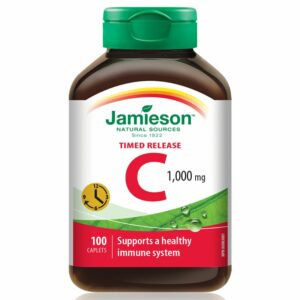
Jamieson – Long Lasting Vitamin C 1000mg 100 Tablets
Original price was: $138.00.$108.00Current price is: $108.00. Add to basket -
Sale!
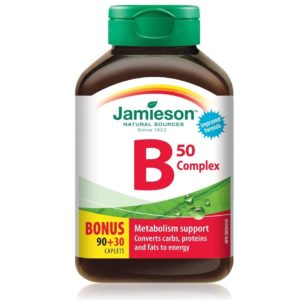
Jamieson – Natural Vitamins B complex 50 120 capsules
Original price was: $168.00.$98.00Current price is: $98.00. Add to basket -
Related Post:
![均衡備餐與體重管理]()
Weight Management Shopping Guide: 8 Selected Probiotics, Apple Cider Vinegar, and Herbal Formulas
![我們的選品標準與定價說明]()
Health supplement selection? Our product selection criteria and pricing guidelines
![從整理日常需要開始,讓選購與休息安排都有方向]()
Choosing between B50 and B100: Starting with the ingredients; Comparison of 8 stress-relief supplements.
![香港家庭在家中準備包含奶類、乳酪及蔬菜的一餐]()
Incorporate bone-strengthening nutrients into your daily routine: Calcium, Vitamin D, and the selection of 8 products.