


























































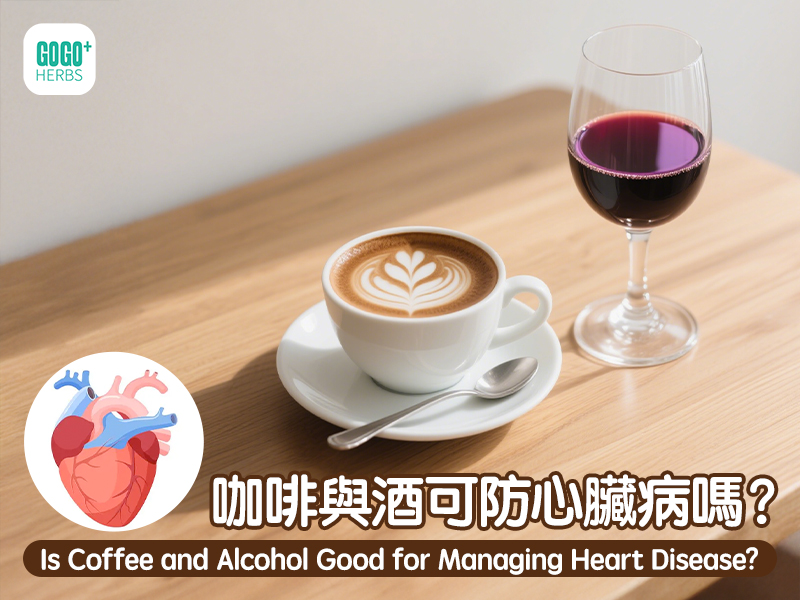
Drinking coffee before work to stay alert and alcohol after work to relax have become common habits for many urban dwellers. But do these habits actually have a positive or negative impact on the heart? Dr. Wong Chi-yuen, a Fellow of the Hong Kong Academy of Cardiology and a cardiologist, advises, based on a review of multiple international studies: those who have never drunk alcohol or coffee should not consider these drinks as "supplements" to enhance vascular health; excessive consumption of coffee or alcohol in a short period will inevitably increase the risk of heart disease.Stroke risk。
In recent years, foreign media outlets have repeatedly cited medical experiments from various countries, suggesting that moderate coffee consumption may help prevent heart disease. These studies mention that caffeine can stimulate the heart and provide a stimulating effect, and animal experiments have shown that caffeine helps stabilize insulin levels and control blood sugar, seemingly offering numerous benefits. However, after reviewing numerous medical documents, Huang Zhiyuan found that most of these studies are observational and have yet to prove that drinking coffee benefits heart health; the causal relationship between the two is unclear. In the absence of empirical evidence and larger-scale studies, he believes that the public should not readily regard coffee as a supplement: "If you don't have a habit of drinking it, you shouldn't..."Strengthen heart functionThey drink coffee as a supplement to strengthen blood vessels.
So, should coffee lovers hoping to prevent heart disease quit? Huang Zhiyuan believes that people with a coffee-drinking habit don't necessarily need to completely abstain; the key is to limit consumption. Medical literature has explored the relationship between heart disease risk and coffee consumption, mentioning that if daily caffeine intake does not exceed 400 mg—equivalent to drinking 2 to 3 cups of regular freshly brewed coffee—the risk of heart disease may be lower than for those who don't drink coffee at all. Huang Zhiyuan explains that this may be because some non-coffee drinkers already have varying degrees of health problems and dare not drink coffee, thus leading to the conclusion that non-coffee drinkers have a higher health risk. More importantly, long-term consumption of coffee exceeding the normal amount gradually increases the risk of heart problems, and the more one drinks, the higher the risk. He further explains that excessive caffeine intake in the long run can lead to vasoconstriction and degeneration.Blood pressure riseThis indirectly increases the risk of cardiovascular disease and stroke.
Regarding whether the risks of drinking decaffeinated coffee are different, Huang Zhiyuan stated that no difference has been confirmed at this time. He suggests that coffee lovers consider using skim milk instead of whole milk to brew coffee and try not to add sugar, which is a healthier way to drink it.
Besides coffee, he specifically pointed out that excessive alcohol consumption can also lead to an enlarged heart and heart failure. Patients may experience symptoms such as shortness of breath and swollen feet, requiring medication to regulate heart function and reduce edema to control the condition. Some may even need alcohol addiction counseling. He reminded the public that regardless of whether they have heart disease, they should never drink alcohol "like water."
Related Products:
-
Sale!
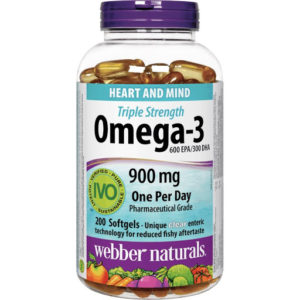
Webber Naturals – Triple Strength Omega-3 (900mg EPA / DHA) 200 capsules Value Pack
Original price was: $398.00.$280.00Current price is: $280.00. Add to basket -
Sale!

Kirkland Signature – Omega-3 Ultra Concentrated Deep Sea Fish Oil Capsules 1300mg 330 Capsules
Original price was: $350.00.$298.00Current price is: $298.00. Add to basket -
Sale!
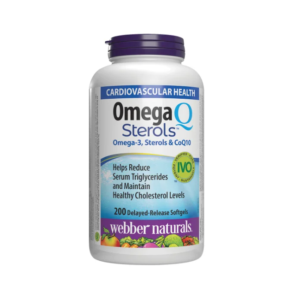
Vebogen – Omega 3 & Coenzyme Q10 & Phytosterols 200 Capsules
Original price was: $290.00.$245.00Current price is: $245.00. Add to basket -
Sale!

Webber Naturals – Omega-3 Mini Fish Oil Capsules 300mg 220 Softgels
Original price was: $198.00.$168.00Current price is: $168.00. Add to basket
Related Post:
![母親用滴管把少量植物藻油滴在食物匙上,幼兒坐在餐桌旁]()
A Complete Guide to Plant-Based Algae Oil Omega-3: Odorless, Vegetarian, and Suitable Omega-3 Choices for Pregnant Women and Infants
![牛樟芝子實體與膠囊製品示意]()
What is Antrodia camphorata? A complete guide to its ingredients, research evidence, and precautions for consumption.
![世界心臟日護心飲食場景,香港中年夫婦享用豆漿、豆腐、雞蛋與堅果,旁有心臟及細胞膜卡通示意]()
World Heart Day: Heart Health in Hong Kong Starts with Daily Life | What are the Benefits of Lecithin? Which of Three 1200mg Products to Choose From?
![香港成年人在家閱讀與休息,從日常習慣開始理解腦部健康]()
Fish oil, mini capsules, or B12? Formulas and daily choices for 8 best-selling brain health products.