
















































Develop 8 good habits to prevent stroke
Starting today, adopt a healthier lifestyle, and you'll be less likely to suffer a stroke.
1. Don't rush to get up in the morning, and remember to keep warm.
Strokes most often occur during seasonal changes and when there are large temperature differences between day and night. When you get up in the morning in winter, don't rush to get out of your warm bed. You can sit for a while or stay in bed for a bit to allow your body to adjust to the outside temperature before getting up.
Remember to bring a coat, hat, or scarf when you go out to keep warm.
2. Drink a glass of warm water after breakfast.
Drinking water in the morning primarily helps with bowel movements, ensuring smooth defecation after breakfast. Insufficient water intake or excessive straining during bowel movements can easily lead to stroke. (*Editor's Note: 8 secrets about drinking water you might not know!)
3. Measure your blood pressure regularly.
Measuring blood pressure is the most basic principle for stroke prevention. Studies have found that for every 10 mmHg decrease in blood pressure, the risk of stroke can be reduced by half. Furthermore, the latest guidelines published in the journal *Stroke* in 2014 emphasize that not only older people should pay attention to their blood pressure, but young women taking birth control pills should also have their blood pressure measured before starting the medication.
4. Engage in moderate exercise regularly.
Just 15 minutes of exercise a day, 90 minutes a week, can reduce the risk of stroke by 24%.High blood pressure butPeople who exercise regularly can even reduce their risk of stroke by 34%.
Exercise can also help prevent a second stroke in people who have had one. Dr. Lin Tzu-kan, an attending physician in the Department of Neurosurgery at Chang Gung Memorial Hospital in Linkou, reminds us that people who don't exercise are prone to blood vessel blockage, and once blood circulation is poor, even small movements can lead to big problems.
5. Eat a light diet, with less oil and salt.
A low-oil, low-fat diet can lower cholesterol and prevent ischemic stroke. The American Heart Association recommends that calories from fatty foods should not exceed 30% of total daily calories, and daily cholesterol intake should ideally be less than 300 milligrams. One egg contains about 260 milligrams of cholesterol, so eating one egg a day is fine.
advertise
Obtaining Omega-3 fatty acids from fatty fish can help control blood pressure and prevent inflammation of blood vessels. Alternatively, eating oatmeal with a handful of nuts for breakfast is also beneficial. The soluble fiber in oatmeal can reduce the absorption of cholesterol in the intestines, alter the concentration of fatty acids in the blood, and lower bad cholesterol and triglycerides; nuts contain polyunsaturated fatty acids, which can maintain the health and elasticity of arteries.
Eating less bacon and smoked meat, less savory sauce, and less commercially available stock cubes can reduce sodium intake, prevent water retention and imbalance, and avoid increasing blood pressure and heart burden.
6. Regularly check your pulse; those over 40 should have regular electrocardiograms and carotid ultrasounds.
Studies have found that there is a one in four chance of developing atrial fibrillation after the age of 40, and the chance increases with age.
Atrial fibrillation is a hidden killer that can cause stroke. If you have atrial fibrillation, your chances of having a stroke are about 5 times higher, and your risk of death is also 2 times higher. Therefore, it is recommended to check your pulse every day. A normal heart beats an average of 60 to 100 times per minute, and the pulse rate is the same as the heart rate. If you find that your pulse rate is too low or irregular, you should see a doctor immediately.
In addition, health checkups for people over 40 should include an electrocardiogram and a carotid ultrasound to check for atrial fibrillation and to measure the thickness of the carotid artery lining and the degree of arteriosclerosis to determine the risk of stroke.
For individuals aged 45 and older with a family history of stroke, metabolic syndrome, or risk factors such as smoking or migraines, Dr. Chen Long, an attending physician in the Department of Neurology at Shuang Ho Hospital, recommends adding a brain MRI or a full brain health check.
advertise
7. The revised "Guidelines for Stroke Prevention in Women" recommends that pregnant women with a history of preeclampsia take low-dose aspirin to prevent stroke.
In the past, aspirin was often considered a medication to prevent second-degree strokes. However, the American Heart Association and the American Stroke Association now recommend that women with a history of preeclampsia or who belong to a high-risk group can take low-dose aspirin starting at 12 weeks of pregnancy. Although preeclampsia usually resolves after delivery, women who experience gestational hypertension or preeclampsia during pregnancy have an increased risk of developing high blood pressure and stroke later in life.
For patients with pre-existing cardiovascular disease or stroke, the recommended dose of aspirin is 50–100 mg. In Taiwan, one aspirin tablet contains approximately 100 mg, and one tablet is taken every two days. If purchased in the United States, one tablet contains approximately 81 mg.
When taking this medication, be aware of any side effects such as ulcers, gastrointestinal bleeding, or perforation. If any of these occur, discontinue use immediately.
In addition, forWomen aged 65-79The new guidelines also recommend that they take 81 mg of aspirin daily to prevent blood clots.
8. Medication plus lifestyle changes can effectively prevent second-degree strokes.
Studies indicate that preventing a second stroke is less effective than taking medication and changing lifestyle habits (such as exercise, avoiding obesity, and quitting smoking) than implanting a stent to dilate arteries in the brain to improve blood flow.
People with high blood pressure and high cholesterol must take medication to lower their blood pressure and cholesterol regularly in order to prevent another stroke.
Dr. Lien Li-ming, director of the Neurological Intensive Care Unit at Shin Kong Hospital, pointed out that stroke patients who use antithrombotic drugs after discharge have a 67% lower risk of recurrent stroke within the next three months. Atrial fibrillation patients who take anticoagulants after a stroke can also reduce their risk of death from a stroke within three months by half.





Author. gogoherbs
Related Products:
-
Sale!
 Out of stock
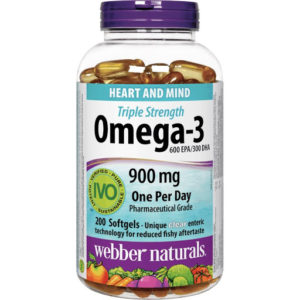
Webber Naturals – Triple Strength Omega-3 (900mg EPA / DHA) 200 capsules Value Pack
Original price was: $398.00.$280.00Current price is: $280.00. Add to basket -
Sale!

Kirkland Signature – Omega-3 Concentrated Deep Sea Fish Oil Pills 1300mg 330 Capsules
Original price was: $350.00.$298.00Current price is: $298.00. Add to basket -
Sale!
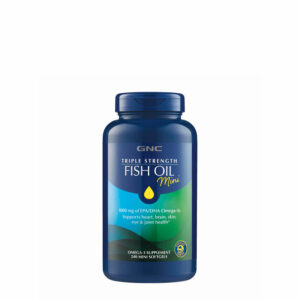
GNC – Triple Super Fish Oil Mini Capsules 240 Capsules
Original price was: $298.00.$245.00Current price is: $245.00. Add to basket -
Sale!

Swisse – Ultiboost Odorless High Concentration Wild Fish Oil 1500mg 400 Capsules
Original price was: $298.00.$220.00Current price is: $220.00. Add to basket