

































































Is coconut oil healthy? The answer depends on how you consume it, not the label.
Coconut oil comes from a plant, but that doesn't mean it can be used without limit. All oils are high in calories, but coconut oil is particularly high in saturated fat. If you only use it occasionally in small amounts in curry, baking, or certain dishes, you usually don't need to treat it as a "forbidden" food; however, if you cook with large amounts of coconut oil every day, add it to coffee, or use it as a supplement, you may end up consuming too much saturated fat throughout the day.
To determine whether an oil is beneficial to health, one cannot simply look at whether it can raise HDL (commonly known as "good cholesterol"). Current cardiovascular health recommendations place greater emphasis on LDL cholesterol, overall dietary patterns, blood pressure, blood sugar, activity levels, and smoking status.
The fat composition of coconut oil: Why should we pay attention to saturated fat?
Coconut oil contains a large amount of saturated fatty acids, including lauric acid. While lauric acid may not have the same effect as some other saturated fats, this does not mean that coconut oil can be used as a cardiovascular health oil. The American Heart Association points out that coconut oil has a high proportion of saturated fat; replacing saturated fats with vegetable oils richer in unsaturated fats is more in line with the principles of a heart-healthy diet.
Fat is not "completely off-limits"; the body needs fat to absorb some fat-soluble vitamins and to provide energy. The key is to prioritize unsaturated fat sources, such as olive oil, canola oil, peanut oil, sunflower oil, nuts, seeds, avocados, and fish, and to be mindful of the total serving size.
Does coconut oil affect cholesterol?
Studies show that coconut oil can increase HDL levels, but it may also raise LDL levels. Since elevated LDL is associated with cardiovascular risk, it cannot be concluded that coconut oil "protects blood vessels" simply because HDL levels increase. Individuals with pre-existing high cholesterol, diabetes, high blood pressure, kidney disease, cardiovascular disease, or familial hypercholesterolemia should especially avoid using coconut oil as their primary cooking oil.
If you are managing your blood lipids, practical approaches include: replacing butter, lard, coconut oil, and palm oil with unsaturated vegetable oils; eating more vegetables, legumes, whole grains, and fruits; and following your doctor's instructions regarding blood tests and lipid-lowering medication. Do not replace prescription treatment with coconut oil on your own.
Can coconut oil protect the brain or prevent dementia?
Coconut oil is often marketed as a source of medium-chain triglycerides, which, after being metabolized in the liver, produce ketone bodies, becoming one of the energy sources the brain can use. This physiological mechanism exists, but...There is still a lack of sufficient clinical evidence in humans to link the mechanism to "preventing dementia" or "improving memory".。
Cognitive function is affected by many factors, including age, sleep, blood pressure, diabetes, hearing, mood, social interaction, physical activity, smoking, and overall diet. If you experience persistent forgetfulness, difficulty handling daily tasks, or significant changes in personality or behavior, you should seek a doctor's evaluation rather than consuming large amounts of coconut oil or buying "brain-boosting" products on your own.
Are coconut oil and MCT oil the same?
Not entirely the same. MCT oil is typically a processed product primarily composed of certain medium-chain fatty acids; coconut oil, on the other hand, is a mixture of various fatty acids and also contains a significant amount of saturated fat. Certain MCT research findings should not be directly applied to general coconut oil, and MCT or coconut oil should not be used as a treatment for weight loss, blood sugar control, epilepsy, or cognitive impairment.
How to choose cooking oil for everyday cooking?
- Everyday stir-frying and pan-frying:Depending on the dish and personal taste, you can choose liquid vegetable oils with more unsaturated fats, such as olive oil, canola oil, peanut oil, sunflower oil, or soybean oil.
- Want coconut flavor:Coconut oil can be used in small amounts in certain dishes, without having to use it as the main oil in every meal.
- Don't just look at the type of oil:Fried foods, sauces, pastries, processed meats, and full-fat dairy products can all contribute to a significant amount of saturated fat; a holistic diet is more important.
- Note the portion size:Even oils rich in unsaturated fats can increase calories if used in excess; measuring spoons can be used to control the amount used when cooking.
Brain Health and Omega-3: What's the Perspective on Supplements?
Omega-3 fatty acids (including EPA and DHA) are associated with a fish diet and numerous health studies, but the observations of "eating more fish" cannot be directly equated with "any fish oil supplement can improve memory or prevent dementia." Data from the National Institutes of Health indicates that the effects of Omega-3 supplements on cognitive function are inconsistent between healthy older adults and Alzheimer's patients; currently, no vitamins or supplements are recommended for the prevention of Alzheimer's disease or cognitive decline.
Frequently Asked Questions
Is coconut oil healthier than olive oil?
As a primary daily cooking oil, liquid vegetable oils such as olive oil, which are rich in unsaturated fats, are generally more in line with heart health recommendations. Coconut oil can be used in small amounts for flavor, but should not be used in large quantities simply because of its "natural" label.
Can coconut oil lower cholesterol?
This is not the correct understanding. Coconut oil may increase both HDL and LDL; for lipid management, the focus is on reducing saturated fats and replacing them with unsaturated fats.
Can coconut oil prevent dementia?
There is currently insufficient evidence. No single food, oil, or general supplement has been proven to prevent dementia; if memory changes are observed, a medical evaluation should be conducted.
Can people with high cholesterol consume coconut oil?
It can be occasionally added to dishes in small amounts, but it is not recommended to use it as the main cooking oil in daily life. If you have abnormal blood lipids, you should first discuss a personalized dietary plan with your doctor or registered dietitian.
Related Products:
-
Sale!
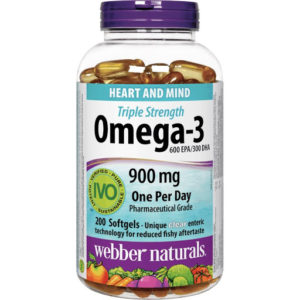
Webber Naturals – Triple Strength Omega-3 (900mg EPA / DHA) 200 capsules Value Pack
Original price was: $398.00.$280.00Current price is: $280.00. Add to basket -
Sale!

Kirkland Signature – Omega-3 Ultra Concentrated Deep Sea Fish Oil Capsules 1300mg 330 Capsules
Original price was: $350.00.$298.00Current price is: $298.00. Add to basket -
Sale!
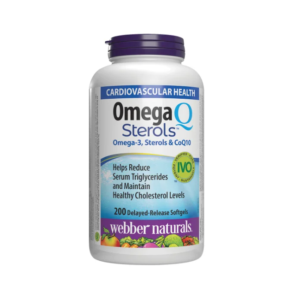
Vebogen – Omega 3 & Coenzyme Q10 & Phytosterols 200 Capsules
Original price was: $290.00.$245.00Current price is: $245.00. Add to basket -
Sale!

Webber Naturals – Omega-3 Mini Fish Oil Capsules 300mg 220 Softgels
Original price was: $198.00.$168.00Current price is: $168.00. Add to basket
Related Post:
![母親用滴管把少量植物藻油滴在食物匙上,幼兒坐在餐桌旁]()
A Complete Guide to Plant-Based Algae Oil Omega-3: Odorless, Vegetarian, and Suitable Omega-3 Choices for Pregnant Women and Infants
![牛樟芝子實體與膠囊製品示意]()
What is Antrodia camphorata? A complete guide to its ingredients, research evidence, and precautions for consumption.
![世界心臟日護心飲食場景,香港中年夫婦享用豆漿、豆腐、雞蛋與堅果,旁有心臟及細胞膜卡通示意]()
World Heart Day: Heart Health in Hong Kong Starts with Daily Life | What are the Benefits of Lecithin? Which of Three 1200mg Products to Choose From?
![香港成年人在家閱讀與休息,從日常習慣開始理解腦部健康]()
魚油、迷你膠囊還是B12?腦部健康熱銷8款的配方與日常選擇