





































































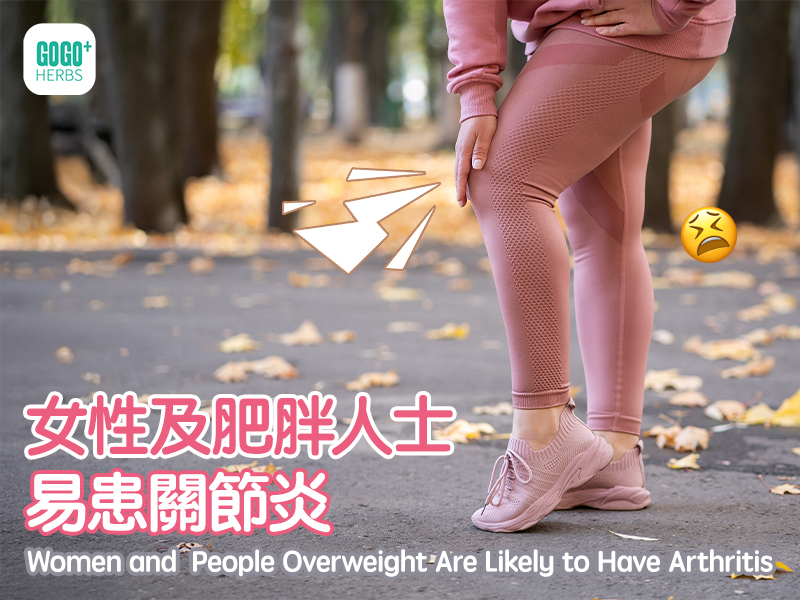
Ms. Lu, 53, said that she now "needs to rest for every three steps she takes." More than 20 years ago, after giving birth, her weight rose to about 70 kilograms, and knee pain has followed her ever since. In recent years, even walking on flat ground causes sharp pain; she can no longer wear high heels, has to cancel hiking invitations from friends, and walks slowly on trips, making younger people wait for her. She began to feel that she was adding to others' burdens, so she reduced her outings.
Two things are happening simultaneously in this story: a biomechanical problem with the knee joint and the thought that "I'm becoming a burden." Most outpatient clinics only address the first. But a survey of joint pain patients shows that the second is far more prevalent than most people imagine—and it's much more severe in women than in men.
Let's put the two most important sentences first.Joint pain is not an inevitable consequence of "just bear with it as you get older".Exercise and weight loss are currently the two most well-supported evidence, and there's already a pathway within Hong Kong's public healthcare system that doesn't require specialist referrals. On the other hand,Glucosamine is marketed as a "joint fluid replenisher".This statement is physiologically untenable, and I will explain it word by word later.
First, we need to figure out what this survey is about.
A set of frequently cited figures is as follows: 35% of respondents frequently experience pain, with more than one attack per day; 41% of women experience significant emotional distress; and 77% of women believe that joint pain affects their quality of life. These figures themselves are not wrong, but the explanations surrounding them often omit three things.
First, it is not a "local investigation".This is an online questionnaire conducted by IQVIA in July 2020, covering five markets: Mainland China, Hong Kong, the Philippines, Russia, and Italy, with a total of 500 joint pain patients. 100 of them were from Hong Kong, with an average age of 60. While stating "interviewed 100 local patients" is not considered fabricated, readers might assume it represents a comprehensive sample from across Hong Kong. In reality, it is a local snapshot from a cross-regional survey.
Secondly, six years have passed.The survey was conducted in July 2020 and published in November of the same year. The original report stated "this July," and this "this year" was retained verbatim in later reprints. Reading it in 2026, it's easy to mistakenly believe it's recent data. The pathology of arthritis doesn't change in six years, but for a survey about pain frequency and emotional burden, readers should be aware of the year it was conducted.
Third, the 100 participants voluntarily filled out the questionnaire online and could only describe themselves as "respondents".It cannot be inferred that "40% of Hong Kong people with joint pain suffer from depression." To understand the situation across Hong Kong, we need to use another set of data, namely the two official figures mentioned in Section 5.
Even after clarifying these three points, the survey remains valuable because it asks a question that is rarely quantified in outpatient clinics: how joint pain changes a person's daily life, and how wide the gap is between men and women.
II. How intense is the pain: 35% of the data points
All respondents in the survey reported knee pain, and more than half also experienced shoulder, ankle, or wrist pain. Over half of the respondents experienced pain at least once a week; 35% reported experiencing pain more than once a day.
"At least once a week" and "more than once a day" are two very different lifestyles. The former involves thinking before doing something; the latter requires recalculating every time you get up or go up or down stairs. The same label of "having joint pain" requires completely different things for these two types of people.
It's worth noting the location and distribution of pain. More than half of the cases involved pain in the shoulder, ankle, and wrist simultaneously, in addition to the knee. This means that the path of "replacing a joint and continuing to use it" is not easy—a bad knee can reduce walking distance, but a bad shoulder can affect even lifting objects, and a bad wrist can make even opening a bottle difficult. This is why treating a single joint is often insufficient; it's necessary to consider overall mobility.
III. Why are there more women among them? It's not because of "large pelvises".
A common explanation is that "women have wider pelvises, putting more pressure on their knees." This claim is widespread, but it reduces a multifactorial issue to a single structural cause, and it concludes to the reader that "it's just how it is, there's nothing you can do about it"—which is precisely where the inaccuracy lies.
A 2026 analysis using the Osteoarthritis Initiative cohort tracked 3,056 individuals aged 45 to 79 years without radiographic knee osteoarthritis at baseline, representing 5,126 knees, for eight years. Results:Lateral compartment radiographic osteoarthritis of the knee has an eight-year risk of 5.9% in women and 3.4% in men, with a chance ratio of 1.72 (95% CI 1.28–2.31).(Arthritis Res Ther 2026)。
The key is in the next sentence. Researchers conducted a mediation analysis and found...The strength of the knee flexors and extensors each explain part of the gender differences.(The odds of winning for indirect effects are 1.14 and 1.16 respectively). In other words, the higher risk for women is partly due to the path of "lower muscle strength"—and muscle strength can be improved through training.
This distinction is very practical. If the cause is pelvic width, the reader can only accept it; if part of the cause is the strength of the quadriceps and hamstrings, then it is a target that can be addressed.
Local data also supports the view that "women are more likely to experience this." In the Department of Health's 2014/15 Population Health Survey, the proportion of women who had experienced joint pain or swelling in the past 30 days was significantly higher. 25.1%,male 18.8%(Centre for Health ProtectionThe gap does exist, but it's not so large that "only women can get pregnant."
There is another factor that is often overlooked:Body fatAdipose tissue itself secretes inflammation-related signaling molecules, and the link between obesity and knee osteoarthritis lies not only in weight but also in this inflammatory pathway. Therefore, the benefits of "weight loss" for joints are not simply about reducing the pressure of a few kilograms.

IV. Emotional burden: The 26 percentage points between 41% and 15%
This is the most compelling set of figures in the entire survey, and it's also the one most often omitted.
| project | female | a male | gap |
|---|---|---|---|
| Joint pain is believed to affect quality of life. | 77% | 55% | 22 percentage points |
| The emotional distress is "significant" or "extremely significant". | 41% | 15% | 26 percentage points |
| Joint pain is considered a major health problem. | 46% | 37% | 9 percentage points |
The difference between 41% and 15% is 26 percentage points. The commonly cited version only states that "41% of women have significant emotional distress, a higher proportion than men"—the word "higher" presents a nearly three-fold difference as a single direction.
A common explanation is that "men are generally more robust, so even if their joints are deformed, they only complain of mild pain." This is partly true: men are indeed less likely to actively express pain and emotions. However, taking this as the sole explanation overlooks a crucial measurement issue—If men systematically underreport, then the denominator of 15% is itself suppressed.The real gap may not be as wide as 26 percentage points. This is an old problem in gender difference research: it's not that women are "more prone to unhappiness," but rather that men "express it less."
Regardless of the interpretation, the conclusion points to the same thing:Emotional distress is common among people with joint pain and should not be considered a "side effect".A 2024 systematic review and meta-analysis, which included patients with knee osteoarthritis, showed that the prevalence of comorbid depression was [missing information]. 34% (95% CI 28% – 41%)Related factors included being female (RR 1.17), obese, using pain medication (RR 1.50), being unmarried or widowed (RR 1.72), and having bilateral knee pain (RR 1.38).Orthopedics 2024)。
Another statistic illustrates the mechanism: a meta-analysis of 121 studies and 38,085 individuals found that pain severity in osteoarthritis patients was correlated with anxiety and depression levels.Moderate positive correlation (r ≈ 0.31)(Rheumatology 2021Moderate, not extremely severe—meaning pain explains part of the problem, but not all of it. Social roles, economic pressures, and the ability to bathe and use the toilet independently all come into play.
Why spend so much time discussing this? Because it changes the order of processing. If emotions were simply a matter of "the longer the pain lasts, the lower it will naturally feel," then dealing with the pain would suffice; but since the two are interconnected,Bring back your mobility, and preserve your sleep and social interactions.It's about managing emotions. Conversely, prolonged depression can make you lethargic, weaken your muscles, and make pain harder to heal—it's a self-perpetuating cycle.

V. How many people in Hong Kong actually suffer from joint pain: Two figures, two questions
A frequently cited figure is "more than 20% of Hong Kong residents suffer from joint pain or joint swelling." This figure comes from the Department of Health's 2014/15 Population Health Survey. 22.1%But you need to understand exactly what it's asking:"Have you experienced joint pain or swelling in the 30 days prior to the survey?"This is the point-in-time prevalence of an acute symptom, not the prevalence of "having arthritis".
The most recent similar survey ( –) used a different question format:The proportion of musculoskeletal disorders diagnosed by doctors was 8.4%.Of these patients, 10.0% were female and 6.7% were male; the percentage increased from 0.7% in the – age group to 24.6% in the 85-year-old and older group. Among these patients, 39.7% had taken prescription medications, 13.0% had received physical therapy, and 10.0% had received acupuncture.Department of Health – Population Health Survey)。
| index | number | The question it answers |
|---|---|---|
| 2014/15: Joint pain or swelling within the past 30 days | 22.1%(Female 25.1/Male 18.8) | How many people have suffered in a certain month? |
| 2020 – 22: Diagnosed with musculoskeletal disease by a doctor. | 8.4%(Female 10.0/Male 6.7) | How many people were formally diagnosed |
The two figures differ by nearly three times, not because the condition has improved, but because they measure two different things. Writing 22.1% as "20% of Hong Kong people suffer from arthritis" makes two mistakes: treating symptoms as diseases and treating figures from eleven years ago as the current situation.
Both numbers share a common message:The proportion rises sharply with ageIn the 2014/15 survey, only 3.5% of those aged – experienced joint pain, while 57.7% of those aged 85 or older did. This curve explains why joint pain is often considered an "elderly problem," but it also reminds us of another thing—it doesn't only occur in old age, but it's just less often talked about when you're young.
VI. Weight: For every kilogram lost, each step reduces energy by 40 Newtons.
It is common knowledge that "weight loss is good for the knees," but few people can provide quantifiable figures to explain why.
A 2005 study, lasting 18 months, included 142 sedentary, overweight or obese elderly individuals with knee osteoarthritis. Three-dimensional gait analysis was used to measure knee joint stress during walking. Results:For every 1 kg decrease in body weight, the knee joint compression force per step decreases by 40.6 Newtons, and the net force decreases by 38.7 Newtons.In other words, for every pound of weight lost, the load on the knee joint decreases by approximately four pounds per step.Arthritis Rheum 2005)。
"Every step" is the key word. Walking 6,000 steps a day and losing 5 kilograms means reducing stress with each step, which adds up to a significant difference. This also explains why weight loss is often more effective than with a single supplement—it alters the mechanics itself.
NICE's 2022 guidelines put it very specifically:Any degree of weight loss can be helpful, but losing 10% of your body weight is expected to be more effective than losing half a 10%.(NICE NG226The threshold of 10% may sound high, but it doesn't mean "you don't need to do it if you can't reduce it to 10%". Rather, it means "it's useful no matter how much you reduce it, and it's better to reduce it more".
As for the statement "I gain weight just by drinking water," it's true from a clinical perspective—the failure rate of weight management is indeed high. However, using it as a judgment of body type misses a proven fact:As long as your weight really decreases, the load on your knee joints will definitely decrease as well. This is a matter of physics, not willpower.The problem is usually not "whether or not one knows," but "whether or not there is support." A more practical answer to this question can be found in the path outlined in Section Nine.
VII. Exercise: The Answers from 139 Randomized Trials
"Don't move if it hurts" is the most common and also the most costly misconception. If you don't move, your quadriceps will weaken, your knee joint stability will decrease, and the pain will become more difficult to manage.
The 2024 updated Cochrane Systems Review incorporates... 139 randomized controlled trials, 12,468 participantsThis is currently the most comprehensive compilation of information on exercise interventions for knee osteoarthritis. The results are as follows:
- Compared with attention control or placebo: Pain improvement in the exercise group 8.70 points( – scale, 95% CI 5.70-11.70), improvement in physical function 11.27 points(7.64 – 15.09).
- Compared with no treatment, routine care, or limited education: pain improvement 13.14 points(10.36 – 15.91).
- The proportion of participants who reported “improvement” was high (RR 1.46, 1.11 – 1.92), while the dropout rate did not increase (RR 1.08, 0.92 – 1.26).
These scores aren't amazing, but there are two things to note. First,Its basis for comparison with painkillers is different.—Exercise improves both pain and function, and there are no drug interaction issues. Second, the quality of evidence is mostly low to moderate, the main problem being the inability to blind participants.Cochrane Database Syst Rev 2024)。
NICE's suggestion is more direct:Structured exercise training designed to meet individual needs should be provided to all patients with osteoarthritis.(The original text of the guideline is "therapeutic exercise"), such as local muscle strength training and aerobic exercise; and it should be stated in advance that "pain may increase when you start exercising", because continuous and regular exercise will reduce pain and improve function in the long run (NG226, clauses 1.3.1 to 1.3.3).
The claim that "weight-bearing exercise can increase cartilage volume" needs to be narrowed down. Most research on the effects of exercise on cartilage focuses on changes in thickness, signaling, and mechanical properties, rather than "the growth of more cartilage." Currently, it's safe to say that:Exercise maintains muscle strength, improves function, and reduces pain, and muscle strength and function are what determine how far you can go.Using "increases cartilage volume" as a promotional phrase can lead readers to have unrealistic expectations about the results.
8. Glucosamine: A raw material for cartilage; the key is choosing the right formulation.
Joint cartilage is not a dead piece of tissue. The chondrocytes inside are constantly and slowly renewing themselves, synthesizing glycosaminoglycans, which then intertwine with collagen fibers to form a matrix—this matrix absorbs water, rebounds, and withstands pressure. Glucosamine is the starting point for this synthetic pathway; the body can produce it itself or obtain it from food and supplements. This is why it is used for joint health.
It's commonly said to "replenish synovial fluid." The main component of synovial fluid is hyaluronic acid, produced by synovial cells, responsible for lubrication and cushioning. Glucosamine, on the other hand, takes a different route—after oral administration, it is digested and absorbed into the bloodstream, where it is used by chondrocytes to synthesize glycosaminoglycans, becoming part of the cartilage matrix. Rather than simply "replenishing synovial fluid," a more accurate description would be...Provide raw materials for cartilageBoth perspectives point in the same direction: to give cartilage more material to sustain itself.
There is a considerable amount of clinical data supporting this approach, and it focuses on a single formulation. One three-year trial involving 202 participants, administering 1,500 mg of glucosamine sulfate daily, showed an average narrowing of joint space in the placebo group. 0.19 mmThe glucosamine group showed essentially the same narrowing (+0.04 mm, P=0.001); the proportion of those exhibiting severe narrowing (more than 0.5 mm) was [missing information]. 5% vs 14%(Arch Intern Med 2002In another three-year trial involving 212 participants, the placebo group narrowed the lesions by 0.31 mm, while the glucosamine group only narrowed them by 0.06 mm. Symptom scores were also better in the glucosamine group.Lancet 2001In a subgroup analysis of postmenopausal women from the same batch of data (319 individuals), the glucosamine group showed +0.003 mm and the placebo group showed -0.33 mm.Menopause 2004The above-mentioned experiments were funded by the relevant manufacturers and will be considered in the interpretation.
The guidance takes two sides, and this divergence itself is worth knowing.A step-by-step algorithm for knee osteoarthritis from the European ESCEO platform.The long-term background regimen that places pharmacopoeia-grade (prescription-grade) crystalline glucosamine sulfate as the first step is a "strong recommendation" in the guidelines – the reason being that it has few adverse reactions, can be used long-term, and is suitable for degenerative arthritis requiring long-term management.2019 Updated Version)。UK NICE 與 OARSI 2019 The overall evidence was deemed insufficient to support its regular use, and it was not listed as a regular option. The two sides assigned different weights to the same topic and roughly the same batch of literature.
The key to the disagreement lies largely in "which type of glucosamine".Sulfates and hydrochlorides are different molecules.Even though both are labeled "sulfate," the pharmacokinetics of crystalline and non-crystalline forms differ. The pharmacopoeia-grade crystalline sulfate at a daily dose of 1,500 mg achieves stable plasma concentrations and accumulates more clinical data. Therefore, when choosing a product, don't just look at the words "glucosamine" on the packaging, but rather at three other things:
- Is the ingredient listed as sulfate or hydrochloride?—The clinical data on sulfates are relatively complete.
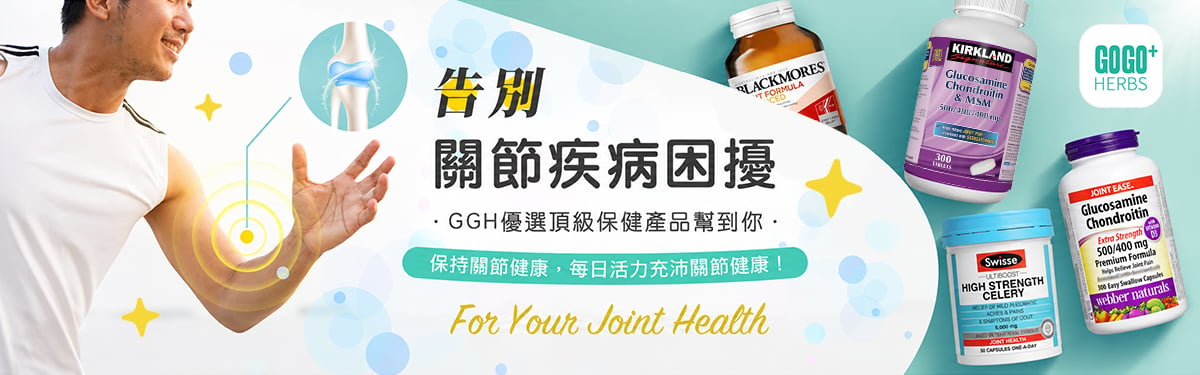
- Daily total—Multiply the content per capsule by the recommended daily dose, and add them together to see if it approaches 1,500 mg. (Based on internal website data)Vebegen All-in-One Powerful Joint Formula (WN002)For example, each sulfate tablet contains 750 mg, and two tablets are taken daily, totaling 1,500 mg.
- Is there any overlap?—Chondroitin, MSM, and frankincense are often formulated with glucosamine; if you are taking several joint products at the same time, check all the ingredients together to avoid duplication.
Regarding tolerability, glucosamine has been studied extensively, with mild gastrointestinal discomfort being the most common issue. If you are currently taking blood thinners (such as warfarin), have diabetes, or are allergic to shellfish, it's advisable to check the dosage and interactions with your doctor or pharmacist before starting treatment.
For details on joint health ingredients, see alsoGlucosamine and Osteoarthritis與Symptoms, causes, types, and prevention of joint pain。
9. When should I see a doctor, and which specialist should I see?
Let me start with a figure that Hong Kong readers need to know most:As of September 30, 2026, there were 31,681 cases on the waiting list for total joint replacement surgery in public hospital orthopedic departments.For patients who underwent surgery between October 2025 and September 2026, the median waiting time across all networks ranged from 7 to 49 months, and the 90th percentile ranged from 43 to 84 months.Hospital AuthorityPublic hospitals perform approximately 4,600 total joint replacements annually, while six total joint replacement centers perform approximately 2,000 annually.
There's an often overlooked detail about this long queue: Since 2020/21, the Hospital Authority has been providing a systematic service for patients waiting for surgery across various networks.Preoperative non-surgical treatmentThis includes physical therapy. To date, the program has involved over 16,000 patients.More than a third of them ultimately do not require surgery.This doesn't mean the surgery can be skipped, but rather that doing the right things during the years of waiting can give you the opportunity to avoid having to go through with it.
| path | How to enter? | Who is it suitable for? |
|---|---|---|
| Regional wellness center's "Pain Management Program" | Register as a member, join the medical health platform, and be matched with a family doctor;Initial physical therapy for knee osteoarthritis and back pain does not require a doctor's referral.It has covered all 18 districts. | People who want to start exercising and getting assessed as soon as possible, without necessarily seeing a specialist. |
| Public Orthopedics | Referral from a general outpatient clinic or family doctor | Symptoms are obvious; injections may be necessary or surgery may be considered. |
| Private orthopedic or rheumatology clinic | Direct booking | To shorten the waiting time, or to determine if it is inflammatory arthritis |
The services at the district health center operate on a co-payment model: physiotherapy sessions cost HK$150 each, community rehabilitation patients referred by the Hospital Authority cost HK$100 each, and traditional Chinese medicine services are also HK$150 each.Introduction to the services of the District Wellness CenterActual fees and quotas are subject to the announcements of each district.
As for "when to go see it," there are a few key points to remember:
- The joints suddenly become red, swollen, hot, and painful, accompanied by fever.— To rule out infection or acute gout, don't wait.
- Inability to bear weight, significant joint deformity or instability after injury—Imaging examination is required.
- I wake up in pain in the middle of the night, I also experience pain when I'm resting, and I'm losing weight for no apparent reason.These are not typical symptoms of osteoarthritis; other causes need to be investigated.
- Morning stiffness lasting more than 30 minutes, symmetrical swelling and pain in multiple small joints—Inflammatory arthritis, such as rheumatoid arthritis, should be considered, as the treatment approach is completely different.
If you experience any of the above acute conditions and cannot get immediate medical attention, please call 999 or go to the emergency room. Osteoarthritis itself is not an emergency, but "sudden changes in the joints" can be.
10. Four things you can do daily
First, change "immobile" to "segmented movement".You don't need to walk for 30 minutes at once. Divide it into three 10-minute sessions. This puts less stress on your knees overall, while providing similar strength training results. The key is frequency, not the length of each session.
Second, train your quadriceps and glutes, not just by walking.Seated leg raises, wall squats, and chair stand-ups directly correspond to the pathway mentioned in Section 3—muscle strength is one of the mediating factors of gender differences, and it's something anyone can change. Pain may increase initially, which is a normal phenomenon that NICE has explicitly warned about, and it usually subsides within a few weeks.
Third, set your weight loss target between 5% and 10% and seek support.Based on a weight of 70 kg, 5% is 3.5 kg, and 10% is 7 kg. This reduction is sufficient to significantly decrease the load on the knee joint with each step. For parts that are difficult to achieve alone, assistance can be obtained through nutritional counseling or chronic disease programs at local health centers.
Fourth, treat emotions as a project to be dealt with, rather than the result of suppressing them.If you experience persistent low mood for more than two weeks, loss of interest in previously enjoyed activities, insomnia, or significant changes in appetite, it's worth telling your doctor. This is just as important as the joints themselves—prolonged low mood can make you feel lethargic, and "lethargy" is exactly what the knee joint fears most. For the mechanism by which emotions and physical symptoms interact, see also...Depressive mood and cardiovascular risk。
The final message to the family: Ms. Lu's heaviest burden isn't the pain itself, but the fear of adding to others' burden. This thought won't disappear with a simple "It's okay," but it will lessen with the promise of "Let's take it slow together." The pace of companionship is more important than the frequency of visits.
Frequently Asked Questions
Is joint pain something that everyone will experience as they get older?
It's not inevitable, but it does increase with age. A 2014/15 survey by the Department of Health showed that the proportion of people experiencing joint pain or swelling in the past 30 days rose from 3.5% in those aged – to 57.7% in those aged 85 or above. While age cannot be changed, muscle strength, weight, and activity level can, and these three factors are key to influencing the severity of symptoms. Attributing joint pain entirely to age can lead to prematurely giving up what one could do.
Will walking wear down cartilage, so should you walk less if you're in pain?
No. Appropriate walking and strength training are core treatments recommended by international guidelines, and the Cochrane 2024 update, incorporating 139 randomized trials, also supports the idea that exercise can reduce pain and improve function. The real problem is usually not "walking too much," but "not being able to walk at all because of pain"—decreased muscle strength leads to worse knee joint stability. A temporary increase in pain at the beginning is to be expected.
Is glucosamine actually effective?
The most studied formulation is the 1,500 mg daily sulfate. Multiple three-year randomized trials showed that this group experienced less joint space narrowing and better symptom scores compared to the placebo group. The European ESCEO knee osteoarthritis algorithm lists it as a first-line long-term background regimen, while the UK's NICE and OARSI consider the evidence insufficient to support routine use. Much of the disagreement stems from differences in formulation—sulfate versus hydrochloride, and crystalline versus non-crystalline forms have different pharmacokinetics. When purchasing, check the ingredient form and daily dosage (content per tablet multiplied by the number of tablets per day). If you are taking blood thinners or other long-term medications, consult your doctor or pharmacist first.
Can joint pain really cause depression?
The two are related, but not unidirectionally causal. The prevalence of depression among patients with knee osteoarthritis is approximately 34%; pain severity is moderately positively correlated with anxiety and depression (r ≈ 0.31), meaning pain explains part, but not all, of the problem. Social roles, economic stress, and self-care ability also play a role. Therefore, the approach should be two-pronged: restoring pain and mobility while simultaneously addressing the underlying emotions.
When should we consider knee replacement?
There is no single threshold, nor is it based on how severe the X-ray is. NICE's advice is: when joint symptoms (pain, stiffness, decreased function, or deformity) significantly impact quality of life, and non-surgical treatments such as exercise, weight loss, and pain relief are ineffective or unsuitable, referral can be considered. In Hong Kong, the reality is that waiting times are measured in years; therefore, "getting non-surgical treatment done as early as possible" is not only a conservative approach but also a practical strategy for preserving function during the waiting period.
What can family members do?
The three most concrete things are: First, accompany him in doing things, instead of telling him to do them—walking together and doing muscle-strengthening exercises together will greatly increase the rate of sustained effort; second, adjust the environment, such as raising the chair, adding handrails in the bathroom, and reducing the number of squatting movements. These changes directly reduce the daily load on the knee joints; third, pay attention to emotional changes. If there is a persistent low mood, withdrawal, or reluctance to go out, take the initiative to accompany him to seek medical treatment, instead of just advising him to "be strong".
Source of information
- Knee muscle strength as a mediator of sex differences in incident kneearthritis. Arthritis Res Ther. 2026.
- Exercise for osteoarthritis of the knee. Cochrane Database Syst Rev. 2024.
- Risk Factors for Depression in Patients With Knee Osteoarthritis: A Systematic Review and Meta-analysis. Orthopedics. 2024.
- Correlation between pain severity and levels of anxiety and depression in osteoarthritis patients: a systematic review and meta-analysis. Rheumatology. 2021.
- Weight loss reduces knee-joint loads in overweight and obese older adults with knee osteoarthritis. Arthritis Rheum. 2005.
- Long-term effects of glucosamine sulphate on osteoarthritis progression: a randomized, placebo-controlled clinical trial. Lancet. 2001.
- Glucosamine sulfate reduces osteoarthritis progression in postmenopausal women with knee osteoarthritis: evidence from two 3-year studies. Menopause. 2004.
- OARSI guidelines for the non-surgical management of knee, hip, and polyarticular osteoarthritis. Osteoarthritis Cartilage. 2019.
- NICE NG226: Osteoarthritis in over 16s: diagnosis and management (2022)
- Centre for Health Protection: 2014/15 Population Health Survey Report, Chapter 3: Physical Health Status
- Department of Health: – Population Health Survey Report (Part I)
- Hospital Authority: Waiting time for total joint replacement surgery
- Regional Wellness Center: Service Introduction and Fees
- Regional Wellness Center: Pain Management Program and Physical Therapy Value-Added Services
- Oriental Daily News: Preventing joint pain relies on nutritious exercise (2020-11-17)
- Sing Tao Daily: Female patients with osteoarthritis experience significant physical and psychological distress.
Further Reading
- Symptoms, causes, types, and prevention of joint pain
- Glucosamine and Osteoarthritis
- Verification of folk remedies for joint pain, including stewed green bananas and chicken feet.
- Depressive mood and cardiovascular risk
- Apple-shaped obesity in women and cardiovascular risk
Health Reminder
This article is a compilation of health information and should not replace diagnosis or medical advice. Joint pain can be caused by degenerative, inflammatory, infectious, or post-traumatic factors, each requiring different treatment approaches and must be evaluated by a doctor. Any decisions regarding medications, supplements, or surgery should be made after consulting a doctor or pharmacist; this is especially important for those taking blood thinners, blood pressure medications, or long-term prescription medications. If you experience sudden redness, swelling, heat, and pain in your joints, accompanied by fever, inability to bear weight after injury, or persistent low mood, please seek medical attention immediately; for emergencies, please call 999.
Related Products:
-
Sale!
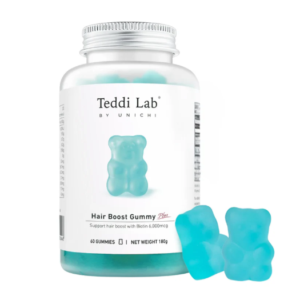
Unichi – Teddi Lab® Gummy Bears Gummy Bears for Hair Growth Upgraded Sea Salt and Green Titanium Flavour 60 Capsules
Original price was: $170.00.$125.00Current price is: $125.00. Add to basket -
Sale!
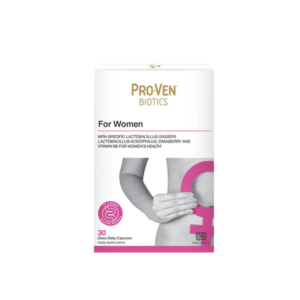
ProVen – Women's Dedicated Probiotic + Cranberry 3600 30 Capsules
Original price was: $198.00.$138.00Current price is: $138.00. Add to basket -
Sale!
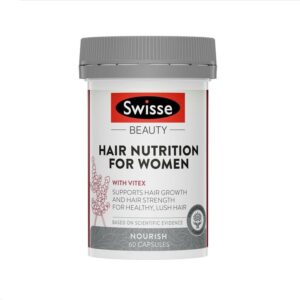
Swisse – Beauty Women's Hair Nutritional Capsules 60 Capsules
Original price was: $168.00.$118.00Current price is: $118.00. Add to basket -
Sale!
Unichi – Teddi Lab® Smokamine Whitening Gummy Bears Jasmine & Grapefruit Flavour 60 capsules
Original price was: $170.00.$125.00Current price is: $125.00. Add to basket
Related Post:
![肌酸點食?每日 5 克、100 日份量與選購要點]()
Creatine supplementation? 5 grams daily, 100-day supply, and key points for selection.
![網購保健品付款前,先核對這 8 件事]()
Before paying for health supplements online, check these 8 things first.
![葡萄糖胺軟骨素MSM點揀?食極都痛先檢查每日劑量]()
Glucosamine chondroitin MSM selection? Eating causes pain; first check the daily dosage.
![gogoherbs-mens-hair-cover]()
How to Choose Hair Care Supplements for Men? A Comparison of 8 Biotin, Saw Palmetto, and Collagen Products