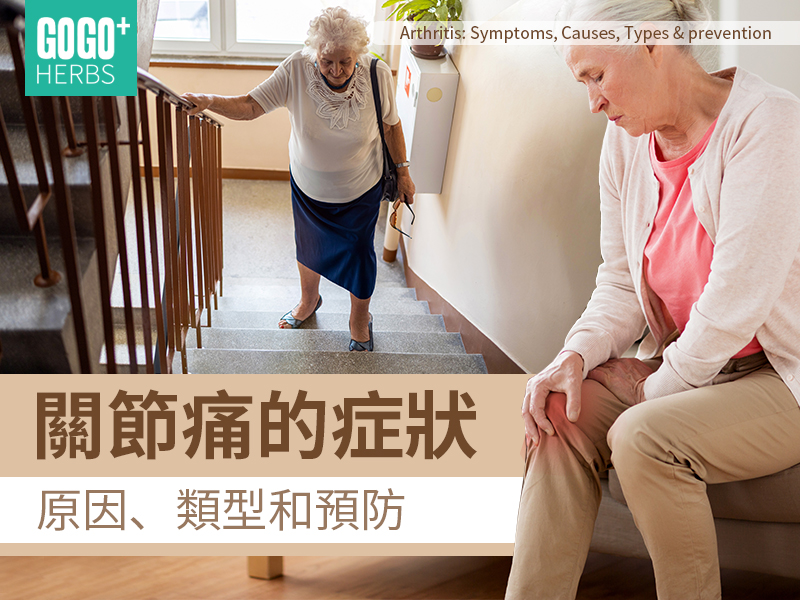
Symptoms, causes, types, and daily care of joint pain
Joint pain is a fairly common musculoskeletal problem.It doesn't only occur in the elderly.According to the UK NHS, joint pain can stem from injury, chronic issues like arthritis, or even the decline in estrogen during menopause. Joint pain can be caused by various factors, and the treatments differ accordingly. The most practical way to maintain joint health is to start...Weight management, regular exercise, a balanced diet, and correct daily postureFor those starting out, health supplements play a supporting role in daily nutrition. Gogo Herbs has compiled information on types of joint pain, triggering factors, 5 key points for daily maintenance, joint-protecting diets, and how to understand 9 major joint-healthy ingredients.
- What is joint pain? First, distinguish between "joint pain" and joint diseases.
- 3 common types of joint pain
- Triggering and risk factors: Which are controllable and which are uncontrollable?
- 5 Key Points for Daily Joint Care and Prevention
- Joint-Protecting Diet: Mediterranean Diet and Food Recommendations
- How to identify the health-promoting ingredients for 9 major joints
- When should you seek medical attention?
- Gogo Herbs Joint Health Products Recommendation
- Frequently Asked Questions (FAQ)
- Source of information
1. What is joint pain? First, distinguish between "joint pain" and joint diseases.
依 UK NHSJoint pain refers to pain in one or more joints.painAnd often accompanied bySwelling and stiffnessThis makes movement difficult. It can occur in any joint, but more common locations include...Knees, shoulders, hips, ankles and toes, wrists and fingers, elbows and neckIt can be that only one joint is painful, or multiple joints are painful at the same time.
It's important to note that "joint pain" is a symptom, not a disease diagnosis in itself. The NHS points out that there are many causes of joint pain, and the treatment methods vary greatly depending on the cause.It is not advisable to make your own judgment.The following are some of the most common causes:
| Possible causes | Common symptoms (according to NHS) |
|---|---|
| sprains or strains | Pain, swelling, or bruising after strenuous or repetitive exercise. |
| Osteoarthritis | Pain worsens when walking and stiffness occurs after activity, typically seen in people over 45 years of age. |
| Bursitis | The joints are warm and swollen, and the pain worsens when moved or pressed. |
| Rheumatoid Arthritis | BodyBoth sidesPain and stiffness occur simultaneously, and are more pronounced when the person remains still (e.g., upon waking). |
| Gout | The joints of the toes (mostly the big toe) are red, swollen, hot, and very painful, and often...It suddenly started overnight. |
| Joint infection (suppurative arthritis) | The joints are red, swollen, and hot, making them difficult to move, and may be accompanied by fever, chills, or shivering. |
2. Three common types of joint pain
The following three types are the most common types of joint pain seen in outpatient clinics. They present with several differences, and understanding these differences will help you describe your symptoms to your doctor:
| Degenerative (osteoarthritis) | Uric acid buildup (gout) | Immune system related (rheumatoid arthritis) | |
|---|---|---|---|
| Causes | Articular cartilage wears down gradually over time and with increased load; this is related to age, joint injury, obesity, family history, and gender. | High levels of uric acid in the blood can cause uric acid crystals to accumulate around the joints. | Autoimmune problems: The immune system mistakenly attacks cells in the inner lining of joints (NHS) |
| Common locations | Primarily weight-bearing joints: knees, hips, feet, and small joints of the hands. | A single joint is most commonly seen in the big toe; it can also be found in the ankle, hand, wrist, elbow, and knee. | The small joints of the hands and feet are often the first to be affected. |
| Seizure mode | It appears slowly, gradually worsens, and becomes more painful after activity. | Sudden, intense, often occurring overnight. | Most develop gradually over several weeks (a few within a few days). |
| symmetry | uncertain | Mostly single joints | Typical exampleLeft and right symmetrical(Both sides simultaneously, to similar degrees) |
| Morning stiffness | It usually subsides within 30 minutes after getting up. | Not obvious | 常More than 30 minutes |
(1) Degenerative joint pain: Osteoarthritis (OA)
依 NHSOsteoarthritis is the most common type of arthritis, usually occurring in...Late 40sIt first appears, most commonly affecting the small joints of the knees, hips, and hands. Symptoms include joint pain and stiffness, difficulty moving, and some people may experience swelling, tenderness, and a "creaking" sound during movement. Its treatment focuses on...Exercise, weight management and physical therapyThe NHS explicitly states that regular exercise is "one of the most important treatments" for osteoarthritis patients; even with joint pain, moderate exercise can generally help improve symptoms. Furthermore,Sedentary lifestyle, high body weight, previous joint injury, or prolonged improper weight-bearingAll of these will increase the burden on the joints.
(2) Joint pain caused by uric acid accumulation: gout
依 NHSGout is caused by excessive uric acid in the blood, which leads to the accumulation of uric acid crystals around the joints, causing pain. A typical symptom is joint pain.sudden, intense pain(Most commonly seen on the big toe), affected areaRedness, swelling, heatAttacks often occur at night or after a large meal or drinking alcohol.
One common misconception needs to be corrected: goutThe phrase "comes quickly and goes quickly" is not entirely accurate.—The NHS points out that, without treatment, a gout attack usually lasts for several weeks.1 to 2 weeksFuture attacks may be more frequent and prolonged. Prolonged neglect can lead to...Joint injuries, subcutaneous tophi (commonly found in the ears, fingers, and elbows), and kidney stones.The good news is that gout is a relatively controllable condition. By addressing it early, making lifestyle adjustments, and taking medication as prescribed by a doctor, most people can significantly reduce the frequency of recurrences.
(3) Immune system-related joint pain: Rheumatoid Arthritis (RA)
依 NHSRheumatoid arthritis is an autoimmune disease, meaning the immune system mistakenly attacks the cells lining the joints, causing swelling, stiffness, and pain. Over time, it can affect the joints, cartilage, and surrounding bones.Small joints that typically affect the hands, feet, and wrists.And most of them areLeft and right symmetricalJoint pain is mostly described as throbbing or aching, and in...In the morning or after a period of stillnessMore noticeably, morning stiffness often lasts for more than 30 minutes.
Besides joint problems, some people may also experience systemic symptoms such as fatigue, weakness, fever, sweating, loss of appetite, and weight loss. According to the NHS, women, those with a family history of the condition, and smokers are at higher risk, with most cases occurring in... Between 40 and 60 years oldConfirmed.Early diagnosis and early treatment are extremely important.According to the NHS, early intervention can reduce the frequency of attacks and lower the risk of long-term joint damage.
(4) Other types that are also worth noting
- Ankylosing spondylitis:It is more common in people under 40 years old, and is mainly characterized by persistent lower back pain and stiffness (depending on...). NHS)。
- Psoriatic arthritis:In addition to joint pain, swelling, and stiffness, there is also a red, swollen, and scaly skin rash (psoriasis).
- Childhood idiopathic arthritis:It occurs in children under the age of 16;Children with joint problems should seek medical attention as soon as possible.。
- Menopausal joint pain:The NHS points out that the decline in estrogen levels during the perimenopausal and menopausal periods can cause joint pain and discomfort.
3. Triggering and risk factors: Which are controllable, and which are uncontrollable?
| category | factor | Explanation (with source) |
|---|---|---|
| Controllable | Smoking | 依 NHSSmoking increases the risk of developing rheumatoid arthritis and worsens symptoms, so quitting smoking is an important step in protecting joints. (The original text stated "increases the risk of oxidative reactions in the body," which was a rather general statement and has been corrected to the official wording.) |
| Drinking | Alcohol can affect uric acid excretion, with beer and spirits showing the most significant relationship with the risk of gout attacks; the NHS recommends no more than 14 units of alcohol per week and to have an alcohol-free day each week. | |
| Weight | Being overweight increases the pressure on weight-bearing joints (knees, hips). NHSWeight loss can reduce the burden on joints and lower the chance of developing osteoarthritis. | |
| diet | 與GoutThe most direct correlations are: internal organs, certain seafood (anchovy, sardines, clams, scallops, etc.), red meat, and sugary (especially high-fructose) drinks and snacks, all of which are associated with high uric acid levels (according to...). Mayo Clinic)。 | |
| Activities and Postures | Lack of exercise, poor posture, maintaining the same posture for a long time, and insufficient rest after joint injury can all increase the burden on the joints (depending on...). NHS)。 | |
| Uncontrollable | age | The risk of osteoarthritis increases with age; gout is also more common in older people (according to the NHS). |
| gender | Osteoarthritis and rheumatoid arthritis are more common in women; gout is more common in men (according to the NHS). | |
| Heredity | Both osteoarthritis and rheumatoid arthritis may be related to family history; gout sometimes also has a familial tendency (according to the NHS). | |
| History of joint injury/other diseases | Having suffered a serious injury or already having rheumatoid arthritis, gout, etc., can increase the chance of developing osteoarthritis in this joint (according to the NHS). |
4.5 Key Points for Daily Joint Care and Prevention
(1) Make good use of protective gear and support, and pay attention to keeping warm.
依 NHSWhen joint pain affects activity, a physical therapist or occupational therapist may recommend using [medication/treatment].Knee braces, ankle braces, and other protective gear and supportsWear shock-absorbing insoles or suitable footwear to distribute weight and reduce joint pressure; those with lower limb joints may also consider using a cane.Hold on the opposite side of the affected sideUse it to support your weight on one side. Protective gear and warmth can provide support and comfort, but they are assistive tools and cannot replace exercise and weight management.
(2) Weight management: the most direct help to weight-bearing joints
Body weight is one of the sources of daily load on the knee and hip joints. A study published in JAMA IDEA Randomized Controlled StudyThe study included 454 individuals aged 55 and older who were overweight or obese and had knee osteoarthritis. They were divided into three groups: "dietary weight loss + exercise," "dietary weight loss," and "exercise only," and followed for 18 months. The results showed...The "diet + exercise" group had the highest average weight loss (10.6 kg, approximately 11.41 TP4T).The most significant improvements were observed in pain, physical function, walking ability, and quality of life; the study also observed that the greater the weight loss, the greater the decrease in knee joint compression force and the inflammatory marker IL-6. This result indicates that:Weight loss combined with exercise can actually help improve the comfort and mobility of weight-bearing joints.Moreover, it doesn't have to be to reach the "ideal weight" to be meaningful—you can lose weight gradually and slowly, and your body will respond accordingly.
(3) Posture and movement: Do not remain completely still because of pain.
依 NHSMaintain good postureAvoid maintaining the same posture for extended periods of time.(For example, sitting at a desk for long periods should be done by getting up and moving around regularly, and adjusting the chair height.) This is helpful for joints. At the same time,NHS Joint Pain PageA clear reminder:Do not completely stop moving the affected joint.Prolonged inactivity can lead to muscle loss and increased stiffness.
In terms of exercise selection,Low-impact activitiesSuitable activities include swimming, brisk walking, cycling, Pilates, and yoga (according to the NHS).NHS Exercise GuidelinesAdults are advised to engage in at least 150 minutes of moderate-intensity aerobic activity per week, and to perform exercises that strengthen major muscle groups two or more days a week. In daily life, it's advisable to reduce activities that put a lot of stress on the knee joint, such as prolonged squatting or kneeling, repetitive lifting of heavy objects, and continuous climbing of stairs. However, the key is to "adjust" rather than "stop." If pain significantly worsens after exercise, consult a doctor or physical therapist to adjust your plan.
(4) Hot compress and cold compress: Choose according to the situation.
依 NHSApply to jointsHot or coldIt can relieve pain and symptoms in some patients with osteoarthritis. Practical application:
- Cold compress:jointAcute swelling, fever, or recent injuryApply as needed. Wrap an ice pack or frozen peas in a towel and apply to the painful area.Maximum 20 minutes per sessionRepeat every 2 to 3 hours if necessary (according to the NHS Joint Pain page); never apply ice directly to the skin.
- Hot compress:jointstiff, tenseIt is more suitable to use it at times, such as in the morning or after sitting for a long time; you can use a hot water bottle, heating pad or warm water bath, but remember to put a layer of cloth between them to avoid burns.
The original text mentions "taking more hot showers to increase blood circulation and suppleness, and using ice packs in acute cases," which is correct. The above is a summary of specific usage based on official sources.
(5) Balanced diet and bone health
A balanced diet is the foundation of overall health (according to...) NHS Healthy Eating Recommendations(Eat at least 5 servings of fruits and vegetables daily, use high-fiber whole grains as your staple food, eat less saturated fat and sugar, limit salt intake to no more than 6 grams per day, and eat 2 servings of fish per week).
5. Joint-Protecting Diet: Mediterranean Diet and Food Recommendations
Mediterranean diet: A dietary pattern worth incorporating
Mediterranean dietOlive oil, whole grains, fruits and vegetables, legumes, nuts, herbs and spices, and fishPrimarily red meat, with a low proportion of processed foods. Mayo ClinicMany types of chronic pain, including rheumatoid arthritis pain, fibromyalgia symptoms, and quality of life issues associated with osteoarthritis, may improve after adopting this dietary pattern; Mayo explains that this is because polyunsaturated fats help fight inflammation in the body, while olive oil and a plant-based diet are also associated with the relief of chronic pain. A study...Systematic review and meta-analysisIt was also found that a low-inflammatory (Mediterranean-like) diet was associated with more significant weight loss and improvements in inflammatory markers. Overall, this is a...Balancing weight management and overall healthThis dietary approach is worth making a long-term habit; specialized research on joint symptoms is also continuously accumulating.
Cruciferous vegetables
依 Arthritis Foundation (USA)Broccoli, along with other cruciferous vegetables (cabbage, bok choy, Chinese cabbage, cauliflower), contains a natural compound.sulforaphaneAnimal studies have shown that it helps block the inflammatory process and may slow cartilage damage in osteoarthritis. A diet rich in cruciferous vegetables may also be associated with a lower risk of rheumatoid arthritis. Human studies are still ongoing, and incorporating it into one's daily diet is a reasonable and cost-effective approach.
Omega-3 vs. Omega-6: The focus is on "increasing Omega-3".
The original text suggested "avoiding Omega-6 fatty acids when experiencing frequent pain," but this statement needs to be corrected. Harvard HealthOmega-6, like Omega-3, is an essential fatty acid for the human body. Omega-6 helps lower bad cholesterol, raise good cholesterol, and improve insulin sensitivity. The American Heart Association also states that it is safe and beneficial to the heart and circulation.It is not recommended to deliberately avoid Omega-6.。
What is truly worth doing isGet enough Omega-3:according to NHSIt is recommended to eat at least two servings of fish per week, one of which should be an oily fish (such as salmon, mackerel, sardines, or herring). You can also choose plant-based Omega-3 sources such as walnuts, flaxseeds, and chia seeds.
Other dietary directions
- Reduce sugar and salt intake:According to the NHS, excessive free sugars and salts are detrimental to overall health; people with gout should also reduce their intake of sugary drinks and sweets (according to the Mayo Clinic).
- Eat more fruits and vegetables rich in antioxidants and polyphenols:Berries, citrus fruits, tomatoes, carrots, and dark green vegetables are important parts of the Mediterranean diet.
- Replace some of the salt with herbs and spices:The Mediterranean diet often uses herbs, garlic, onions, and other seasonings, which helps reduce the use of salt.
| direction | Food Examples |
|---|---|
| Antioxidant nutrients | Kiwi, orange, blueberry, tomato, carrot, brown rice, wheat germ |
| Bioflavonoids | Citrus fruits, green tea, whole grains, onions, berries |
| Omega-3 fatty acids | Salmon, mackerel, sardines, herring, walnuts, flax seeds, chia seeds |
| sulfur compounds | Cruciferous vegetables (broccoli, cabbage, baby cabbage, kale), garlic, onions, and leeks; crustaceans (shrimp, crab) are sources of glucosamine; animal cartilage is a source of chondroitin. |
| Calcium (for bone health) | Milk, cheese, dried anchovies, soy products, amaranth, kale, sesame seeds, almonds |
| Vitamin C (helps in the formation of cartilage matrix) | Red bell pepper, kiwi, citrus fruit, strawberry, broccoli |
6. How to interpret the health-promoting ingredients for the 9 major joints?
Joint health productsDaily nutritional supplementsIt cannot replace a balanced diet, exercise, and medical treatment. The following is a summary of current research on common ingredients and safety points for your reference when purchasing; if joint pain is significant or persistent, it is advisable to consult a doctor to find the cause.
1) Glucosamine
Glucosamine is one of the most studied joint health ingredients. NCCIH (United States)There are a considerable number of studies on glucosamine for knee osteoarthritis, but the results are not entirely consistent, and different professional groups have differing opinions: some guidelines specify...Pharmaceutical grade glucosamine sulfateThe formula is listed as a recommended option, while some guidelines suggest it does not need to be used routinely. In large studies on osteoarthritis,No major security issues were found.Therefore, many people still consider it a viable option for daily joint maintenance; however, individual experiences vary, and it's advisable to allow the body several weeks to accumulate results, with patient maintenance being more practical. As for food sources, the shells of crustaceans such as shrimp and crab are natural sources.
2) Chondroitin
依 NCCIHChondroitin is often studied alongside glucosamine; some analyses show promising results in certain pharmaceutical-grade formulations. Chondroitin helps retain moisture in cartilage and is often used as a nutritional supplement for cartilage and synovial fluid. Like glucosamine, it is a joint care ingredient worth trying, and its effects are enhanced when combined with regular exercise and weight management.
3) Non-denatured type II collagen (UC-II/UC2)
UC-II, extracted from chicken breastbone cartilage, differs from typical hydrolyzed collagen in that its structure remains "non-denatured." A study published in... Multicenter randomized double-blind study in Nutrition JournalA study involving 191 individuals with knee osteoarthritis administered UC-II 40 mg daily, glucosamine plus chondroitin, or a placebo for 180 days. Results showed that the UC-II group demonstrated improvements in overall WOMAC scores and sub-scores for pain, stiffness, and physical function, with good tolerability. Additionally, a...Systematic ReviewIt also points out that UC-II shows potential in reducing pain and improving function in early-stage knee osteoarthritis, but larger-scale studies are still needed to confirm this. It is a promising new joint health product worth watching, but actual results may vary from person to person.
4) Hydrolyzed type II collagen
Hydrolyzed collagen is a breakdown of collagen peptides, with smaller molecules, commonly found in joint and skin formulations. Its mechanism of action differs from UC-II; it is generally considered a nutritional supplement providing the building blocks for cartilage matrix. Related research is ongoing, and it can be incorporated into daily joint care formulations.
5) MSM (methylthiomethylmethane/organic sulfur)
MSM is an organosulfur compound that naturally occurs in some fruits, vegetables, and grains, often combined with glucosamine and chondroitin in a "three-in-one" formulation. Several small randomized studies have shown that MSM can provide mild to moderate improvements in pain and physical function in knee osteoarthritis, generally observed at study doses of 1.5 to 6 grams per day for approximately 12 weeks. MSM is generally well-tolerated; however, some individuals may experience gastrointestinal discomfort such as bloating, constipation, or indigestion at higher doses. It is recommended to take it with meals. When purchasing, pay attention to the MSM content and recommended daily dosage indicated on the product label.
6) Proteoglycan
Proteoglycans are an important structural component of cartilage, and common sources available on the market are...salmon nasal cartilageAn itemRandomized double-blind controlled studyPatients with knee osteoarthritis were given 10 mg of salmon cartilage proteoglycan orally daily. Results showed improvement in pain symptoms and subchondral bone edema, which lasted for 24 weeks. No significant adverse reactions were observed during the study. This research is in its early stages and the sample size is not large, but it is a component worth noting. Because its source is fish,People with fish allergies should consult a professional first.。
7) Olive polyphenols (hydroxytyrosol, oleuropein)
Extra virgin olive oil contains olive polyphenols, among whicholeocanthalIt exhibits a mechanism similar to that of nonsteroidal anti-inflammatory drugs (NSAIDs) in laboratory studies. (One article)Review of literatureA review of human studies on olives and olive derivatives and osteoarthritis has been compiled: studies involving oral administration of olive extracts or hydroxytyrosol have shown improvements in joint scores; however, these studies are relatively small in scale and short in duration, and further research is needed to validate these findings. Extra virgin olive oil is commonly used as a primary oil in daily life and is also a core component of the Mediterranean diet.
8) Curcumin
依 NCCIHCurcumin is the main component of turmeric, and oral turmeric or curcumin is promoted for use in osteoarthritis and other conditions; multiple meta-analyses assessed knee pain, stiffness, joint strength, and range of motion.Preliminary evidence is positive.However, higher-quality research is still needed to draw definitive conclusions. Special attention should be paid to safety: the NCCIH indicates that oral administration of general formula at the recommended dosage for 2 to 3 months is generally safe, but nausea, acid reflux, and gastrointestinal discomfort may occur; whileCurcumin formulations that undergo special processing to improve absorption have been reported to cause liver damage.If fatigue, nausea, loss of appetite, dark urine, or jaundice occur, discontinue use immediately and seek medical attention. Pregnant women should not use turmeric supplements.
9) Cat's Claw (Uncaria tomentosa)
Cat's Claw Vine is a traditional herb from the Amazon region of South America. NCCIHCurrently, there are very few high-quality human studies on cat's claw vine. Small studies have explored its effects on joint discomfort, and it is a component that is continuously accumulating. In terms of safety, short-term oral administration (maximum about 6 months) is generally safe; however... Cat's Claw Vine may activate the immune system; individuals with autoimmune diseases (including rheumatoid arthritis) should consult a doctor before use.It may also slow blood clotting, so you should inform your doctor before surgery; it may be unsafe for pregnant women. If you are taking anticoagulants, blood pressure medications, etc., you should consult a pharmacist before taking it.
- First find the cause, then discuss supplementary information:Joint pain has many causes. Acute, severe pain in a single joint, joint infections, and autoimmune problems all require medical attention and cannot be addressed by supplements.
- Pay attention to the interactive effects:According to NCCIH, glucosamine and chondroitinConcomitant use with anticoagulants (such as warfarin) is associated with an increased risk of bleeding.Glucosamine may also cause a rise in blood sugar in some people. Those currently taking medication or with chronic illnesses should consult a doctor or pharmacist before taking it. Some ingredients (such as curcumin and cat's claw vine) are not suitable during pregnancy or breastfeeding.
- Give your body time:Joint maintenance is a long-term endeavor, and combining it with exercise and weight management is more effective than simply relying on supplements.
7. When should you seek medical attention?
Health supplements cannot diagnose or treat joint problems. NHS Joint Pain PageIf you experience any of the following symptoms, it is recommended to seek medical attention as soon as possible:
- Joint pain has affected daily work or sleep;
- The pain or swelling continues to worsen or recurs;
- The condition did not improve after two weeks of self-treatment at home;
- joints inStiffness lasting more than 30 minutes after waking up(Possibly related to rheumatoid arthritis);
- Children with joint problems。
Emergency (in Hong Kong, please dial 999 or go to the emergency room):Severe joint pain, inability to walk or bear weight, obvious joint deformity, or numbness or loss of sensation around the joint after a fall or injury.
8. Gogo Herbs Joint Health Products Recommendation
The following are Gogo Herbs' selected joint health products. (Health supplements belong to...)Daily nutritional supplementsIt cannot replace a balanced diet, exercise, and medical treatment, nor should it be used to diagnose, treat, or prevent any disease. When purchasing, pay attention to the ingredients, content, and suitable users. Pregnant women, breastfeeding women, those currently taking medication, and those allergic to shellfish or fish should consult a doctor or pharmacist before taking it.
9. Frequently Asked Questions (FAQ)
Is joint pain only a problem for the elderly?
No. According to the UK NHS, joint pain can stem from injury or long-term issues such as arthritis; the decline in estrogen during perimenopause and menopause can also cause joint pain. Osteoarthritis is generally more common in the late 40s, but rheumatoid arthritis, gout, bursitis, and joint pain caused by injury can occur at any age, so it is not advisable to self-diagnose based on age.
Is there a difference between joint pain and "arthritis"?
Yes. Joint pain is a...symptomPain refers to pain in one or more joints, which may be accompanied by swelling and stiffness; arthritis is...diseaseJoint pain is a general term encompassing conditions such as osteoarthritis, rheumatoid arthritis, gout, ankylosing spondylitis, and psoriatic arthritis. Joint pain can be caused by arthritis, but it can also be caused by sprains, bursitis, joint infections, or hormonal changes, thus requiring a doctor's diagnosis.
Will a gout attack heal on its own? How long does it take?
According to the UK NHS, a gout attack usually lasts for several weeks if left untreated. 1 to 2 weeksIf left untreated, gout attacks may become more frequent and prolonged, potentially leading to joint damage, subcutaneous tophi, and kidney stones. The NHS recommends seeking medical attention as soon as possible upon first experiencing gout symptoms or if previous treatments are ineffective. If sudden joint swelling and pain are accompanied by fever, chills, or nausea, it may be related to a joint infection, and immediate medical help should be sought.
Do I need to avoid certain foods if I have joint pain? Are all high-purine foods off-limits?
It depends on the cause. A high-purine diet is mainly related to...GoutRelated; according to the Mayo Clinic, those who need to be cautious include offal, certain seafood (anchovy, sardines, clams, scallops, etc.), red meat, alcohol (especially beer and spirits), and sugary (high fructose) drinks. However, please note:Vegetables rich in purines (such as green beans, asparagus, and spinach) do not increase the risk of gout.There's no need to deliberately avoid them. As for osteoarthritis and rheumatoid arthritis, the focus is on overall dietary patterns (such as the Mediterranean diet) and weight management.
Do glucosamine and chondroitin help with joint health?
These are among the most studied joint health ingredients, but research results are not entirely consistent, and different professional groups hold differing opinions—some guidelines recommend specific pharmaceutical-grade glucosamine sulfate formulations, while others suggest that routine use is unnecessary. According to the US NCCIH, no major safety issues were found in large-scale studies on osteoarthritis, so many people still consider it a worthwhile option for daily joint care. It's important to note the differences between glucosamine and chondroitin.Concomitant use with anticoagulants (such as warfarin) is associated with an increased risk of bleeding.Glucosamine may also cause blood sugar to rise in some people; those currently taking the medication should consult a doctor or pharmacist first.
Besides taking health supplements, what other daily methods can I use to maintain joint health?
According to the UK NHS, the most practical measures are:constant motion(Low-impact activities such as swimming, brisk walking, and cycling are recommended, with at least 150 minutes of moderate-intensity exercise per week and strength training for 2 days per week.)Weight Management(Weight loss in overweight individuals can reduce pressure on weight-bearing joints; the IDEA study in JAMA shows that dietary weight loss combined with exercise has a significant effect on knee symptoms and function.)Avoid maintaining the same posture for extended periods, but don't remain completely still either.、Use hot or cold compresses as needed.And use protective gear, insoles or canes to distribute your weight when necessary.
10. Sources of information
- The UK National Health Service (NHS) — Joint pain (Causes, Medical Advice, and Self-care)
- The UK National Health Service (NHS) — Arthritis (Arthritis Types, Symptoms, Warning Signs, and Treatment Overview)
- The UK National Health Service (NHS) — Osteoarthritis (symptoms, causes and risk factors, prevention)
- The UK National Health Service (NHS) — Osteoarthritis: Treatment and support (exercise, weight loss, pain medication, hot and cold compresses, protective gear and assistive devices)
- The UK National Health Service (NHS) — Gout (Causes, Symptoms, Triggers and Lifestyle Adjustments)
- The UK National Health Service (NHS) — Rheumatoid arthritis (Causes, Risk Factors, and Management)
- The UK National Health Service (NHS) — Rheumatoid arthritis: Symptoms (symmetry, morning stiffness, and systemic symptoms)
- The UK National Health Service (NHS) — 8 tips for healthy eating (balanced diet, fruits and vegetables, salt and fish recommendations)
- The UK National Health Service (NHS) — Exercise (Adult Exercise Guidelines)
- US NIH Center for Complementary and Integrative Health (NCCIH) — Glucosamine and Chondroitin for Osteoarthritis (Current Status of Research, Guideline Discrepancies, and Safety)
- US NIH Center for Complementary and Integrative Health (NCCIH) — Turmeric (Curcumin Research Status in Osteoarthritis and Liver Safety Reminders)
- US NIH Center for Complementary and Integrative Health (NCCIH) — Cat's Claw (Current Status of Cat's Claw Research, Autoimmunity and Coagulation Related Reminders)
- Mayo Clinic — Gout diet: What's allowed, what's not (Gout diet, purine foods and vegetable myths)
- Harvard Health — There's no need to avoid healthy omega-6 fats (Omega-6 is an essential fatty acid; the focus should be on increasing Omega-3).
- Mayo Clinic — One more reason to 'go Mediterranean' (Mediterranean diet and chronic pain, joint symptoms)
- Arthritis Foundation (USA) Best Vegetables for Arthritis (Cruciferous Vegetables, Sulforaphane, and Joints)
- Messier SP, et al. — IDEA randomized clinical trial (JAMA 2013; diet-weight loss combined with exercise and knee osteoarthritis)
- Lugo JP, et al. — Undenatured type II collagen (UC-II) for knee osteoarthritis (Nutr J 2016; UC-II randomized double-blind study)
- Systematic Review— Efficacy of undenatured collagen in knee osteoarthritis (UC-II Literature Review)
- Randomized controlled trials— Proteoglycan F in knee osteoarthritis (randomized, double-blind study of salmon cartilage proteoglycan)
- Review of the literature— Therapeutic Effects of Olive and Its Derivatives on Osteoarthritis
- Systematic review and integrative analysis— Health effects of a low-inflammatory diet on adults with arthritis
Disclaimer: This article is for health information reference only and should not replace a doctor's diagnosis or medical advice. Health supplements are for daily nutritional support, not drugs, and should not be used to "treat, cure, or prevent" any disease, nor can they replace a balanced diet, exercise, and doctor's prescription medications. Joint pain has many causes, some related to autoimmune diseases, joint infections, uric acid metabolism, or injury, and must be diagnosed by a doctor. If you experience sudden, severe swelling and pain in a single joint, joint redness and heat, fever, and the condition does not improve after two weeks of self-treatment, or if a child has joint problems, please seek medical attention as soon as possible. Pregnant women, breastfeeding mothers, children, the elderly, those allergic to shellfish or fish, and those taking prescription medications (especially anticoagulants) should consult a doctor or pharmacist before taking any supplements and should never discontinue prescription medications on their own. Product information (ingredients, content, and specifications) is subject to the information displayed on the product page on the day of purchase.
Related Products:
-
Sale!
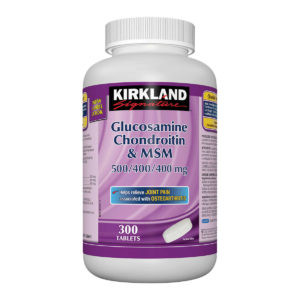
Kirkland Signature – Glucosamine & Chondroitin & MSM 500/400/400mg 300 Capsules
Original price was: $330.00.$258.00Current price is: $258.00. Add to basket -
Sale!
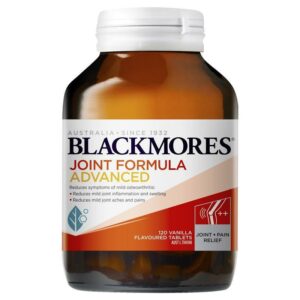
BLACKMORES – Joint Care Formula 120 capsules
Original price was: $258.00.$208.00Current price is: $208.00. Add to basket -
Sale!
![【平均$255/1】【門市低至$238】維柏健 - 健骨至尊 葡萄糖胺軟骨素膠囊 (500/400毫克) + D3 [特強配方] 300粒 x 3樽](https://gogoherbs.com/wp-content/uploads/2023/09/圖片_20260205165446_1856_1-300x300.jpg)
[Average $ 255/1] [Local price as low as $ 238] Vepogen – Bone Strengthening Supreme Glucosamine Chondroitin Capsules (500/400 mg) + D3 [Extra Strong Formula] 300 capsules x 3 bottles
Original price was: $894.00.$765.00Current price is: $765.00. Add to basket -
Sale!
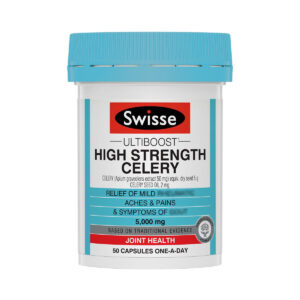
Swisse – Highly Concentrated Celery Seed Extract 5000mg 50 capsules
Original price was: $98.00.$66.00Current price is: $66.00. Add to basket
Related Post:
![母親用滴管把少量植物藻油滴在食物匙上,幼兒坐在餐桌旁]()
A Complete Guide to Plant-Based Algae Oil Omega-3: Odorless, Vegetarian, and Suitable Omega-3 Choices for Pregnant Women and Infants
![牛樟芝子實體與膠囊製品示意]()
What is Antrodia camphorata? A complete guide to its ingredients, research evidence, and precautions for consumption.
![世界心臟日護心飲食場景,香港中年夫婦享用豆漿、豆腐、雞蛋與堅果,旁有心臟及細胞膜卡通示意]()
World Heart Day: Heart Health in Hong Kong Starts with Daily Life | What are the Benefits of Lecithin? Which of Three 1200mg Products to Choose From?
![香港關節健康洞察報告封面:中年及長者在香港步行]()
How to choose joint health supplements? 8 best-selling formulas and repurchase information help you find the right daily option.