
















































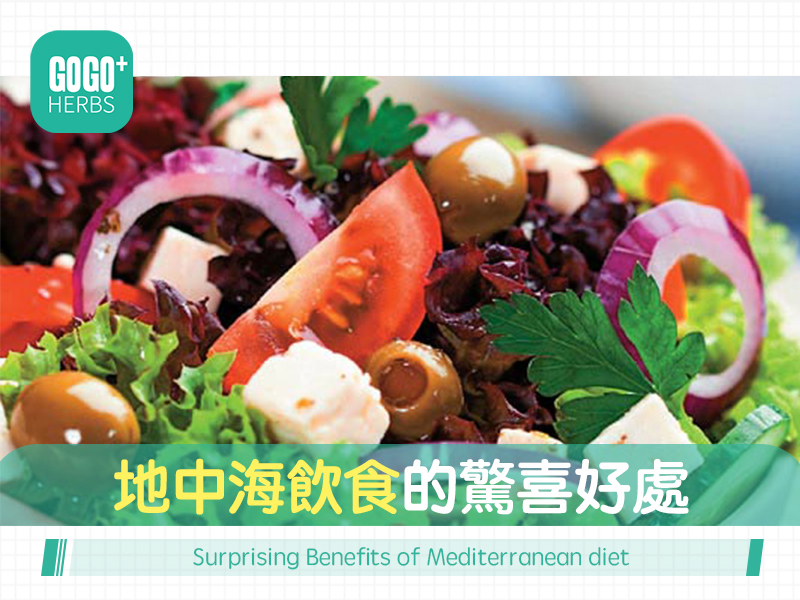
The surprising benefits of the Mediterranean diet
The proverb says, "The longer the belt, the shorter the life." Among the top ten causes of death in Taiwan, more than half, including heart disease, high blood pressure, kidney disease, and diabetes, are related to obesity, placing a huge burden on national health insurance. Globally, at least 2.6 million people die each year from obesity-related diseases. The World Health Organization (WHO) defined obesity as a disease in 1996 and declared that "obesity will become the world's leading health problem." Therefore, medical experts have devoted themselves to research on weight-loss diets, resulting in a wide range of opinions.
Low sugar or high sugar?
In the 1990s, a low-sugar diet was advocated by American physician Robert Atkins.Atkins DietThis was once all the rage. Akin believed that consuming high amounts of carbohydrates would stimulate insulin secretion, leading to the production of more subcutaneous fat, and therefore advocated a low-sugar diet. During his weight loss period, he mainly ate high-protein foods such as meat, eggs, and cheese, and could only consume about the amount of carbohydrates found in a slice of toast each day.
A high-protein diet produces higher levels of ketones in the body, which, when excreted, remove a large amount of water and ions, thus achieving rapid weight loss. More than ten million people worldwide have tried the Atkins weight loss method. However, this weight loss method may increase the metabolic burden on the liver and kidneys in the long term and increase the risk of cardiovascular disease, thus causing considerable controversy.
Another well-known method for weight loss using low sugar is the "South Beach Diet" developed by Miami cardiologist Arthur Agatston, which gained fame after former US President Clinton used it in conjunction with exercise. This weight loss method emphasizes carefully selecting foods based on their glycemic index (GI).
The Glycemic Index (GI) refers to the value of blood glucose levels within two hours after eating. A higher GI indicates that food is absorbed more quickly and blood glucose levels rise faster. At this time, the pancreas releases more insulin, promoting fat formation. Therefore, Agneston advocates choosing low-GI foods, such as high-fiber vegetables, legumes, whole grains, or low-GI fruits. In fact, preparation and cooking methods, as well as many other variables, can affect the GI response. Therefore, the GI value can be considered a reference tool but not the only criterion.
◎ Recommended reading: (This article is not over, there is more to come.)
Lose weight without starving! 9 habits to do every day and your pants will naturally go down one size.
Conversely, some experts advocate for a high-carbohydrate, low-fat diet. For example, the "Pritikin Diet" proposed by renowned dietitian Nathan Pritikin promotes the elimination of animal fats (except salmon), sugar, refined flour, and overly processed foods.
There's also the "Ornish Diet," proposed by Dr. Dean Ornish, which advocates avoiding all kinds of meat and focusing primarily on plant-based foods. Experts disagree on whether a diet should be low-sugar or high-sugar.
Consume food in its most unprocessed, complete form
Some people who want to lose weight strictly calculate their calorie intake, butWeight loss methodsIf the diet is too strict, it can easily lead to a rebound in appetite and binge eating, and it's not sustainable. Especially with starvation-based weight loss methods, the body will automatically lower its metabolic rate to conserve calories in order to maintain physiological functions. Once you return to a normal diet, it's easy to regain weight, and the cycle of weight loss and weight regain is like a yo-yo, going up and down, which is the so-called "yo-yo effect."
Whether for health or weight loss purposes, I personally encourage consuming foods in their most unprocessed, whole state, because the nutrients in the food itself are the perfect proportions selected and carefully designed by the Creator. This is why I have been promoting the "Mediterranean diet" for many years. Its key characteristics are emphasizing the original flavor of food, encouraging the intake of olive oil, nuts, fruits, vegetables, herbs, whole grains, moderate consumption of fish and poultry, and reducing dairy products, red meat, processed meats, and sweets.
I'd like to share a large-scale study published in the April 2013 issue of the *New England Journal of Medicine* on the association between the Mediterranean diet and cardiovascular disease. The study randomly selected 7447 participants aged 55–80 years who had never had any cardiovascular disease or type 2 diabetes, but had the following cardiovascular disease risk factors: smoking, high blood pressure, high LDL cholesterol, low HDL cholesterol, obesity, or a family history of coronary heart disease. Participants were divided into three groups and received different dietary control measures, with an average dietary follow-up of 4.8 years.
The experimental groups consisted of two groups. Group 1 followed a Mediterranean diet, with an additional 1 liter of extra virgin olive oil per week. Group 2 also followed a Mediterranean diet, but with an additional 30 grams of nuts per day. The control group followed a low-fat diet, including low-fat dairy products, potatoes, fruits and vegetables, and low-fat fish, while avoiding oils, baked goods, red meat, and high-fat fish.
Studies have shown that, in the Mediterranean diet without deliberately reducing dietary calorie restrictions, simply increasing the intake of extra virgin olive oil or nuts can reduce the relative risk of cardiovascular disease (including myocardial infarction and stroke) by 30%, which is more effective than the control effect of the low-fat diet group.
Therefore, strictlyLimit fat intakeThe diets of those who preferred certain foods were difficult for participants to maintain. Conversely, those who preferred whole, natural ingredients like fruit and vegetable salads and established simple yet delicious eating habits were more likely to receive positive health feedback.
This column reflects expert opinions and does not represent the position of this organization.
Recommended reading:
Quick notes on 8 foods that can lower cholesterol!
This olive oil boasts a remarkable 751 TP4T of monounsaturated fatty acids! Come and learn more about it!
5 Foods to Help You Get Rid of Fatty Liver
The evidence that your body is older than you isn't age spots or wrinkles, but...





Author. gogoherbs
Related Products:
-
Sale!
 Out of stock
GNC – Children's Multi-Purpose Gummies 120 capsules
Original price was: $148.00.$120.00Current price is: $120.00. Read more -
Sale!
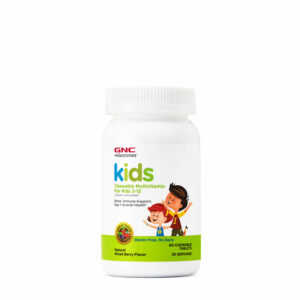
GNC – Chewable Children's Multivitamins Natural Mixed Berry Flavour 60 Tablets
Original price was: $135.00.$118.00Current price is: $118.00. Add to basket -
Sale!

GINAX – Manuka Honey UMF™ 5+ 30g
Original price was: $30.00.$25.00Current price: $25.00. Add to basket -
Sale!
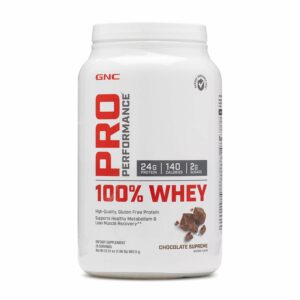
GNC – Pro Performance 100% Whey Protein (Chocolate Flavour) 887.5g
Original price was: $420.00.$318.00Current price is: $318.00. Add to basket