




















































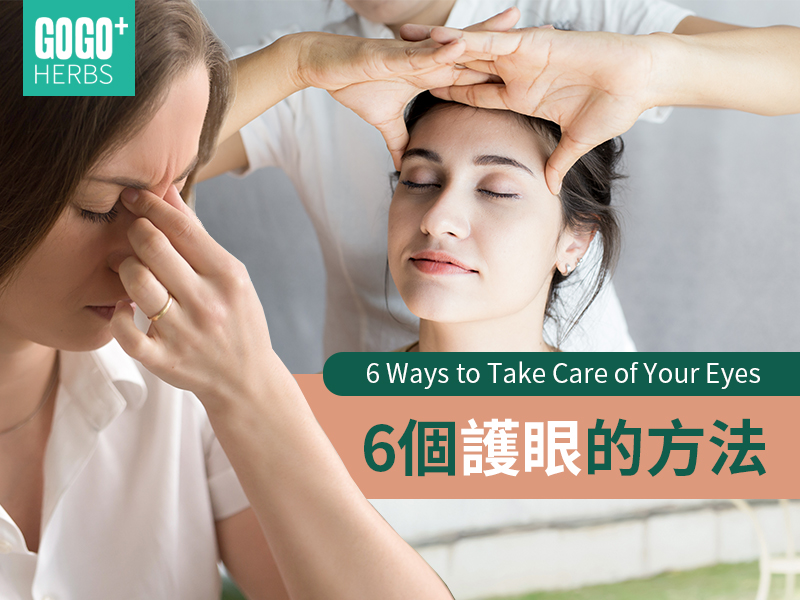
6 ways to protect your eyes
Modern people spend long hours using electronic devices in their daily lives, staring at screens for extended periods, which can easily lead to eye degeneration and blurred vision. If these warning signs of aging are ignored, the chances of developing presbyopia and other vision-impairing problems like macular degeneration are several times higher than average. To maintain eye health...Eye care methodsIt cannot be missing.
Our eyes are the most direct way we explore the world. Light is reflected from objects and, after passing through the cornea, iris, lens, and retina, is transformed into an image and sent to the brain, helping us perceive the world. With age and incorrect eye posture, the following eye diseases can develop.
Common eye diseases
floaters
Physiological floaters occur with age or nearsightedness, caused by the natural degeneration of the vitreous humor, resulting in opacities that cause black spots, lines, or circles to float in the field of vision. Most are benign and do not require treatment. However, if the condition does not improve, a medical examination is necessary to check for vitreous hemorrhage, peripheral retinal tears, or retinal detachment.
Yellow spots degeneration
The macula is the most sensitive part of the human visual field, and its degeneration can lead to uneven lighting and impaired visual acuity. This is caused by aging leading to lipid buildup behind the retina, forming yellow deposits known as "calyces," or by vascular abnormalities. Without proper treatment, it can result in vision impairment.
Presbyopia
Symptoms typically begin around age 40, including blurred vision of close objects and blurred vision when the focus suddenly changes. Presbyopia is caused by the gradual decrease in the elasticity of the lens inside the eye with age, resulting in a loss of the ability to adjust focus.
Crystal degeneration
Lens degeneration can cause symptoms such as sensitivity to light or a feeling that colors are no longer vibrant. This can be caused by aging, genetics, complications, medications, or other factors that cause the lens to become blurred, preventing light and images from reaching the retina and further affecting vision.
High intraocular pressure
High intraocular pressure is a major factor leading to eye problems, and in severe cases, it can cause sudden blurred vision, eye pain, headaches, nausea, and vomiting. People with a family history of eye diseases, high myopia, high body fat, or cardiovascular problems are at greater risk of high intraocular pressure.
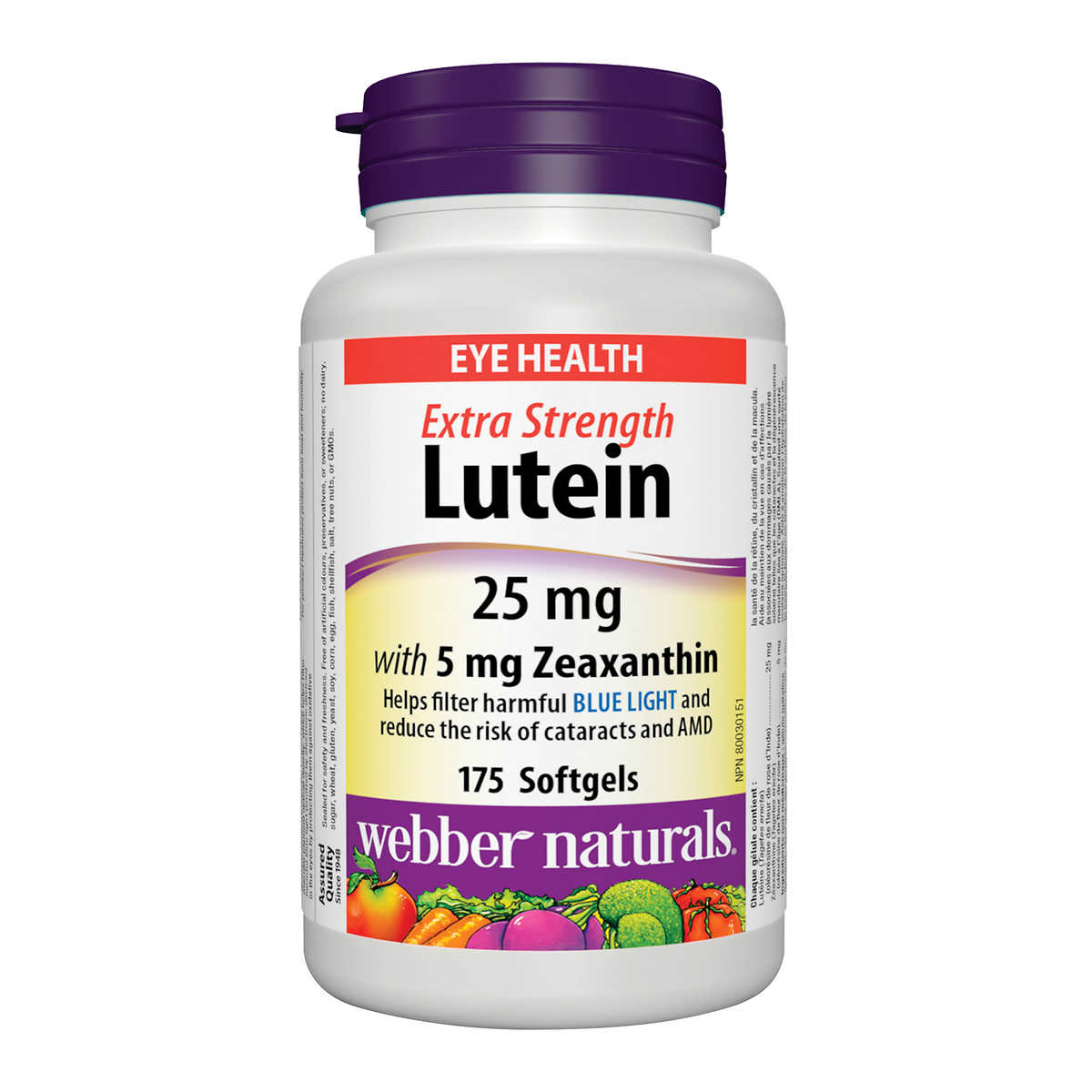
Related reading:Eye protection secret – Lutein
How to improve eye health
1. Blinking
When staring at electronic devices for extended periods, we blink less frequently. This reduces the amount of lubrication the cornea receives from the tear film, leading to dryness and blurred vision. Therefore, blink regularly to keep your eyes moist when using electronic devices. You can use the 20/20 rule to rest your eyes for 20 seconds after every 20 minutes of use.
2. Avoid dry environments
In air-conditioned or heated rooms, the air tends to become dry, which can further lead to dry eyes. In such cases, please avoid airflow blowing directly into your eyes, go outdoors to get fresh air, drink more water, or use a humidifier indoors to prevent dry eyes.
3. Eye massage
First, put a few drops of lubricating and stress-relieving essential oil or lotion in your palms. After warming your palms, gently massage around your eyes in a circular motion for about 5 to 10 circles. Then, use your thumbs to press deeply into the eye sockets. This massage can stimulate the eyelid glands to secrete tears appropriately, relax the eyes, and keep them moist.
4. Quit smoking
Smoking not only increases the risk of lung disease, but also reduces blood flow to the eyes and increases oxygen free radicals in the eyes, causing damage to the optic nerve. Mild cases may only result in dry eyes, while more serious cases may affect vision, and in the most extreme cases, may even lead to permanent blindness. Therefore, it is recommended to quit smoking and reduce the chance of being exposed to secondhand smoke.
5. Protects against ultraviolet rays
When going out during the day, remember to wear sunglasses that block harmful ultraviolet (UV) rays. Prolonged exposure to UV rays increases the risk of cataracts and macular degeneration, and in extreme cases, can cause sunburn. Furthermore, when going to places with potentially dangerous glare or reflected light, such as the beach or snowy areas, in addition to wearing sunglasses that block both UVA and UVB rays, it is recommended to choose protective lenses with additional coatings.
6. Get enough sleep
Getting 7 to 8 hours of sleep each night also helps protect your eyes. During REM sleep, our eyes move constantly, promoting waste removal. When we don't get enough sleep, waste products in our eyes don't have time to be eliminated, making our eyes more tired, dry, and puffy.

Eye care related health products
Vibecare – Eye Care Lutein Essence 6mg 60 Capsules
Charenda – Celery Seed Extract 3500+ Blueberry Extract 5000 Concentrated Serum (with Kakadu Plum Added)
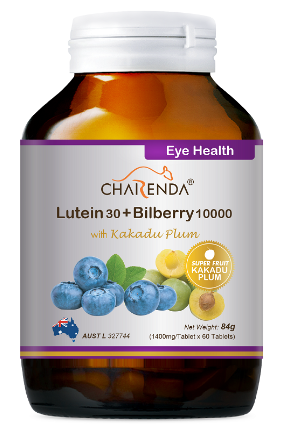
Charenda – Lutein 30+ Blueberry Extract 10000 Concentrated Essence Tablets (with Kakadu Plum Added)