
































































To maintain good health and improve overall well-being, many people have the habit of taking nutritional supplements. But what exactly are "dietary supplements"? And does everyone need to take them? Actually...Supplements are positioned to "supplement dietary deficiencies," not to replace daily meals.This article will first clarify the definition and positioning of dietary supplements, and then we will look at them one by one.Which 8 types of people should pay the most attention to nutritional supplements?This section outlines the nutrients each product needs, the recommended daily intake, safe limits, and pitfalls to avoid when selecting and consuming these products.
- What are dietary supplements?
- Why do modern people often need supplements? Three practical factors.
- Who should consider taking dietary supplements? 8 major groups
- What nutrients do different ethnic groups need? Quick reference chart
- How to choose dietary supplements? 6 principles
- Safety reminders before and after taking the medication
- Frequently Asked Questions (FAQ)
- Choose according to your needs: Common supplement categories
- Source of information
1. What are dietary supplements?
Dietary supplements, also commonly referred to as dietary supplements or nutritional supplements, refer to...Contains vitamins, minerals, fatty acids, amino acids, phytochemicals, or antioxidants.Products, commonly in various forms, includePills, capsules, tablets, powders, liquids or dropsIts purpose is...Enrich or supplement your daily dietIt helps us obtain the nutrients we need.
There is one point that many people are confused about, and it is worth clarifying first: According to U.S. Food and Drug Administration (FDA)The explanation is that dietary supplements are regulated by law.It is regulated as a food product, not a drug.This represents two things:
- It is not medicine:Supplements may not claim to diagnose, treat, prevent or cure any disease, nor can they replace medications prescribed by a doctor.
- It's not a case of "the more the better":Manufacturers are responsible for ensuring product safety and correct labeling.Excessive intake of certain nutrients (especially fat-soluble vitamins and certain minerals) can be harmful.。
In what situations is it "needed to be supplemented"? The answer is usually:It is difficult to consistently meet the recommended intake of a certain nutrient through diet alone.For example, vegans need vitamin B12, those with insufficient sunlight need vitamin D, or pregnant women have additional needs for folic acid and iron. This is also the issue that will be addressed in the next section and Section 3.
2. Why do modern people often need supplements? Three practical factors.
(1) Changes in dietary patterns may not necessarily lead to adequate nutrient density.
A high proportion of eating out, a diet high in processed foods, and insufficient intake of fruits and vegetables are common occurrences for many urban dwellers. British Nutrition FoundationA review of nutrition surveys in the UK population shows that...The intake of some vitamins and minerals is indeed below the "Minimum Reference Intake" (LRNI).The association also pointed out that,Vitamin D is the only vitamin that is difficult to obtain adequately through a regular diet alone..USA CDC The data also shows that the local area is approximatelyOne-quarter of the population has low or insufficient levels of vitamin D in their blood.。
(2) The nutritional content of the same food may not be the same as it was decades ago.
A 2004 study published in the *Journal of the American College of Nutrition* (Davis, Epp, Riordan) compared... USDA food composition data for 43 horticultural crops in 1950 and 1999The results showedThe median concentrations of six nutrients—protein, calcium, phosphorus, iron, riboflavin (B2), and vitamin C—decreased.The decrease was from approximately 61 TP4T for protein to approximately 381 TP4T for riboflavin.
The research team speculated that the most likely reason was...Modern breeding prioritizes yield, insect resistance, and adaptability.—When crops grow faster and larger, the proportion of minerals and vitamins distributed per unit weight may be "diluted." It should be noted that this is...Comparison of food composition databases from different erasThe authors also stated that the influence of differences in detection methods could not be completely ruled out, andNot every food or every nutrient decreases.。
(3) Lifestyle habits and environment will increase consumption
Our daily routines, alcohol consumption, smoking habits, and environment all affect the absorption and storage of nutrients. The following points have clear official evidence:
- Frequent alcohol consumption:依 The National Institute on Alcohol Abuse and Alcoholism (NIAAA)The explanation is that long-term heavy drinking can affect intestinal absorption and is associated with...Vitamin B1 (thiamine) deficiencyClosely related; the process of alcohol metabolism also consumes nutrients such as B vitamins, vitamin C, zinc, and magnesium in the body.
- Smoking and air pollution:Smoke and pollutants increase oxidative stress in the body, leading to a greater need for antioxidant nutrients such as vitamin C.
- Prolonged indoor work, adequate sun protection:Both reduce the skin's ability to synthesize vitamin D (see Section 3, Category 5 for details).
- Long-term medication:Some common medications can affect the absorption or metabolism of certain nutrients (see Section 3, Category 7 for details).
3. Who should consider taking dietary supplements? 8 major groups
依 American Academy of Nutrition and Dietetics、NIH Office of Dietary Supplements (ODS)According to the UK NHS, the following groups may have difficulty meeting all their nutritional needs through diet alone at certain stages of their lives, and it is worthwhile to discuss with healthcare professionals whether supplementation is necessary.
I. Vegans and Strict Vegans
Key nutrients: Vitamin B12, iron, calcium, iodine, selenium, vitamin D, Omega-3
Vitamin B12 is one of the most important factors to pay attention to.依 NIH ODSThe explanation is that vitamin B12 is naturally found in animal-based foods.Plant-based foods do not contain B12 unless they are fortified.Vitamin B12 helps maintain the normal function of the blood and nervous system and participates in DNA synthesis. This is why... NHS Vegan Diet GuidelinesJust putVitamin B12 supplementsIt is listed as one of the options that vegans should pay attention to.
Other things worth noting include:鐵(Plant-based iron has a lower absorption rate, so it is recommended to take a vitamin C supplement at the same time and avoid drinking tea or coffee before or after meals.)鈣(Can be obtained from fortified plant-based milk, firm tofu, sesame seeds, and dark green vegetables)Iodine and Selenium(Pay attention to the labeling of fortified plant-based milk)Vitamin D(Note the selection of plant-based formulas) and Omega-3(Walnuts, flax seeds, chia seeds, etc.)
Tip:A well-planned vegan diet can meet most nutritional needs; supplements are used to make up for the nutrients that are difficult to obtain consistently from a plant-based diet.
II. Individuals aged 50 and above and the elderly
Key nutrients: Vitamin B12, Vitamin D, Calcium
依 NIH ODS,Many people over 50 years old experience reduced stomach acid secretion, making it more difficult for them to release and absorb vitamin B12 from food.Therefore, the organization recommends that people over 50 years of age...Obtain B12 primarily from fortified foods or supplements.This is because the B12 in the supplement does not need to be broken down by stomach acid.
American Academy of Nutrition and DieteticsIt was also pointed out that with age,The absorption of vitamin B12 and vitamin D becomes more difficult.In addition, as the skin's ability to synthesize vitamin D decreases and outdoor activities decrease,NIH ODS把Senior citizensThey are listed as one of the groups more prone to vitamin D deficiency (the recommended intake for people over 71 years old is 20 micrograms/800 IU per day, which is higher than the 15 micrograms/600 IU for the average adult).
Practical advice:Rather than patching them one by one, in most cases, one would chooseA comprehensive formula containing vitamins D, B12, and calcium.It's easier to complete the process all at once; however, if you are taking osteoporosis medication, heart medication, or diuretics, please consult your doctor first.
III. Women of childbearing age, pregnant women and breastfeeding mothers
Key nutrients: folic acid, iron, iodine, vitamin D
Folic acid is the only nutrient that is "almost recommended for women trying to conceive".依 NHSSuggestionsWomen planning to conceive, who may become pregnant, or who are already pregnant should begin taking 400 micrograms of folic acid daily from the preconception stage until 12 weeks of pregnancy.This is to support the normal development of the fetal neural tube. For some women with higher-risk conditions (such as a family history of neural tube defects, diabetes, or currently taking anti-epileptic drugs), doctors may recommend [this treatment].5 mg dailyHigher doses must be determined after evaluation by a doctor.
The remaining items:
- iron:Iron requirements increase significantly during pregnancy (the US NIH recommends an intake of 27 mg daily during pregnancy) because the fetus and placenta need iron for development. Whether additional iron supplementation is needed during pregnancy is generally determined by a doctor based on the results of blood tests during prenatal checkups.
- Vitamin D:依 UK NICE GuidelinesPregnant and breastfeeding women are advised to supplement with 10 micrograms (400 IU) daily.Those with insufficient sunlight exposure or darker skin tones are advised to supplement year-round.。
- iodine:It is related to fetal neural development and can be obtained from dairy products, seafood, or fortified plant-based milk.
IV. Infants and children under 5 years old
Key nutrients: Vitamin D, Vitamin A, Vitamin C, Iron
依 NHS與 British Nutrition FoundationThe compilation:
- Breastfed infants:Daily supplementation from birth 8.51 TP1T10 micrograms of Vitamin D(The vitamin D content in breast milk is insufficient).
- Infants who drink formula:If you drink more than 500 ml per day, because the formula milk is already fortified,Usually no additional supplement is needed.Supplementation is only necessary when milk intake is less than 500 ml.
- 1–4-year-old children:Daily Supplement 10 micrograms of Vitamin DAnd suggested supplementingVitamins A and C(Commonly known as "Vitamin A, C, D drops").
- 6 months to 5 years old:Based on the advice of the British government, daily administration of [medication/medication] containing [medication/medication] should be provided.Vitamins A, C, and D Supplements.
- iron:依 American Academy of Nutrition and DieteticsThe number of exclusively breastfed babies is approximately [number missing]. 4 to 6 months oldAdditional iron sources are needed at this time, and can be supplemented through complementary foods such as meat puree and iron-fortified baby cereal.
5. People with insufficient sunlight or those who have adequate sun protection
Key point: Vitamin D
Vitamin D is the only oneIt mainly relies on the skin's contact with sunlight to synthesize its own.Vitamins are found in very limited food sources. NHS與 NIH ODSThe following people are more prone to deficiency.It is recommended to supplement with 10 micrograms (400 IU) of vitamin D daily throughout the year.:
- People who stay indoors for extended periods—For example, people who are physically weak, or who live at home or in a nursing home for a long time;
- People who habitually cover most of their skin with clothing when going out;
- Darker skin(For example, people of African, Caribbean or South Asian backgrounds) need more sunlight to produce the same amount of vitamin D;
- People who take thorough sun protection—Sunscreen products themselves limit the skin's production of vitamin D (which is also an important measure to prevent skin damage; the two need to be balanced).
As for adults and children aged 5 and above:The British government has suggested that...Autumn and winter (approximately October to March)Consider supplementing with 10 micrograms of vitamin D daily; in seasons with ample sunshine, decide whether to continue depending on the situation.
VI. Individuals with poor gastrointestinal absorption or who have previously undergone gastrointestinal surgery
Key nutrients: Vitamin D, Vitamin B12, Iron, Calcium (depending on individual condition)
依 NIH ODSThe following conditions can affect nutrient absorption and make deficiencies more likely:
- Diseases that affect fat absorptionFor example, Crohn's disease, celiac disease, and ulcerative colitis—because vitamin D needs to be absorbed in the intestines along with fat;
- Has undergone stomach or intestinal surgery(Including bariatric surgery, partial or total gastrectomy) - may have difficulty absorbing B12 due to insufficient gastric acid and intrinsic factor;
- Atrophic gastritis, pernicious anemiaSituations that affect intrinsic factors;
- People with food allergies or who need to restrict their diet for a long time--according toAmerican Academy of Nutrition and DieteticsPeople in this category need to plan their diet more carefully, and in some cases, they may need to supplement their diet with supplements.
The most important step in this category is not buying supplements, but seeing a doctor first.Doctors can use blood tests to determine which component is deficient and how much dosage is needed; in some cases (such as pernicious anemia), further testing may be required.Vitamin B12 in injectionIt cannot be replaced by oral supplements.
VII. People who take certain medications long-term
Key nutrients: Vitamin B12, Vitamin D (depending on the type of medication)
依 NIH ODSThe following is a summary of common medications and their relationships with vitamin B12, which is worth noting:
- Gastric acid inhibitors(such as proton pump inhibitors like omeprazole and lansoprazole, as well as some H2 receptor antagonists): used for conditions like acid reflux and gastric ulcers, they reduce gastric acid secretion and may affect the absorption of B12 from food;
- MetforminIt is commonly used in diabetes and prediabetes, and may reduce the absorption and blood levels of B12.
In addition, long-term use of diuretics and some antiepileptic drugs may also affect other nutrients. The key point is:Don't add extra supplies on your own out of fear of "lacking".—Some nutrients and medications can interfere with each other when taken simultaneously (for example, iron and some antibiotics, and thyroid medications need to be taken at different times). The recommended approach is...Make a list of all medications and supplements you are currently taking and have it evaluated by your doctor or pharmacist.(FDA This point is also emphasized.
8. People who frequently drink alcohol, smoke, or experience high levels of stress.
Key nutrients: B vitamins, vitamin C, zinc, magnesium
依 NIAAALong-term excessive drinking can reduce intestinal absorption capacity and, along with...Vitamin B1 (thiamine) deficiencyThe relationship is close; studies also show that alcohol metabolism depletes the body's...Folic acid, B6, B12, Vitamin C, zinc and magnesiumNutrients such as...
Smoking and prolonged exposure to polluted environments increase oxidative stress; people with irregular sleep patterns and chronic stress often have irregular eating habits.
One point that needs to be made clear:supplementsThe health damage caused by drinking and smoking cannot be offset.For this type of person, the most valuable thing is...Reduce alcohol consumption, quit smoking, and improve your lifestyle.The role of supplements is simply to help replenish nutrients that are more easily lacking in the diet.
4. What nutrients do different ethnic groups need? Quick Reference Table
| ethnic groups | Nutrients worth noting | Common daily reference values/key points |
|---|---|---|
| Vegan | Vitamin B12, iron, calcium, iodine, selenium, vitamin D, Omega-3 | B12 is key; iron should be taken with vitamin C. |
| 50 years and older / seniors | Vitamin B12, Vitamin D, Calcium | Vitamin D 10–20 micrograms (400–800 IU) |
| Women preparing for pregnancy and in early pregnancy | folate | 400 micrograms; from the time of trying to conceive until 12 weeks of pregnancy. |
| Pregnant women and breastfeeding mothers | Folic acid, iron, iodine, vitamin D | Vitamin D 10 micrograms; iron based on prenatal checkup results |
| Infant (breastfed) | Vitamin D | 8.51 TP1T10 micrograms from birth |
| 1–5-year-old children | Vitamins A, C, and D (4–, start paying attention to iron from 6 months onwards) | Vitamin D 10 micrograms |
| Insufficient sunlight exposure / Darker skin tone / Skin often covered | Vitamin D | 10 micrograms per day throughout the year |
| Poor absorption or previous gastrointestinal surgery | Vitamin D, B12, iron, calcium (depending on the condition) | The dosage will be determined by a doctor after examination. |
| Long-term use of gastric acid inhibitors/metformin | Vitamin B12 | It is recommended to check blood levels regularly. |
| Frequent drinking/smoking/disordered sleep patterns | Vitamin B complex, Vitamin C, Zinc, Magnesium | Improve your lifestyle first, then supplement as a supplement. |
Note: The above is for general reference only. Individual needs may vary depending on age, health condition, medication and dietary habits. The advice of a doctor or registered dietitian should be taken into account.
5. How to choose dietary supplements? 6 principles
- The ingredients and their contents should be clearly visible.chooseClearly indicate the actual content of each ingredient.Avoid products that only list "herbal compound" or "patented formula" without specifying the content, because you cannot know how much you actually consumed.
- The dosage should be reasonable; higher is not necessarily better.Fat-soluble vitamins (A, D, E, K) accumulate in the body. For example, vitamin D...NHS Remind adults dailyIt should not exceed 100 micrograms (4,000 IU).Vitamin B6 should not be supplemented more than [amount missing] daily. 10 mgFolic acid supplementation should be done on your own. 1 mg or lessThis is the principle. When purchasing, first check these upper limits.
- Be aware of the excess caused by "overlay".Many people take multivitamins, vitamin D supplements, calcium tablets, and sports supplements at the same time, resulting in repeated intake of the same nutrient. Before buying, check the products you already have to see if there is any overlap.
- Choose products with complete labeling and reliable origin.The packaging should clearly list the ingredients, content, recommended dosage, storage method and expiration date; if the product has third-party testing or local registration number, it can also be used as a quality reference.FDA Consumers are also reminded to purchase from reputable channels and to be wary of exaggerated claims.
- Recognize that "dietary supplements are not medicines".Any supplement that claims to "treat" or "cure" a disease is not in compliance with regulations and should not be used as a basis for treatment.
- Consult a professional before you begin.Especially pregnant women, breastfeeding mothers, infants, the elderly, patients with chronic diseases, and those who are currently taking medication.American Academy of Nutrition and DieteticsIt is recommended that you have your doctor arrange a check-up or have a registered dietitian assess your diet before making a decision.
6. Safety reminders before and after taking the medication
- First take care of the diet, then talk about supplements.Supplements fill gaps, not replace meals. Supplements are only effective when based on a diverse diet.
- Do not exceed the indicated dosage.The idea that "eating more is more effective" is a common misconception. Long-term excessive intake of Vitamin D can raise blood calcium levels, affecting bones and kidneys; excessive Vitamin A (especially during pregnancy) may be harmful; and long-term high doses of Vitamin B6 may cause numbness in the hands and feet. These risks are all related to "consistently high dosages."
- Taking it with meals is usually ideal.Fat-soluble vitamins (A, D, E, K) need to be absorbed along with fat in food; some minerals are more likely to cause gastrointestinal discomfort when taken on an empty stomach.
- Give the medication list to the medical staff.There can be interactions between supplements and prescription drugs. For example, iron and some antibiotics and thyroid medications need to be taken at different times.
- Please take precautions for storage and ensure child safety.Store as indicated (some products require protection from light, moisture, or refrigeration) and out of reach of children.
- Observe the body's reaction.If you experience skin rash, gastrointestinal discomfort, headache, or other abnormalities after taking the medication, discontinue use and consult a doctor.
7. Frequently Asked Questions (FAQ)
Q1: What exactly are dietary supplements? How are they different from medicine?
Dietary supplements are products containing vitamins, minerals, fatty acids, phytochemicals, or antioxidants. They come in various forms, including pills, capsules, tablets, powders, or liquids, and are intended to supplement deficiencies in a daily diet. FDAIn terms of regulationsRegulated as a food product, not a drug.Therefore, it is prohibited to claim that it can diagnose, treat, prevent or cure diseases, nor can it replace a doctor's prescription.
Q2: Can dietary supplements replace a balanced diet?
No. British Nutrition FoundationsupplementsIt cannot replace a healthy diet—In addition to vitamins and minerals, natural foods also provide dietary fiber and a variety of plant compounds. The correct approach is to maintain a balanced diet and supplement with specific nutrients only when there is an actual need.
Q3: Do vegetarians have to take vitamin B12 supplements?
Vitamin B12 is naturally found in animal-based foods.Plant-based foods do not contain B12 unless they are fortified.(according to NIH ODS).therefore NHS Vegan Diet GuidelinesVitamin B12 is listed as a nutrient that vegans should pay special attention to. It can be obtained through fortified foods (such as fortified plant-based milk, nutritional yeast, and fortified cereals) or B12 supplements. Vegans are advised to discuss with their doctor or registered dietitian what works best for them.
Q4: What nutrients do pregnant women need to supplement?
依 NHS 與 NICE GuidelinesThe key point is:folate(400 micrograms daily from the start of conception until 12 weeks of pregnancy; in high-risk cases, a doctor will decide whether to use 5 mg.)Vitamin D(10 micrograms daily, supplemented year-round for those with insufficient sunlight), and as determined by the doctor based on prenatal checkup results.Iron and iodine.pregnancyYou should not take supplements containing vitamin A (retinol) or cod liver oil.All supplements should be approved by a doctor or midwife first.
Q5: Do children need to take vitamin supplements?
依 NHS與 British Nutrition FoundationThe recommended daily supplementation for breastfed infants is 8.5 μT/10 mcg of vitamin D from birth; for children aged 4 years, 10 mcg of vitamin D daily, with supplementation of vitamins A and C also recommended; infants drinking more than 500 ml of formula daily usually do not require additional supplementation. The type and dosage of children's supplements should be discussed with a pediatrician or physician.
Q6: What happens if you take too many supplements?
Excessive intake of some nutrients can be harmful. For example, long-term excessive vitamin D can raise blood calcium levels, affecting bones and kidneys.NHS It is recommended that adults not exceed 100 micrograms/4,000 IU daily; vitamin B6 intake exceeding 200 mg daily may cause numbness in the hands and feet, so it is generally recommended to supplement no more than 10 mg daily; folic acid supplementation exceeding 1 mg may mask the symptoms of vitamin B12 deficiency. Therefore...Take according to the indicated dosage and avoid combining multiple products.。
Q7: When is the best time to take supplements?
Recommendations for fat-soluble vitamins (A, D, E, K)Take with mealsBecause these substances need to be absorbed along with fats in food; some minerals are more likely to cause gastrointestinal discomfort when taken on an empty stomach, so it is better to take them with meals. If you are taking multiple supplements or prescription drugs at the same time, you should first check with a pharmacist to see if you need to stagger the times (for example, iron and some antibiotics, thyroid medications).
8. Choose according to your needs: Common supplement categories
After reviewing the ethnic group comparison above, most people can first choose from the following categories based on their own circumstances.Simple ingredients and clear labelingProducts that appeal to multiple groups; if a product fits multiple groups, usually one is chosen.The ingredients cover the main needsThe formula is easier to follow long-term than buying five or six bottles at a time.
| Demand direction | Common product categories | Key points to consider when selecting |
|---|---|---|
| Daily nutrition foundation | Multivitamins and minerals | Are the ingredient contents listed item by item? Does it overlap with other products you have? |
| Insufficient sunlight exposure, the elderly, and bone health | Vitamin D (may contain calcium, magnesium, and K2) | Is the daily vitamin D dose within the reasonable range of 10 IpT/T 20 micrograms (400 IpT/T 800 IU)? |
| Vegans, those over 50 years of age | Vitamin B12 or B vitamins | Is the vitamin B12 form clearly labeled? Vegetarians should pay attention to the source of the ingredients. |
| Preparing for pregnancy, during pregnancy and breastfeeding | Folic acid, prenatal vitamins | Confirmed to contain no Vitamin A (retinol)Is the folic acid dosage 400 micrograms? |
| Children (1–5 years old) | Children's Vitamin A, C, D Drops/Chewable Tablets | Are the dosages labeled according to age? Have they been confirmed by a pediatrician? |
| Iron deficiency in diet, vegetarians | Iron supplements (may contain vitamin C, B12, and folic acid) | Forms of iron and elemental iron content;Keep away from children |
| Frequent drinking and irregular sleep patterns | Vitamin B complex, Vitamin C | The goal is to supplement daily deficiencies; it is not advisable to increase the dosage on your own. |
The above categories can be found at Gogo Herbs Health Products SectionBrowse by category: "Vitamins/Minerals," "Pregnancy Nutrition," "Children's Health," etc. (Add the corresponding category or product link here before submission.)
9. Sources of information
- NIH Office of Dietary Supplements — Vitamin B12 (Fact Sheet for Consumers)
- NIH Office of Dietary Supplements — Vitamin D (Fact Sheet for Consumers)
- NHS — Vitamin D
- NHS — B vitamins and folic acid
- NHS — The vegan diet
- British Nutrition Foundation — Vitamins and minerals
- NICE — Maternal and child nutrition(NG247)
- UK Government — Government Dietary Recommendations
- CDC — Micronutrient Facts
- Academy of Nutrition and Dietetics — Vitamins, Minerals and Supplements: Do You Need to Take Them?
- US Food and Drug Administration — Dietary Supplements
- NIAAA — Wernicke-Korsakoff Syndrome (Alcohol and Vitamin B1)
- Davis DR, Epp MD, Riordan HD. Changes in USDA food composition data for 43 garden crops, 1950 to 1999. J Am Coll Nutr 2004;23(6):669–682(University Press Release Summary)
Health Disclaimer: The content of this article is for nutritional education and reference only and does not constitute any medical advice, diagnosis, or prescription, nor can it replace the judgment of a professional medical person. Dietary supplements cannot replace a balanced diet, a doctor's diagnosis, or prescription medications. Pregnant and breastfeeding women, infants and children, the elderly, patients with chronic diseases, and those taking prescription medications should consult a doctor, pharmacist, or registered dietitian before supplementing with any nutrients. If you experience persistent discomfort, please seek medical attention as soon as possible.
Related Products:
-
Sale!

GINAX – Ginseng Tea Bag / Ginseng White Tea Rose Tea Bag | 1bag
Original price was: $13.00.$10.00Current price is: $10.00. 選擇規格 This product has multiple variants. The options may be chosen on the product page -
Sale!

GINAX – Manuka Honey UMF™ 5+ 30g
Original price was: $30.00.$25.00Current price is: $25.00. Add to basket -
Sale!

Single 10% off】aXimed – Recovery Speed 100% Whey Protein Powder 30 sachets
Original price was: $558.00.$502.00Current price is: $502.00. Add to basket -
Sale!
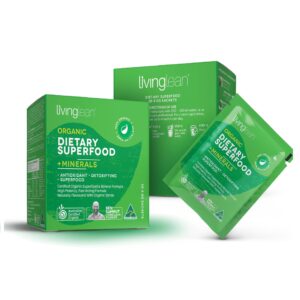
Livinglean – Organic Dietary Mineral Powder 8g x 20 sachets
Original price was: $368.00.$298.00Current price is: $298.00. Add to basket
Related Post:
![母親用滴管把少量植物藻油滴在食物匙上,幼兒坐在餐桌旁]()
A Complete Guide to Plant-Based Algae Oil Omega-3: Odorless, Vegetarian, and Suitable Omega-3 Choices for Pregnant Women and Infants
![牛樟芝子實體與膠囊製品示意]()
What is Antrodia camphorata? A complete guide to its ingredients, research evidence, and precautions for consumption.
![世界心臟日護心飲食場景,香港中年夫婦享用豆漿、豆腐、雞蛋與堅果,旁有心臟及細胞膜卡通示意]()
World Heart Day: Heart Health in Hong Kong Starts with Daily Life | What are the Benefits of Lecithin? Which of Three 1200mg Products to Choose From?
![香港關節健康洞察報告封面:中年及長者在香港步行]()
How to choose joint health supplements? 8 best-selling formulas and repurchase information help you find the right daily option.