



























































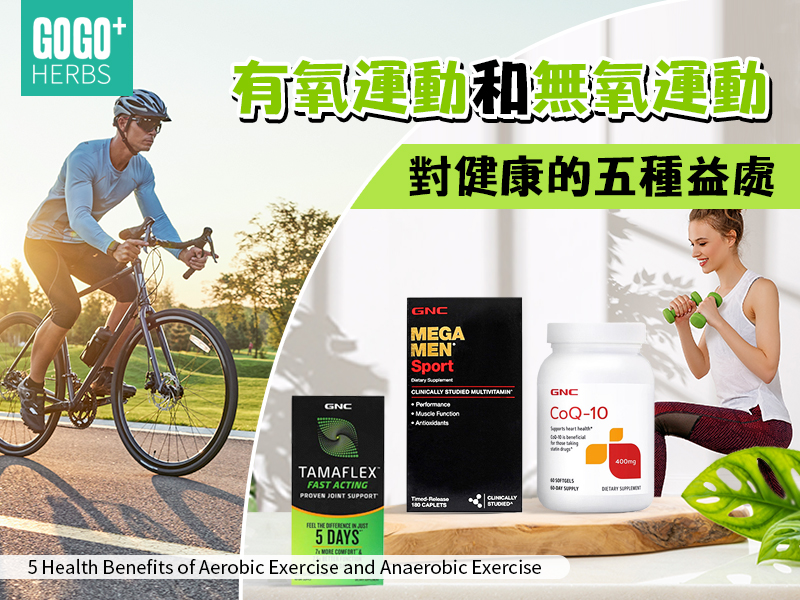
The differences and benefits of aerobic and anaerobic exercise: five benefits, weekly recommendations, and safety tips.
Exercise can be broadly divided into two categories:Aerobic exercise(Also known as aerobic exercise) andAnaerobic exerciseThe former emphasizes endurance and cardiovascular fitness, while the latter emphasizes strength and explosiveness. They offer different health benefits, and—this is a point many people overlook—They are not an either/or choice.The World Health Organization recommends doing both.
This article, based on official sources, explains: the definitions and energy systems of the two types of exercise, their respective five benefits, how much to do each week, how to determine intensity, safety reminders before starting, and the correct place of exercise supplements in the overall plan.
II. What is aerobic exercise? Common examples
III. Five Benefits of Aerobic Exercise
IV. What is anaerobic exercise? Common examples
V. Five Benefits of Anaerobic Exercise
6. How many should be done per week? WHO and Hong Kong Department of Health recommendations.
7. Which is better, aerobic or anaerobic exercise?
8. Safety Reminders Before Starting Exercise
IX. How to Choose Sports Supplements: Three Formula References
10. Frequently Asked Questions (FAQ)
XI. Sources of Information
1. What are the differences between aerobic and anaerobic exercise?
The core difference between the two lies inHow does the body generate energy during exercise?This also determines the intensity and duration of the exercise:
| project | Aerobic exercise (aerobic exercise) | Anaerobic exercise |
|---|---|---|
| Energy source | It uses oxygen to break down carbohydrates and fats for energy. | When oxygen supply is insufficient to meet demand, the body switches to immediate energy and glycolysis for rapid energy supply. |
| Intensity and Time | Low to moderate intensity, lasting for a relatively long time | Short duration, high intensity, difficult to maintain for a long time |
| Breathing and Heartbeat | The speed is faster but relatively stable, and it can still speak. | Rapid, speaking becomes difficult |
| Main training objectives | Cardiorespiratory endurance and physical fitness | Muscle strength, explosive power, muscle mass |
| example | brisk walking, jogging, swimming, cycling | Weightlifting, sprinting, high-intensity interval training, squats and push-ups |
It should be noted that,The two often appear together in actual sports.For example, HIIT (High Intensity Interval Training) involves alternating between two energy systems in a single session; similarly, a basketball game includes both sprints and continuous running. Therefore, "categorization" is meant to help understand and structure training, not to rigidly break down exercises.
II. What is aerobic exercise? Common examples
依Hong Kong Department of Health: "Living a Healthy New Direction"The explanation states that physical activity includes work, housework, commuting (walking, cycling), and leisure activities. Aerobic exercise refers to...Rhythmic activities that can increase heart rate, deepen breathing, and be sustained.。
Common examples of aerobic exercise:
- brisk walking—Easy to start, requiring almost no equipment. The Department of Health points out that for most adults, about 100 steps per minute is considered moderate intensity.
- Jogging and running。
- swim—A choice that puts less strain on the joints.
- Cycling(Outdoor or exercise bike).
- Dancing, rope skipping, hiking, ball games。
III. Five Benefits of Aerobic Exercise
1. Improve cardiovascular health
This is the most solidly supported evidence for aerobic exercise.World Health Organization (WHO)Regular physical activity canReduce the risk of death from cardiovascular disease and reduce the incidence of hypertension.The US CDC also points out that at least 150 minutes of moderate-intensity activity per week can...Reduces the risk of heart disease and stroke, helps lower blood pressure and improve cholesterol levels.Furthermore, increased activity levels can further reduce the risk.
2. Improve cardiopulmonary function and endurance
Aerobic exercise improves the heart's pumping efficiency and the body's oxygen-consuming capacity, also known as "cardiorespiratory fitness." The tangible benefits of this are:The same daily activities become less strenuousClimbing stairs, chasing a bus, or carrying groceries for a distance are all less likely to cause shortness of breath. The WHO also points out that adults with higher activity levels generally have better overall cardiopulmonary function and muscle strength.
3. Assist with weight management
Aerobic exercise burns energy and is an important part of weight management. However, it's important to be precise: according to the CDC...Weight loss through exercise alone often requires a fairly high level of physical activity.If you adjust your diet at the same time (reduce calorie intake), the results will be more practical. The CDC recommends that maintaining weight can start with 150 minutes of moderate-intensity activity per week; to lose weight and maintain it, you usually need more activity in addition to dietary adjustments. In other words, exercise is a necessary condition, but not the only one.
4. Improve mood and mental health
The relaxed and pleasant feeling after exercise is often attributed to endorphins.Johns Hopkins School of MedicineThe explanation needs updating: while endorphins do rise during exercise and help relieve pain, they...Larger size, less likely to cross the blood-brain barrierTherefore, it is difficult to fully explain the euphoria after exercise. Current research suggests that this feeling is mainly due to...EndocannabinoidsThese substances can easily enter the brain, bringing about a decrease in anxiety, a reduction in pain, and a sense of calm.
5. Improve daily endurance
The most noticeable change after consistent aerobic exercise is often in endurance. This is reflected not only in athletic performance but also in daily life—the WHO points out that older adults with higher activity levels...The risk of functional limitations (inability to perform daily activities such as climbing stairs, shopping, and cleaning) is low.Sports that require sustained output, such as long-distance running or swimming, are particularly helpful in building this kind of endurance.
IV. What is anaerobic exercise? Common examples
Anaerobic exercise refers toShort duration, high intensity, insufficient oxygen supply to meet immediate needsThis activity is difficult to sustain for long periods, but it provides the most direct stimulation of strength and explosiveness.
Common examples of anaerobic exercise:
- Weight training / resistance training(Dumbbells, barbells, equipment, resistance bands).
- sprint。
- High-Intensity Interval Training (HIIT)。
- Bodyweight exercisesPush-ups, pull-ups, squats, and lunges.
- Jumping actions(Box vaulting, jumping training).
V. Five Benefits of Anaerobic Exercise
1. Increase muscle strength and explosive power
This is the most direct effect of anaerobic exercise. According to the CDC, muscle-strengthening activities (such as weightlifting)...It helps increase or maintain muscle mass and strength.The benefits become more pronounced as the weight and number of repetitions gradually increase.Useful regardless of ageThis is especially important for older adults—as they age, muscle mass and strength naturally decline.
2. Supports metabolism and weight control
Muscles are one of the body's main energy-consuming tissues, so maintaining muscle mass helps maintain a high daily energy expenditure. The CDC points out that strength training is a valuable part of a weight management program; and the WHO also lists muscle-strengthening activities as a recommended program for all age groups because it provides additional health benefits.
3. Maintain joint stability and mobility
Resistance training can strengthen the muscles around the joints, which is beneficial for...Maintaining joint stability and daily activity abilityHelpful. According to the CDC, regular physical activity is recommended.It can reduce pain in arthritis patients and improve their function, mood, and quality of life.It's important to note that exercise itself is not a guarantee against injury—correct form, appropriate weight, and a gradual progression are key to reducing the risk of sports injuries. If you already have joint discomfort, it's advisable to consult a doctor or physical therapist before starting training.
4. Enhance the ability to cope with sudden exertion activities.
Explosive power is actually quite useful in everyday life: chasing a bus, picking up a child, putting luggage on a luggage rack, and carrying heavy objects up stairs. Anaerobic training can improve physical fitness.The ability to generate power quicklyThis allows for more relaxed movements.
5. Supports bone density
This is an easily underestimated benefit of anaerobic exercise. Bones respond to "load" and "muscle strain," therefore...Weight-bearing exercises and resistance training are important ways to maintain bone density.The CDC points out that protecting your bones, joints, and muscles will help you continue to perform daily activities and remain active; the WHO also lists bone health as one of the benefits of physical activity. For a more complete understanding of bone health, please refer to the "Three Key Elements for Strong Bones" (covering exercise, calcium, and vitamin D) on this website.
6. How many should be done per week? WHO and Hong Kong Department of Health recommendations.
Both types of exercise should be done—this is not a matter of choice, but a clear recommendation from the guidelines. According to the guidelines cited by the Hong Kong Department of Health from the WHO,Adults aged 18 to 64answer:
| project | Recommended serving size |
|---|---|
| Aerobic (aerobic) activities | At least every week 150–300 minutes, moderate intensityor at least 75–150 minutes of intense intensity; or equal time for a mixture of both. |
| Muscle strengthening activities | weekly 2 days or moreMedium or higher intensity, covering all major muscle groups |
| Sedentary time | Sedentary lifestyles should be limited; replacing sedentary activities with activities of any intensity (including low intensity) will bring benefits. |
Elderly (65 years and above, the Hong Kong guidelines also apply to 60– 64 years old)The serving size is the same for adults, and additional recommendations are made.Focus on balance and strength training 3 days or more per weekActivities aimed at improving physical function and preventing falls.
How to determine the intensity? Use the "speaking test".
The Department of Health offers a very practical method—Judging the intensity by speaking speed:
- Medium intensity:He was still able to speak normally during the activity, butCannot singFor example, walking briskly or mopping the floor.
- Intensity:His breathing became rapid.Unable to speak normallyFor example, running, fast swimming, and playing basketball.
7. Which is better, aerobic or anaerobic exercise?
The answer is:There is no need to choose one over the other; the benefits they bring are different and complement each other.
- Aerobic exerciseIt primarily improves cardiorespiratory function and endurance, and has solid evidence in cardiovascular health, mood, and weight management.
- Anaerobic exerciseIt primarily enhances muscle strength, explosive power, and muscle mass, while supporting bone density and joint stability.
- The practical benefits of doing both in parallelMuscle mass and cardiopulmonary function are maintained together, which can benefit daily activity ability (climbing stairs, lifting heavy objects, chasing buses) and fall risk; the WHO guidelines themselves list both as equals.
In practice, a combination of activities per week could be considered: for example, 3 days of aerobic exercise (brisk walking, swimming, cycling) + 2 days of strength training (resistance training, bodyweight exercises), with the remaining days dedicated to increasing daily activity through walking and housework. As for the specific training intensity, exercise selection, and schedule,Consult your fitness coach or your family doctor.It will be more in line with individual circumstances and goals.
8. Safety Reminders Before Starting Exercise
- Step by step:Starting with small amounts and gradually increasing the frequency, intensity, and duration is a practice explicitly recommended by the Department of Health. Sudden, drastic increases in intensity are one of the most common causes of sports injuries.
- Consult a doctor first:If you have chronic diseases such as cardiovascular disease, high blood pressure, or diabetes, or pre-existing joint or bone conditions, you should consult a doctor before starting a new exercise program.
- Warm-up and cool-down:Begin and end with low-intensity activities to allow your heart rate and breathing to gradually regulate.
- If these symptoms occur, stop the medication and seek medical attention:Chest pain or discomfort, significant dizziness, abnormal shortness of breath, palpitations, or severe joint pain during exercise.
- Elderly people and those with poor balance:Balance training should be incorporated and conducted in a safe and supportive environment.
- Supplements cannot replace training:Nutritional supplements are meant to fill in the gaps in your diet, not replace regular exercise and a balanced diet.
9. How to choose sports supplements
10. Frequently Asked Questions (FAQ)
Q1: What is the most fundamental difference between aerobic exercise and anaerobic exercise?
The difference lies inThe way the body produces energy during exerciseAerobic exercise uses oxygen to break down carbohydrates and fats for energy. It is of low to moderate intensity and can be sustained for a relatively long time, such as brisk walking, jogging, and swimming. Anaerobic exercise, on the other hand, uses the body's immediate energy and glycolysis to quickly provide energy when oxygen supply is insufficient to meet demand. It is of short duration and high intensity, such as weightlifting, sprinting, and HIIT. In practice, the two are often combined; for example, HIIT involves alternating between the two systems in a single workout.
Q2: Does aerobic exercise really improve heart health?
This is one of the most well-documented benefits. The WHO states that regular physical activity can reduce the risk of death from cardiovascular disease and the incidence of high blood pressure; the CDC also indicates that at least 150 minutes of moderate-intensity activity per week can reduce the risk of heart disease and stroke, help lower blood pressure, and improve cholesterol levels. It is important to emphasize that this refers to "reducing risk," not guaranteeing that one will not develop the disease.
Q3: How much exercise should I do each week?
According to the recommendations of the WHO and the Hong Kong Department of Health, adults aged 64 and over should engage in at least 300 minutes of moderate-intensity aerobic activity or at least 150 minutes of vigorous-intensity activity per week, or an equal amount of a combination of both; in addition, they should engage in muscle-strengthening activities covering all major muscle groups for two or more days per week.Both types of exercise should be done.It's not a choice between two options. The amount is the same for seniors, and it's also recommended to do balance and strength training 3 days or more per week.
Q4: How do I know if I'm doing a moderate or intense workout?
The simplest method is to use a "speaking test":medium intensity—Can still speak normally during activities, but cannot sing (e.g., walking briskly, mopping the floor);Intense intensity—Breathing becomes rapid, making it difficult to speak normally (e.g., during running, fast swimming, or playing basketball). The Department of Health also points out that for most adults, walking at about 100 steps per minute is considered moderate intensity.
Q5: Is the feeling of relaxation and pleasure after exercise caused by endorphins?
This statement needs updating. According to Johns Hopkins School of Medicine, endorphins do increase during exercise and help reduce pain, but because they are relatively large and do not easily cross the blood-brain barrier, they cannot fully explain the euphoria experienced after exercise. Current research suggests that this feeling is primarily due to…EndocannabinoidsThis will drive development. It is worth mentioning that...Not everyone experiences "runner's joy".Most exercisers have never experienced this—but research still supports the positive effects of regular exercise on mood, stress, anxiety, and depression.
Q6: If I just want to lose weight, is doing cardio enough?
Aerobic exercise burns energy and is an important part of weight management, but according to the CDC, weight loss through exercise alone often requires a fairly high level of activity. Adjusting diet and reducing calorie intake simultaneously will yield more practical results. Furthermore, incorporating strength training helps maintain muscle mass, which is also valuable for long-term weight control. Therefore, a more practical approach is...Aerobic exercise + muscle strength training + diet adjustmentThree aspects are proceeding in parallel.
Q7: Are sports supplements necessary? Can they replace training?
supplementsIt cannot replace exerciseIts purpose is to supplement nutrients that may be lacking in your diet. Whether you need it depends on your diet and training level: for example, people with a balanced diet and moderate activity levels may not need additional supplements; those with high levels of exercise or restricted diets should discuss it with their doctor or registered dietitian. When purchasing, you should base your decision on the ingredients and content, not on marketing terms such as "improves athletic performance" or "anti-aging"; before using any supplement, especially...People currently taking medicationYou should consult a doctor first.
XI. Sources of Information
- World Health Organization (WHO) — Physical Activity Fact Sheet
- Hong Kong Department of Health's "Living a Healthy New Direction" - Physical Activity Guidelines for Adults (18 to 64 years old)
- U.S. Centers for Disease Control and Prevention (CDC) — Benefits of Physical Activity
- U.S. CDC — Physical Activity for Older Adults
- Johns Hopkins School of Medicine — The Truth Behind 'Runner's High' and Other Mental Benefits of Running
- Mayo Clinic – Coenzyme Q10
- GNC — MEGA MEN Sport official product label
- GNC TamaFlex Complete Product Ingredient List
Health Disclaimer:This article provides general health and nutrition information and does not constitute medical advice, diagnosis, or treatment. Dietary supplements are not drugs and cannot be used to diagnose, treat, cure, or prevent any disease, nor should they replace a doctor's prescription or professional medical advice. Before starting a new exercise program or taking any supplements, especially if you have a chronic illness, are taking medication, or have been injured, please consult a doctor or relevant professional. If you experience chest pain, significant dizziness, unusual shortness of breath, or severe joint pain during exercise, please stop immediately and seek medical attention.
Related Products:
-
Sale!
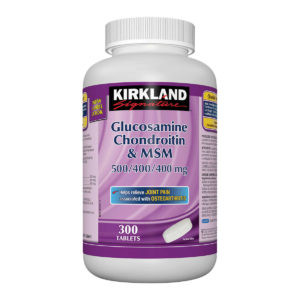
[Two or more bottles of $248] Kirkland Signature – Glucosamine & Chondroitin & MSM 500/400/400 mg 300 tablets
Original price was: $330.00.$258.00Current price is: $258.00. Add to basket -
Sale!
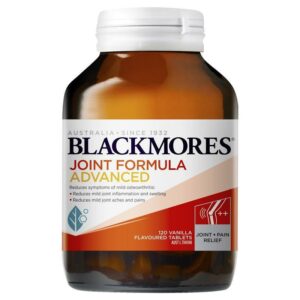
BLACKMORES – Joint Care Formula 120 capsules
Original price was: $258.00.$208.00Current price is: $208.00. Add to basket -
Sale!
![【平均$255/1】【門市低至$238】維柏健 - 健骨至尊 葡萄糖胺軟骨素膠囊 (500/400毫克) + D3 [特強配方] 300粒 x 3樽](https://gogoherbs.com/wp-content/uploads/2023/09/圖片_20260205165446_1856_1-300x300.jpg)
[Average $ 255/1] [Local price as low as $ 238] Vepogen – Bone Strengthening Supreme Glucosamine Chondroitin Capsules (500/400 mg) + D3 [Extra Strong Formula] 300 capsules x 3 bottles
Original price was: $894.00.$765.00Current price is: $765.00. Add to basket -
Sale!
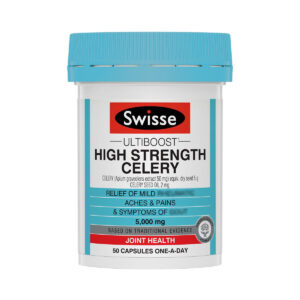
Swisse – Highly Concentrated Celery Seed Extract 5000mg 50 capsules
Original price was: $98.00.$66.00Current price is: $66.00. Add to basket
Related Post:
![| 香港成年人在家閱讀無品牌補充品標籤,桌上有蔬菜與水]()
Hong Kong Liver Health Product Insight Report 2024-2025: Liver-Protecting Formulas Decline, Q10 Increases
![香港成年人在家閱讀與休息,從日常習慣開始理解腦部健康]()
Hong Kong Brain Health Insight Report 2024–2025: Differentiating Fish Oil, Memory Formulas, and Vitamin B12 from 87 Products
![香港上班族在窗邊暫停看屏幕,讓雙眼休息並重新整理眼晴健康選擇]()
Eye Health Insight Report 2024-2025: Beyond Lutein – Fish Oil Accounted for 76.41% of Store Revenue Among 98 Products (TP4T)
![香港家庭查看空氣質素並整理呼吸健康資料]()
Hong Kong Respiratory Health Product Insight Report 2024–2025: Cough, Nasal Allergies, and Sore Throat Are Not the Same Thing